Driving the Going-to-the-Sun Road
The Ultimate Guide to Glacier National Park, Montana
by Guest Blogger Inge Pincket, founder of Destination Explorer Magazine
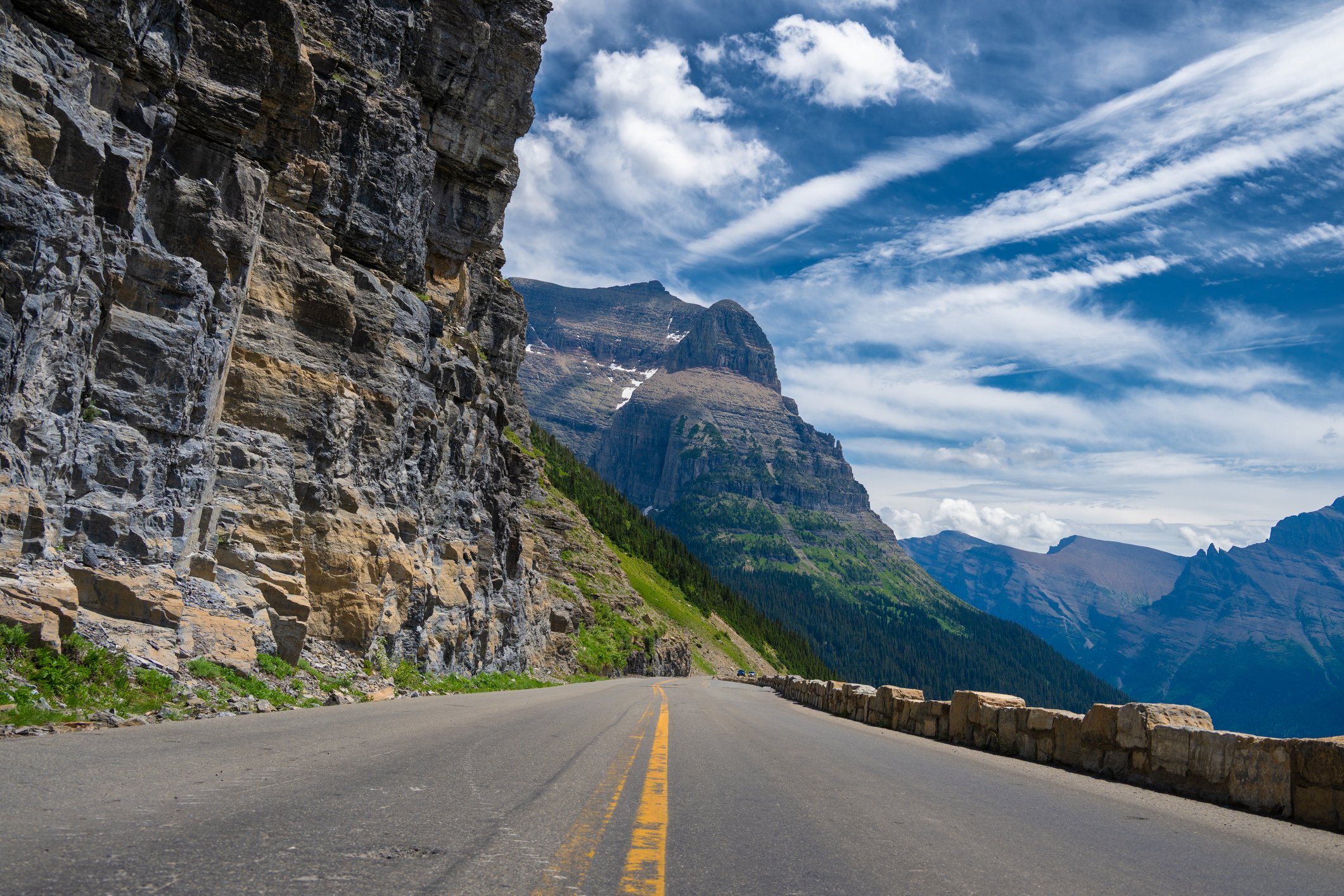
There are road trips… and then there are roads that stay with you forever.
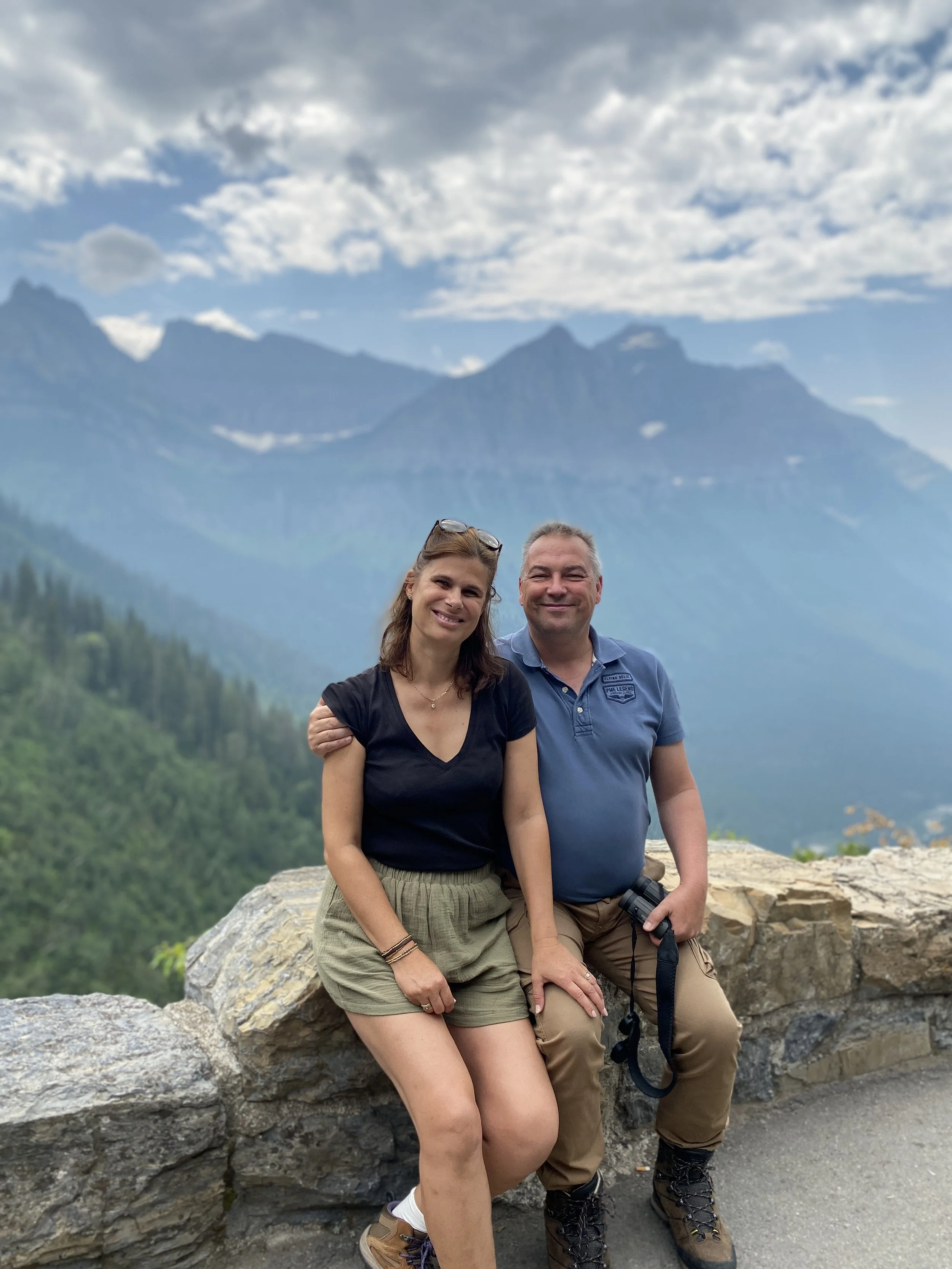
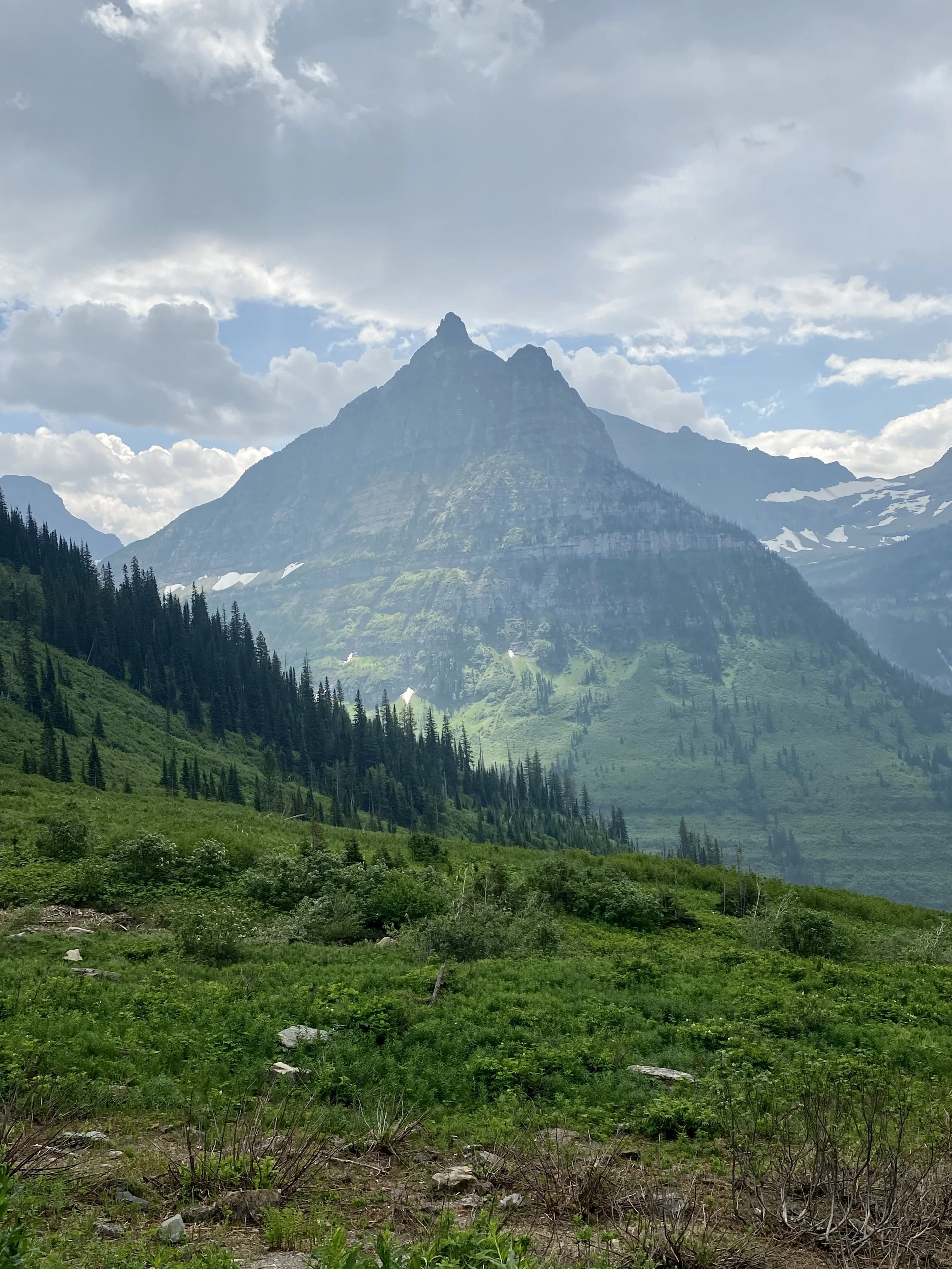
Driving the Going-to-the-Sun Road in Glacier National Park is one of those experiences. Winding through towering mountains, glacial valleys, waterfalls, and alpine meadows, this iconic road cuts straight through the heart of Montana’s wilderness.
While Glacier National Park is famous for its hiking trails, it’s the journey along this spectacular road, combined with unforgettable wildlife encounters, that truly reveals the scale and beauty of the park.
This guide will take you through everything you need to know to make the most of your visit.
👉 Planning a road trip through Glacier? Make the drive part of the adventure with my ultimate road trip playlist (listen on Spotify or download) and road trip games.
👉 Looking for more road trip ideas? Get my Road Trippin’ Near Monument Valley guide with must-see stops or my Guide to Eastern Sierra’s iconic Highway 395 which is one of my favorite road trips in the country.
🚗 Need a rental car? Compare current Miami rental-car rates through DiscoverCars before beginning your Florida Keys road trip.
Going-to-the-Sun Road at a Glance
📍 Location: Glacier National Park, Montana
🏔️ Known For: One of the most scenic drives in the United States with alpine views, glacial lakes, waterfalls, wildlife, and dramatic mountain scenery
🚗 Best Stops: Lake McDonald, Avalanche Creek, Logan Pass, St. Mary Lake, Wild Goose Island, Big Bend, and The Loop
🕒 Recommended Visit: Full day if stopping for viewpoints, short hikes, and photos
🚘 Transportation: Personal vehicle recommended or park shuttle depending on current Glacier National Park access rules
🧭 Drive Distance: Approximately 50 miles from West Glacier to St. Mary, crossing the Continental Divide at Logan Pass
⭐ Perfect For: Road trips, photography, wildlife viewing, short hikes, and first-time visitors to Glacier National Park
🗺️ Interactive Going-to-the-Sun Road Map
Planning your drive through Glacier National Park? Use my interactive map below to find the best stops along Going-to-the-Sun Road, including scenic overlooks, glacial lakes, waterfalls, short hikes, and must-see photo spots. It’s a helpful way to visualize the route before you go and decide where you want to spend the most time.
Table of Contents
Where is the Going-to-the-Sun Road Located
A Road Through the Crown of the Continent
Glacier National Park, located in Montana, USA, is often referred to as the “Crown of the Continent.” And once you start driving, you understand why.
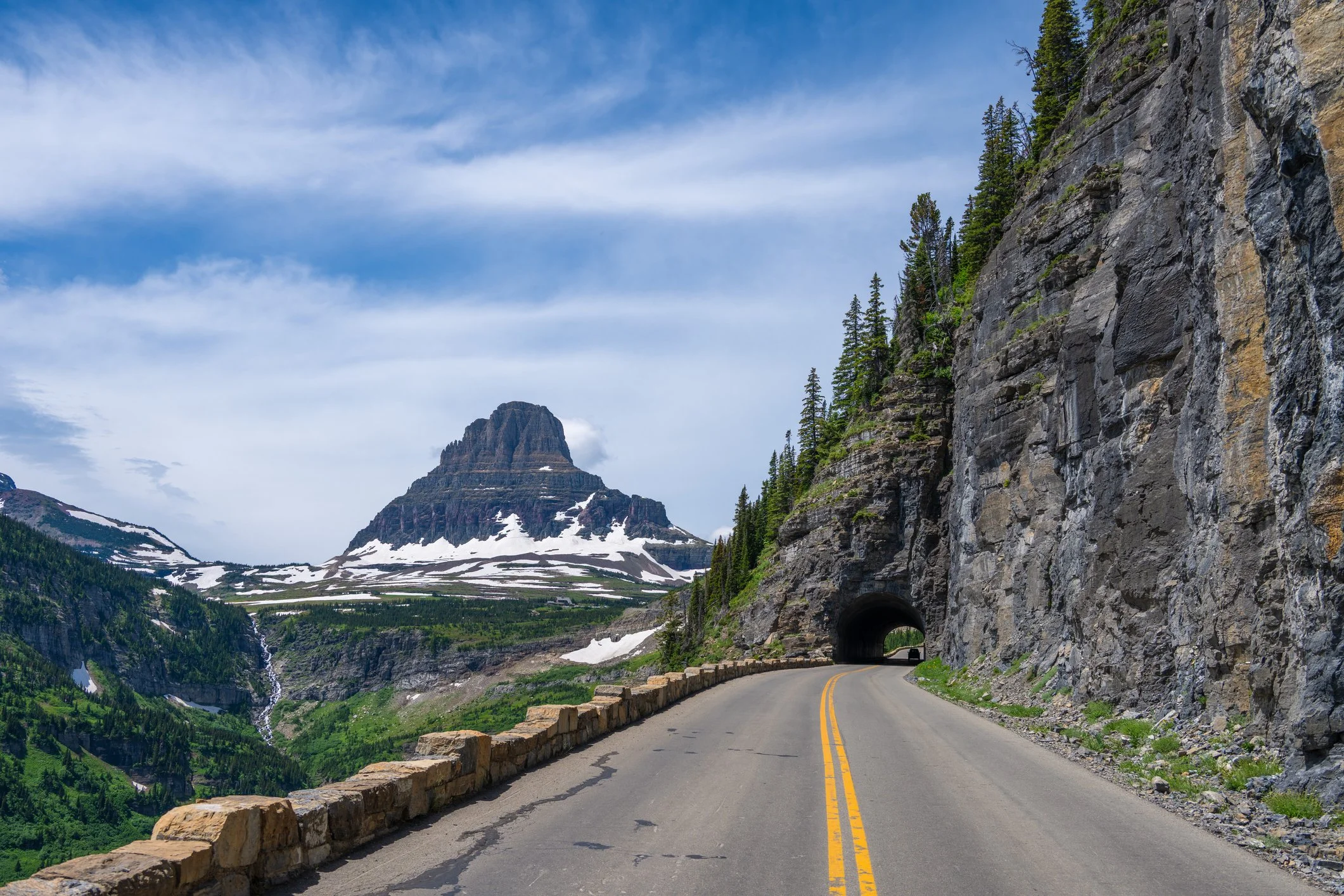
The Going-to-the-Sun Road stretches for about 50 miles (80 km) from West Glacier to St. Mary, crossing the Continental Divide at Logan Pass.
Along the way, the scenery constantly changes:
Dense cedar forests
Turquoise glacial lakes
Dramatic cliffs and waterfalls
Alpine tundra landscapes
It’s not just a drive, it’s a journey through multiple ecosystems in just a few hours.
The Going-to-the-Sun Road Experience (What It's Like)
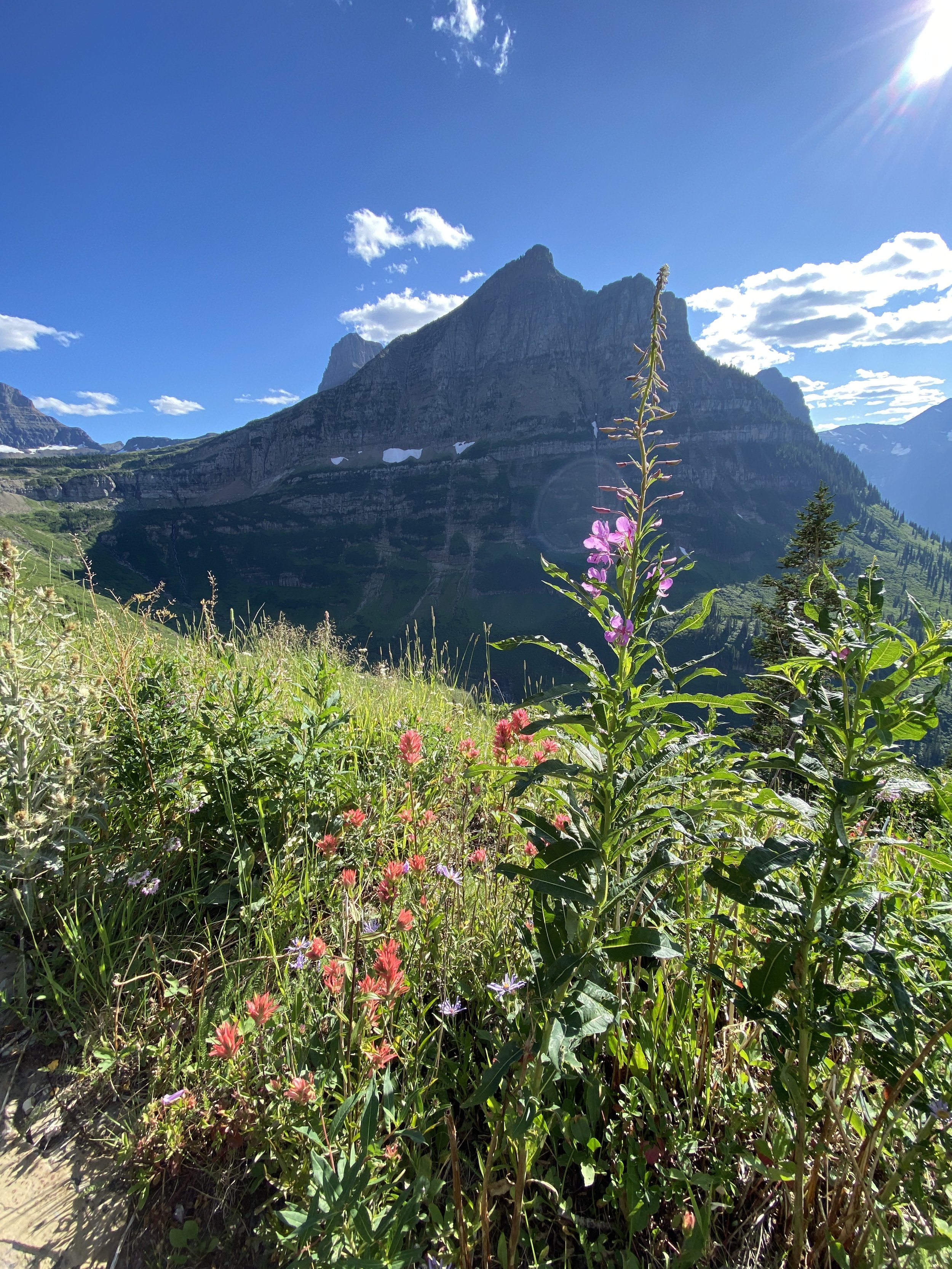
The Going-to-the-Sun Road itself is an engineering marvel, carved into the mountains in the 1930s. In some sections, it hugs steep cliffs with jaw-dropping drop-offs: thrilling, but absolutely worth it.
What makes this drive so special is how accessible the park becomes. Even without doing long hikes, you can experience some of the most breathtaking views in North America.
Must-Stop Viewpoints Along the Way
📍 Lake McDonald
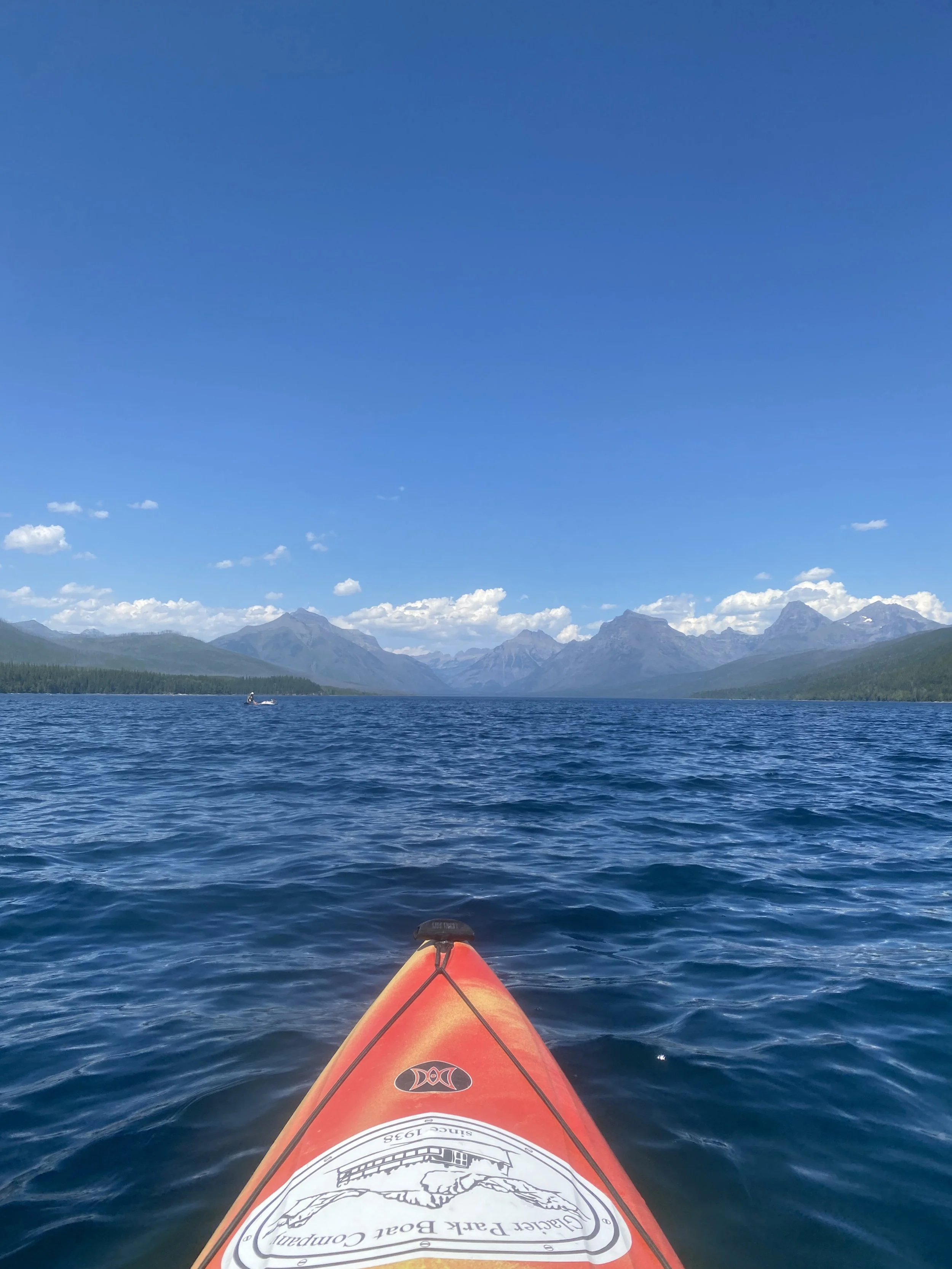
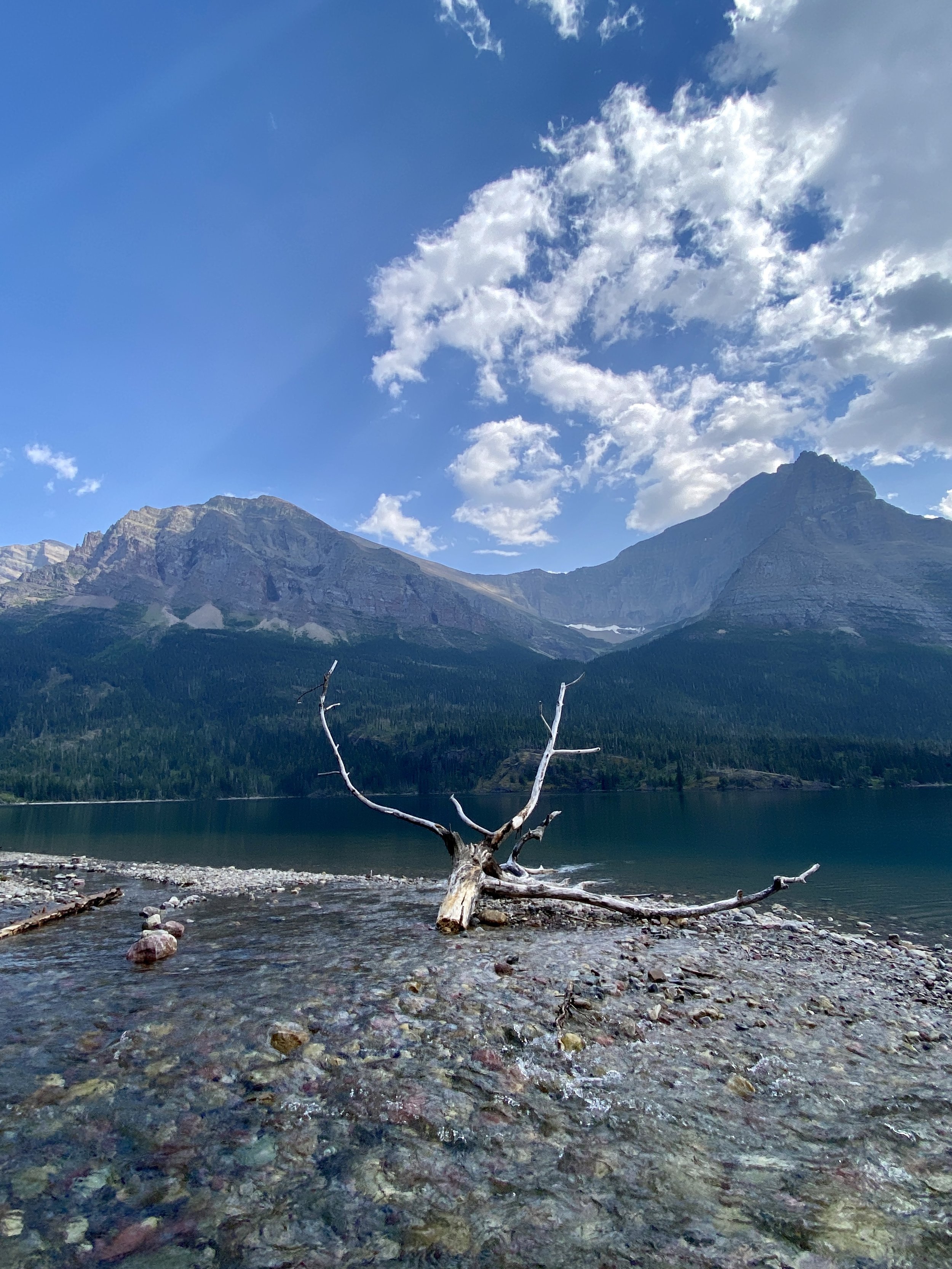
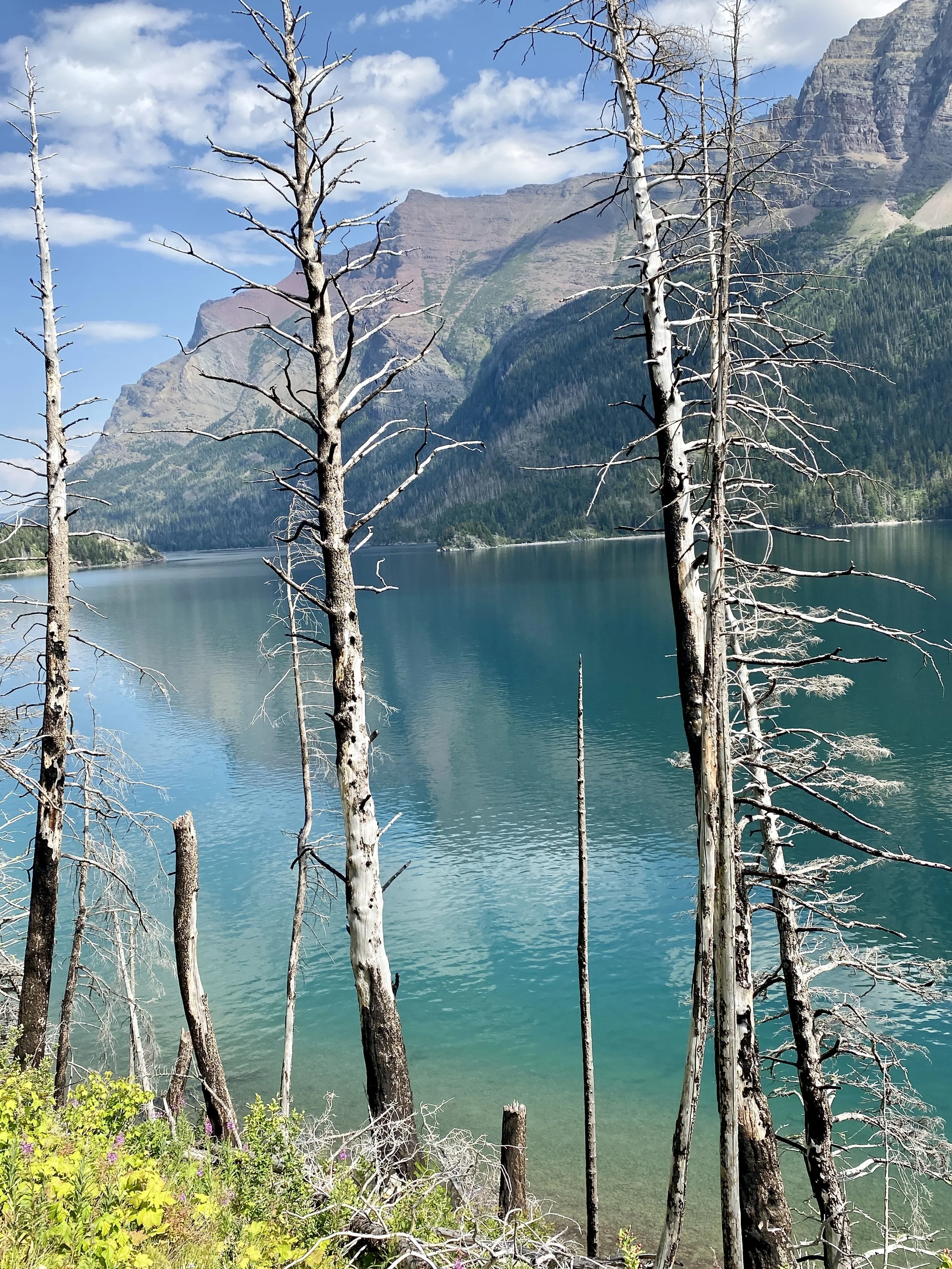
Lake McDonald is often the perfect starting point for your Glacier adventure. As the largest lake in the park, it immediately sets the tone with its crystal-clear water, colorful pebbles, and calm reflections of the surrounding peaks. On a still morning, the lake feels almost unreal, especially when the mountains mirror perfectly in the water. It’s also one of the best places in the park for sunrise or sunset photography, when the light turns soft and golden.
📍 Avalanche Creek
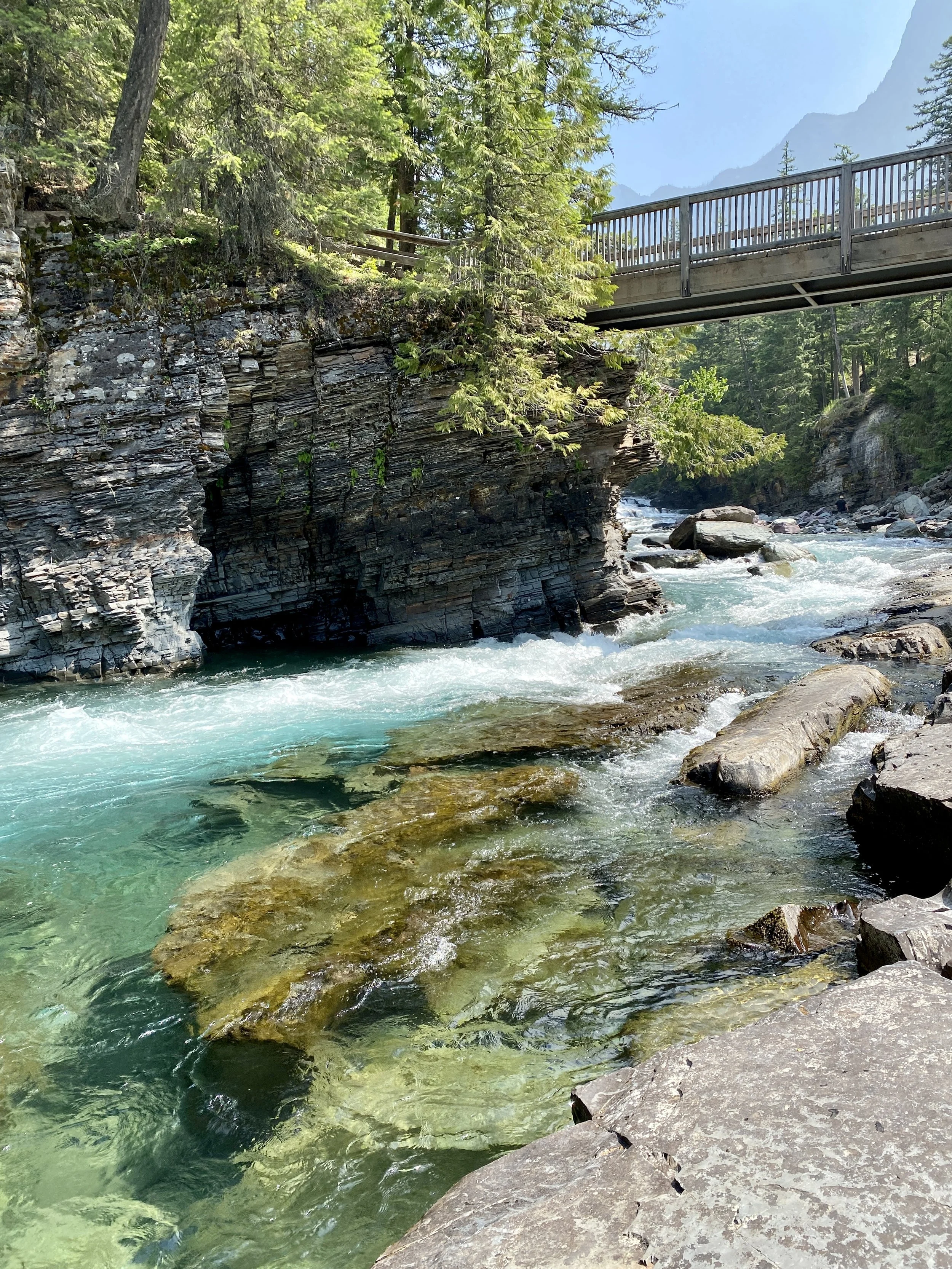
Avalanche Creek is one of those stops that feels both accessible and magical. The rushing water cuts through a narrow rocky gorge, surrounded by dense cedar forest that gives this part of Glacier a lush, almost Pacific Northwest feel. It’s an easy stop to add to your drive, but it never feels like a quick roadside attraction: the sound of the water and the forested setting make it one of the most atmospheric places along the Going-to-the-Sun Road.
📍 Logan Pass (6,646 ft / 2,025 m)
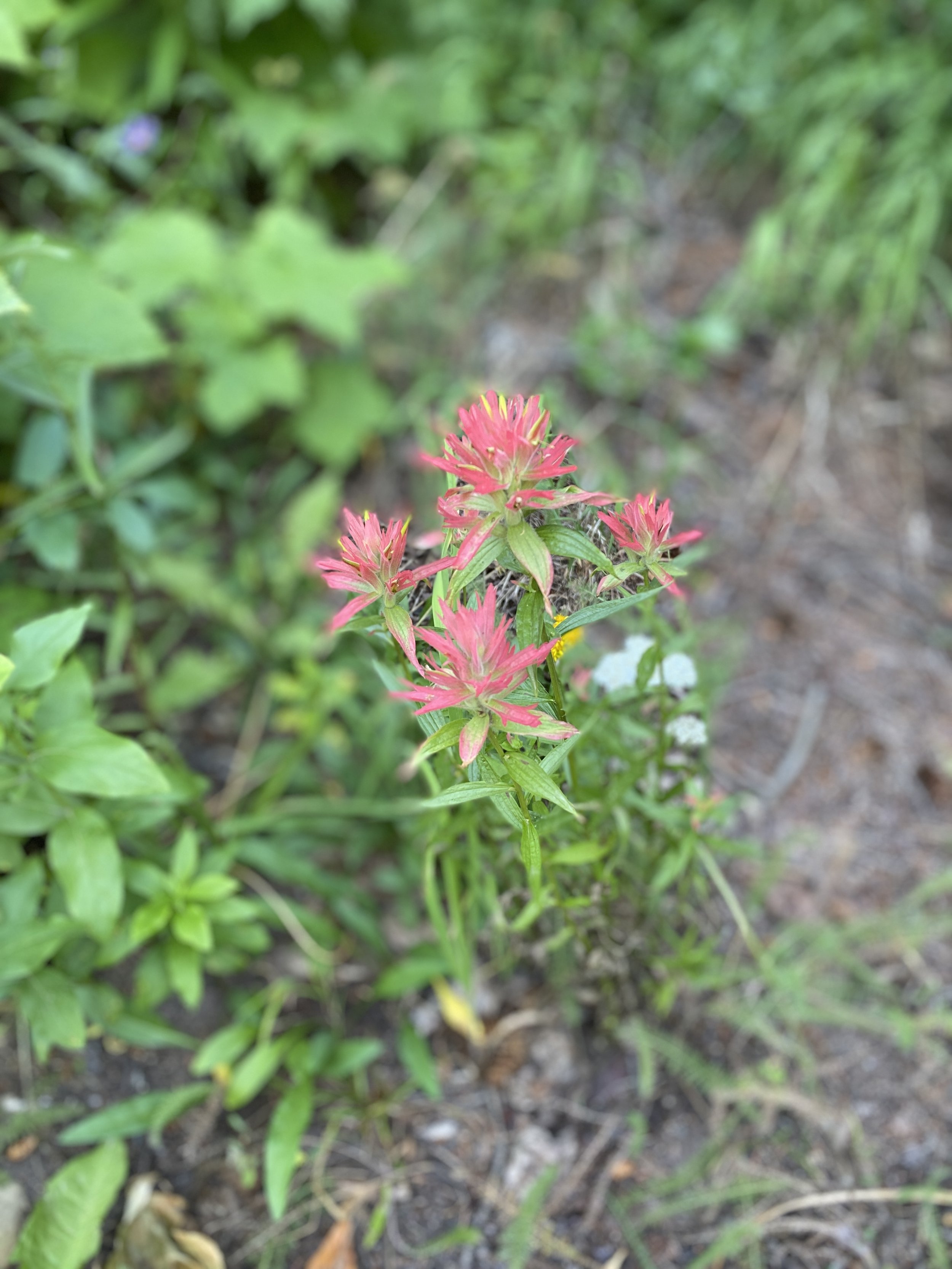
At 6,646 feet (2,025 m), Logan Pass is the highest point on the Going-to-the-Sun Road and one of the most iconic places in Glacier National Park. This is where the landscape opens up into alpine tundra, with sweeping mountain views, wildflowers in summer, and some of the park’s best chances to spot wildlife like mountain goats and bighorn sheep. It’s also the starting point for some of Glacier’s most famous hikes, so even if you only stop for the view, it still feels like the dramatic heart of the park.
📍 St. Mary Lake
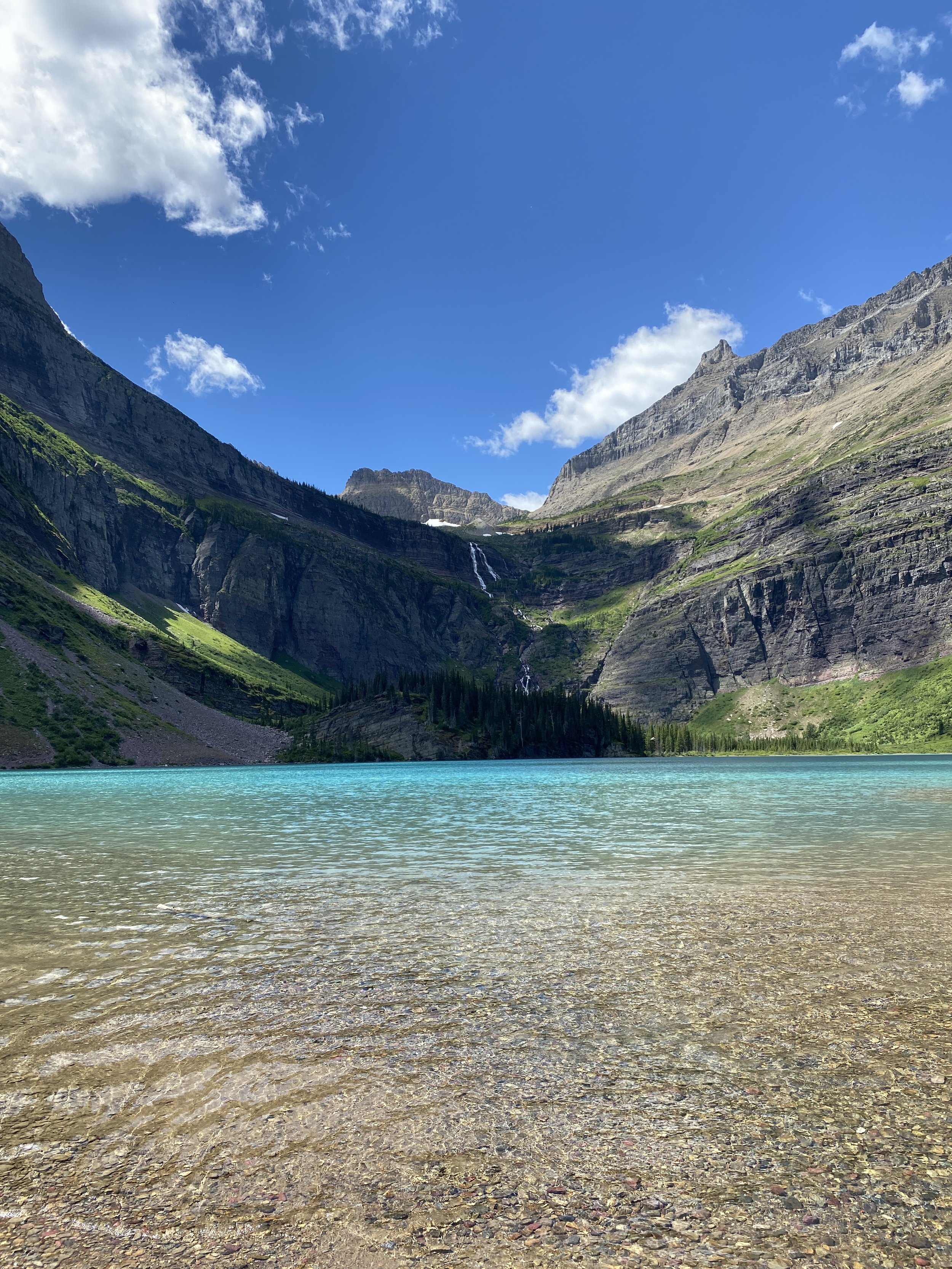
On the east side of the park, St. Mary Lake introduces a different mood: more open, wind-swept, and rugged than the forested west side. The lake is famous for Wild Goose Island, one of Glacier’s most photographed landmarks, and the scenery here feels broader and more dramatic. This side of the park often has a drier, more expansive beauty, and it’s a wonderful contrast to the cedar forests near Lake McDonald.
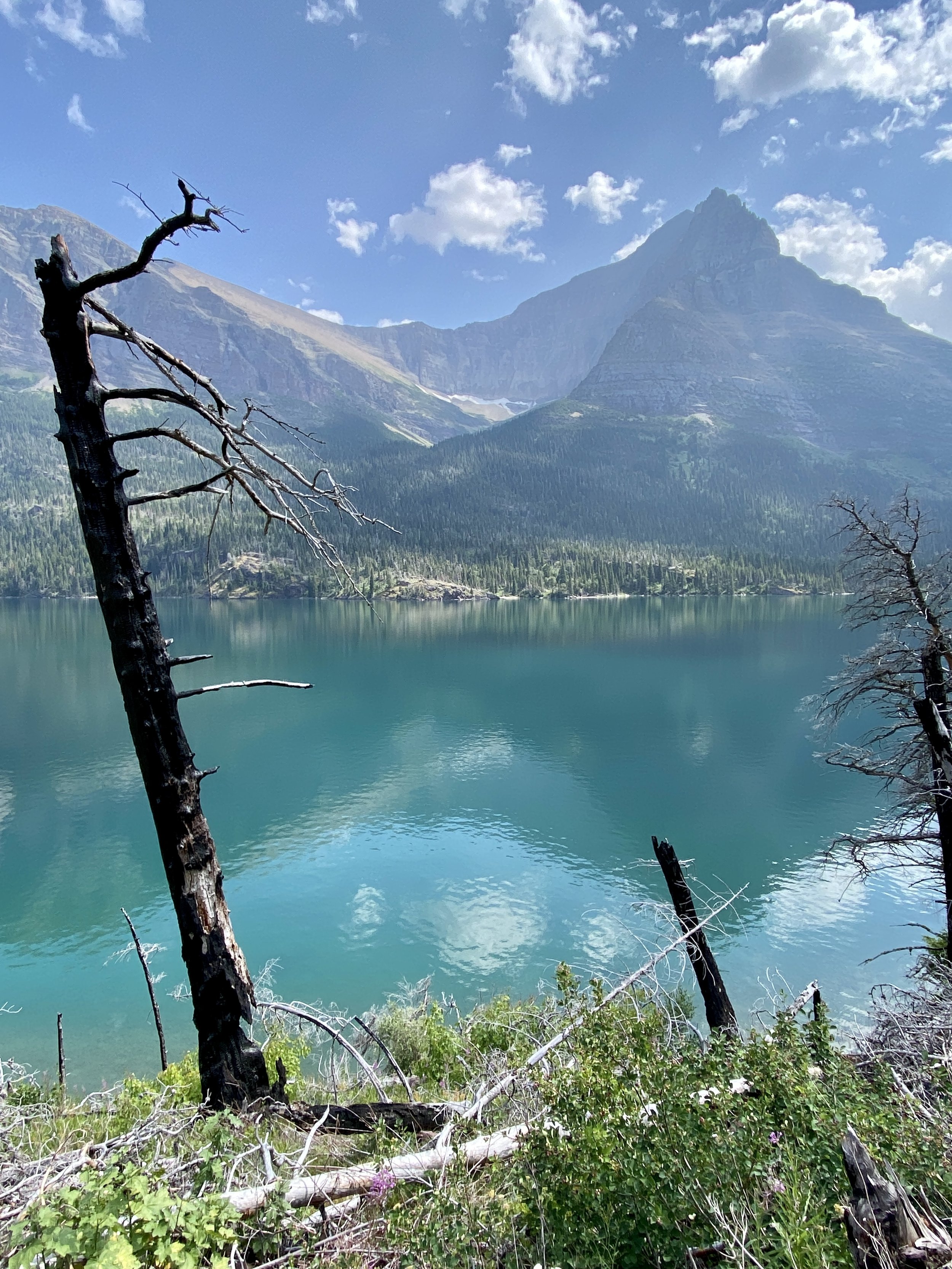
Beyond the Road: Short Hikes Worth Stopping For
Even though this trip focuses on the road, a few short hikes can elevate your experience.
Hidden Lake Overlook (Logan Pass)
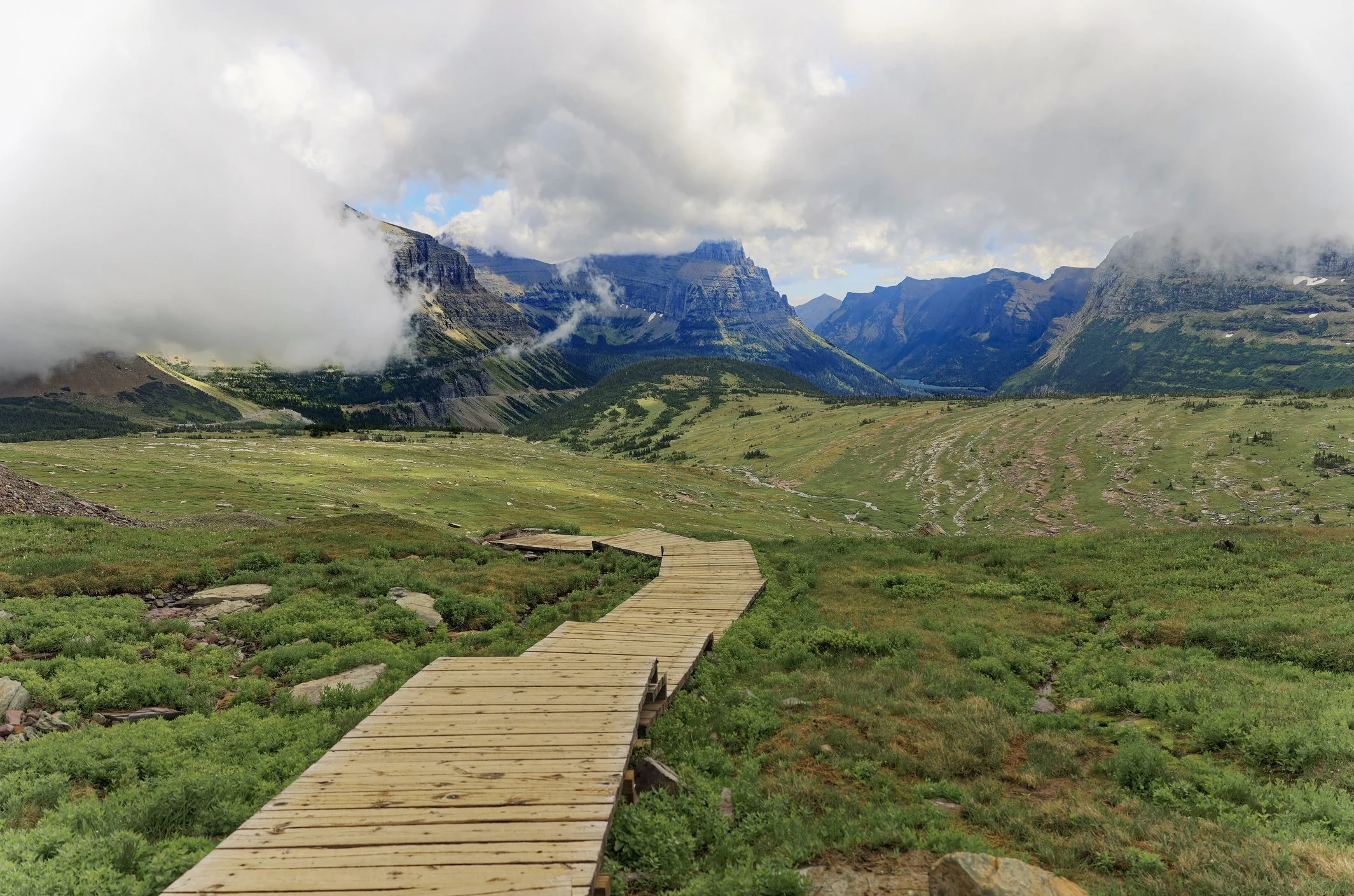
If you only do one short hike in Glacier, Hidden Lake Overlook is one of the best choices. The trail starts at Logan Pass and follows a raised boardwalk across alpine meadows before climbing gently toward an overlook with wide-open mountain views.
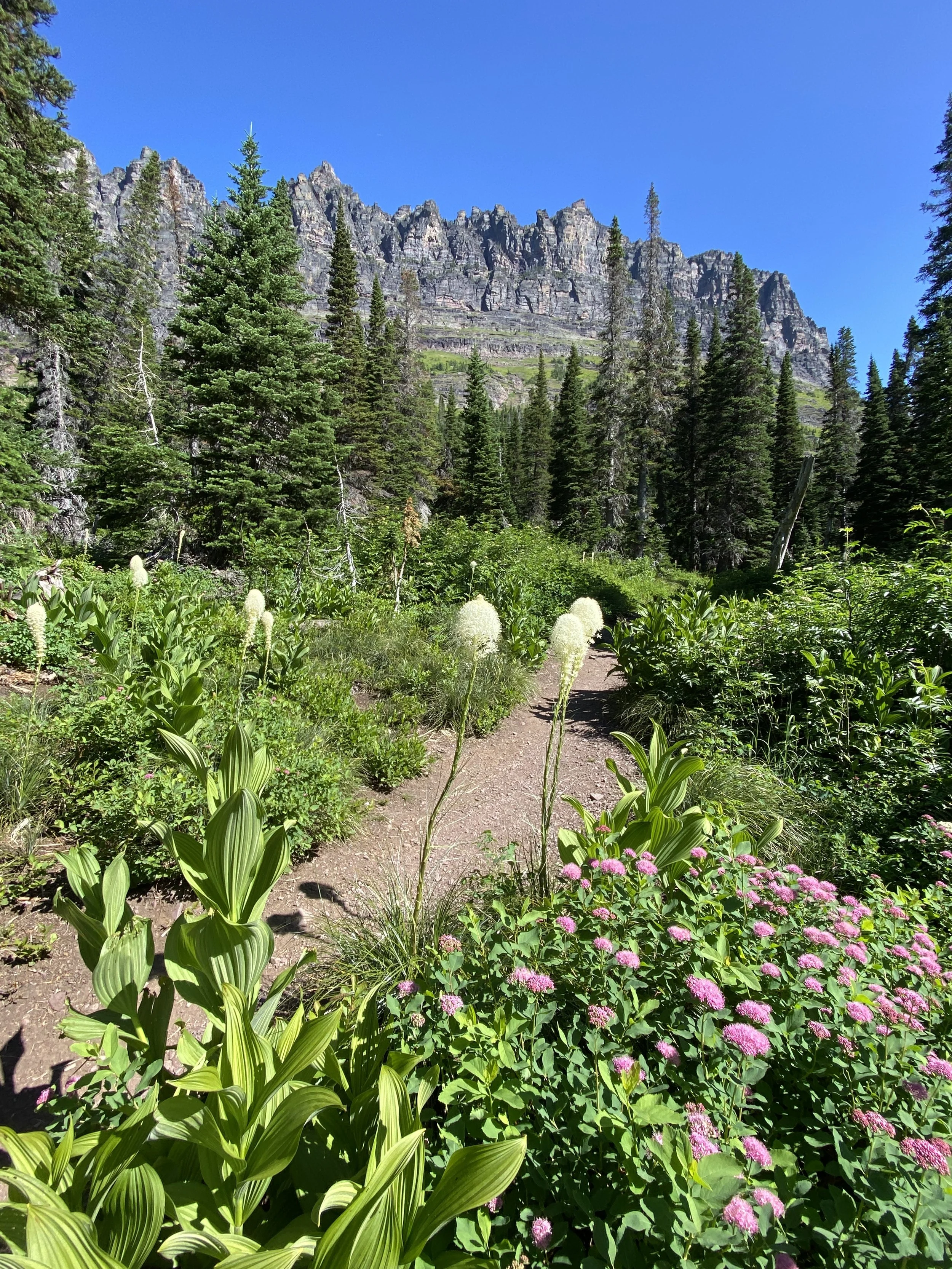
In summer, this is one of the most beautiful places to walk among wildflowers, and wildlife sightings are common. It’s a relatively short hike, but the scenery feels grand from start to finish.
Avalanche Lake Trail
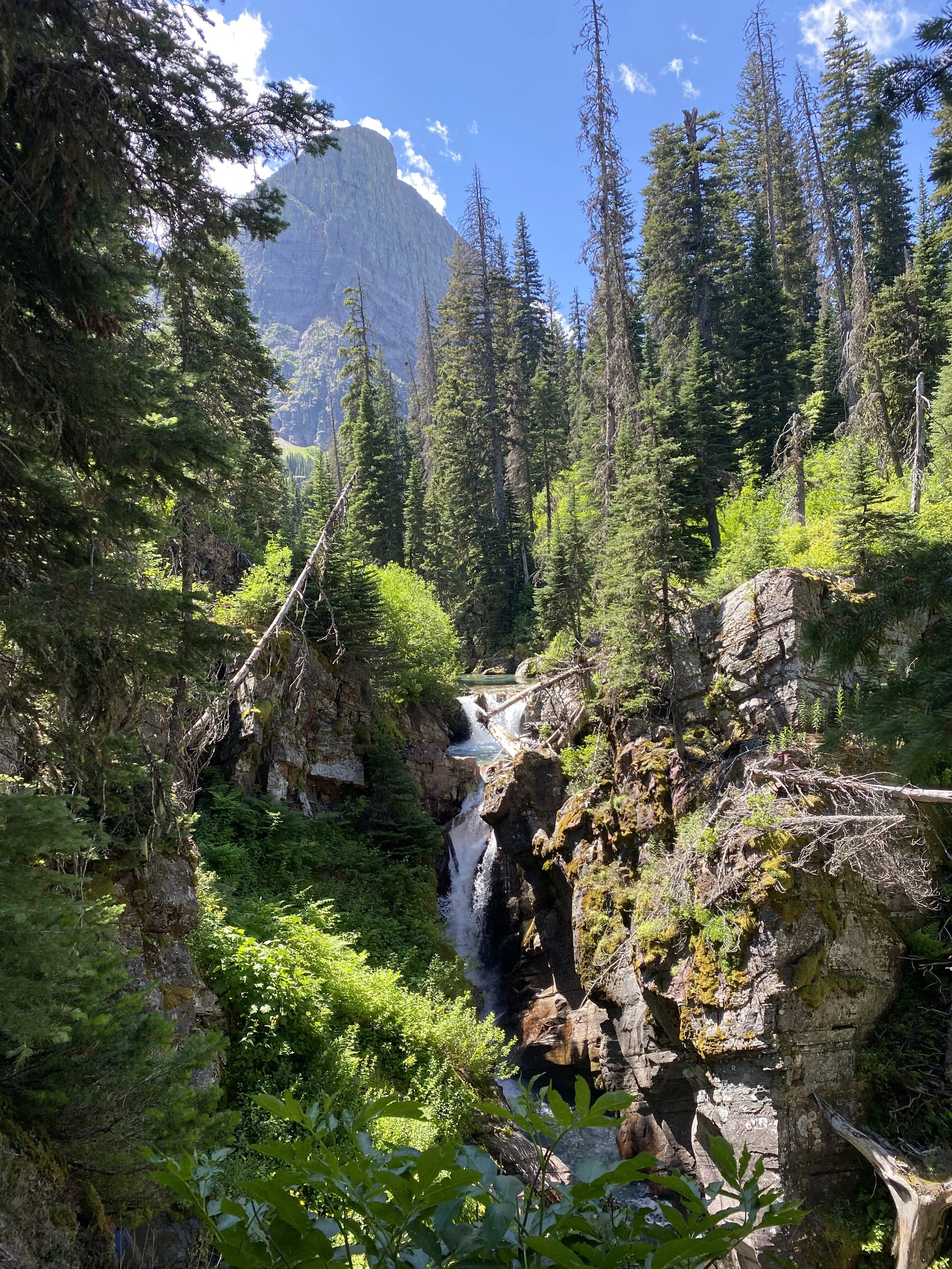
Avalanche Lake is one of the most rewarding moderate hikes you can do from the Going-to-the-Sun Road. The trail begins near Avalanche Creek and leads through a beautiful cedar and hemlock forest before opening up to a lake ringed by steep cliffs and seasonal waterfalls. It feels like entering a natural amphitheater. The final reveal is what makes this hike so memorable: after walking through forest, you suddenly arrive at a glacier-carved lake with water and rock walls all around you.
Two Medicine Lake Area (Hidden Gem)
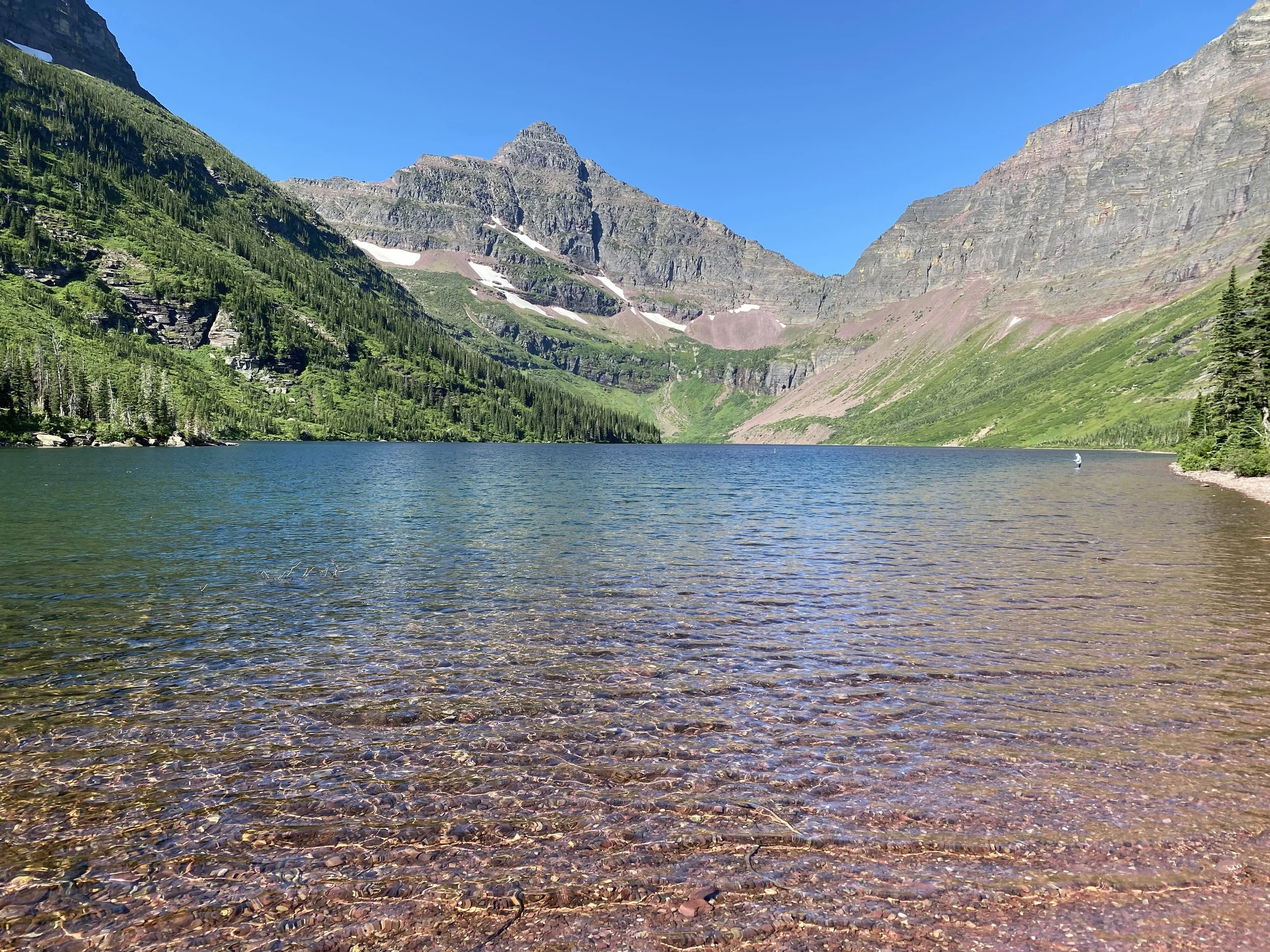
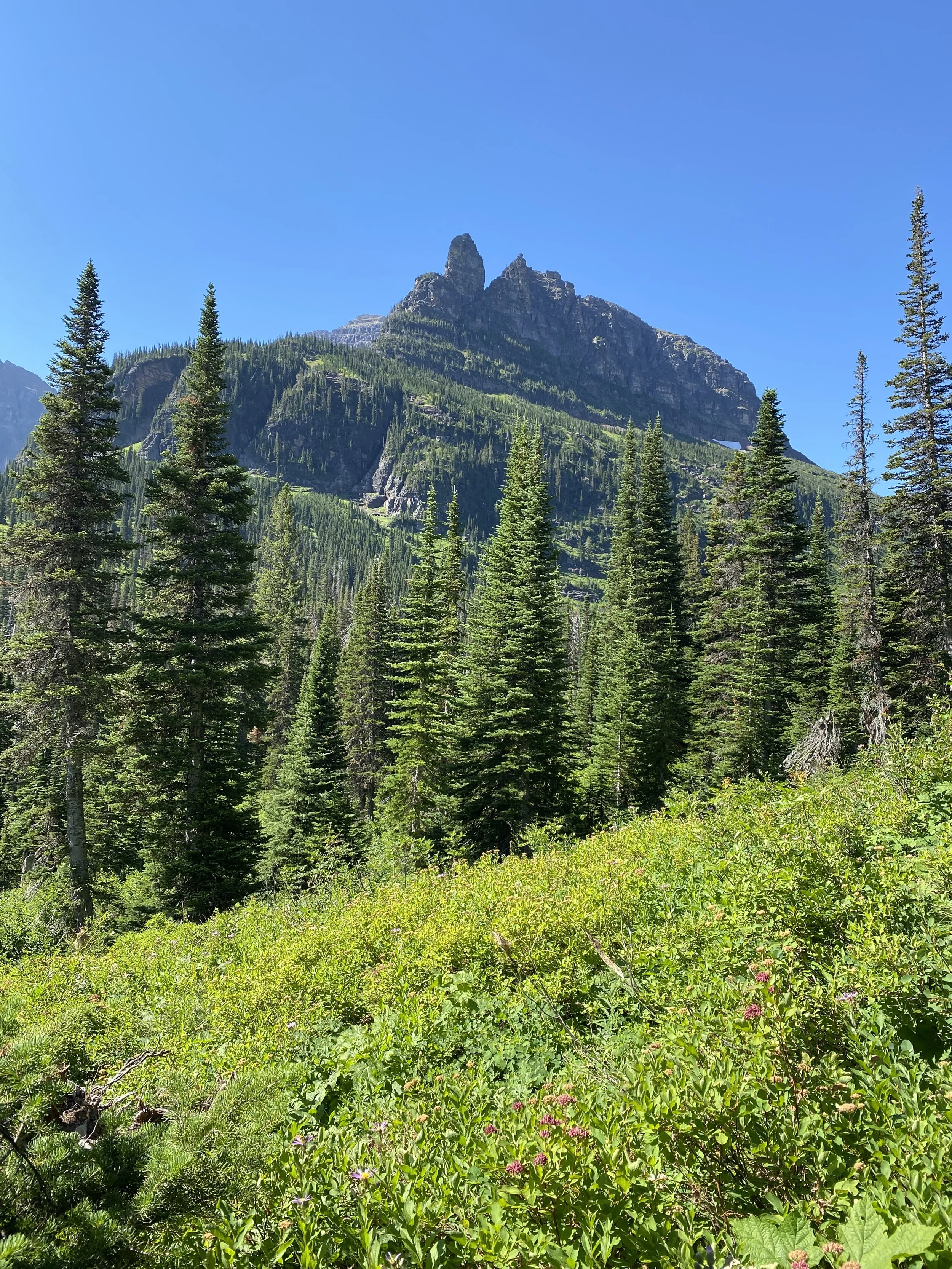
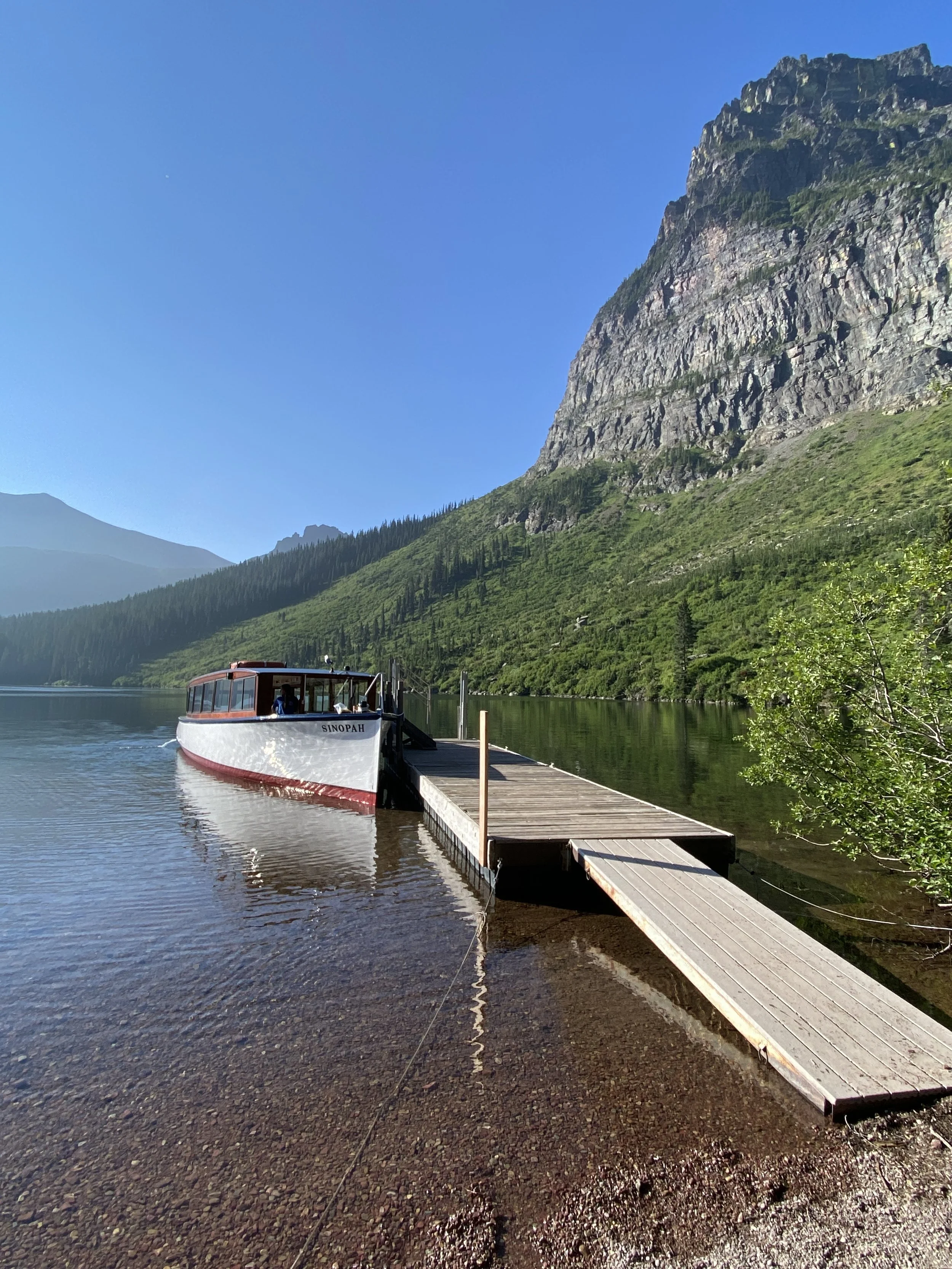
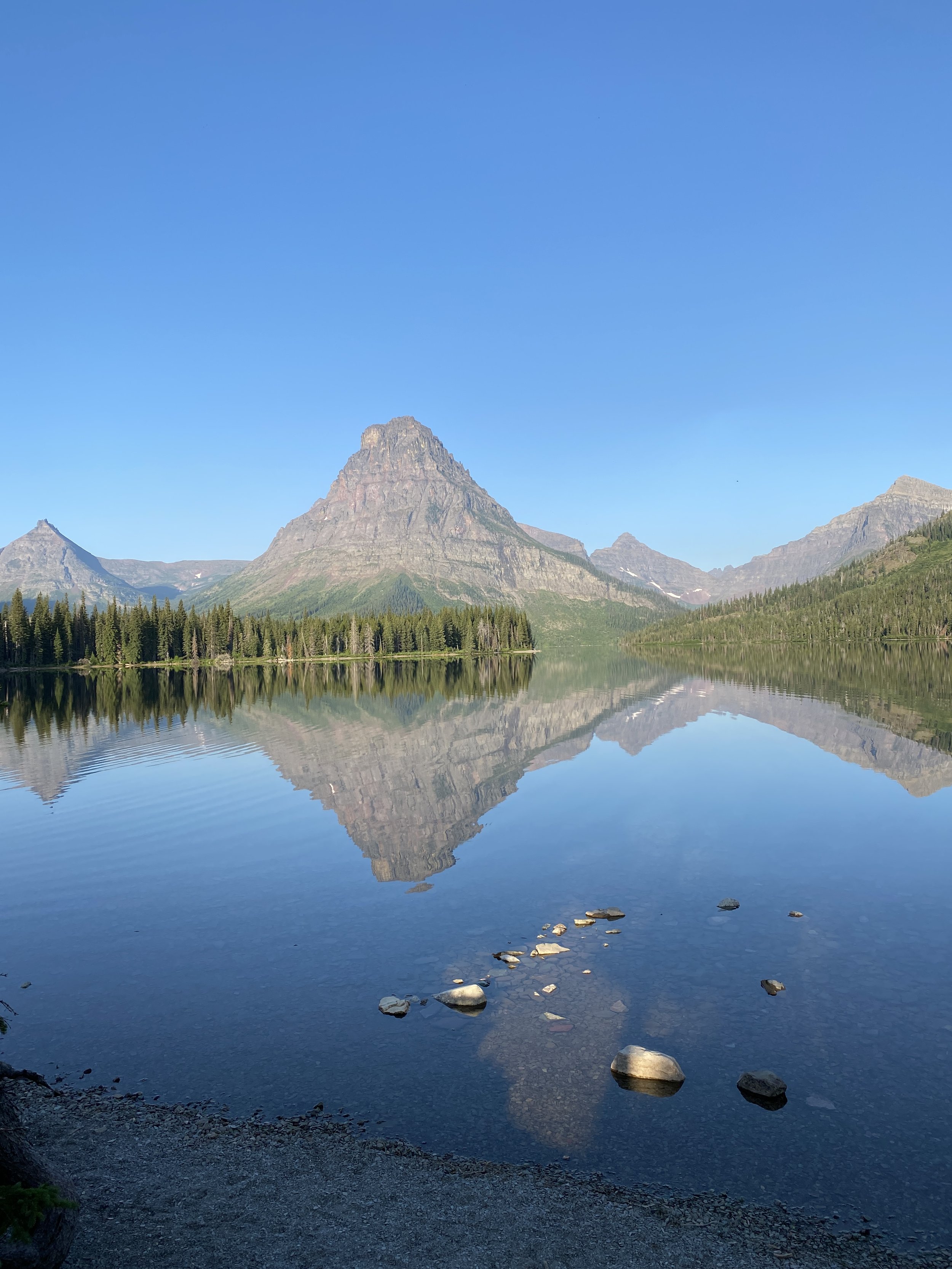
Two Medicine is one of Glacier’s quieter and more soulful corners, less crowded than Logan Pass, but every bit as beautiful. The lake, mountains, and wide valley views make it feel wilder and more remote, even though it’s still accessible. It’s also where we had one of our most unforgettable wildlife moments: while hiking around Two Medicine Lake, we encountered two moose at very close range. It was both thrilling and humbling, and a powerful reminder that Glacier is still truly wild. If you’re looking for a place that feels a little less busy and a little more intimate, Two Medicine is a must.
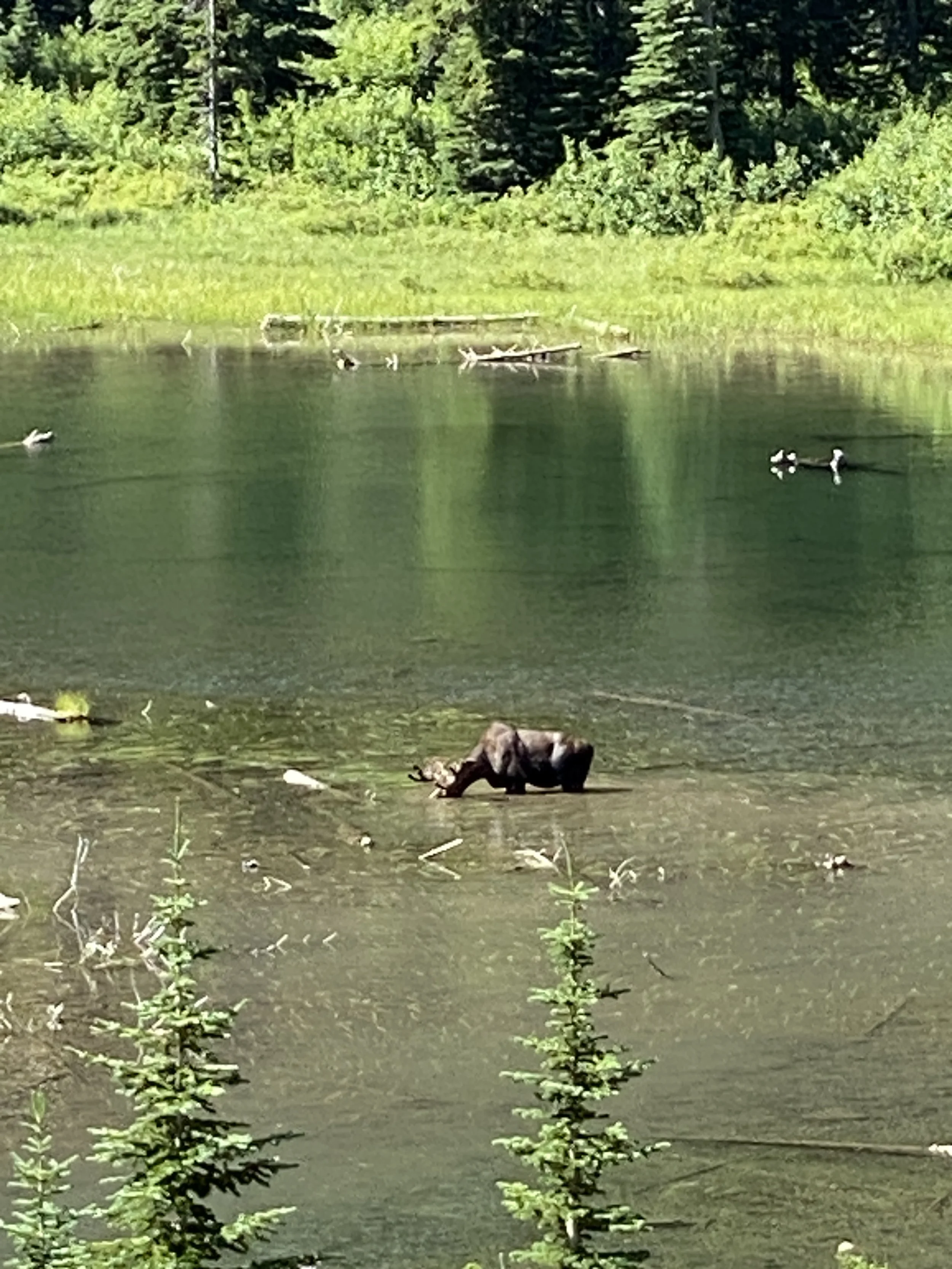
Wildlife & Wildnerness
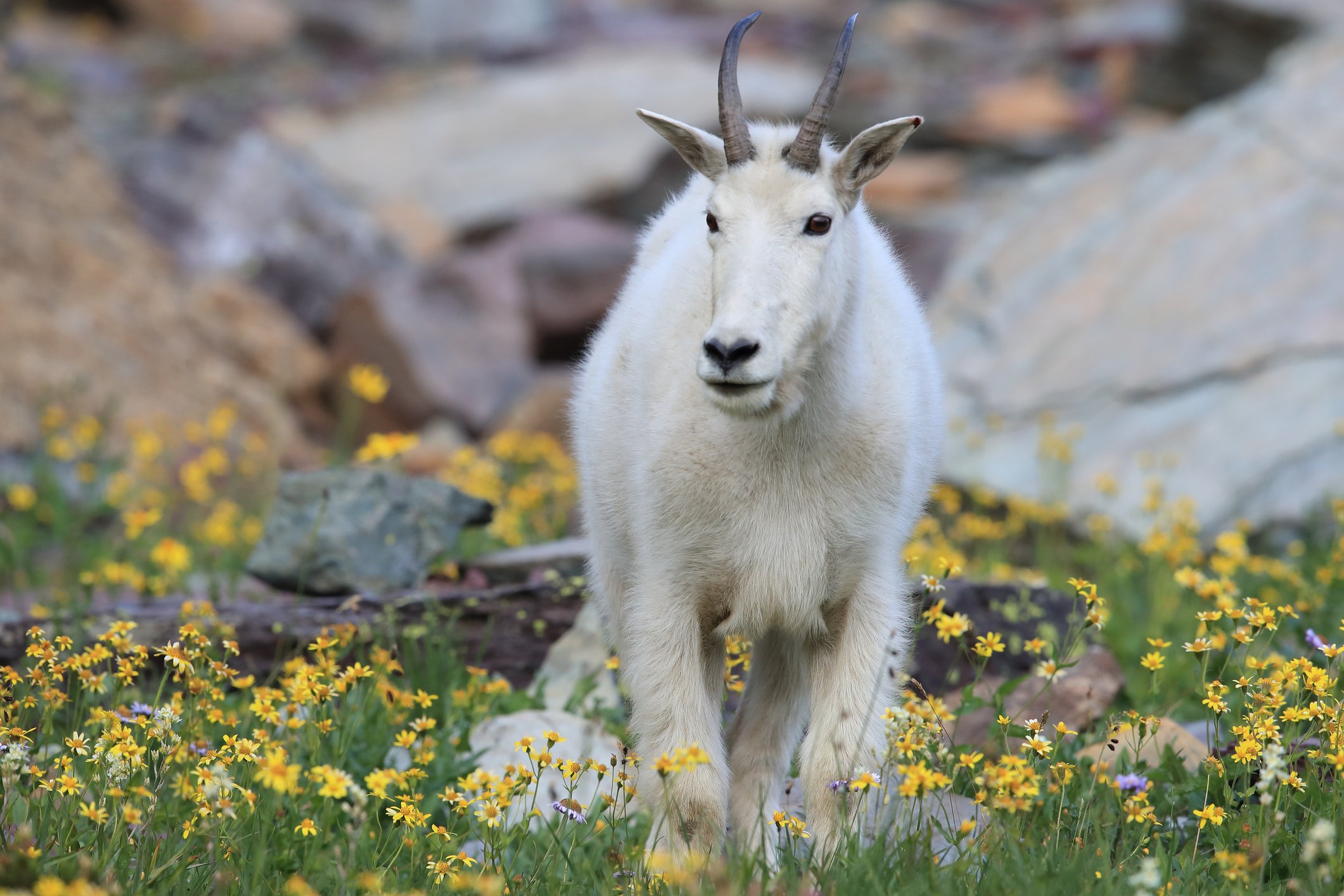
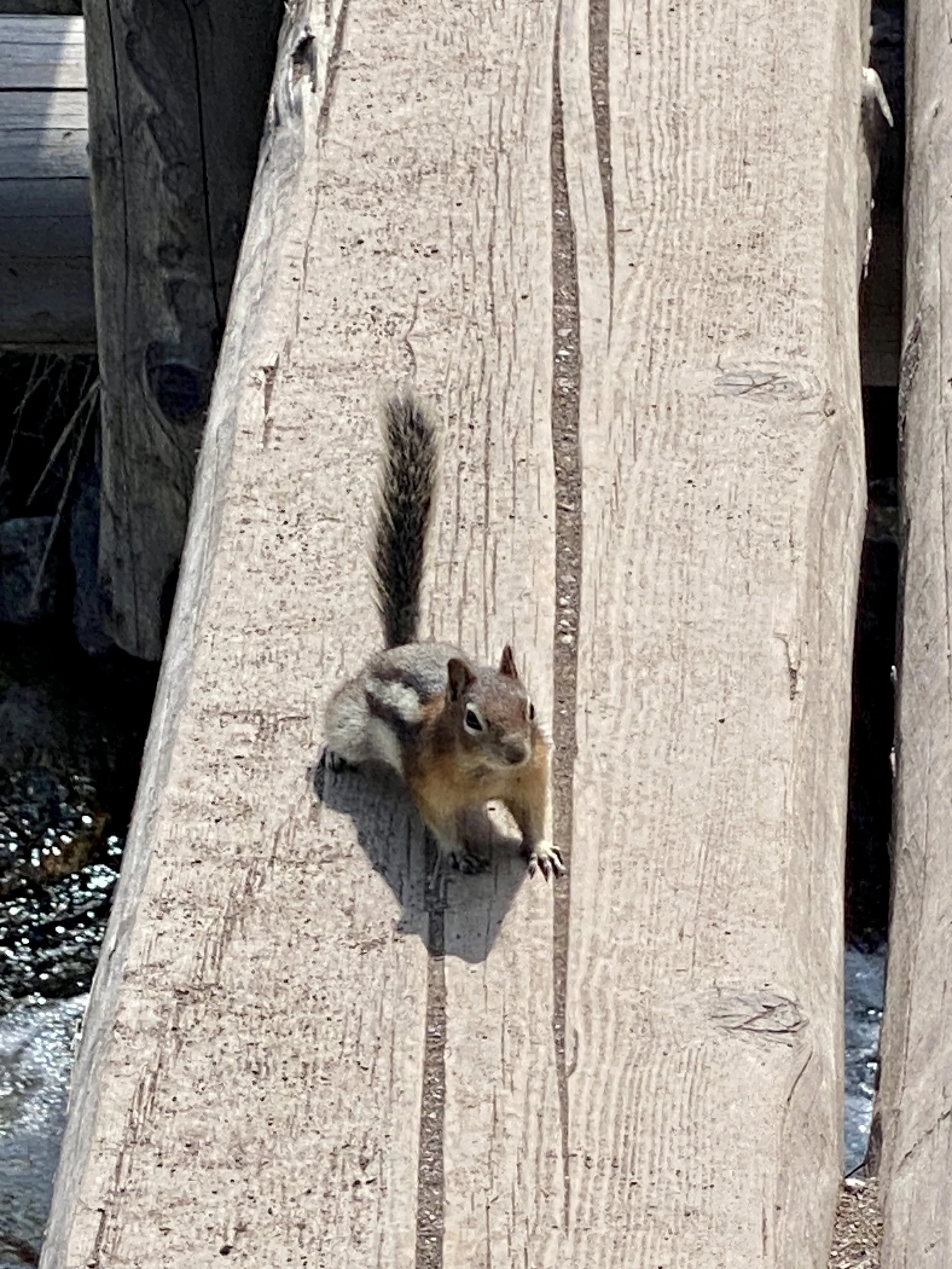
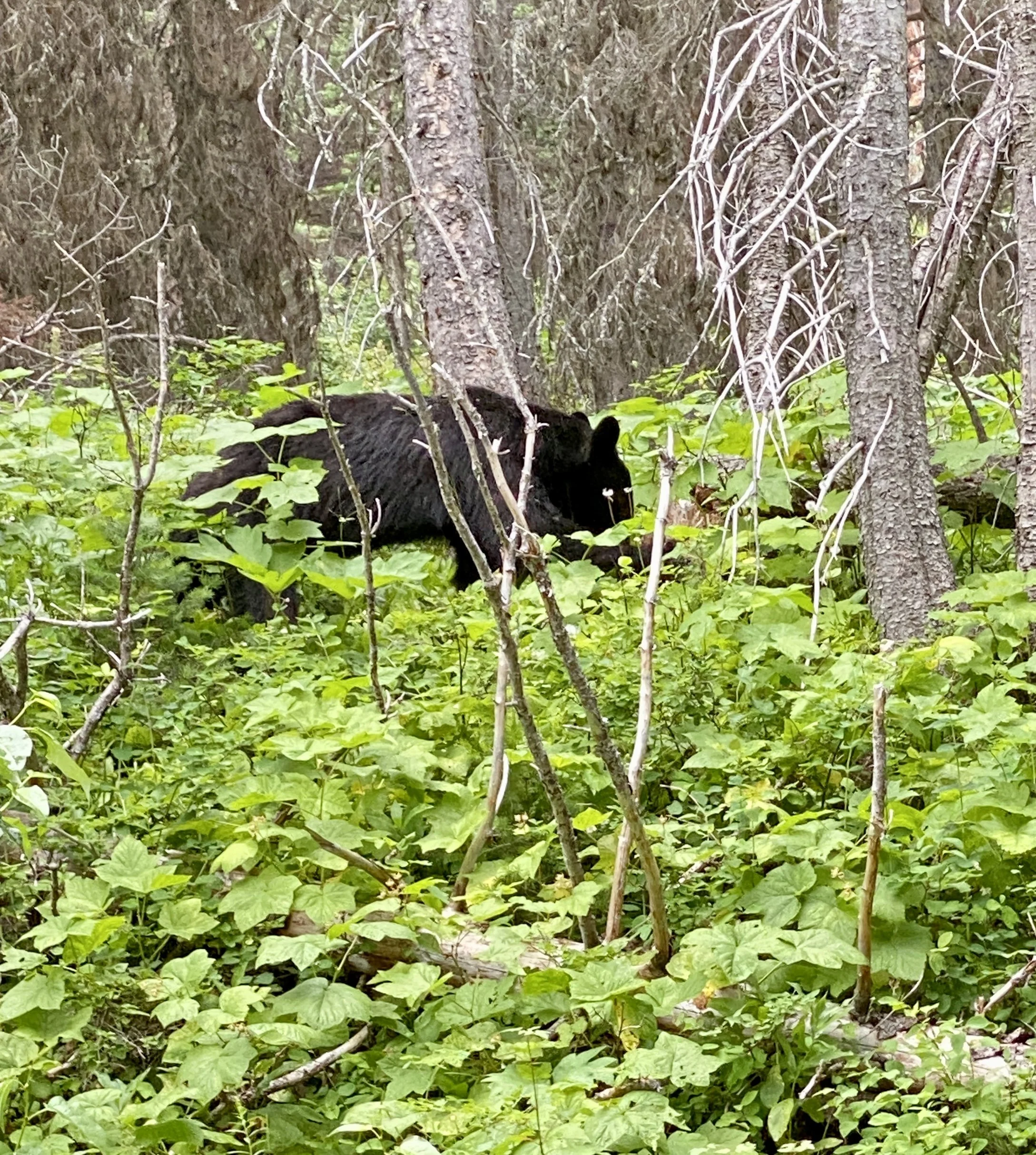
Glacier National Park is one of the last truly wild places in the United States, and that sense of wilderness is part of what makes it so special. During your visit, you may encounter:
Mountain Goats
Bighorn Sheep
Deer
Moose
Black Bears
Grizzly Bears
Wildlife sightings are one of the highlights of visiting Glacier, but they also require caution and respect. Keep a safe distance, never approach animals, and always stay alert, especially on less crowded trails.
The Best Photo Spots Along Sun Road
A Photographer’s Dream
If you love photography, the Going-to-the-Sun Road is pure magic. Every turn feels like a new postcard.
Best Moments to Capture:
Early morning for soft golden light, calm waters, and fewer crowds.
Sunset at Lake McDonald when the mountains reflect off the water over the colorful pebbled shore.
Midday at Logan Pass for alpine views, wildflowers, and more opportunty to see wildlife.
Best Photos Spots Along Sun Road:
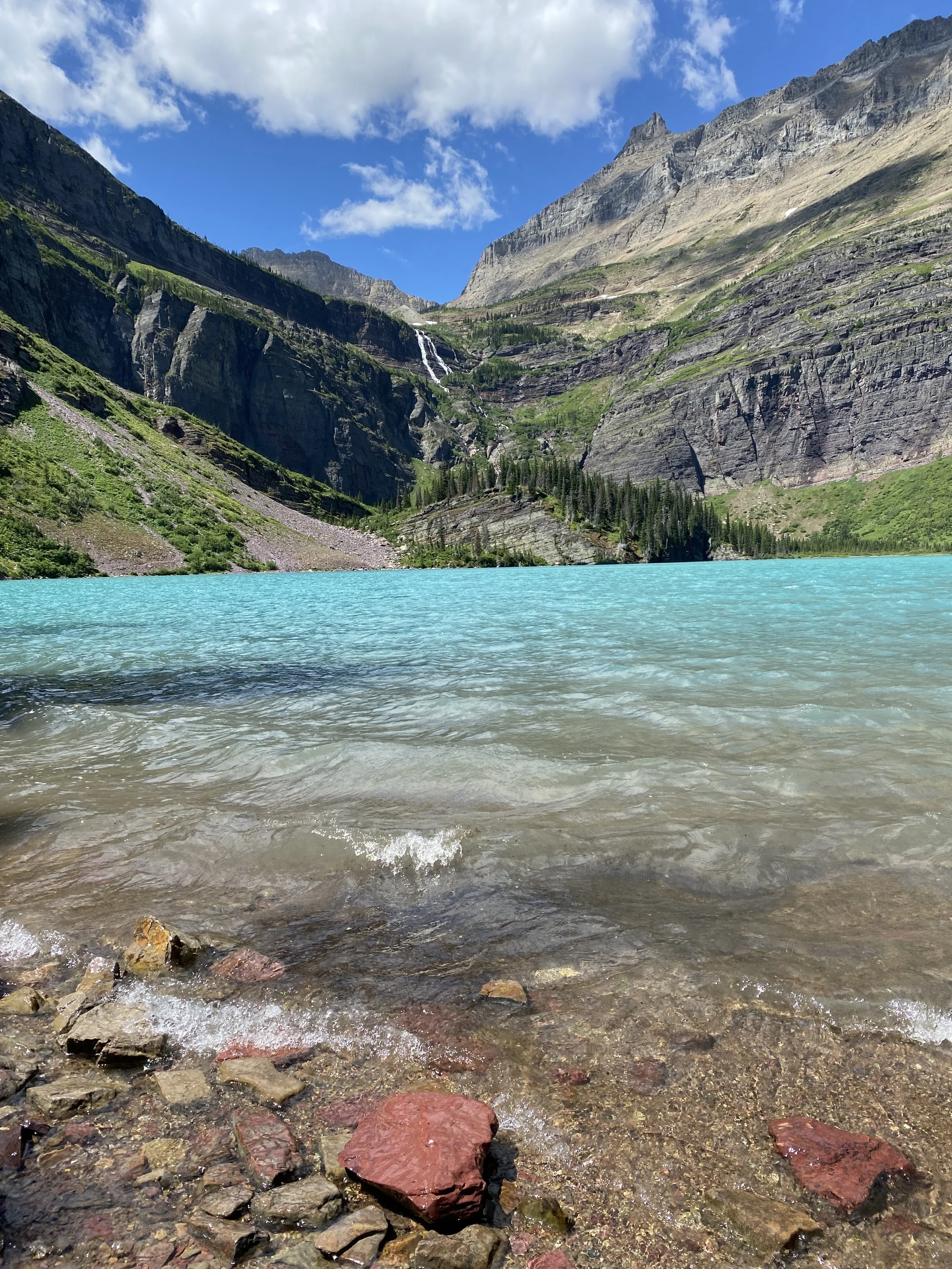
Lake McDonald - Great for reflections, colorful rocks, and sunrise/sunset. 📍 Near Apgar Village.
McDonald Falls - Great for long expoure waterfall shots. 📍 Just past Lake McDonald Lodge.
The Loop - Great for dramatic shots of the switchbacks and sharp bends in the road.
Big Bend - Great for wide mountain vistas and spring wildflowers. 📍 Between Lake McDonald & Logan Pass
Weeping Wall - Great for unique cliffside images. Water typically flows in spring through early summer.
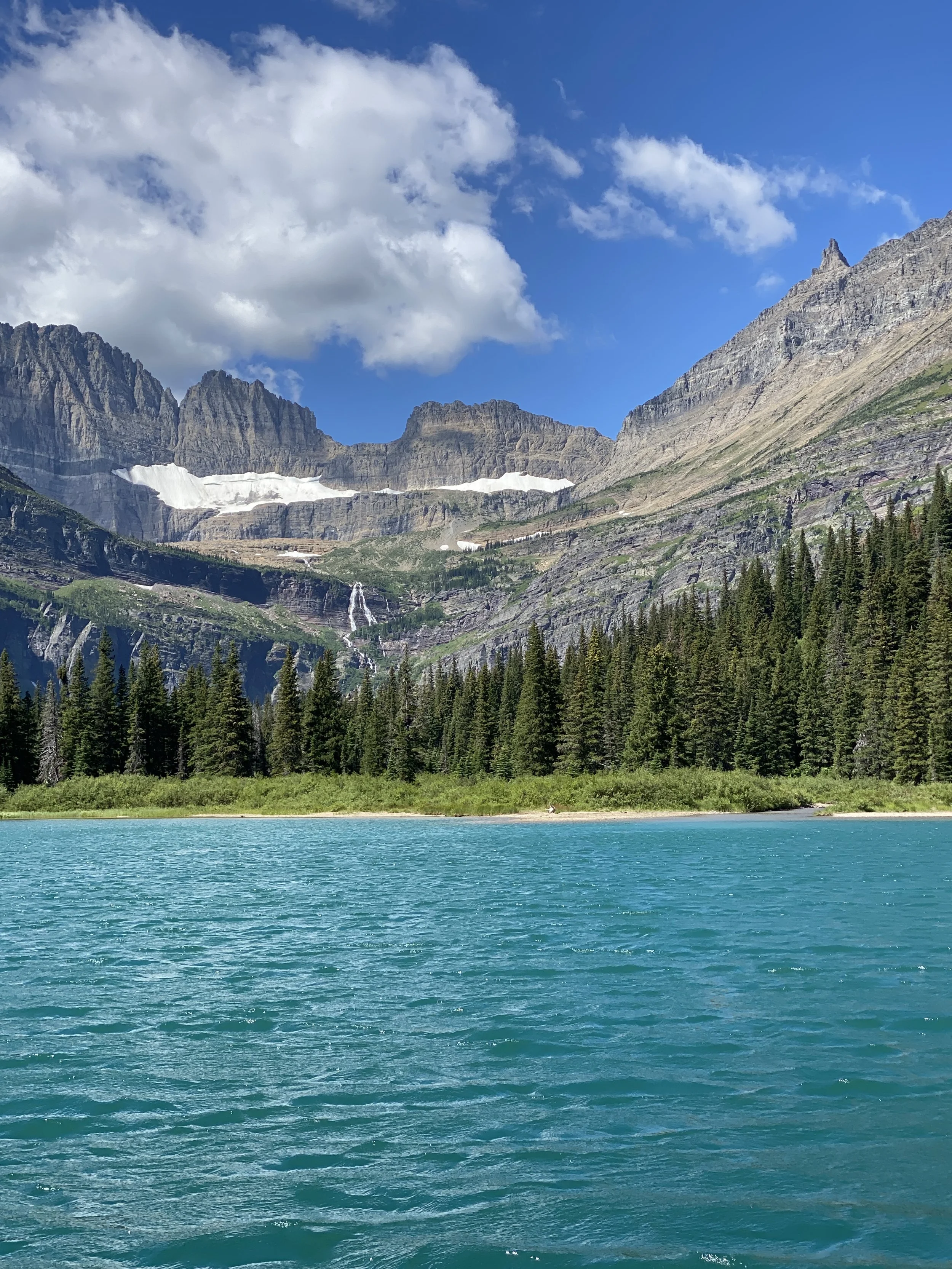
Logan Pass - The highest point in the road where you can capture stunning alpine scenery and often spot wildlife. Pro Tips: Go early as parking fills up fast. Take the short hike to Hidden Lake Overlook for an iconic Glacier photo.
St. Mary Lake - Incredible sweeping lake views against a mountain backdrop, espeically pretty in the morning light.
Wild Goose Island - Best iconic postcard shot in Glacier especially at sunrise. 📍 St. Mary Lake.
Practical Tips for Visiting Glacier National Park
Check access rules before your trip
Access rules at Glacier can change from year to year. In 2026, Glacier National Park says vehicle reservations are not required for Going-to-the-Sun Road, Many Glacier, Two Medicine, or North Fork, although temporary traffic restrictions may still happen if areas become too congested. The park is instead piloting a ticketed shuttle system and limited timed parking at Logan Pass. Always check the official National Park Service website before your trip for the latest updates.
Entrance passes
You still need a standard park entrance pass to visit Glacier National Park. Passes can be purchased at the entrance or in advance via Recreation.gov. Current NPS-linked Recreation.gov information lists the entrance fee as $35 per vehicle for 7 days, with other rates for motorcycles, hikers, and cyclists.You can reserve your access via the official website:
👉 recreation.gov
Best time to drive Going-to-the-Sun Road
The full alpine section of Going-to-the-Sun Road usually opens no earlier than late June, depending on snowfall and plowing progress. Lower portions remain open longer, but if you want to drive the full road, summer is the key season. Always check current road status before your trip.
Start early (or go late)
Logan Pass parking fills up quickly in summer. Early morning and later afternoon are the best times to avoid the biggest crowds and have a better chance of finding parking.
Best times to drive Sun Road
Before 8 AM
After 4 PM
Use the Glacier Shuttle
The Glacier shuttle remains one of the best options if you don’t want to deal with parking stress or if Logan Pass fills up. NPS notes that reservations are not required to use the park shuttle.
Dress in layers
Even in summer, conditions can shift quickly. Logan Pass can be cold and windy, especially early and late in the day..
Bear safety
If you’re hiking, carry bear spray, make noise on the trail, and stay especially alert in less crowded areas like Two Medicine. Glacier is both black bear and grizzly bear country.
Vehicle size limits
If you are driving a larger vehicle, note that parts of Going-to-the-Sun Road have strict size restrictions. Recreation.gov notes that vehicles longer than 21 feet or wider than 8 feet including mirrors are prohibited on certain sections.
👉 For more tips, get my guide on Tips for Visiting U.S. National Parks.
Why The Sun Road Should be on Your Bucket List
What makes Glacier National Park so special is the balance between accessibility and raw wilderness.
The Going-to-the-Sun Road allows you to:
Experience dramatic landscapes without long hikes
Encounter wildlife in its natural habitat
Discover multiple ecosystems in one day
It’s one of those rare places where the journey is just as powerful as the destination.
FAQs
Frequently Asked Questions about Glacier National Park & Going-to-the-Sun Road
How long does it take to drive the Going-to-the-Sun Road?
Without stops, the drive takes about two hours. Realistically, though, you should allow at least half a day if you want time for viewpoints, short walks, and photos.
Is Glacier National Park worth visiting if you are not a big hiker?
Yes, absolutely. One of the best things about Glacier is that you can experience so much of its beauty directly from the road, with only short walks required for many of the best viewpoints.
What is the best side of the park to visit?
Both sides are worth seeing. The west side around Lake McDonald feels lush and forested, while the east side around St. Mary feels more open, dramatic, and windswept. If possible, drive the full road to experience both.
What wildlife can you realistically see in Glacier?
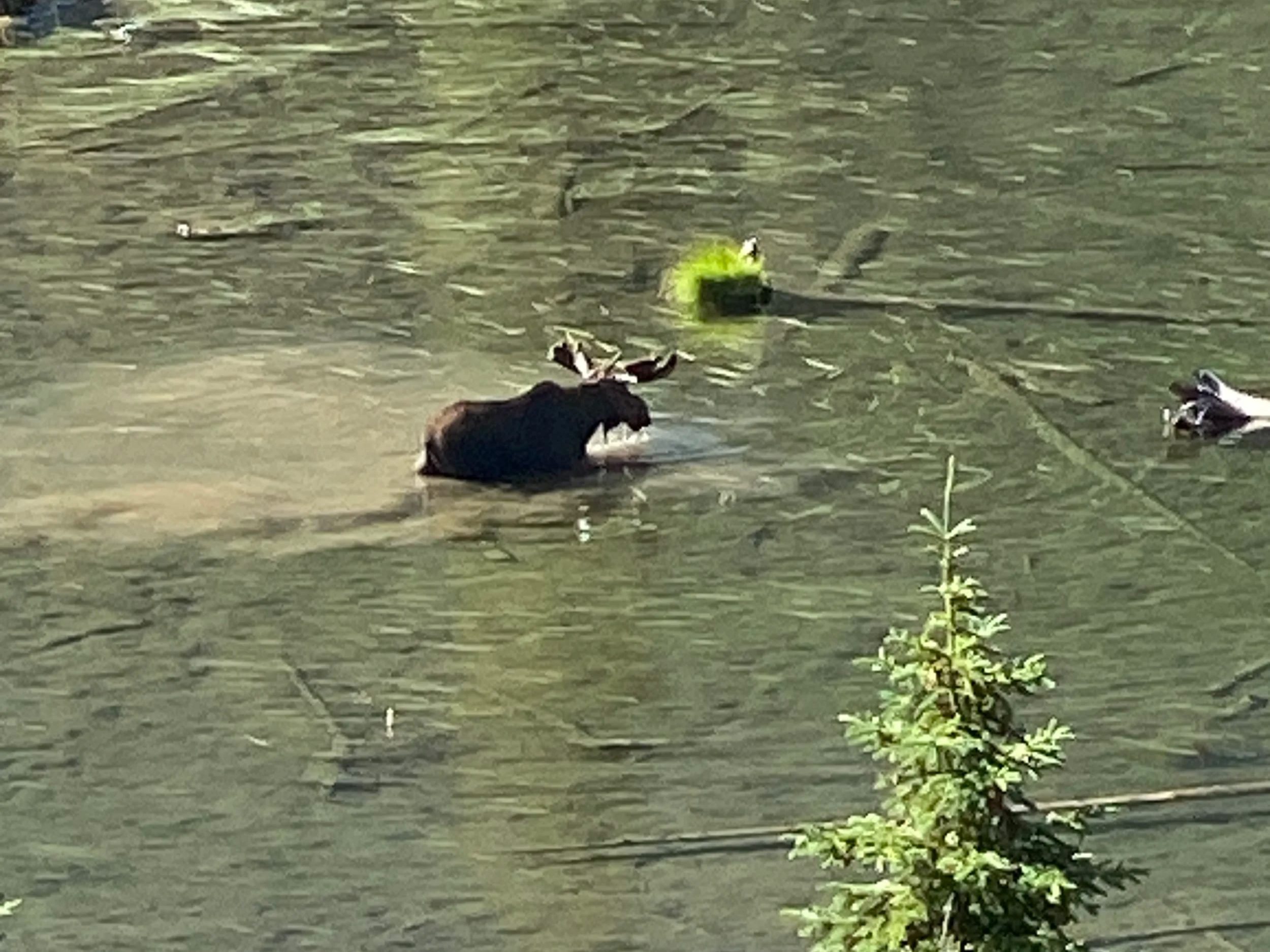
Mountain goats, bighorn sheep, deer, moose, black bears, and grizzly bears are all possible. Logan Pass is excellent for mountain goats, while areas like Two Medicine can be especially memorable for moose sightings.
What are the best short hikes off the Going-to-the-Sun Road?
Hidden Lake Overlook and Avalanche Lake are two of the best options if you want rewarding scenery without committing to a full-day hike.
Is Two Medicine worth adding if you’re already driving Going-to-the-Sun Road?
Yes. Two Medicine feels quieter and less developed than the main corridor, and it offers a more peaceful, wild side of Glacier that many visitors miss.
Final Thoughts
Driving the Going-to-the-Sun Road is more than just a scenic drive: it’s an unforgettable introduction to Glacier National Park.
From alpine views to unexpected wildlife encounters, like standing eye to eye with moose in the wild, this is a place that leaves a lasting impression.
And once you’ve driven it… you’ll understand why Glacier stays with you long after you leave.
About the Author Inge Picket

Inge Pincket is a passionate traveler and the proud publisher of Destination Explorer Magazine. Based in Belgium, she has explored over 55 countries worldwide, always in search of authentic experiences and unique destinations. Through her blog and magazine, she inspires others to travel beyond the obvious, combining affordable luxury with meaningful, local encounters.
More U.S. National Park Guides
Where Oceans Meet - Complete Travel Guide to Dry Tortugas National Park