
Tips for Visiting U.S. National Parks
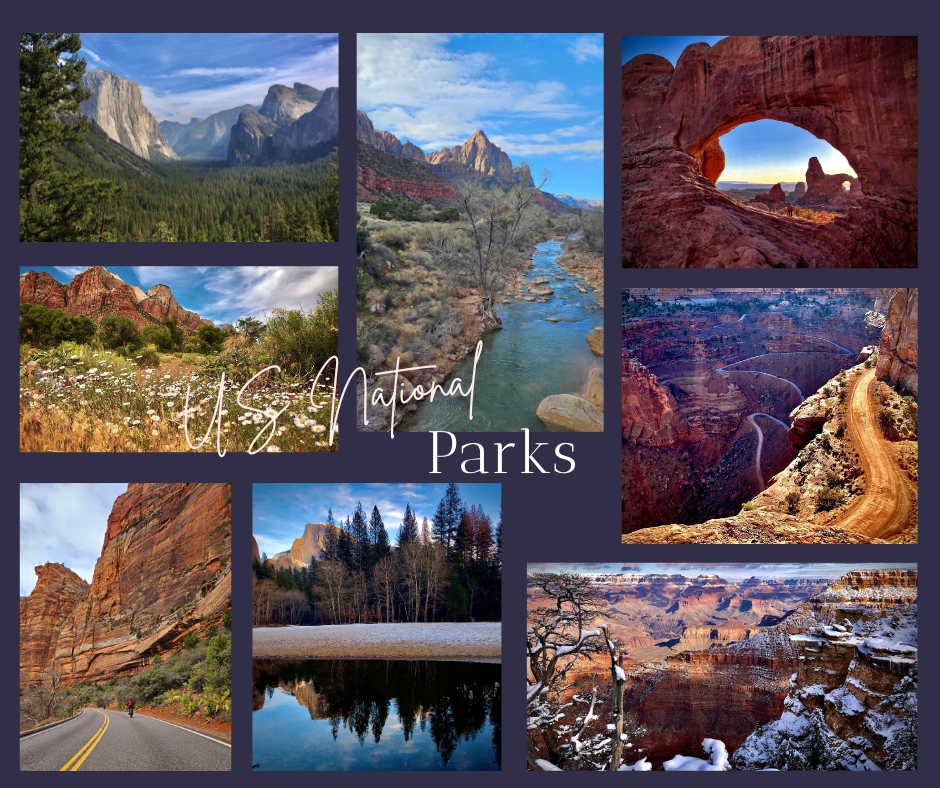
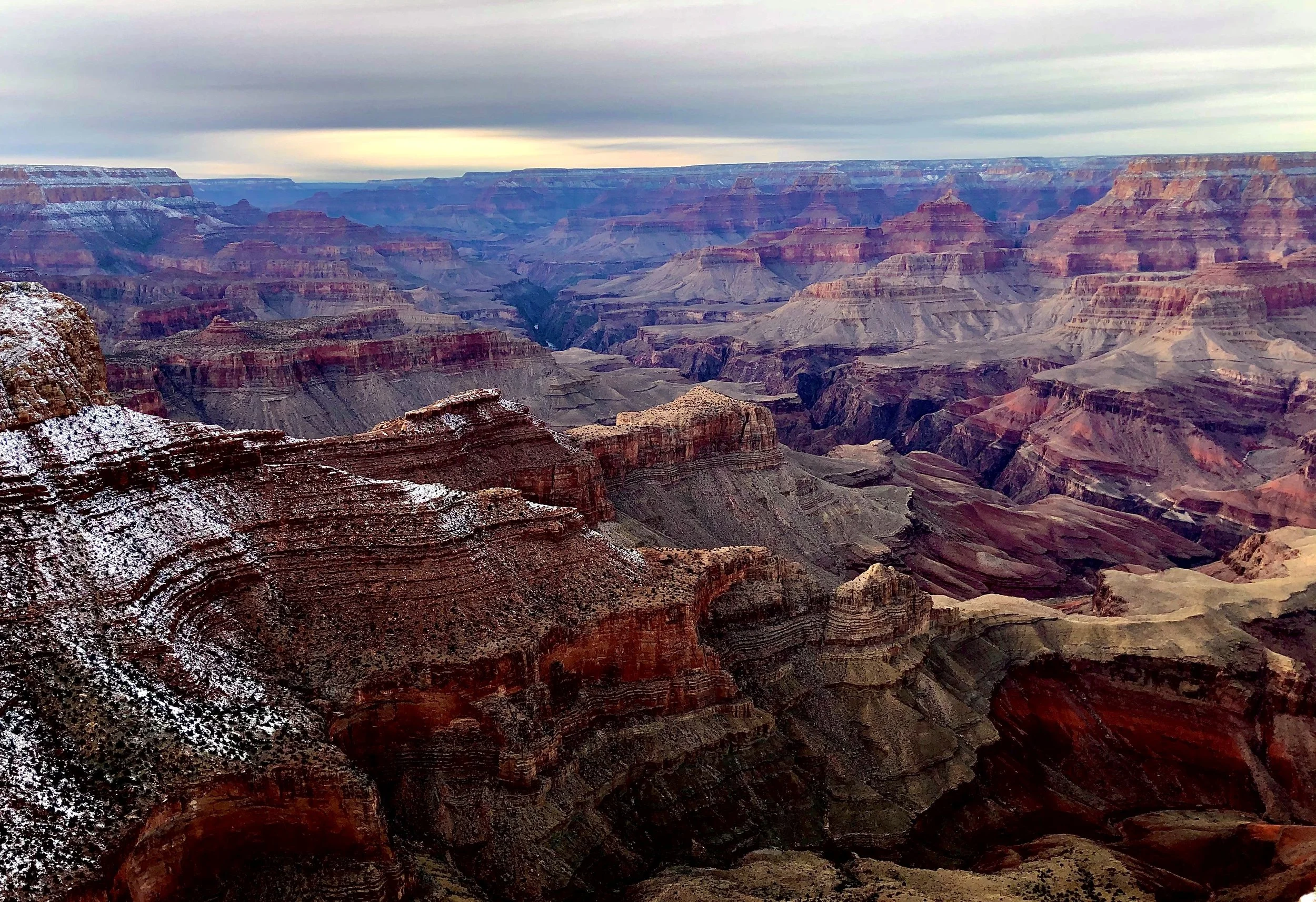
Thinking about exploring the incredible national parks in the United States? From towering waterfalls and dramatic canyons to serene forests and rugged desert landscapes, U.S. national parks offer unforgettable outdoor adventures.
Of the 433 national park sites covering an astonishing 85 million acres of land, 63 are protected areas are designated National Parks - some of the most beautiful, pristine lands the country has to offer.
When visiting, planning ahead can make the difference between a memorable trip and unnecessary stress. In this guide, I share my practical tips for visiting U.S. national parks, including planning advice, passes and permits, fee free days, camping tips, and ways to make the most of your experience
National Park Tips at a Glance
📍 Applies To: All U.S. National Parks
🎟️ Best For: First-time visitors
🥾 Covers: Planning, safety, wildlife, park passes, reservations, Leave No Trace, and packing
💵 Money Saver: America the Beautiful Pass
⭐ Perfect For: Families, road trippers, hikers, photographers, and national park lovers
Table of Contents
👉 Before your next adventure, explore the gear I personally use and trust in my Backpacking Essentials and Hiking Essentials lists.
❤️ Why You'll Love This Guide
Visiting a national park is one of the best ways to experience America's incredible landscapes, but a little planning can make the difference between a good trip and an unforgettable one. These are the tips I wish I'd known before visiting my first national park, gathered from years of exploring parks across the country. Hope they help you plan the best trip possible!
A Brief History of Our National Parks
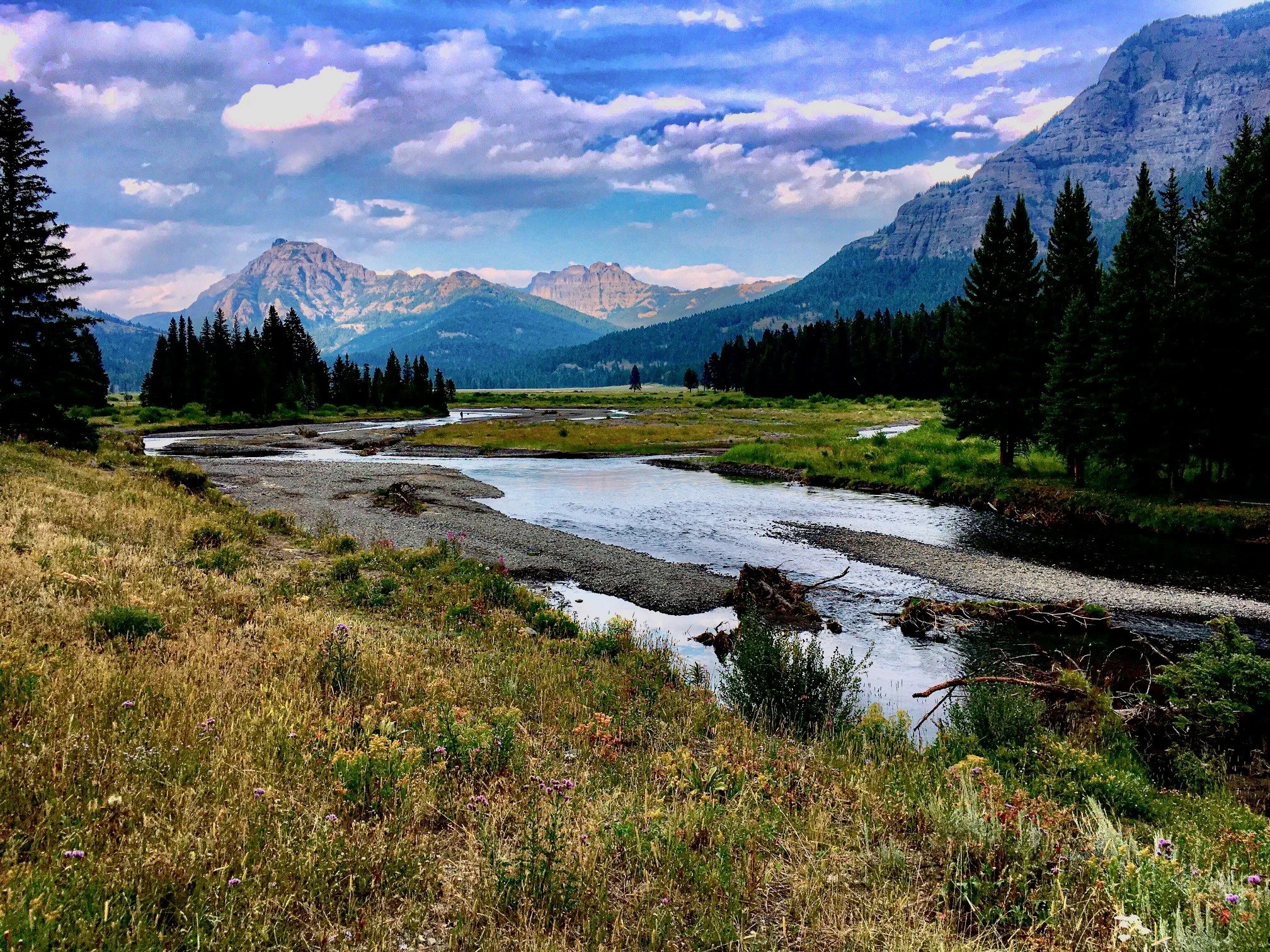
In 1872, Yellowstone National Park was established and placed under the control of the Secretary of the Interior.
Not only was this the beginning of what later became the US National Park system, it sparked a worldwide movement of setting aside nature preserves.
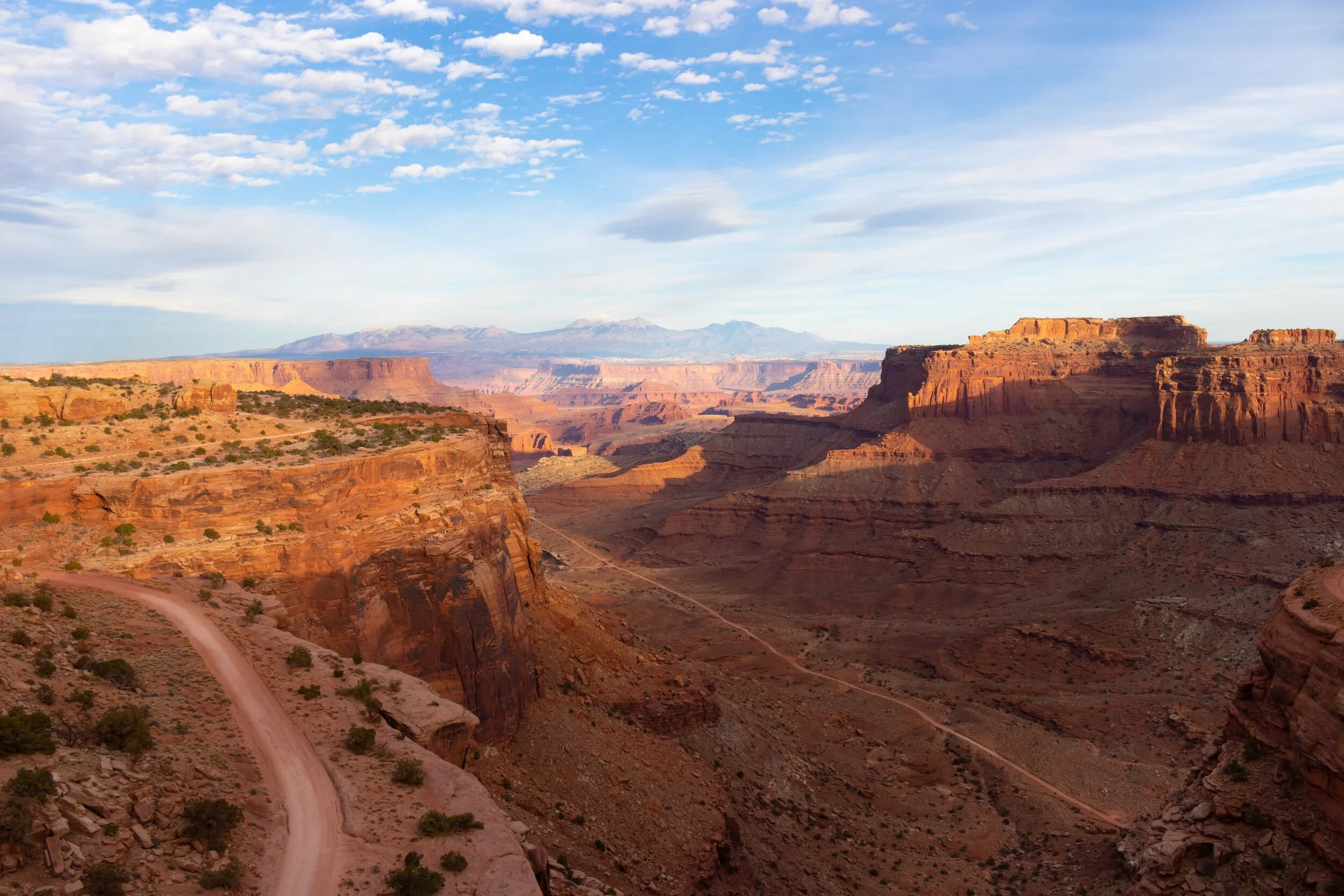
Over the years, other lands were set aside controlled by various US agencies until President Woodrow Wilson signed an act creating the National Park Service on August 25, 1916.
Today, the National Park Service is dedicated to the incredibly important task of conserving the resources of the National Park System for the enjoyment, education and inspiration of us all and for future generations to come.
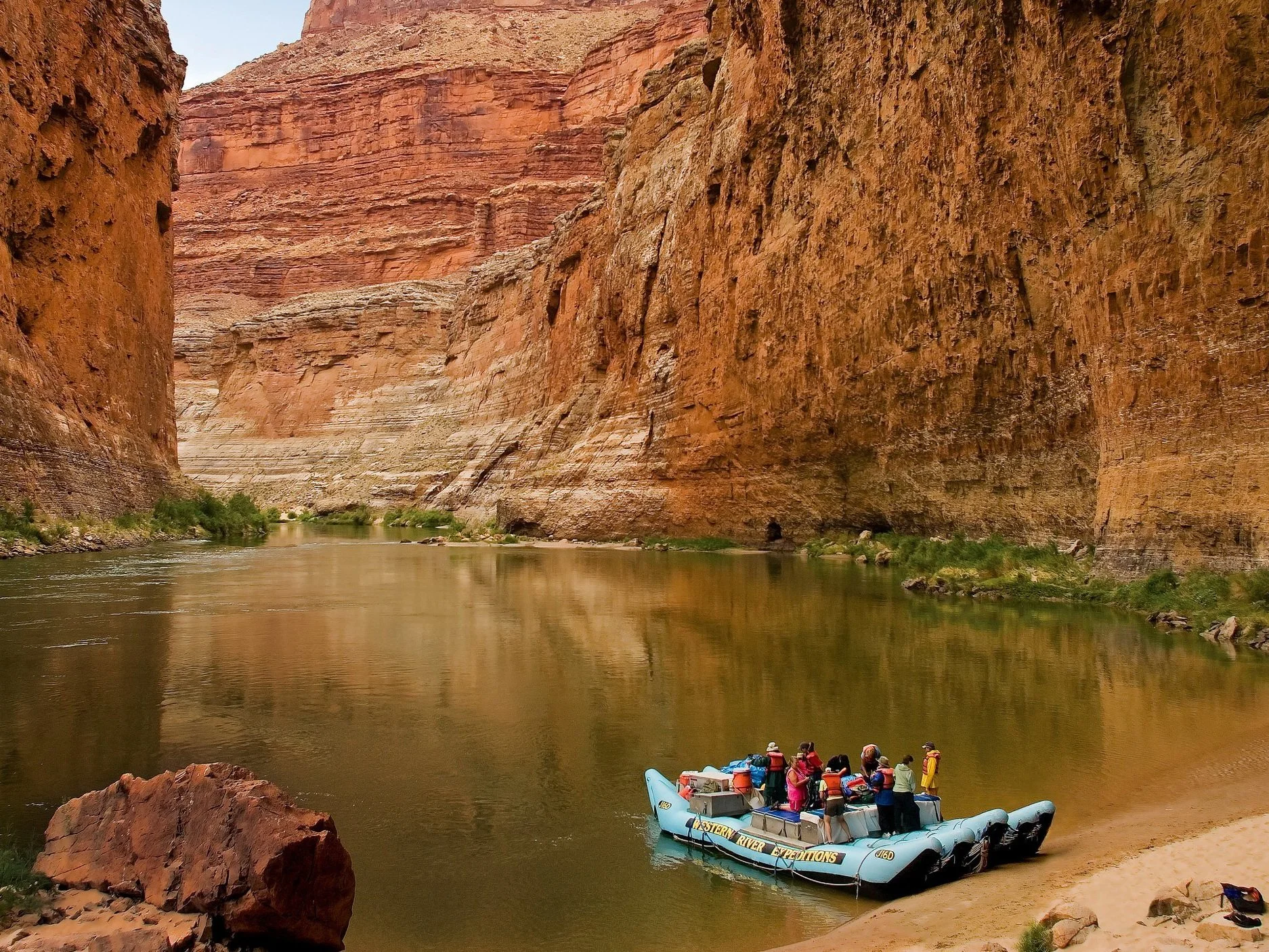
Our National Parks belong to all of us and it is everyone’s duty to protect our history, culture and landscapes. Below are some tips for visiting them.
Tips for Visting National Parks
🚗 Before You Go: Quick National Park Checklist
Before you hit the road, take a minute to run through these essential tips. You'll find more detailed advice throughout this guide, but this checklist will help ensure you're prepared before you ever leave home.
🗺️ Download offline maps before arriving.
🎟️ Check whether the park requires timed-entry reservations or permits.
⏰ Start early for easier parking and fewer crowds.
🧥 Bring layers for changing weather conditions.
💧 Carry more water than you think you'll need.
🥾 Know your turnaround time before starting a hike.
📵 Expect little or no cell service in many parks.
Which National Parks Require Day-Use Permits
Due to increasing visitation, several national parks now require timed-entry reservations, day-use permits, or advance reservations during certain times of the year. Requirements vary by park and season and can change from year to year.

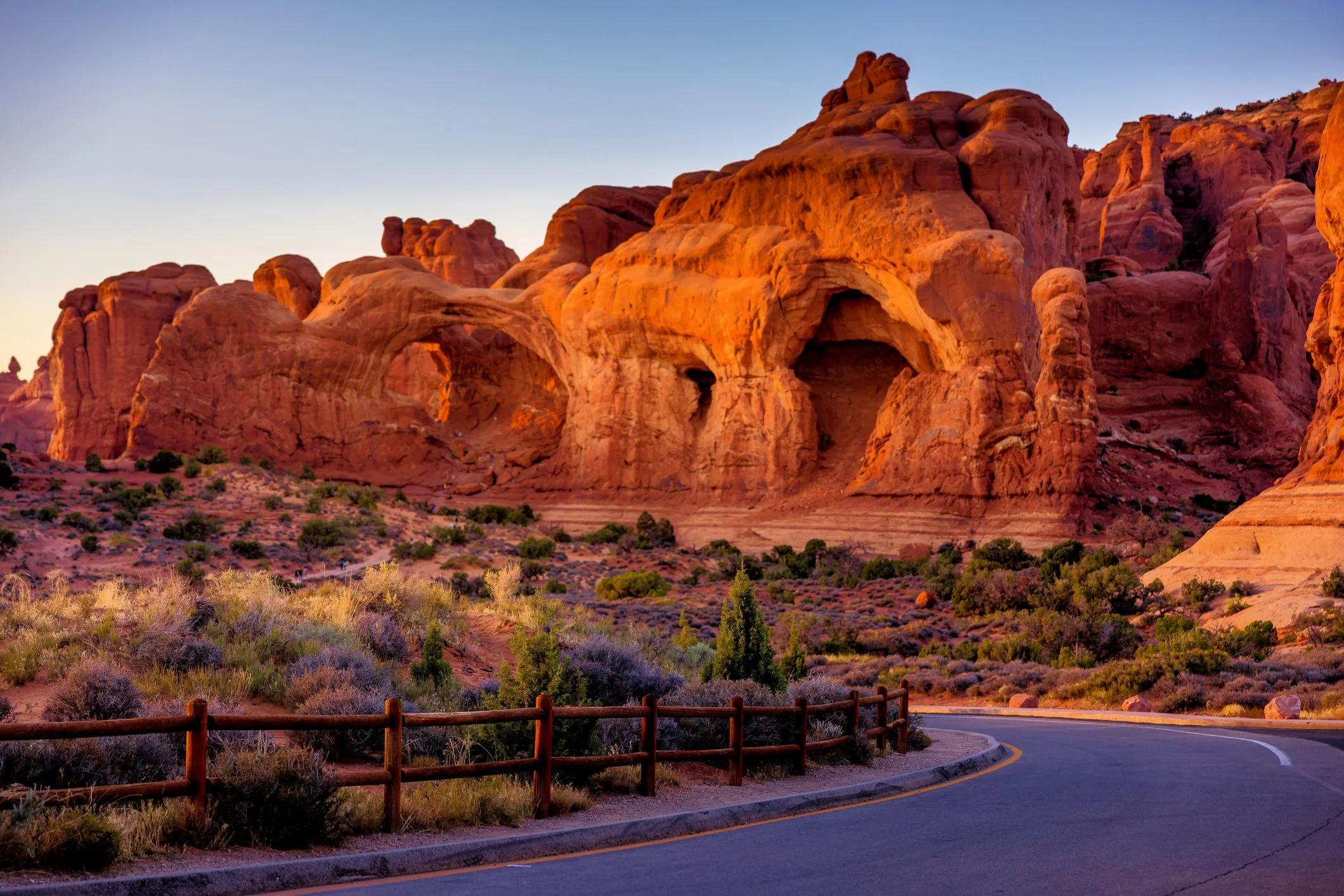
Popular parks such as Glacier National Park, Yosemite National Park, Rocky Mountain National Park, and Arches National Park have all implemented reservation systems at various times to help manage crowds and protect park resources.
👉 Before you leave, always check the National Park Service website for park updates for your destination to confirm current reservation requirements, road conditions, trail closures, and other important updates.
National Park Passes & Fee Free Days
Annual Passes

If you plan on visiting more than just one national park in a year, consider purchasing an annual pass.
The America the Beautiful Annual National Park Pass allows you access to over 2,000 federal recreation sites including free entrance to our national parks. Annual passes currently cost $80 for U.S. residents and $250 for non-residents. This allows your vehicle and all of its occupants free entrance to the park.
👉 Did you know 4th graders can get a free annual pass to all our national lands including National Parks? Find out how.
Visit on Fee Free Days
National parks across the country have several fee free days where all park entrance fees are waived. Those special dates each year typically include the following:
Martin Luther King, Jr. Day (3rd Monday of January)
National Park Week (usually in April)
First Anniversary of the Great American Outdoors Act (August 4)
National Park Service Birthday (August 25)
National Publics Lands Day (September 25)
Veterans Day (November 11 in honor of the “eleventh hour of the eleventh day of the eleventh month” in 1918 which signaled the end of WWI - Armistice Day)
Things to Consider When Planning a National Park Trip
Download Offline Maps or the NPS App
Before you leave, either download offline maps of the park you'll be visiting or install the free National Park Service (NPS) app and save the park for offline use.
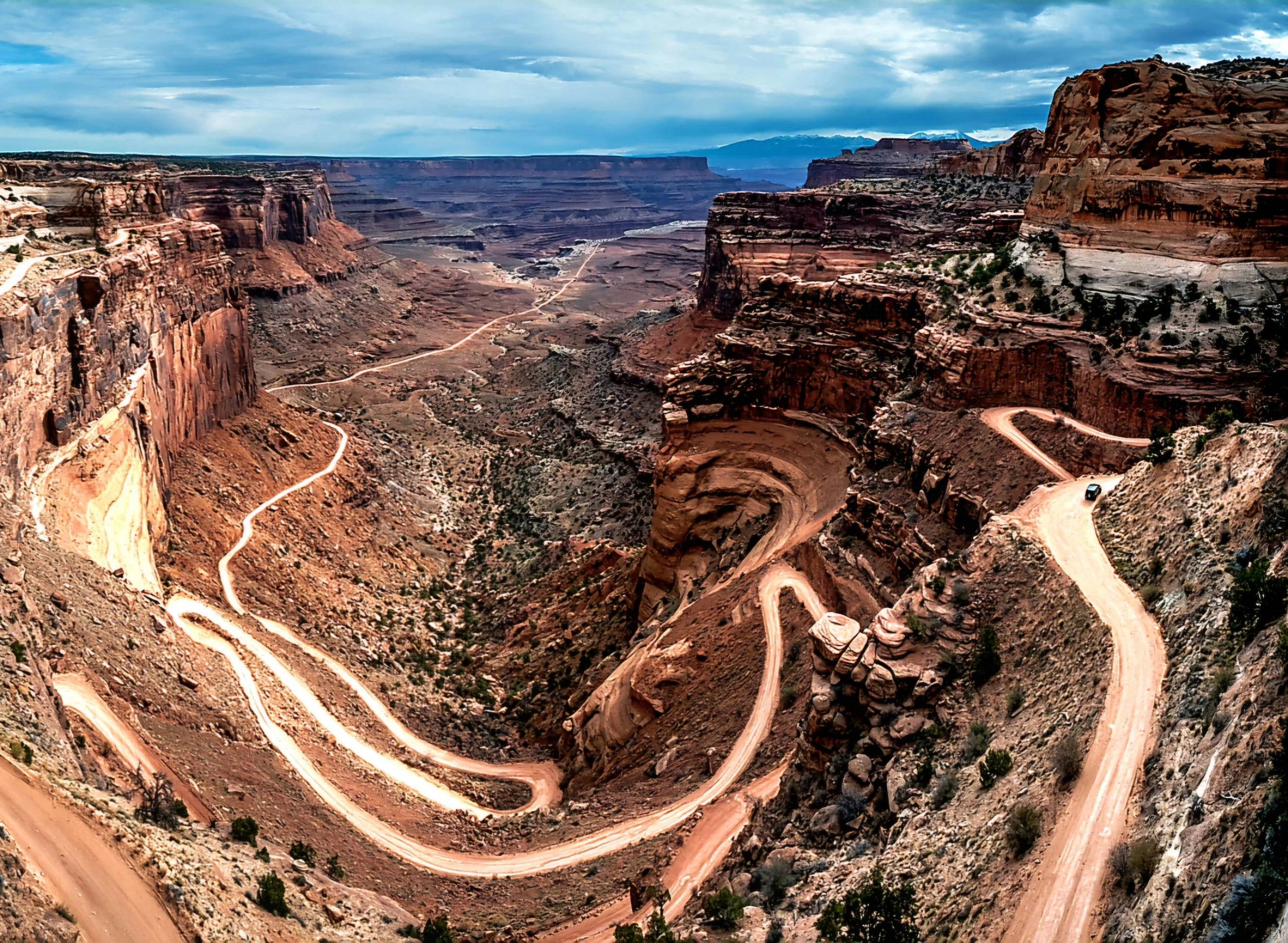
Most national parks have limited or no cell service, so having access to maps, hiking trails, and important visitor information before you arrive can save you time, frustration, and even keep you safe.
Book Your Campsite Early
If you're planning to camp, don't wait. Many national park campgrounds sell out months in advance, especially during summer and fall. Reserve your campsite as early as possible, and consider booking nearby lodging well in advance if camping isn't available.
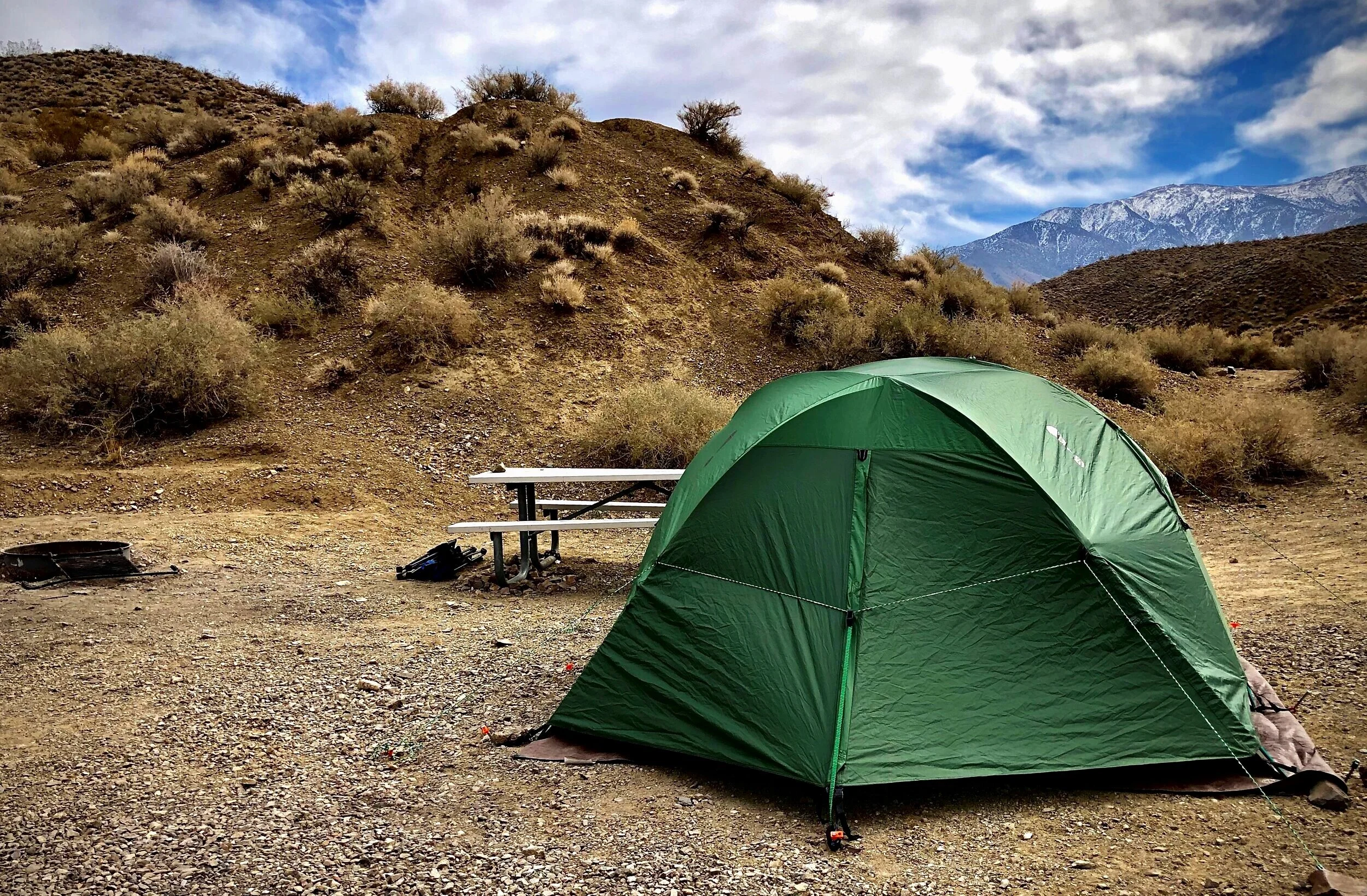
✨ Pro Tip: When booking, you can find most national park campsite reservations on either Reserve America or Recreation.gov. Note many campgrounds are now reservation only and no longer offer first come, first serve spots.

✨ Pro Tip: Don't give up if your preferred campground is full. Some national parks offer last-minute campground lotteries or release campsites when campers cancel or don't show up. I've been lucky enough to score campsites this way, although you may have to move sites if you're staying multiple nights. Check with the park or local ranger station to see if this option is available.
More Options: Look for nearby state parks, national forests, BLM land, or privately owned campgrounds. Many offer reservable sites, first-come, first-served camping, or primitive camping if the national park is full. While primitive campsites typically have few or no amenities, they often provide a quieter, more secluded experience.

Plan Your Visit Around Your Must-See Attractions
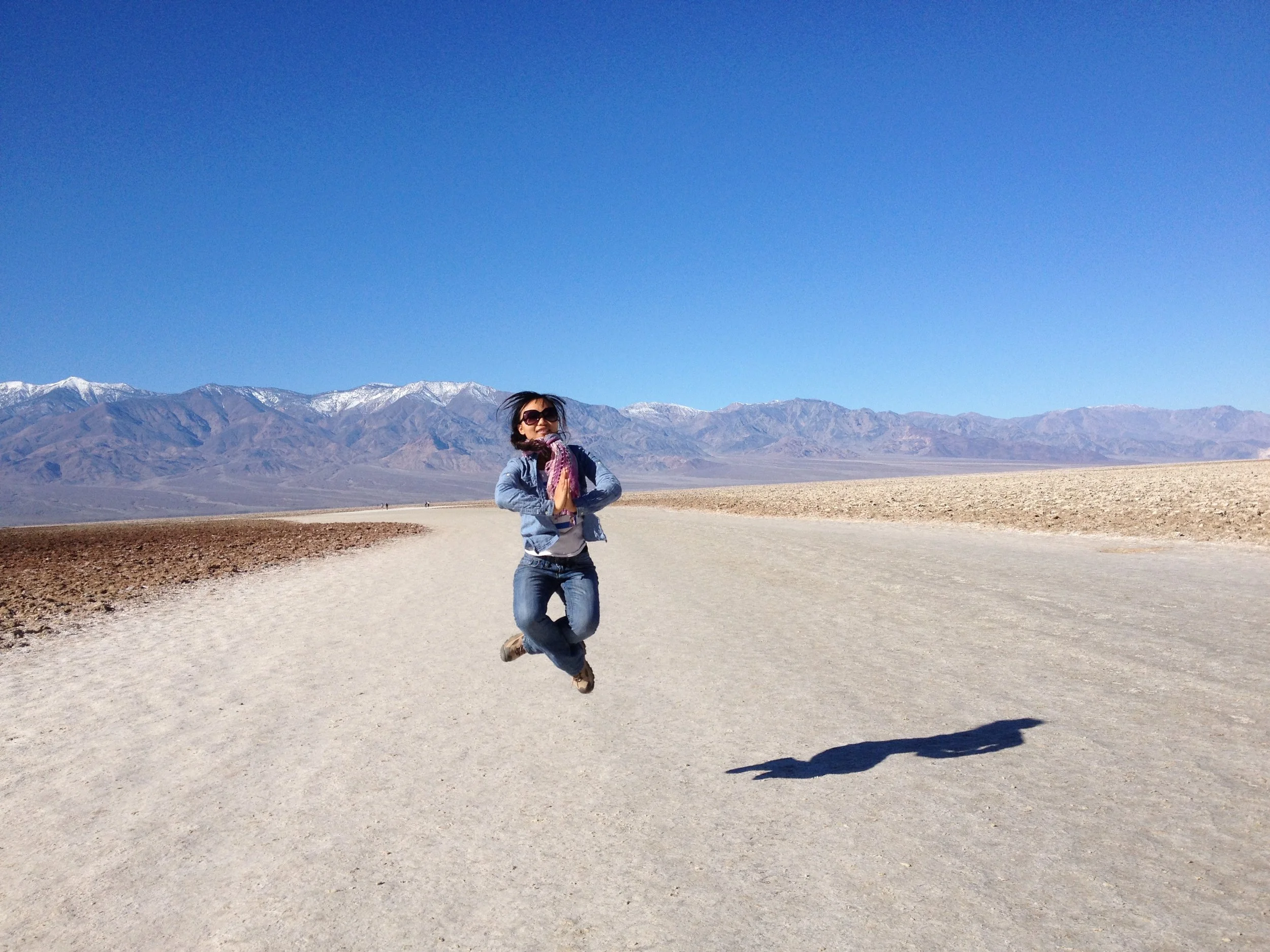
Some of our National Parks are massive covering thousands of square miles. For example, Death Valley National Park covers over 5,200 square miles (3.2 million acres). It is really important, especially when visiting the larger parks, to know ahead of time what your absolute must sees are and plan around them.
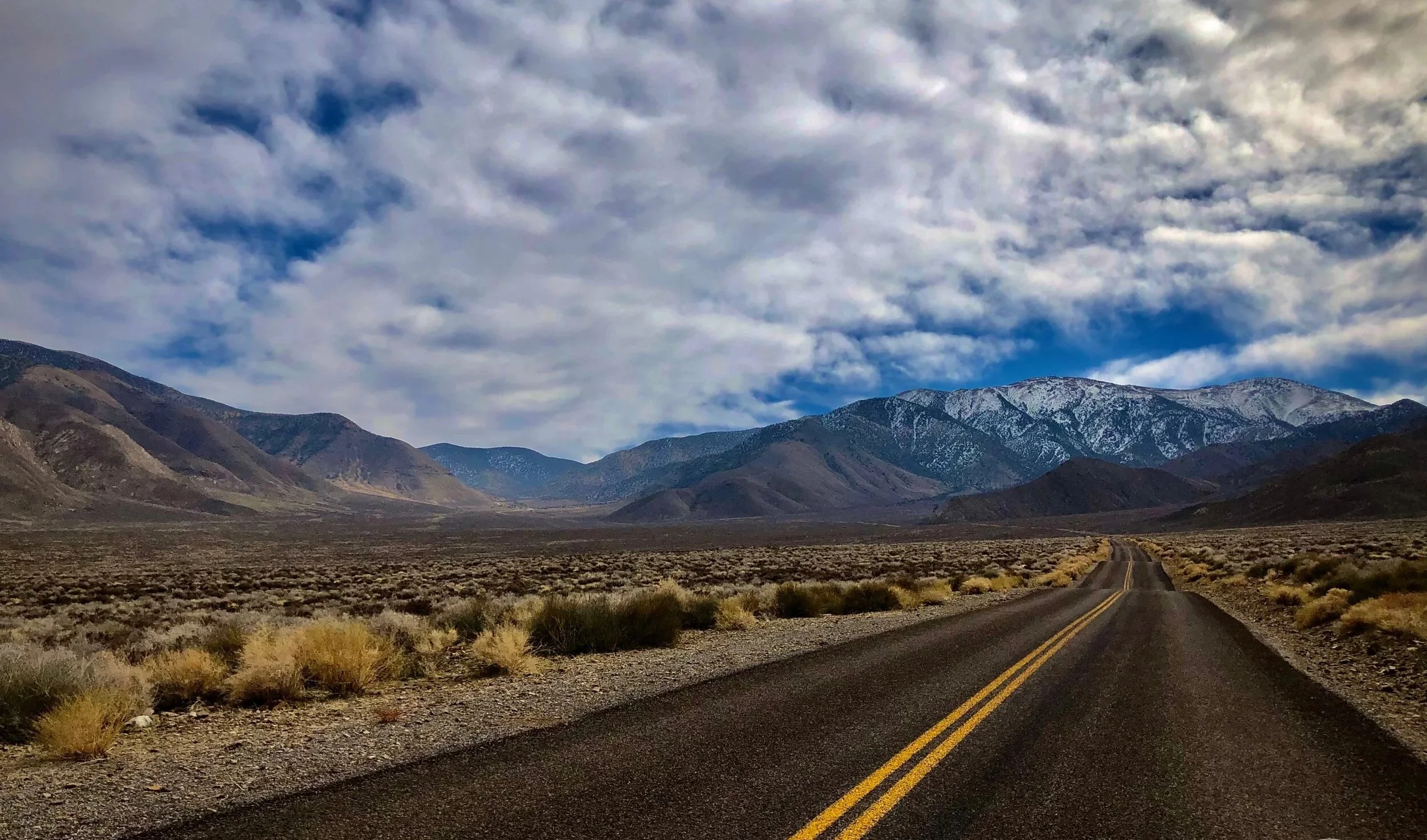
Be sure to stay in areas of the park that will allow you not to miss them. Otherwise, you may run out of time and be disappointed.
Pick Up the Official Visitor Guide
When you enter a national park, you'll usually receive a free Official Visitor Guide. Don't make the mistake of tossing it aside—it's one of the most valuable resources you'll have during your visit.
Each guide is tailored specifically to that park and season, featuring maps, major points of interest, hiking information, park history, wildlife, seasonal highlights, and important visitor resources. Many also include schedules for ranger-led programs, guided walks, and special events.
Keep your guide handy throughout your visit. In addition to helping you plan your day, it contains important safety information and emergency contacts—especially useful in parks where cell service is limited or unavailable.
Check The Weather & Seasonal Conditions
Always check the forecast before your trip and pack accordingly. It sounds simple, but it's one of the easiest things to overlook when you're excited to hit the road.
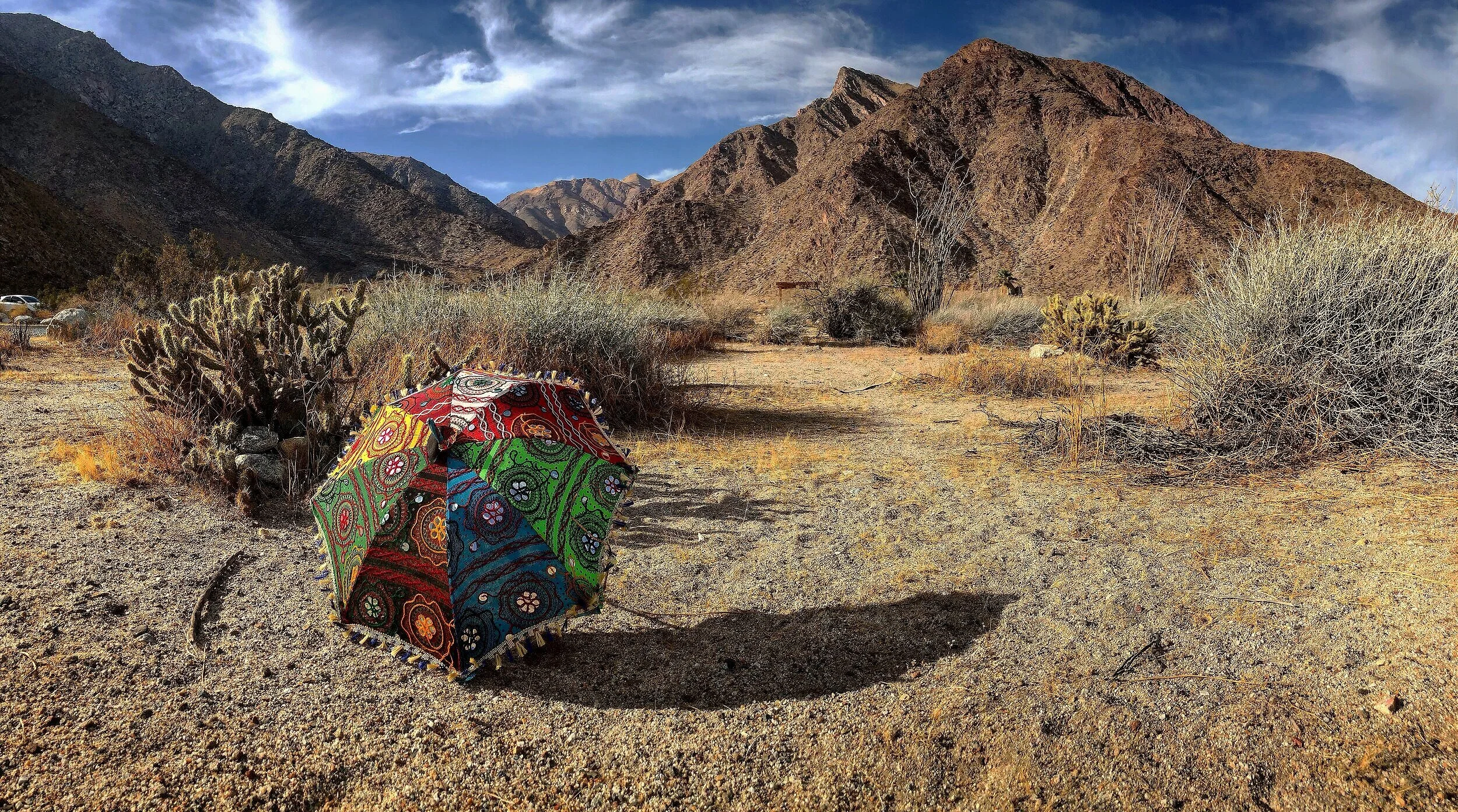
National park weather can change quickly, especially at higher elevations.
If rain is in the forecast, pack waterproof shoes and a rain jacket. If snow or icy conditions are possible, bring traction devices (such as microspikes) for your boots to help prevent slips and falls.
If you're camping, make sure your gear is rated for the conditions you'll encounter. Sleeping bags, tents, and other camping equipment are designed for different temperatures and weather conditions. Trust me—you'll be much happier spending a chilly night in the right sleeping bag than trying to stay warm in one that wasn't made for the job.
Sign Your Kids Up for the Junior Ranger Program
If you're traveling with kids, don't miss the National Park Service Junior Ranger Program. Available at most national parks, this free activity-based program gives children the opportunity to learn about the park while completing fun challenges to earn an official Junior Ranger badge, patch, certificate, or sticker.
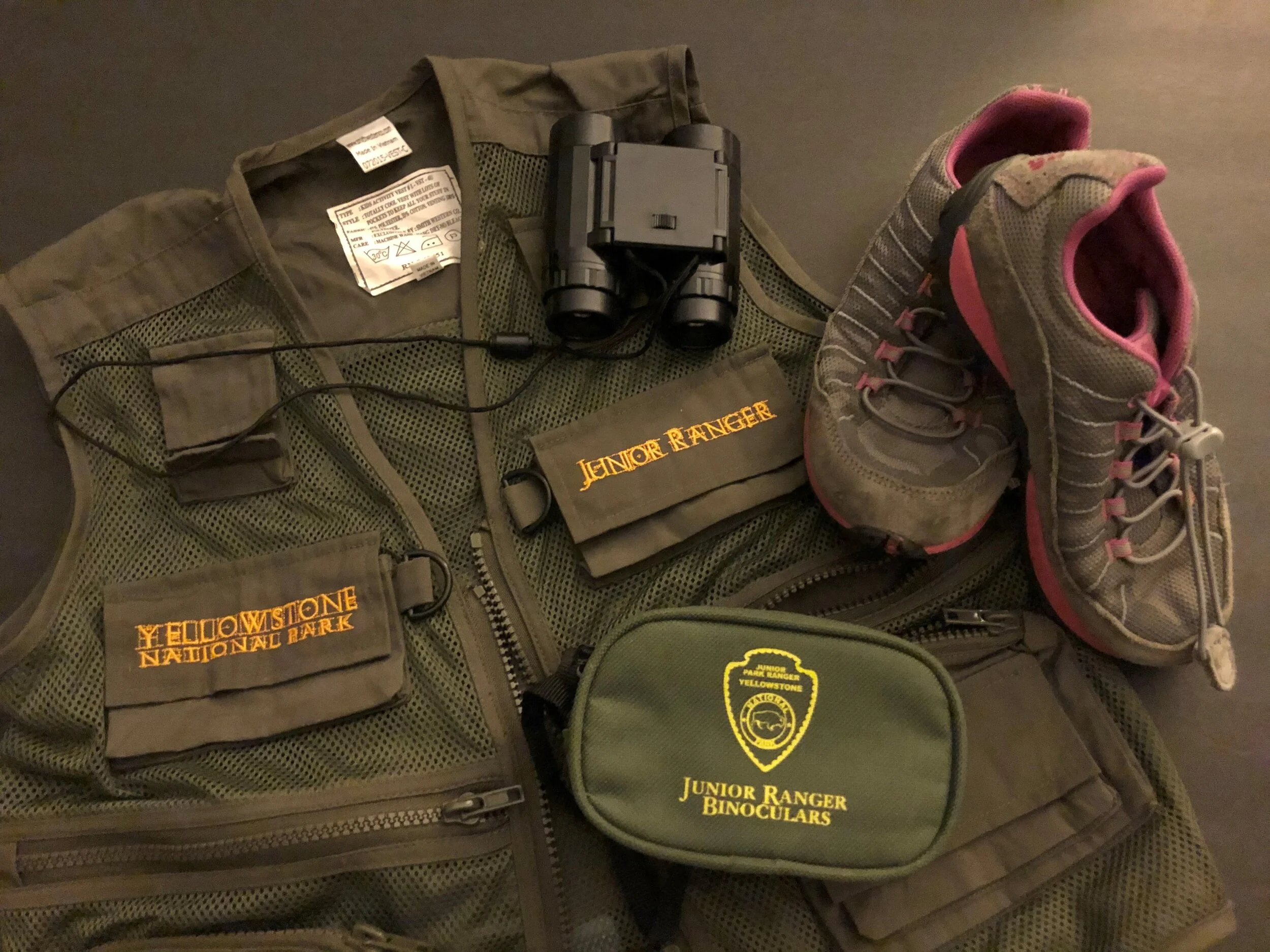
Designed primarily for ages 5 to 13, the program encourages young visitors to explore, protect, and appreciate our national parks.
After completing their activity booklet, kids take the official Junior Ranger Oath, promising to care for our parks and share what they've learned with others.
✨ Pro Tip: Even if your child is younger or older than the recommended age range, many parks are happy to let everyone participate. It's one of the best free souvenirs you can bring home from a national park.
Never Feed or Disturb Wildlife
No matter how cute they are, never feed wildlife. Human food is unhealthy for wild animals, can make them sick, and teaches them to associate people with food. Over time, animals lose their natural fear of humans, become aggressive, and are more likely to be injured or euthanized.
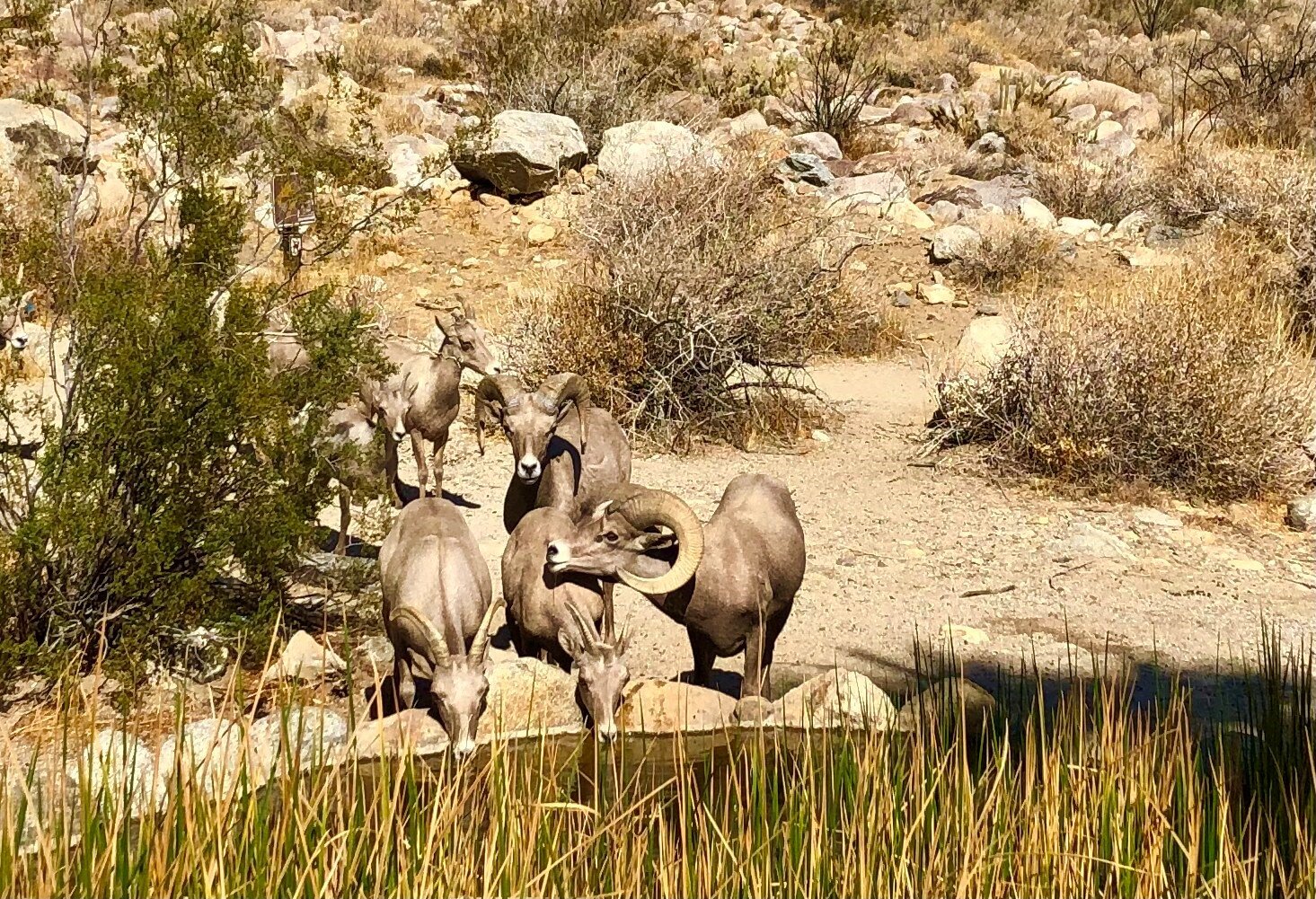
I've seen this firsthand at Zion National Park, where squirrels have become so accustomed to being fed that they'll boldly approach visitors and even snatch food right out of their hands. Those adorable little squirrels have incredibly sharp teeth, and a bite can be much more than just painful.
Always observe wildlife from a safe distance, never attempt to feed or approach animals, and keep a close eye on children and pets.
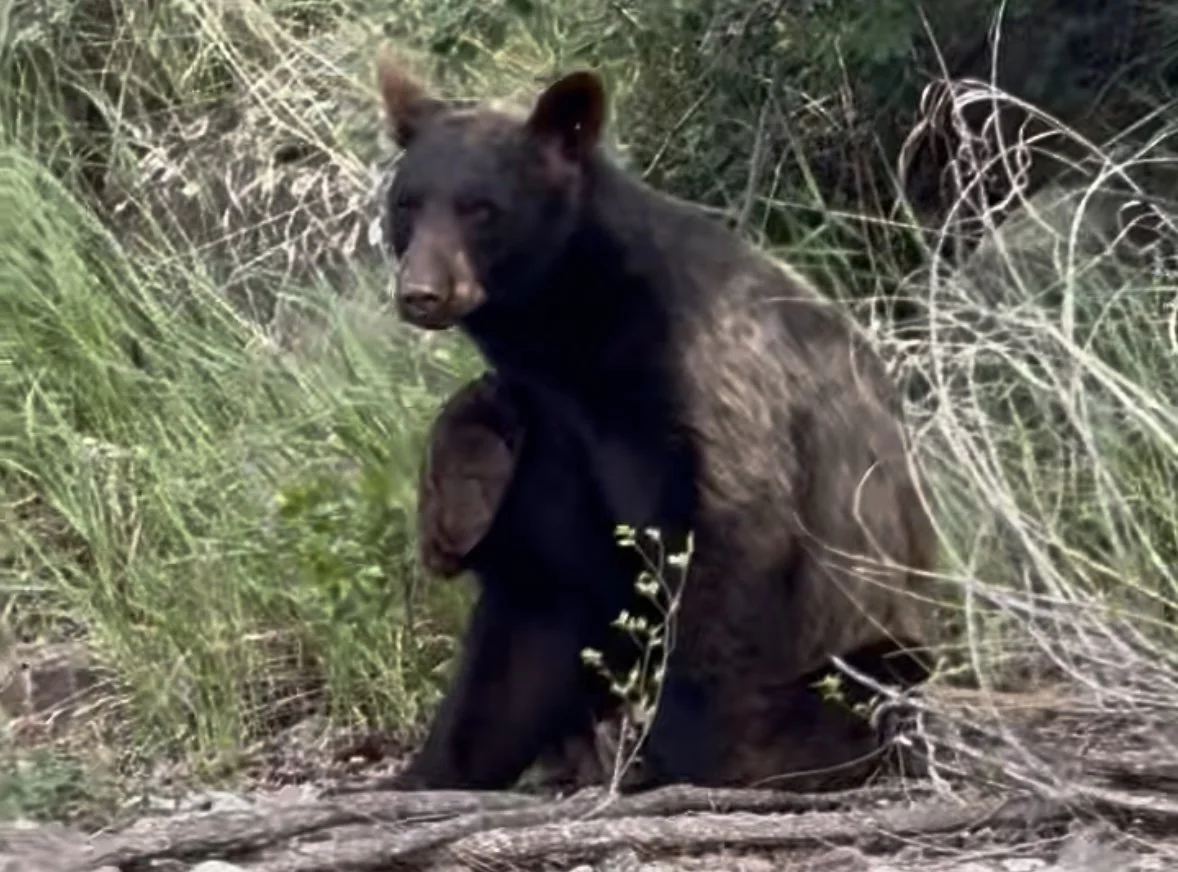
Practice Bear Safety
If you're visiting bear country, always store food, coolers, toiletries, and scented items in a bear-resistant locker or bear canister whenever required. Many national parks enforce these regulations and may issue citations for failing to comply.
When hiking, carry bear spray where recommended, make noise to avoid surprising bears, and never approach a bear or get between a mother and her cubs. If you encounter a bear, stay calm, give it plenty of space, and follow National Park Service guidance for the type of bear you're encountering.
Tips for Visiting That Help Protect Our Parks
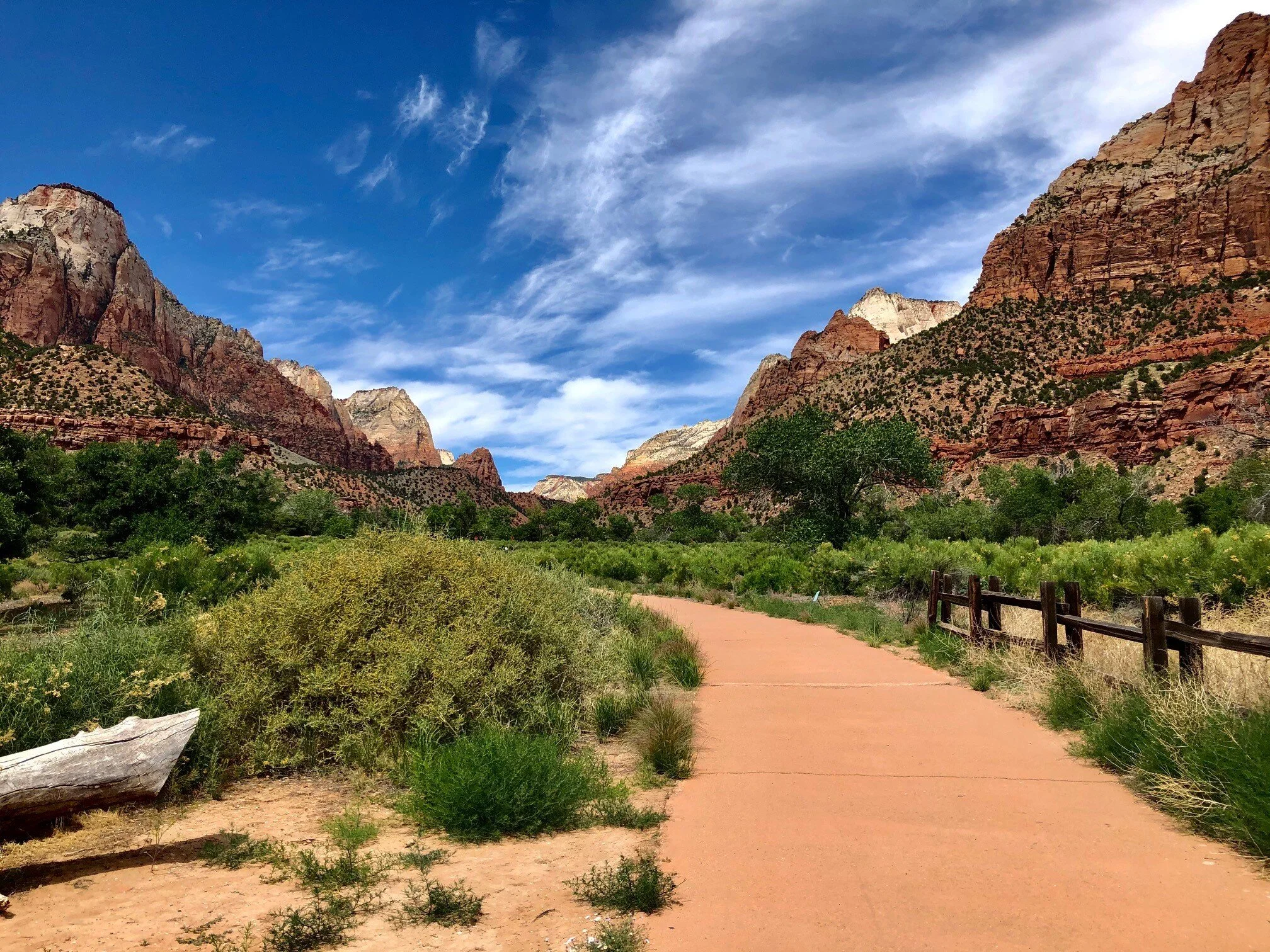
🥾 Stay on Designated Trails
Stay on marked trails whenever possible to help protect fragile ecosystems and reduce erosion. Shortcuts and unofficial trails may seem harmless, but over time they damage vegetation, compact soil, and contribute to long-term environmental impacts. Staying on the trail also helps keep you safe.
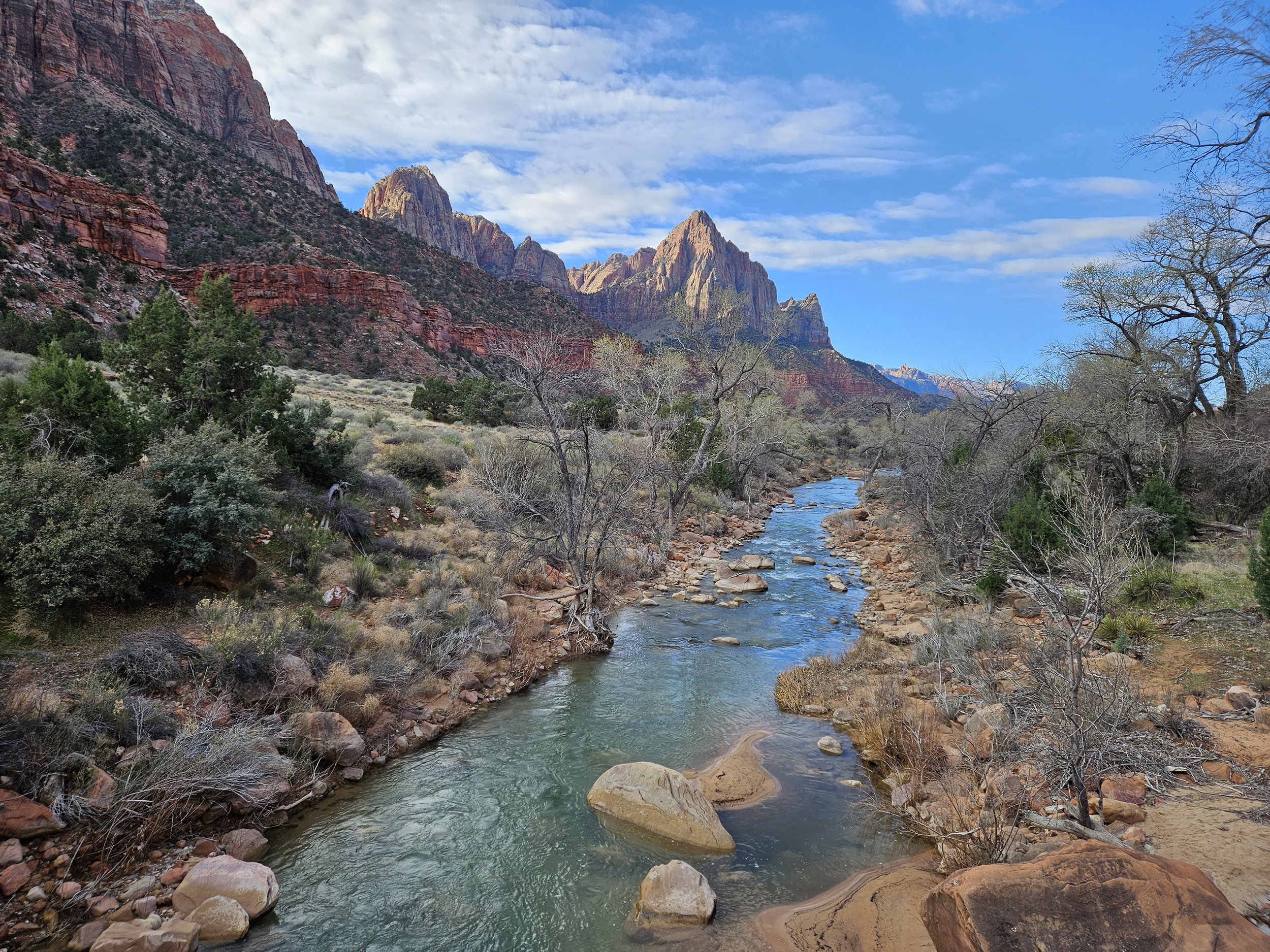
🌊 Choose Reef-Safe & Eco-Friendly Sunscreen
If you plan to swim, choose a reef-safe, eco-friendly sunscreen whenever possible. Some common sunscreen ingredients can harm aquatic ecosystems, including coral reefs and freshwater habitats. It's a simple switch that helps protect the places we're visiting.
🚿 Keep Soap Out of Natural Waterways
Never bathe, wash dishes, or use soap in lakes, rivers, streams, or creeks. Even biodegradable soaps can harm aquatic plants and wildlife. Instead, collect water in a container and wash at least 200 feet away from natural water sources whenever possible.
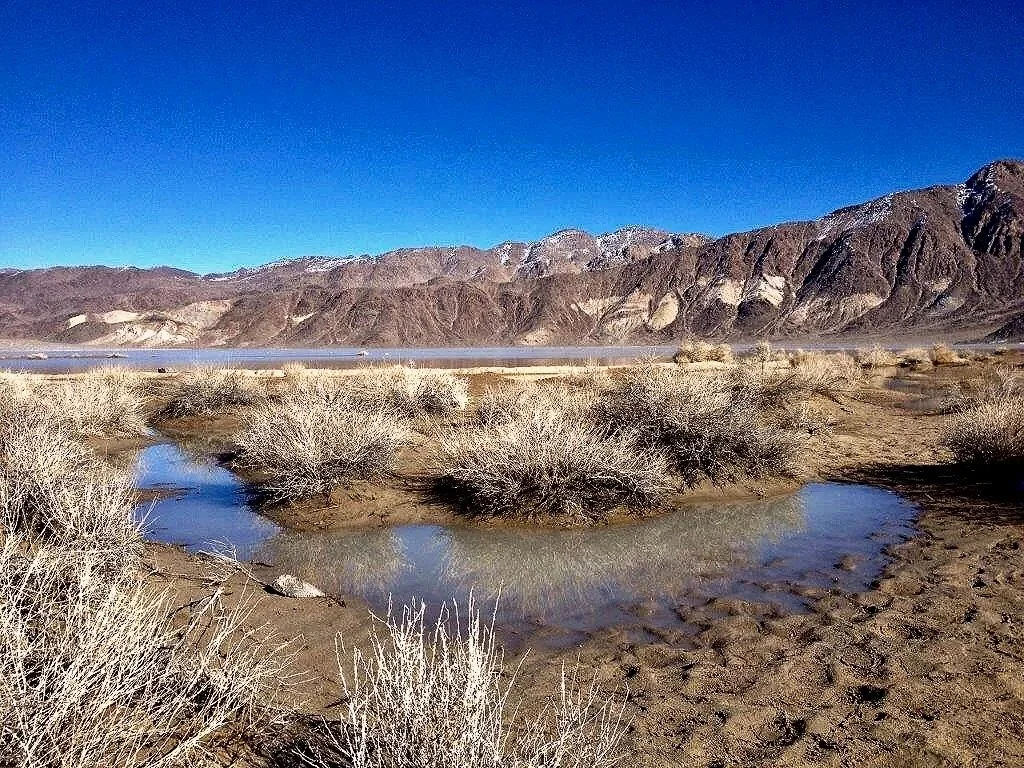
♻️ Practice Leave No Trace
One of the best ways to protect our national parks is to follow the Leave No Trace principles. Pack out everything you bring with you—including food scraps, trash, and toilet paper—and leave natural objects exactly as you found them. Please don't carve trees, stack rocks, paint boulders, or leave graffiti. Together, we can help preserve these incredible places for future generations.
❤️ Remember: Our national parks belong to all of us. A little extra care today helps ensure these incredible places remain beautiful for generations to come.
More National Park Travel Guides
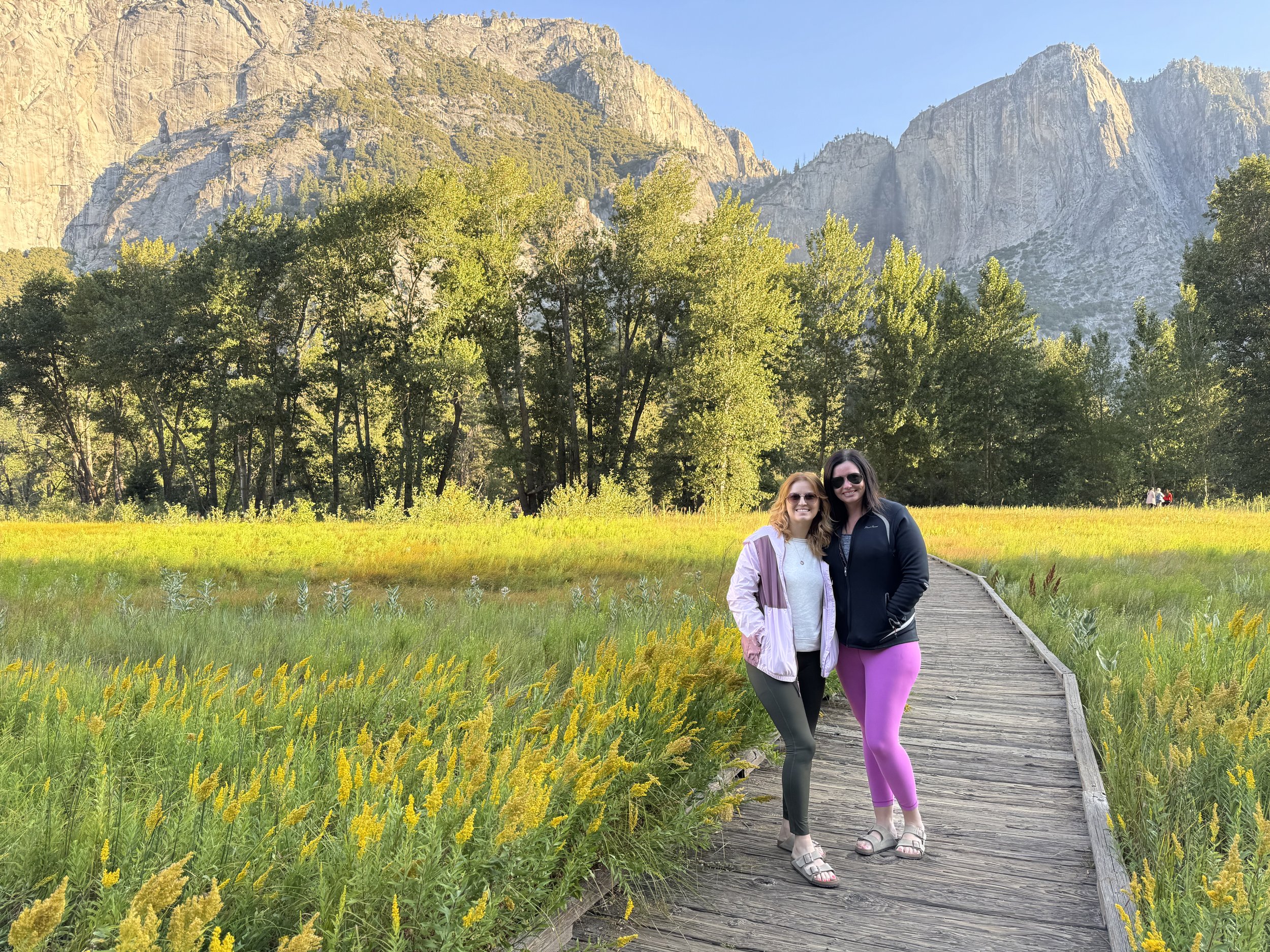
If you're planning to explore more of America's incredible national parks, here are a few guides that may help you plan your next adventure:
Zion National Park Guide – Discover the park's best hikes, scenic overlooks, travel tips, and interactive map.
Going-to-the-Sun Road Guide – Plan one of America's most scenic drives through Glacier National Park with my interactive map, overlooks, hiking trails, and photography tips.
Death Valley National Park Guide – Explore one of America's most fascinating parks full of extremes.
National Parks & More – Browse all of my national park guides, scenic drives, and outdoor adventures.