
Where Oceans Meet
Complete Guide to Dry Tortugas National Park

“Let me take you to Key West,” he said. My immediate thought was work is just too crazy, I have too many commitments. I came up with a dozen excuses in my head. “It will be fun, he said… think Ernest Hemingway House, the southern-most point of the U.S., turquoise waters, white sand beaches… oh look, even a national park… so what do you say, we can order cocktails on the sand at sunset, grab a bite to eat at Sloppy Joe’s and listen to the roosters crow as they strut down early morning empty streets. We’ll sip coffee down by the boat dock as boats rhythmically sway in the wind.”

I was lost in thought. Not responding. He paused, “are you even listening to me?” I smiled. “You had me at national park...”
Many people don’t realize that Dry Tortugas is a National Park or that it’s even in the U.S. Those that do, usually find the task of getting there to be too daunting to go. However, it’s easier than you think and absolutely worth going.
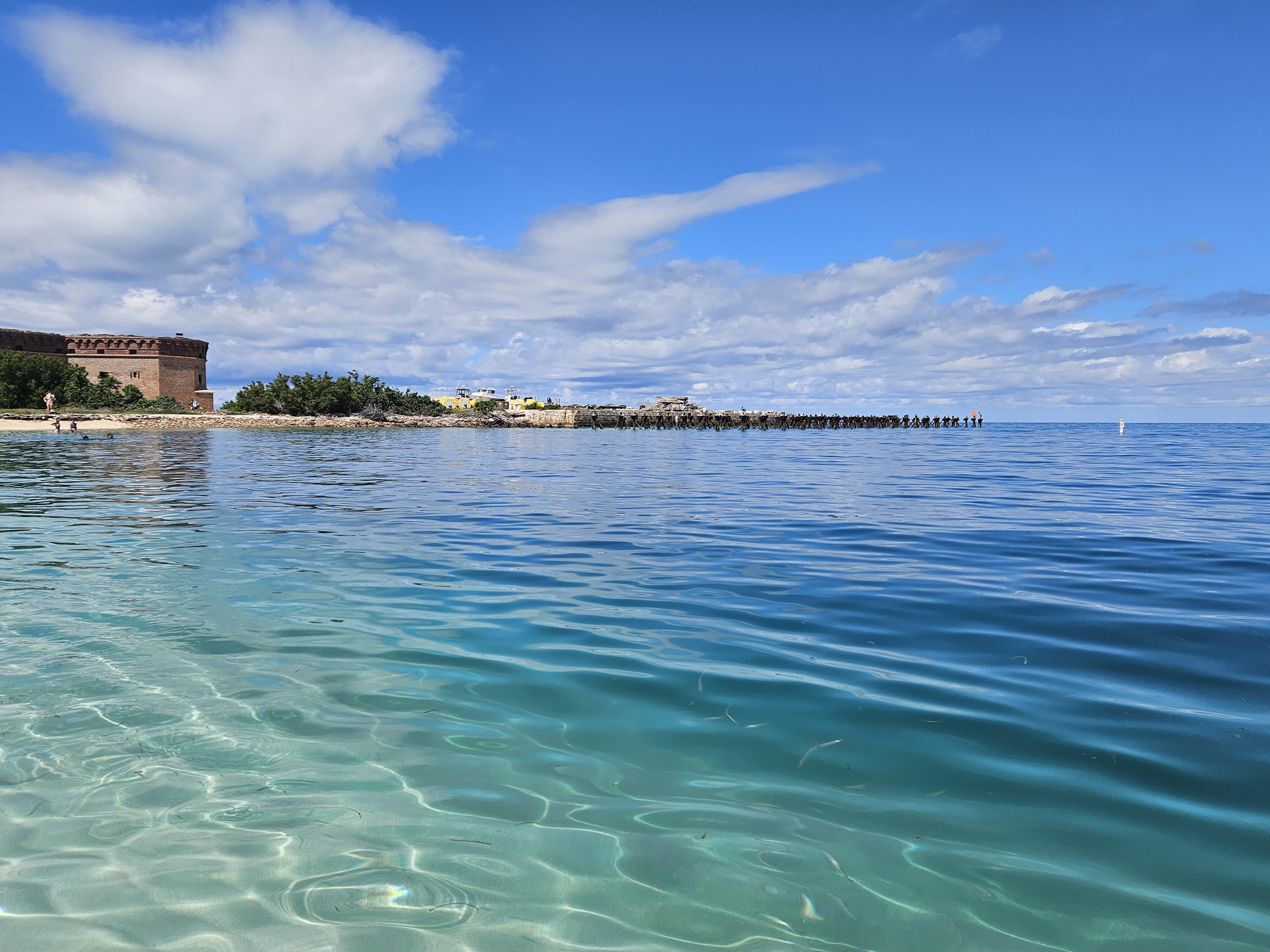
Located 70 miles west of Key West, Dry Tortugas National Park is one of the most remote and unique national parks in the United States. Despite the effort it takes to get there, it is competely worth visiting. This guide will walk you through absoultely everything you need to know for visiting.
👉 Planning to stay in Key West during your visit to Dry Tortugas National Park? Get my complete Guide to Key West covering the best things to do, the best place to stay, and how to plan your visit before heading to Dry Tortugas.
Dry Tortugas National Park at a Glance
📍 Location: 70 miles west of Key West, Florida
⛴️ Getting There: Yankee Freedom III ferry, seaplane, or private boat
⏰ Time Needed: Full-day trip (or overnight camping)
✨ Highlights: Fort Jefferson, pristine crystal-clear turquoise water, snorkeling, sea turtles, birdwatching, and one of America's most remote national parks
🤿 Don't Miss: Snorkeling around Fort Jefferson, walking the fort's walls, exploring the moat, and relaxing on the pristine beaches
🎟️ Reservations: Highly recommended (the ferry and seaplane often sell out months in advance)
📅 Best Time to Visit: November through April for cooler temperatures and calmer seas
Table of Contents
Why Visit Dry Tortugas National Park?
Where is Dry Tortugas National Park?
How to Get to Dry Tortugas National Park (Ferry vs. Sea Plane)
Cost of Visiting Dry Tortugas National Park
What to Expect on a Day Trip to Dry Tortugas
Best Things to Do at Dry Tortugas National Park
Best Time to Visit Dry Tortugas
Tips for Visiting Dry Tortugas – Know Before You Go
Camping at Dry Tortugas National Park
Is Dry Tortugas Worth Visiting?
FAQs for Visiting Dry Tortugas
History of Dry Tortugas National Park & Sea Turtle Conservation
Why Visit Dry Tortugas National Park
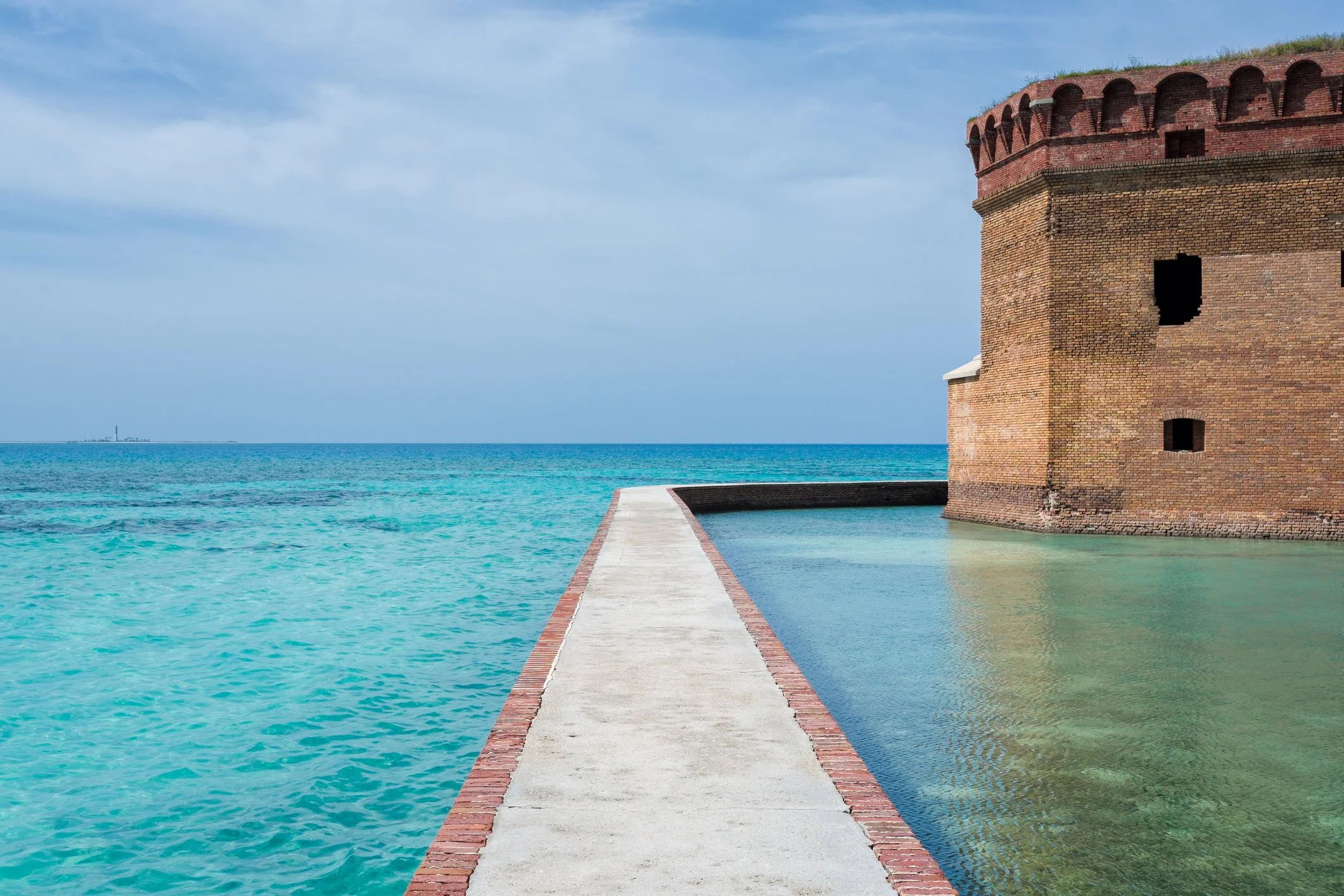
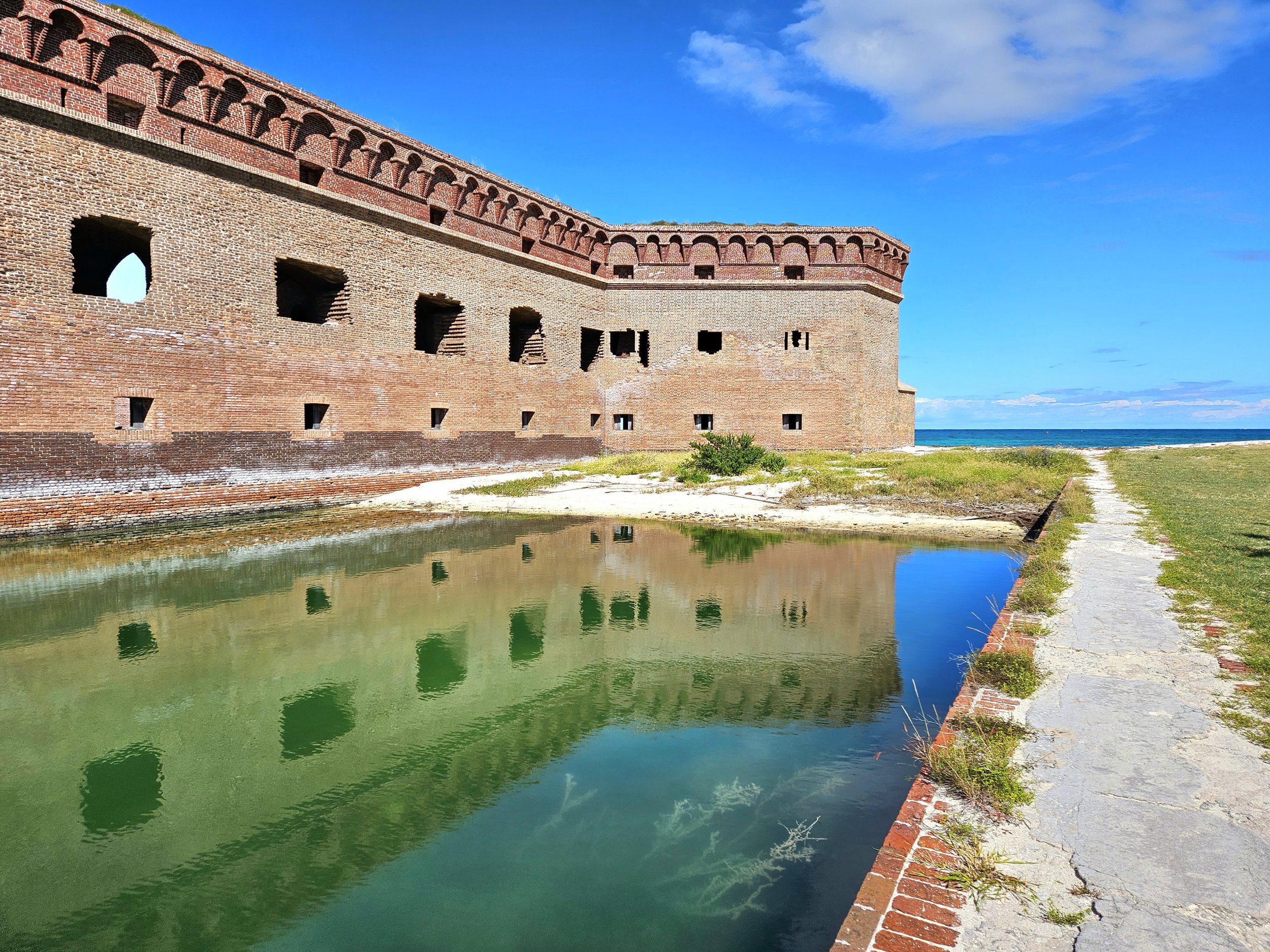
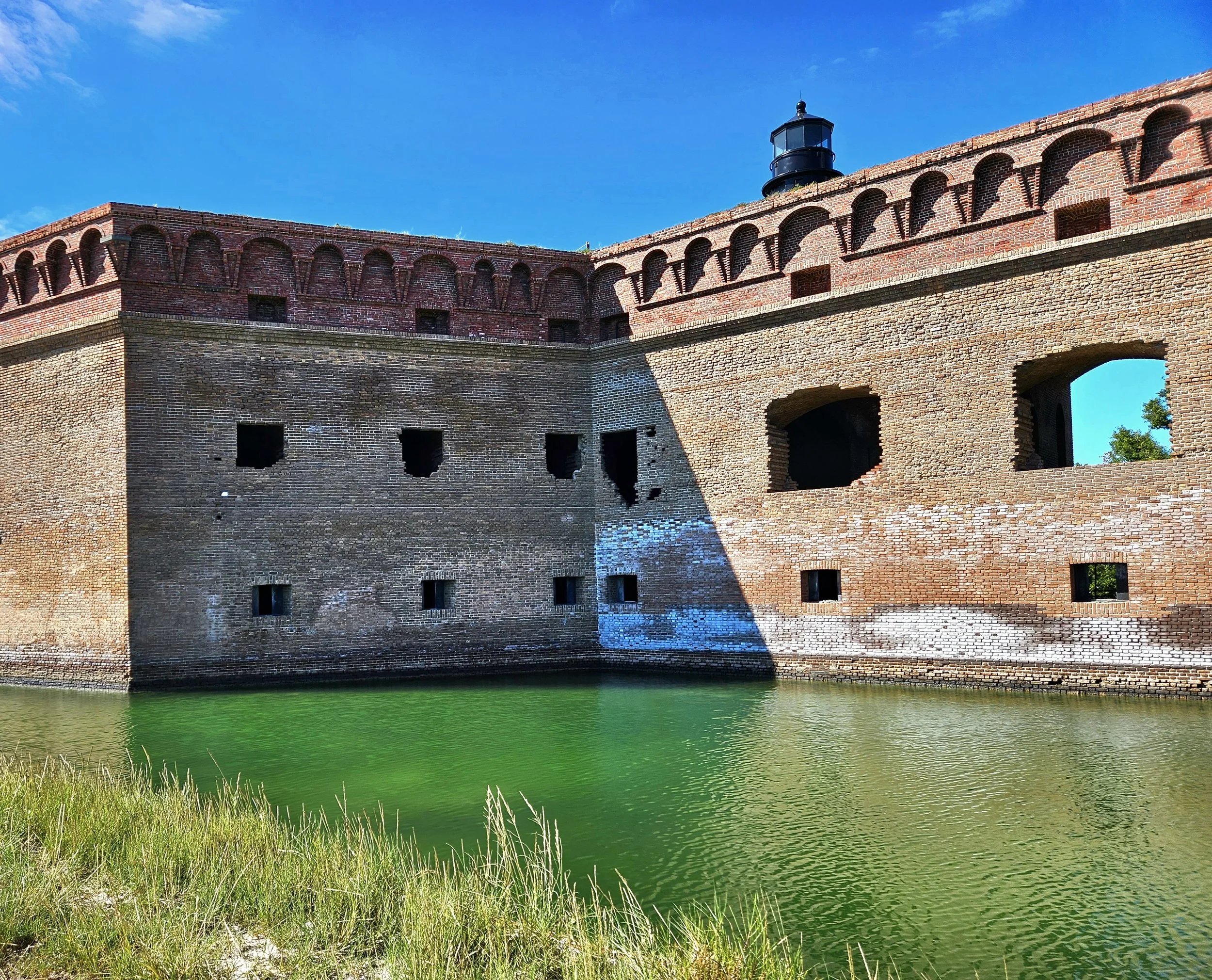
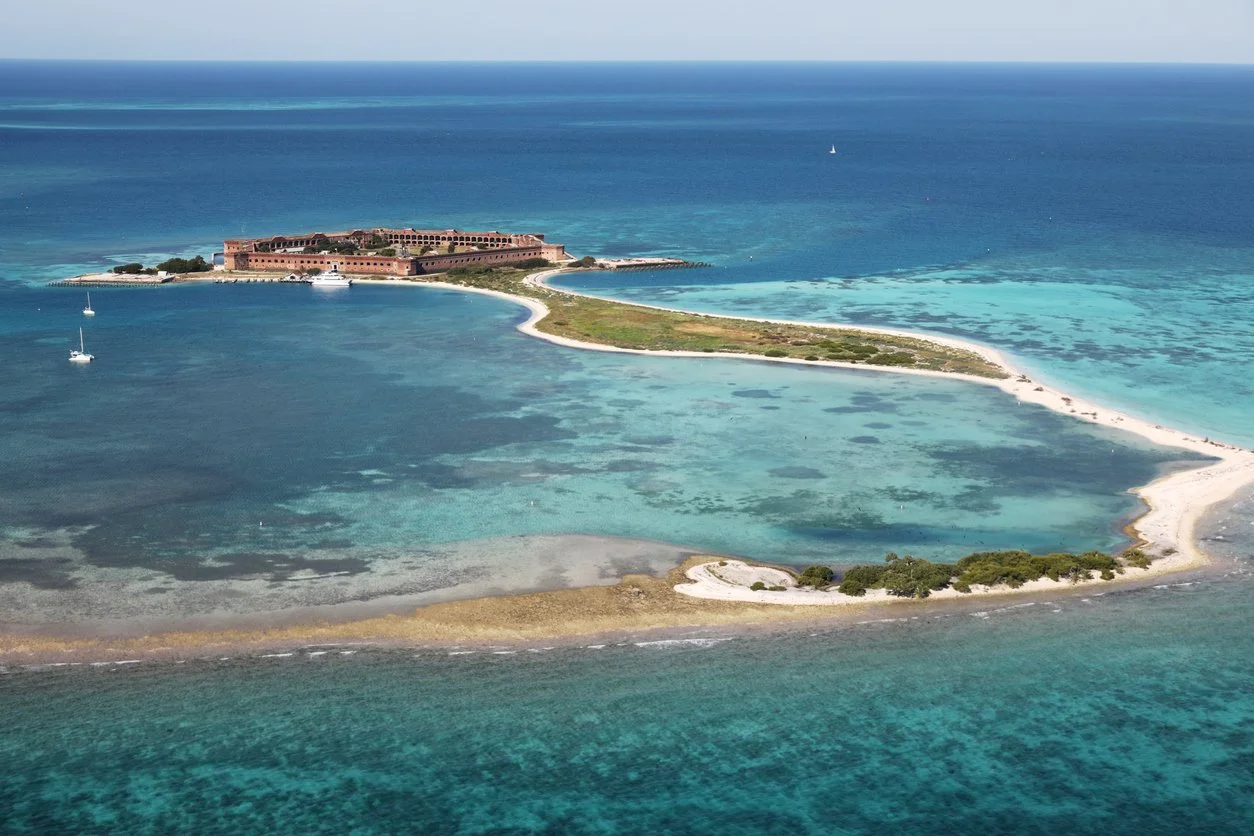
With turquoise waters, vibrant coral reefs, and the massive brick walls of historic Fort Jefferson rising above the sea, Dry Tortugas National Park offers one of the most unique and remote national park experiences in the states. While many parks continue to grow more crowded each year, Dry Tortugas still feels like a true escape—a remote island with fewer visitors than almost anywhere else.
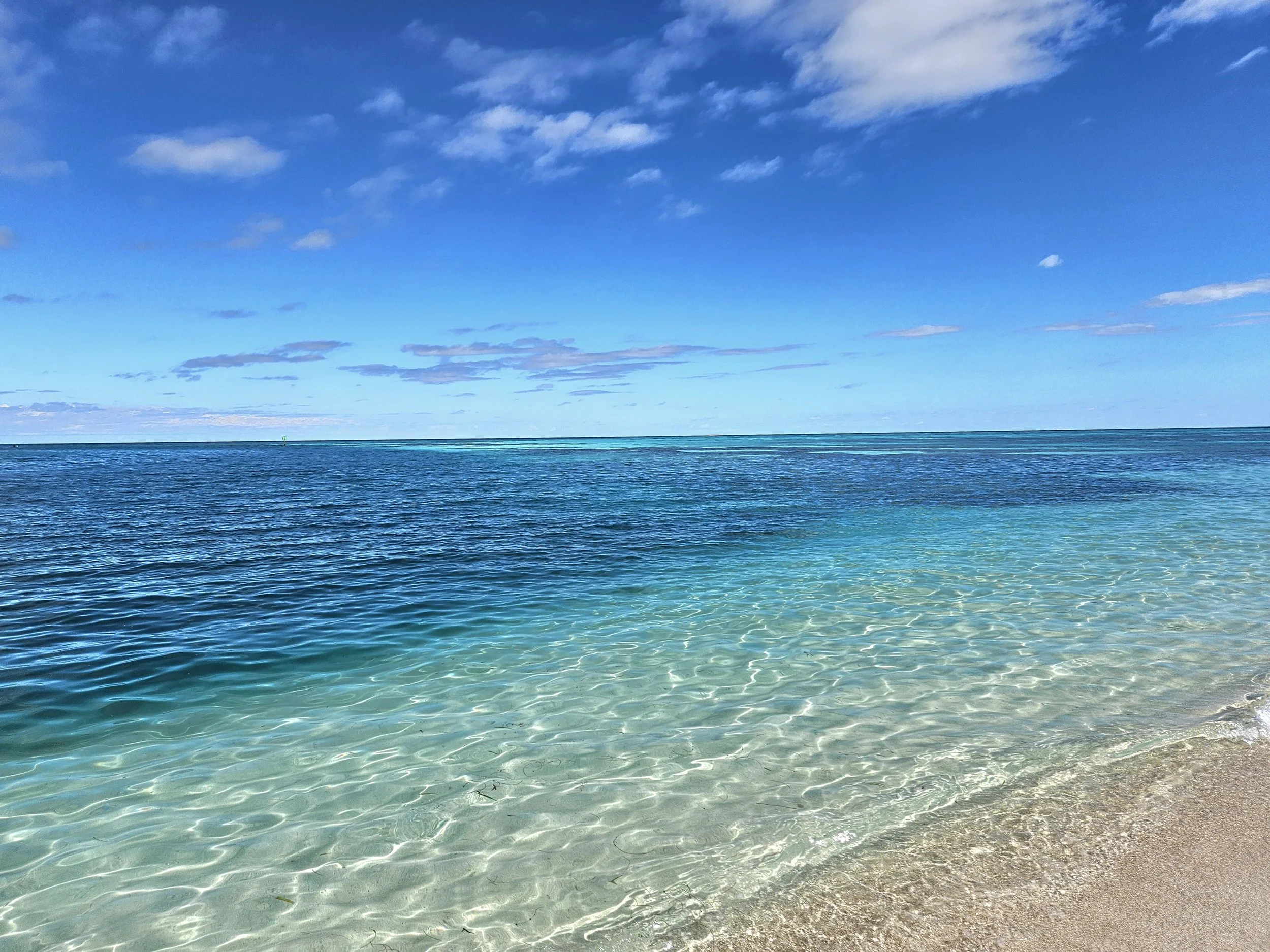
Its crystal-clear waters are perfect for snorkeling and swimming, and exploring the historic fort offers incredible views of the surrounding sea. Even getting there is an adventure, with beautiful views of remote islands and the chance to spot wildlife like giant sea turtles in the open water. It’s an unforgettable day trip from Key West.
So where exactly is Dry Tortugas National Park, and how do you get to such a remote island destination?
Where is Dry Tortugas National Park
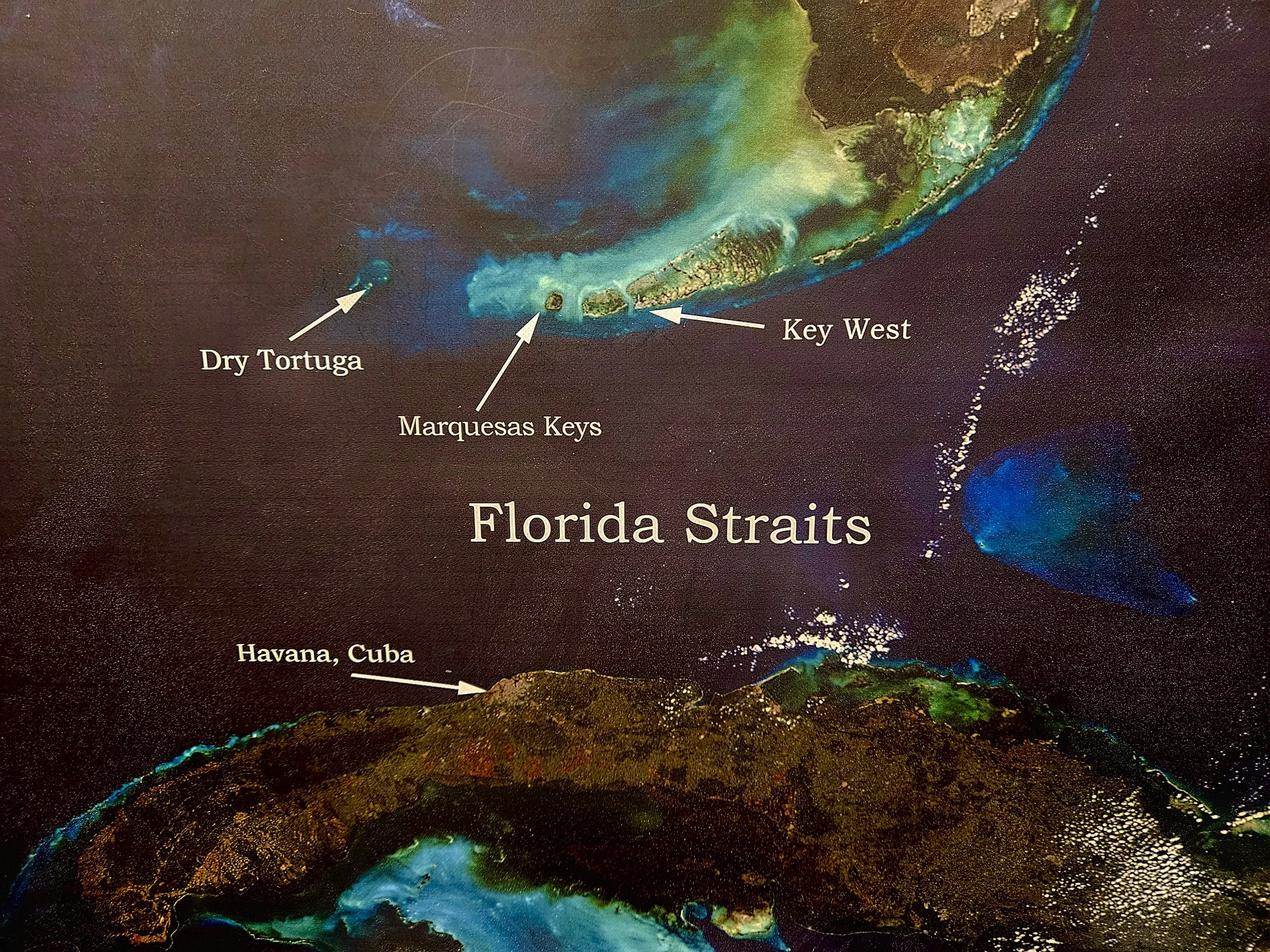
Dry Tortugas National Park lies in the middle of the open sea almost 70 miles west of Key West, Florida in the Gulf of Mexico at its juncture with the Atlantic Ocean and Caribbean Sea, accessible only by boat or sea plane.
The park consists of a small group of islands surrounded by crystal-clear water, coral reefs, and abundant marine life.
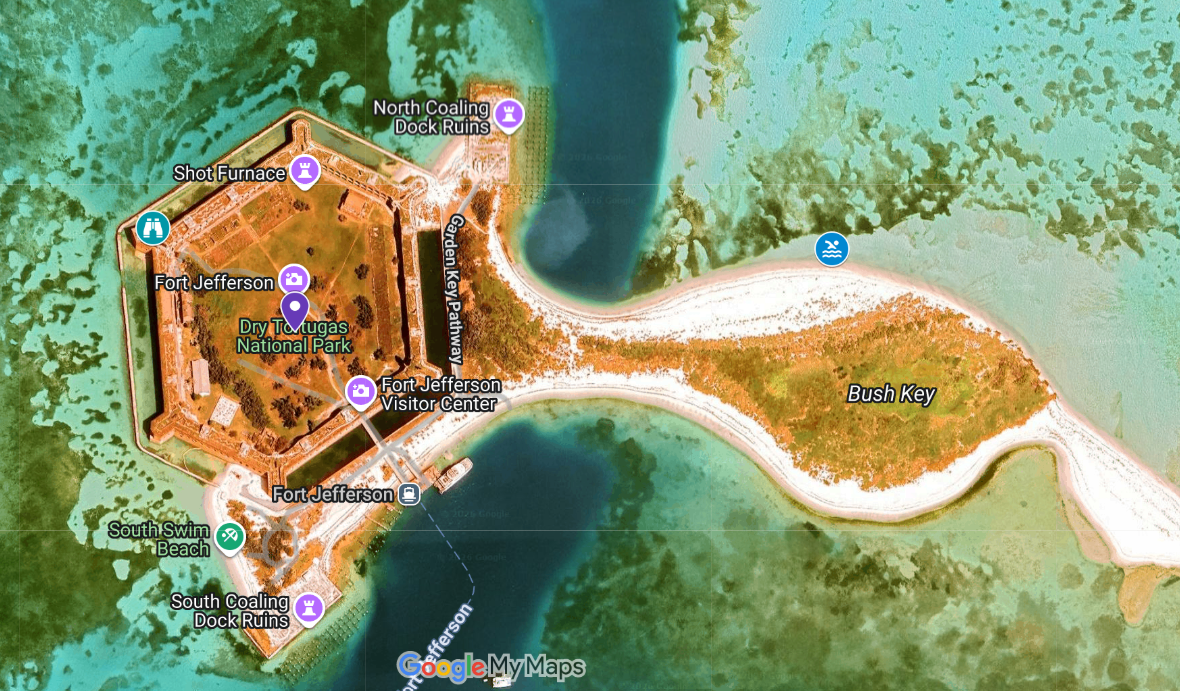
Explore the full Dry Tortugas map in My Google Maps.
Pro Tip: If you’re planning to stay in Key West during your visit to Dry Tortugas National Park, get my complete Guide to Key West to help you plan your trip.
How to Get to Dry Tortugas National Park (Ferry vs. Sea Plane)
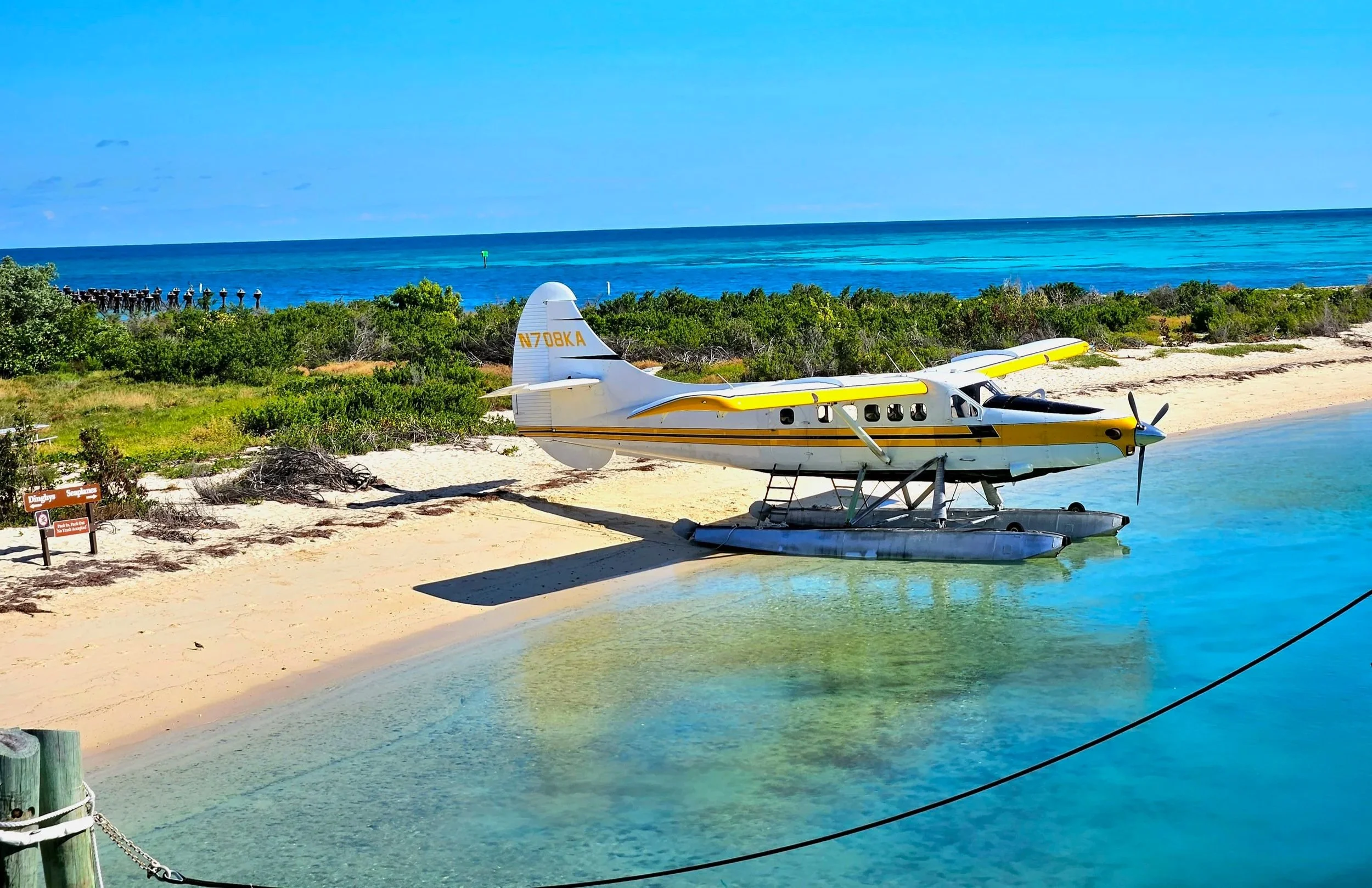
To visit the national park, you must take the ferry (or private boat) or a sea plane. If budget isn’t an issue, the sea plane is the most memorable experience with stunning aerial views. However, the ferry is the best value and the option most visitors choose. If camping, the ferry is required.
Ferry (Yankee Freedom)
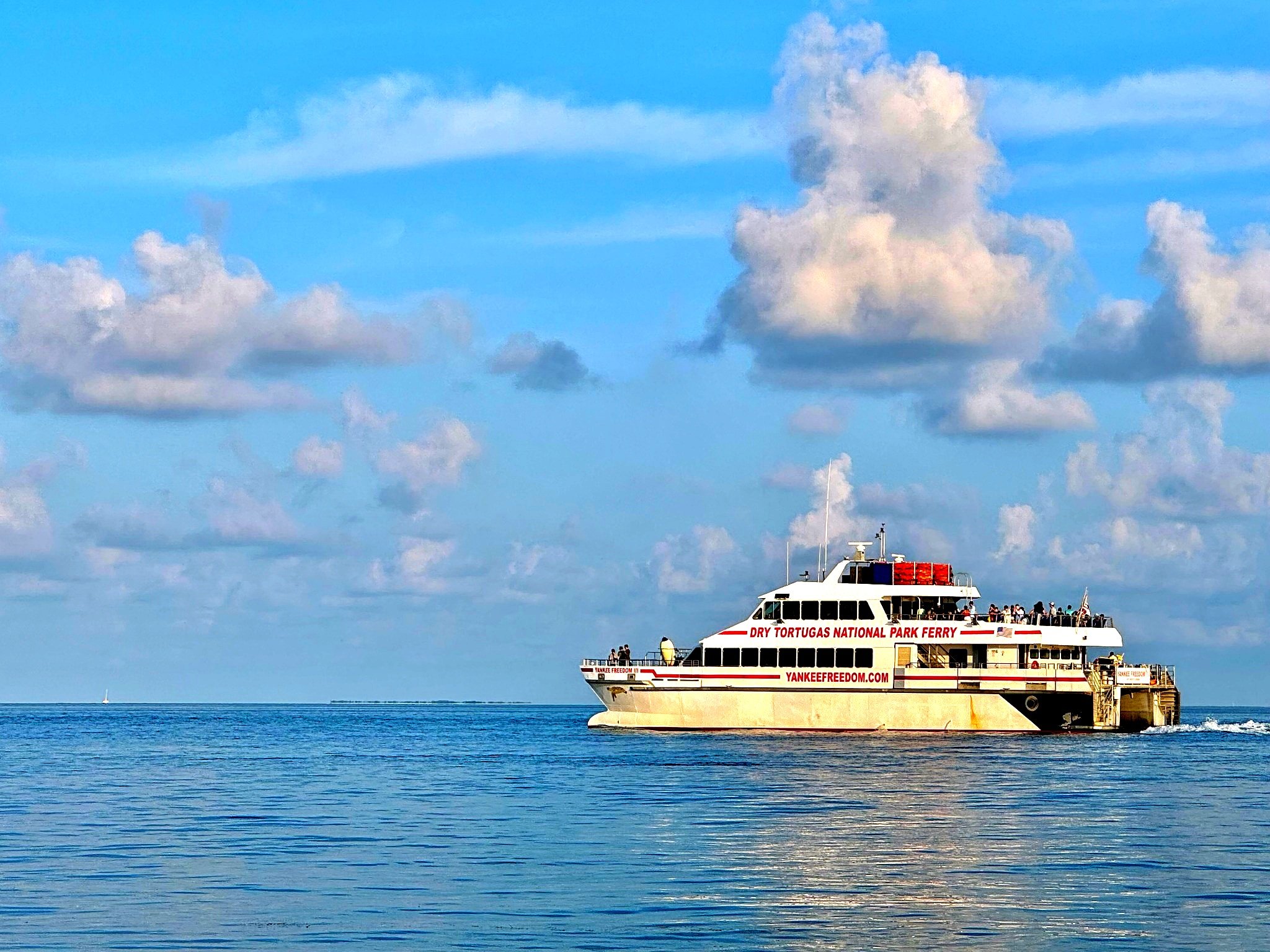
Yankee Freedom operates daily ferries from Key West to Dry Tortugas National Park and is the most popular way to get there. A breakfast snack and lunch are included, adn additional snack and drinksk can be purchased. They also provide snorkeling gear. On the way back, the ferry even serves alcoholic beverages like pina coladas.
The crossing takes about 2-1/2 hours each way and the cost is much less expensive than a sea plane - approximatley $250-260 per adult and $180-200 for children round trip. They also offer a small senior discount.
Insider Tip: Seas can be rough in bad weather, take seasickness medication (Dramamine) an hour before departureiif your’re prone to motion sickness.
Sea Plane
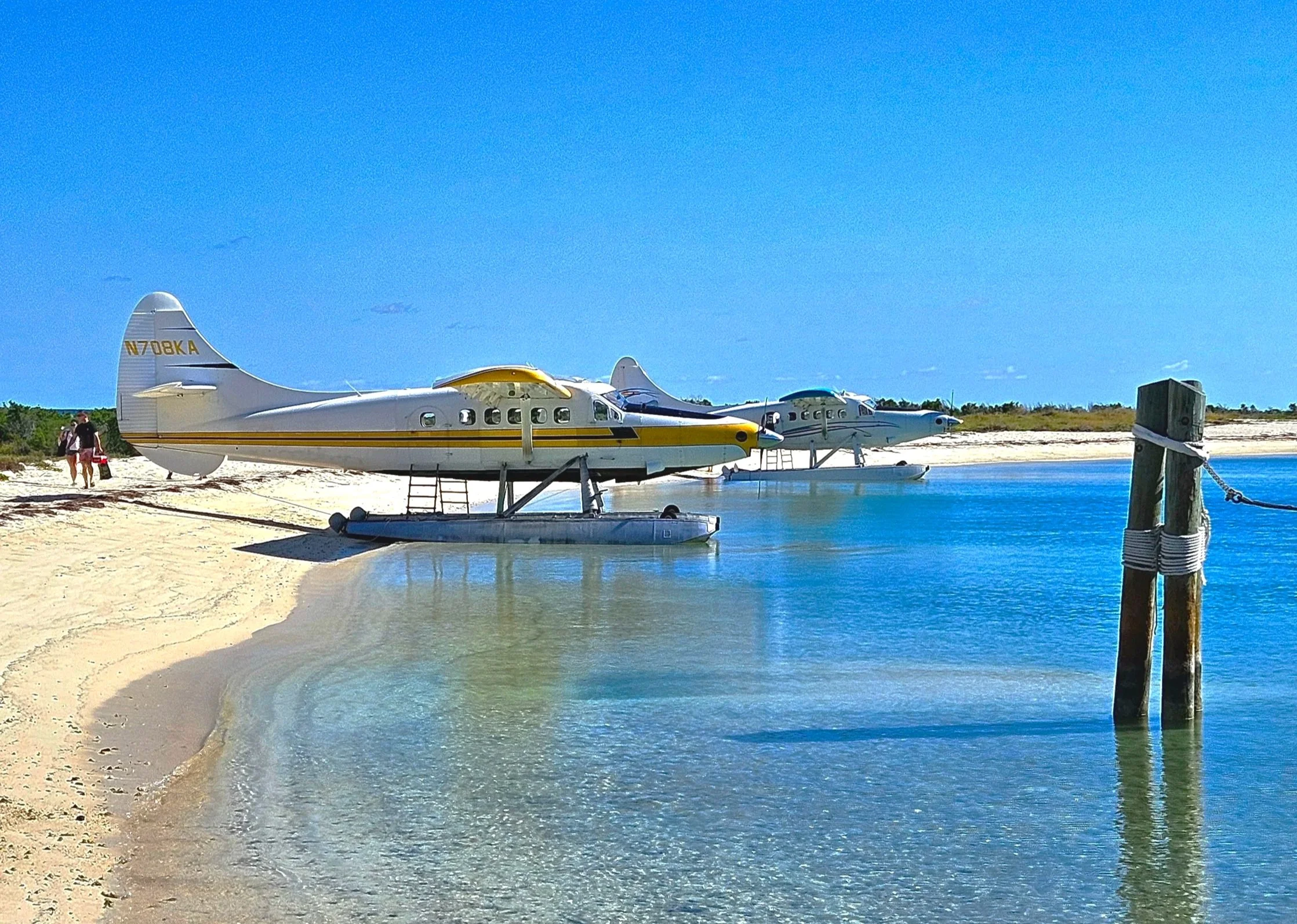
Privately chartered sea planes typically cost anywhere from $500-$890 per person depending on whether you plan on making it a half day or full day excursion. The quick 40-minute flight gets you to the island much quicker than the ferry giving you more time on the island and the aerial views are stunning.
Dry Tortugas Sea Plane vs Ferry: Quick Comparison
| Sea Plane | Ferry | |
|---|---|---|
| Cost | $500–$890 per person | $250–$260 per adult |
| Travel time (each way) | ~40 minutes | ~2.5 hours |
| Total trip length | Half-day or full-day options | Full day |
| Views | Aerial reef & island views | Ocean views from the boat |
| Seasickness risk | None | Possible in rough seas |
| Group size | Small group (typically ~10 passengers) | Larger group (often 100+ passengers) |
| Best for | Fast, scenic, bucket-list experience | Budget travelers and full-day boat excursions |
Choose the Seaplane if:
✔ You want the quickest way to Dry Tortugas so you have more time on the island
✔ You want aerial photos of the islands
✔ You prefer small groups
Choose the Ferry if:
✔ You want the most affordable option
✔ You want breakfast and lunch to be included
✔ You want more to snorkel as snorkeling gear is provided
Private Boat
In addition to the ferry and sea plane, visitors can also reach Dry Tortugas National Park by private boat, though this option is less common. The trip from Key West is about 70 miles each way and typically takes 2-1/2 to 4 hours depending on the boat and conditions. Because of the distance and fuel required, it can be quite expensive. It’s also essential to have an experienced boater who can carefully navigate the waters and account for weather conditions.
Cost of Visiting Dry Tortugas National Park
The round trip ferry ride to Dry Tortugas costs approximatley $250-260 per adult and $180-200 for children, with a small discount for seniors. A sea plane averages about $500-890 per person.
In addition to transportation costs, visitors must also pay the $15 Dry Tortugas National Park entrance fee, which is valid for seven consecutive days. The fee is included in the price of the Yankee Freedom ferry ticket, but needs to be paid separately in cash if arriving by seaplane or private boat. Visitors 16 and under enter for free, as do visitors who have an America the Beautiful National Park Pass.
What to Expect on a Day Trip to Dry Tortugas
Given how remote Dry Tortugas National Park is, it’s easy to feel overwhelmed when planning your trip. Here’s a quick walk through of what to expect for a day trip.
What to Expect on the Ferry to Dry Tortugas
The Yankee Freedom ferry departs around 8:00 am, but plan to arrive around 7:30 am. You will need to check in beforehand to receive a boarding pass which determines the order in which you board the boat. It’s worth checking in early to ensure you can secure a comfortable seat since it’s a 2-½ hour ferry ride.
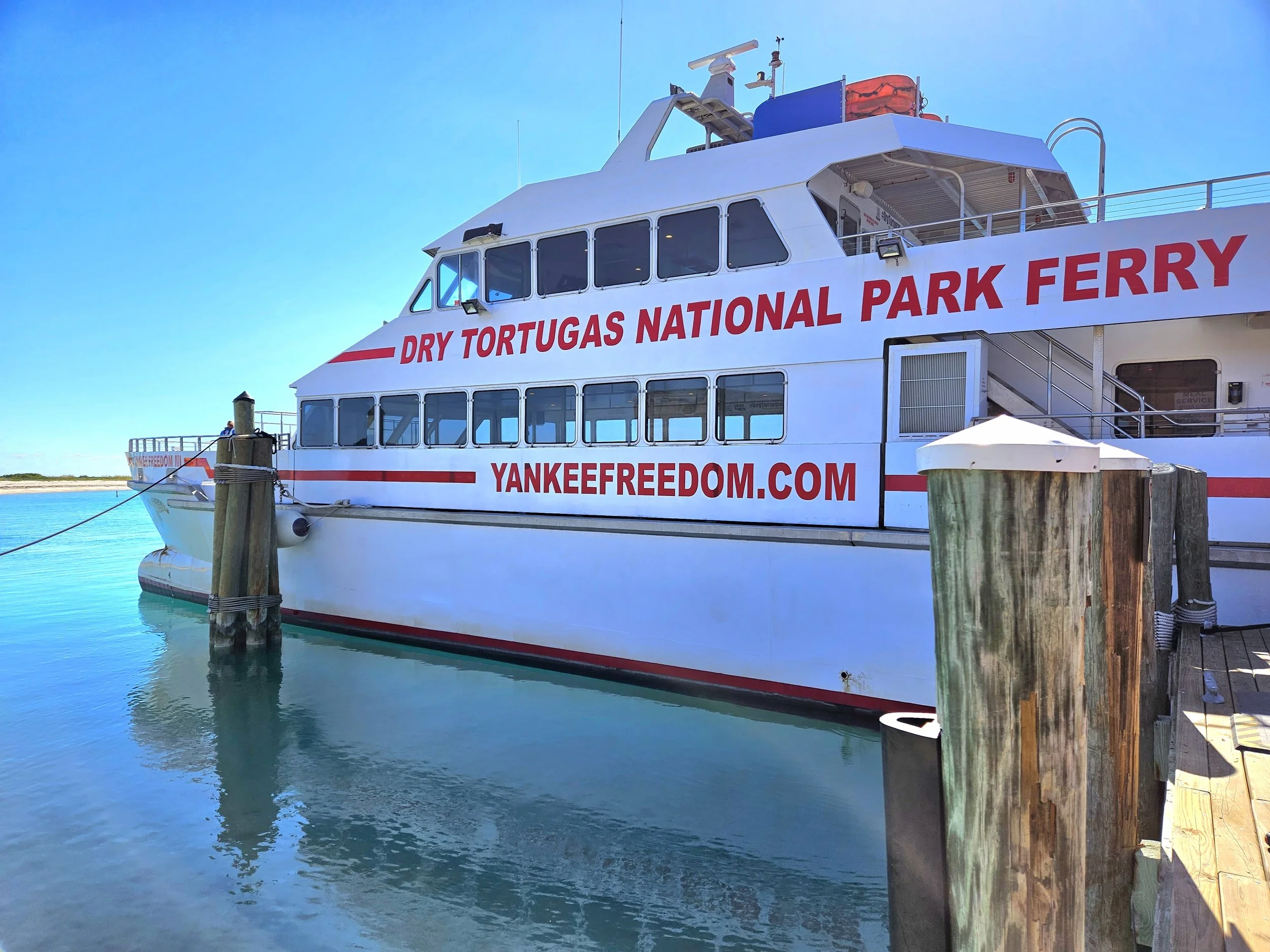
When it’s time to board, the staff will call your boarding section and ask you if you’d like snorkeling gear for your visit. You do not need to reserve gear in advance. It’s included with your ticket and will be distributed once you arrive at Fort Jefferson.
Once aboard the ferry, choose a seat where you’ll be most comfortable. Outdoor seating can be windy and the most turbulence is usually felt at the front bow of the boat or the upper outside decks. If you’re prone to sea sickness, avoid the very front, even inside the cabin. This area experiences the most motion as the boat cuts through the waves.
The Yankee Freedom will provide you with a complimentary breakfast snack during the trip and a boxed lunch that you can take with you onto the island. Water and soda are included with lunch. If you want additional snacks or drinks, they’re available for purchase.
You do not need to reserve your boxed lunch in advance. At the start of the trip, the crew will make an announcement about dietary restrictions to help accomodate everyone. However, if you have food alergies or restrictions, I suggest informing them ahead of time to make sure they can meet your needs.
Arrival at Fort Jefferson & What to Expect on the Island
Once the ferry arrives at Dry Tortugas National Park, you’ll step off the boat onto a small dock just steps from Fort Jefferson, the massive fortress that dominates the island. Before exploring, staff will give a brief orientation explaining the island’s layout, some important guidelines, and the schedule for returning back to port. Here is where you will also pick up your snorkeling gear.
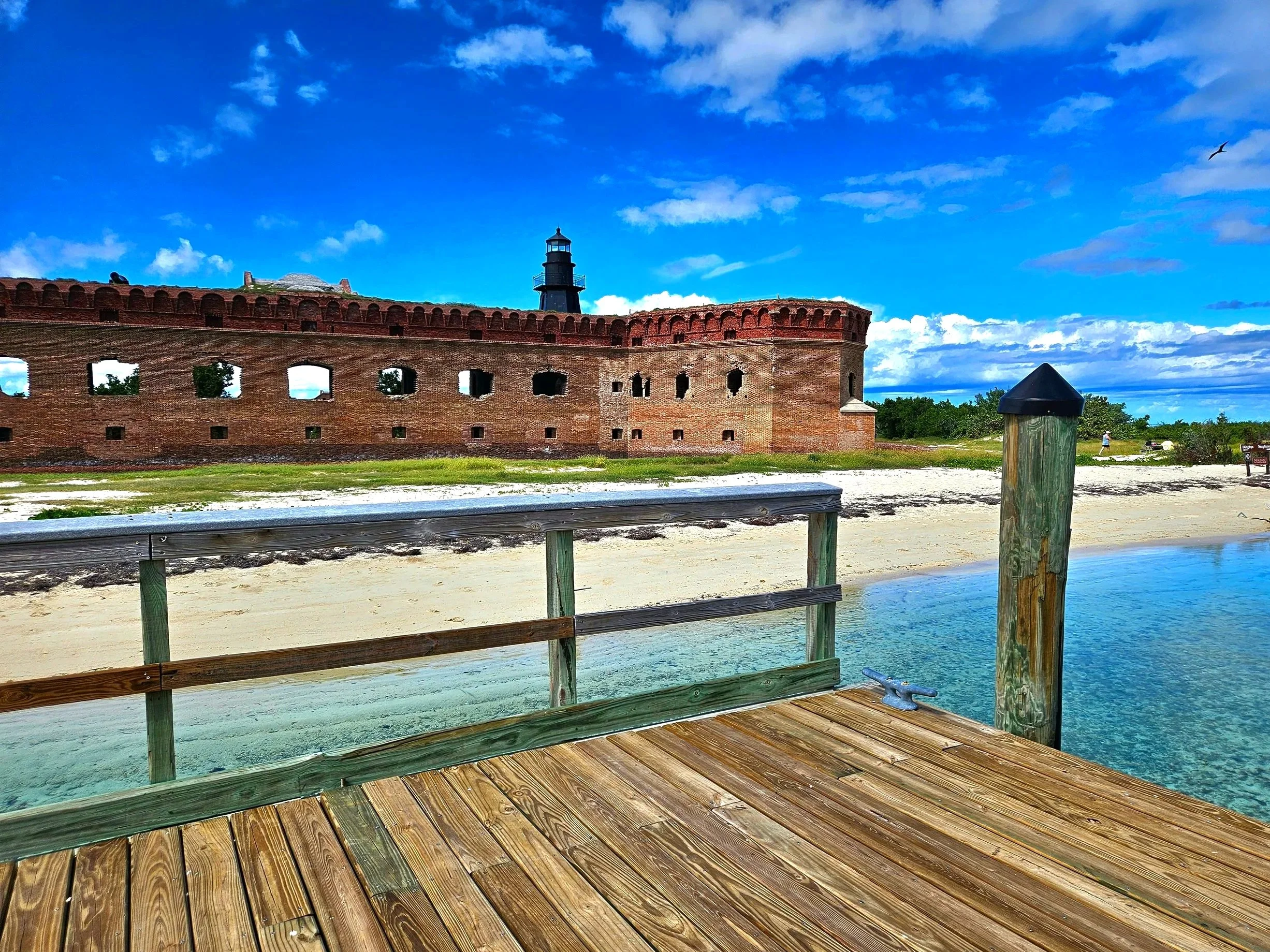
After orientation, you are free to explore the island at your own pace. Many visitors start by touring Fort Jefferson and the visitor center. You can walk along the walls of the fort to some of the best viewpoints on the island and there will be a ranger led tour where you can learn about the fort’s interesting history. Note that there is only one ranger talk and it takes place upon arrival.
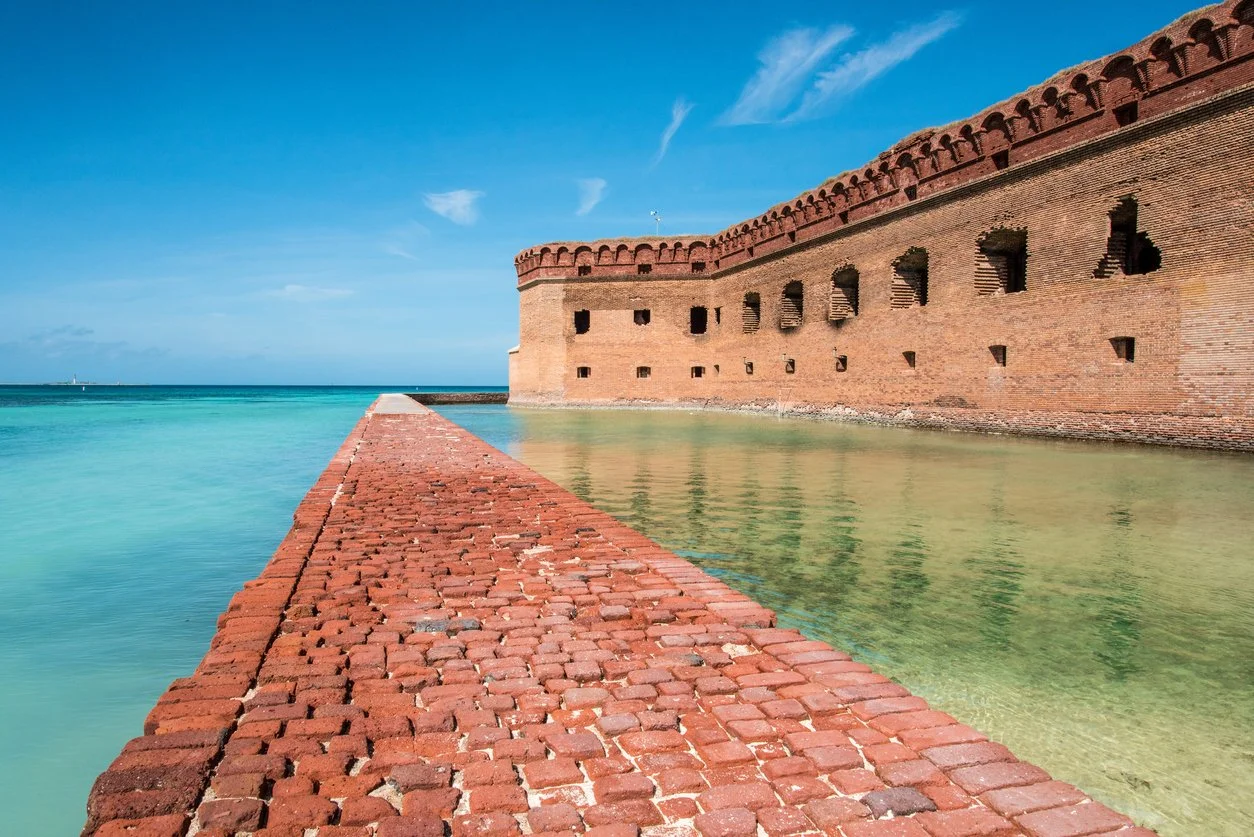
The island is also known for its pristine beaches and excellent snorkeling. Some of the best spots to snorkel are along the moat wall surrounding the fort where you can often see tropical fish, coral, and other marine life.
There are also beaches off to the right of the fort down a path that leads across to Bush Key where you can relax and swim. Note that this area is sometimes closed during bird nesting season, and although the snorkeling here is not as good, the water is stunning and shallow making it a great place to swim. It’s a perfect spot for a beach day. No matter where you go on the island, it will feel remote, peaceful, and untouched.
Most visitors will have about 4 hours on the island. This will give you plenty of time to explore the fort, snorkel, relax on the beach and have lunch, and take one last dip in the water before boarding the ferry to head back to Key West.
What to Expect on the Return to Key West
The ferry ride from Dry Tortugas back to Key West takes about the same amount of time as the trip out - roughly 2-1/2 hours. On the return journey, the atmosphere is often a little more laid back and relaxed. They typically play music over the ship’s speakers and passengers can purchase alcohol, making it feel more like a celebration after a long day on the island. That said, a lot of people will be napping.
Take note that the ride back will almost always be much cooler and windy, so be sure you bring a windbreaker or light jacket with you, especially if you plan to sit outdoors on the ferry.
Best Things to Do at Dry Tortugas National Park
Explore Fort Jefferson & the Visitor Center
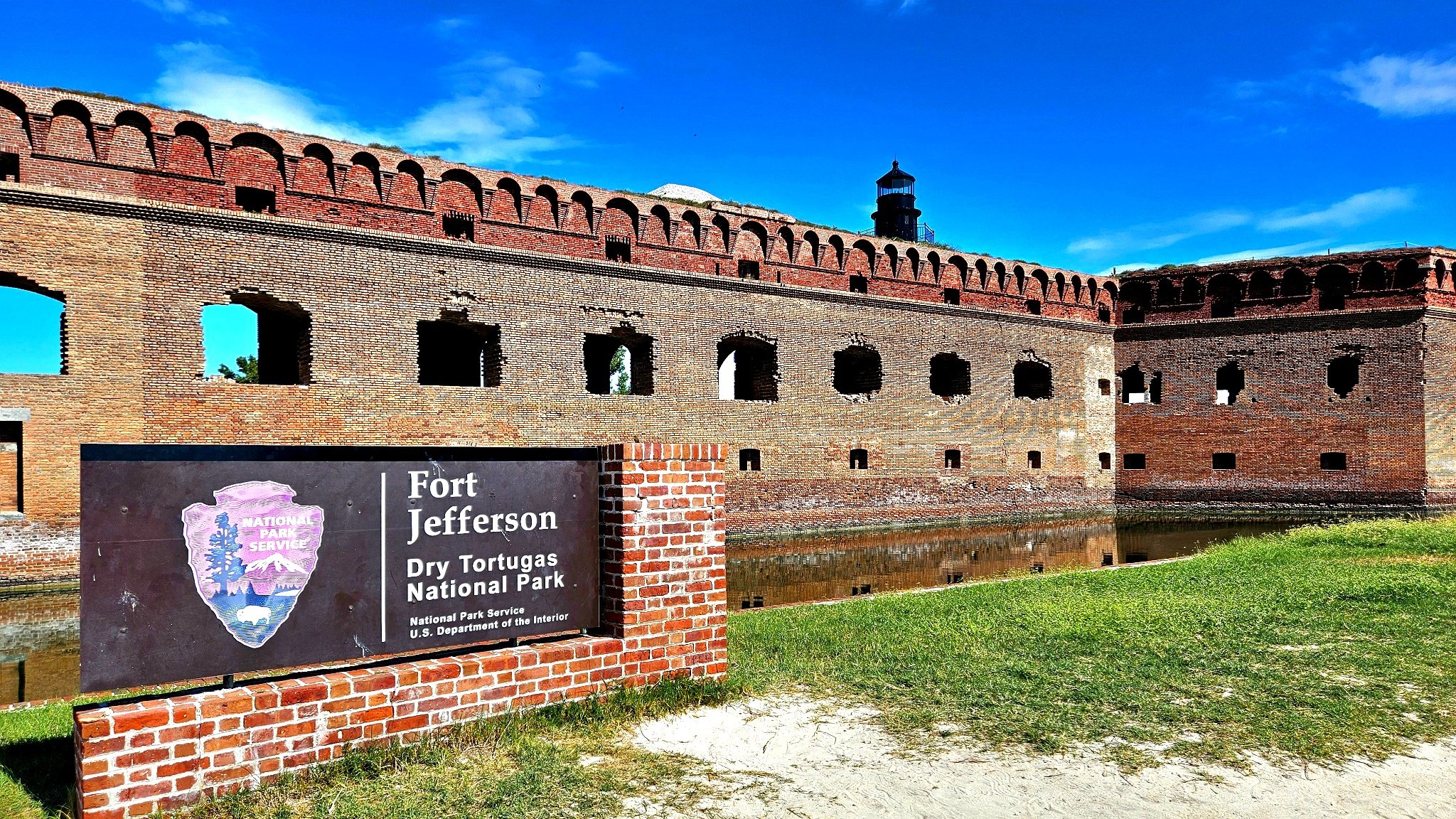
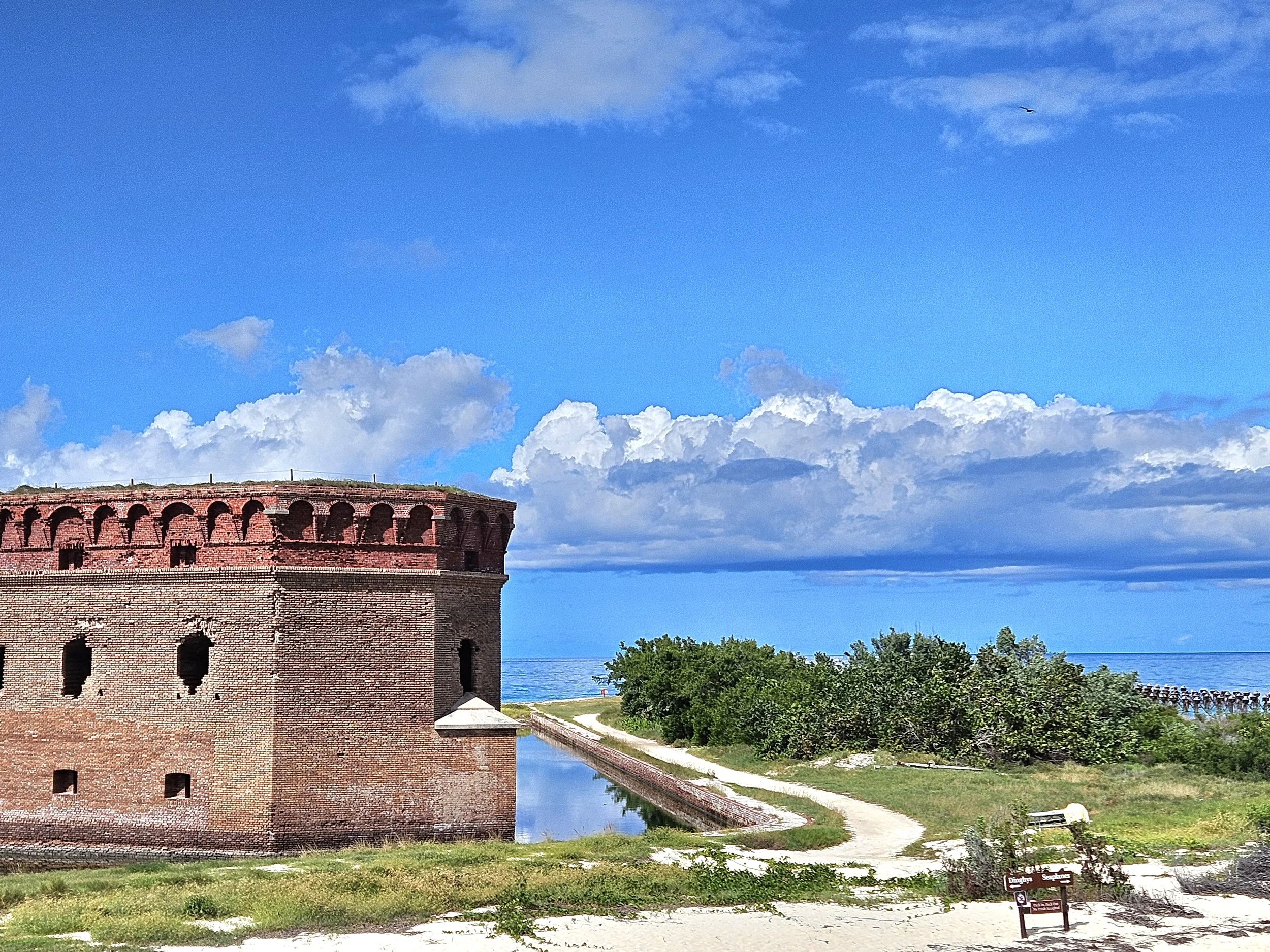
Fort Jefferson is a historic coastal fort on Dry Tortugas and one of the park’s most iconic landmarks. Visitors can walk through its corridors, climb the fort’s walls for incredible views of the surrounding turquoise water, and learn about its Civil War history and famous prisoners.
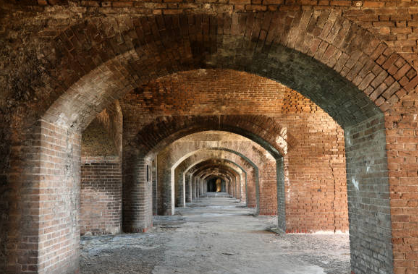
The visitor center at Fort Jefferson features exhibits about the park’s history, marine life, and shipwrecks. Ranger-led talks are often offered as well, giving visitors a deeper look into the fort’s fascinating past.
Go Snorkeling at Dry Tortugas
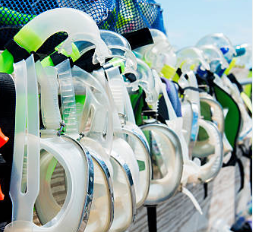
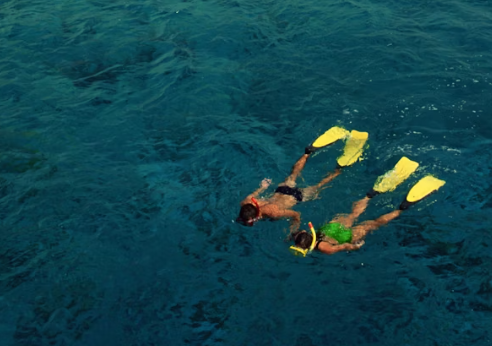
The clear, shallow water around Dry Tortugas makes it one of the best places to snorkel in Florida. With calm conditions and excellent visibility, it’s a great place for both beginners and experienced snorkelers to explore.
✨ Pro Tip: One of the best places to see vibrant coral, tropical fish, and other marine life is along the moat wall at Fort Jefferson. The reef structure in Dry Tortugas is very diverse with patch reefs, fore reefs, and deep reefs, all of which play a crucial role in protecting the park’s ecosystem including over 400 species of fish.
Relax on the Beach
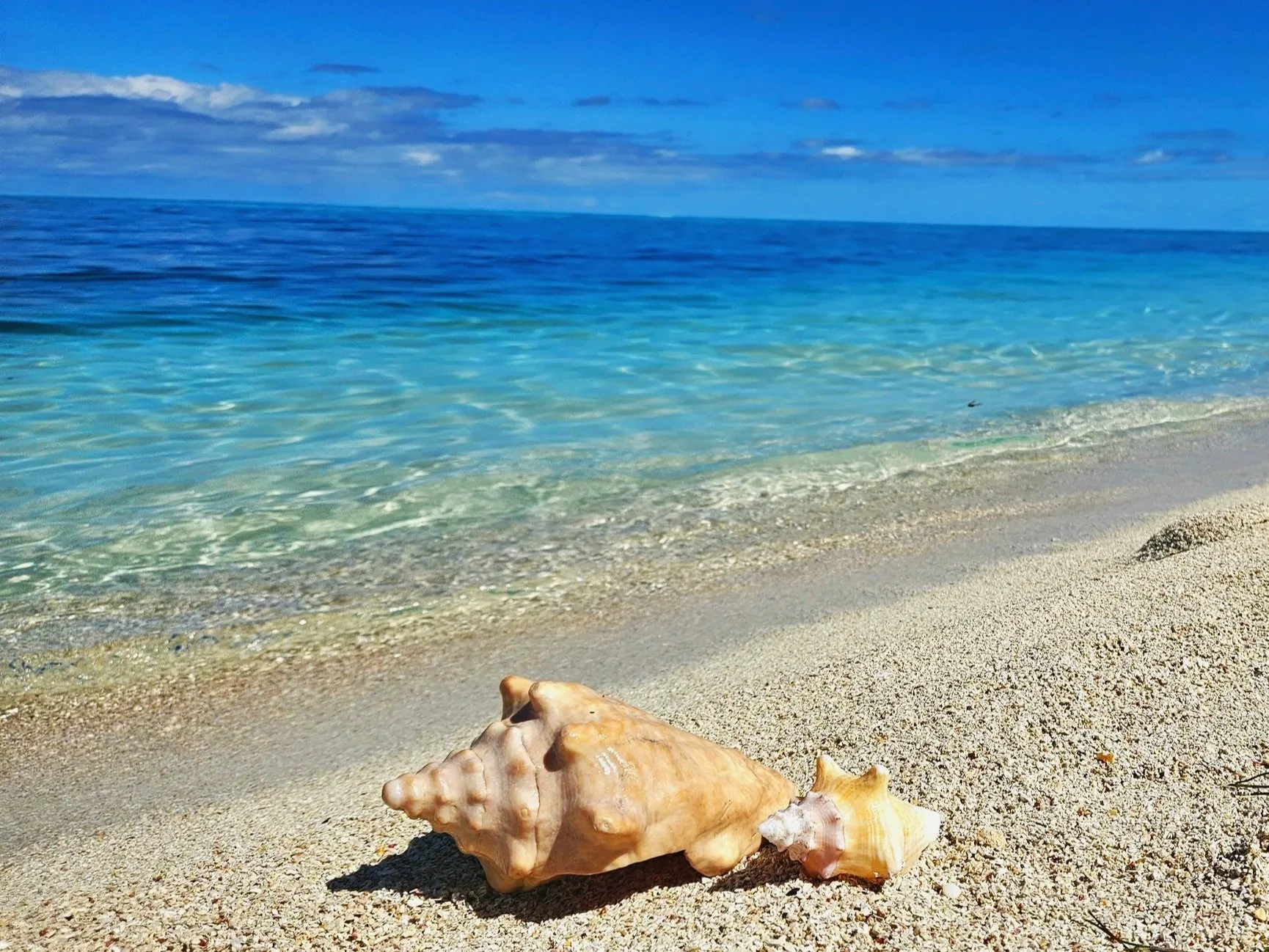
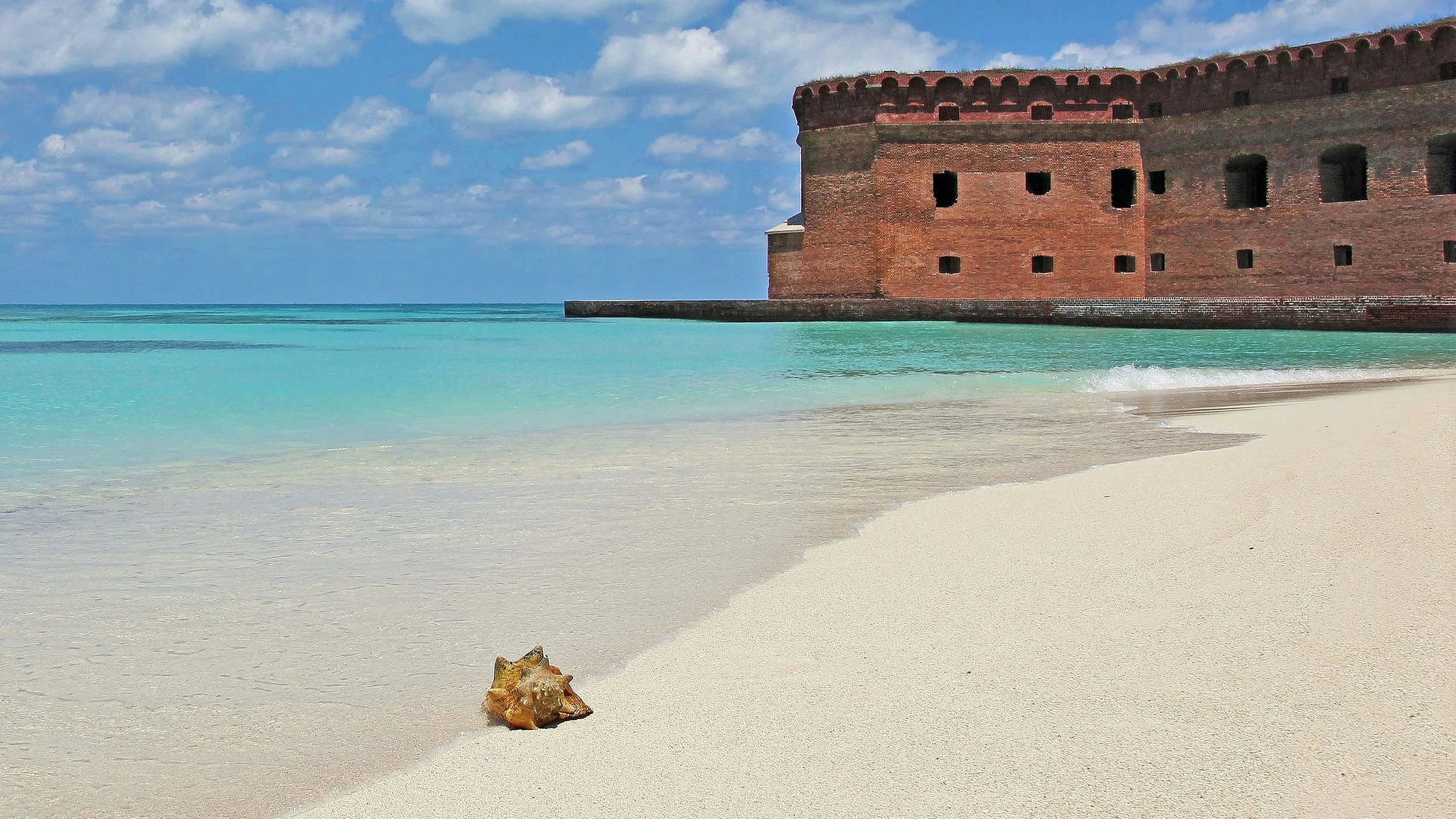
Dry Tortugas is famous for its white sand beaches and vibrant turquoise water making it the perfect place to unwind and relax on the sand. The calm, clear water is ideal for wading, and the remote setting is peaceful and calm. Beachcombers can even find shells scattered along the shoreline, including large conch shells, especially after tides shift.
Walk the Island Trails
While Dry Tortugas doesn’t have long hiking trails, visitors can enjoy several short scenic walks around Garden Key, including the shoreline path, the moat wall around Fort Jefferson, and the ramparts on top of the historic fort.
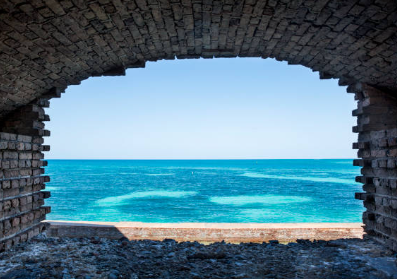
Garden Key Perimeter Walk - Walk the 1/2 mile loop around the shoreline of Garden Key where the ferry docks around Fort Jefferson for views of the beach and surrounding turquoise water.
Fort Jefferson Ramparts Walk - Climb up to the top of Fort Jefferson and walk along the ramparts (the fort walls) for panoramic views of the ocean, nearby islands, and the fort’s interior courtyard.
Moat Wall Path - Walk the sandy path running along the moat wall surrounding Fort Jefferson. This trail gives you access to beaches with crystal-clear where you can snorkel.
Bush Key Sandbar Walk (Seasonal) - When it is open, visitors can walk across the sandbar from Garden Key to Bush Key. The area will be closed during seabird nesting season, but when accessible it offers beautiful views and excellent birdwatching.
Scuba Dive the Shipwrecks at Dry Torutgas
The waters around the Dry Tortugas sit along a historic shipping route through the Florida Straits and the Gulf of Mexico. In the 1800s and early 1900s, ships traveling between the Gulf Coast, Caribbean, and Atlantic had to navigate the shallow reefs and unpredictable storms and hurricanes (not to mention pirate attacks), which caused many vessels to run aground.
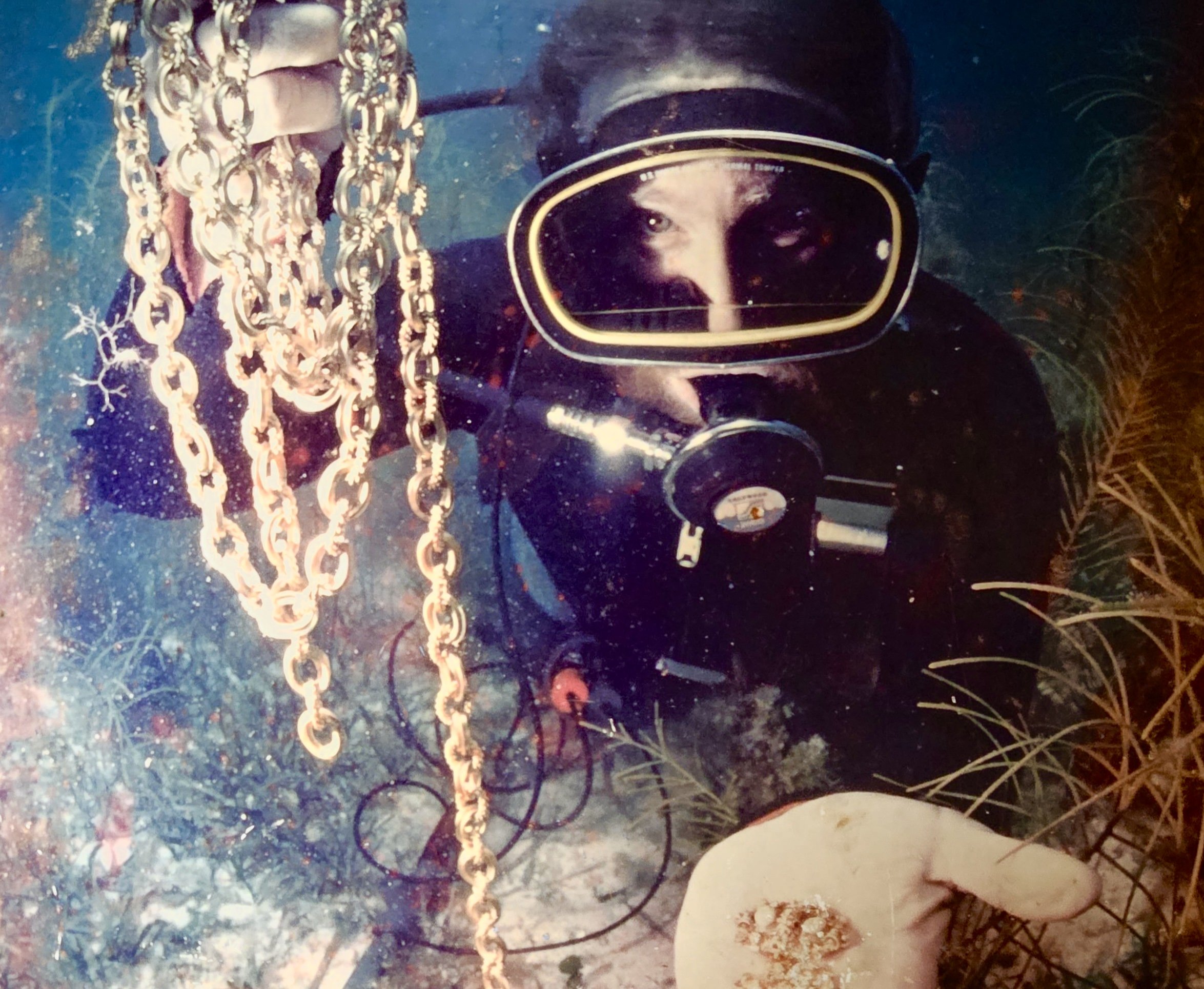
Because of this, the park preserves the Dry Tortugas National Park Shipwreck Trail, an underwater archaeological area with six known historic shipwrecks, most of which date back to this time and are protected archaeological sites.
Some of these wrecks can be explored by certified scuba divers but they are in deeper water, and require permits and guidance.
✨ Fun Fact: Over 200 shipwrecks have been recorded in the waters around Dry Tortugas, but only a handful are officially mapped and interpreted for visitors.
Bird Watching
Because the park is so far from land, isolated in the Gulf of Mexico, its a natural resting spot along the journey of migrating birds. More than 300 species of birds have been seen here which is remarkable for such a small group of islands.
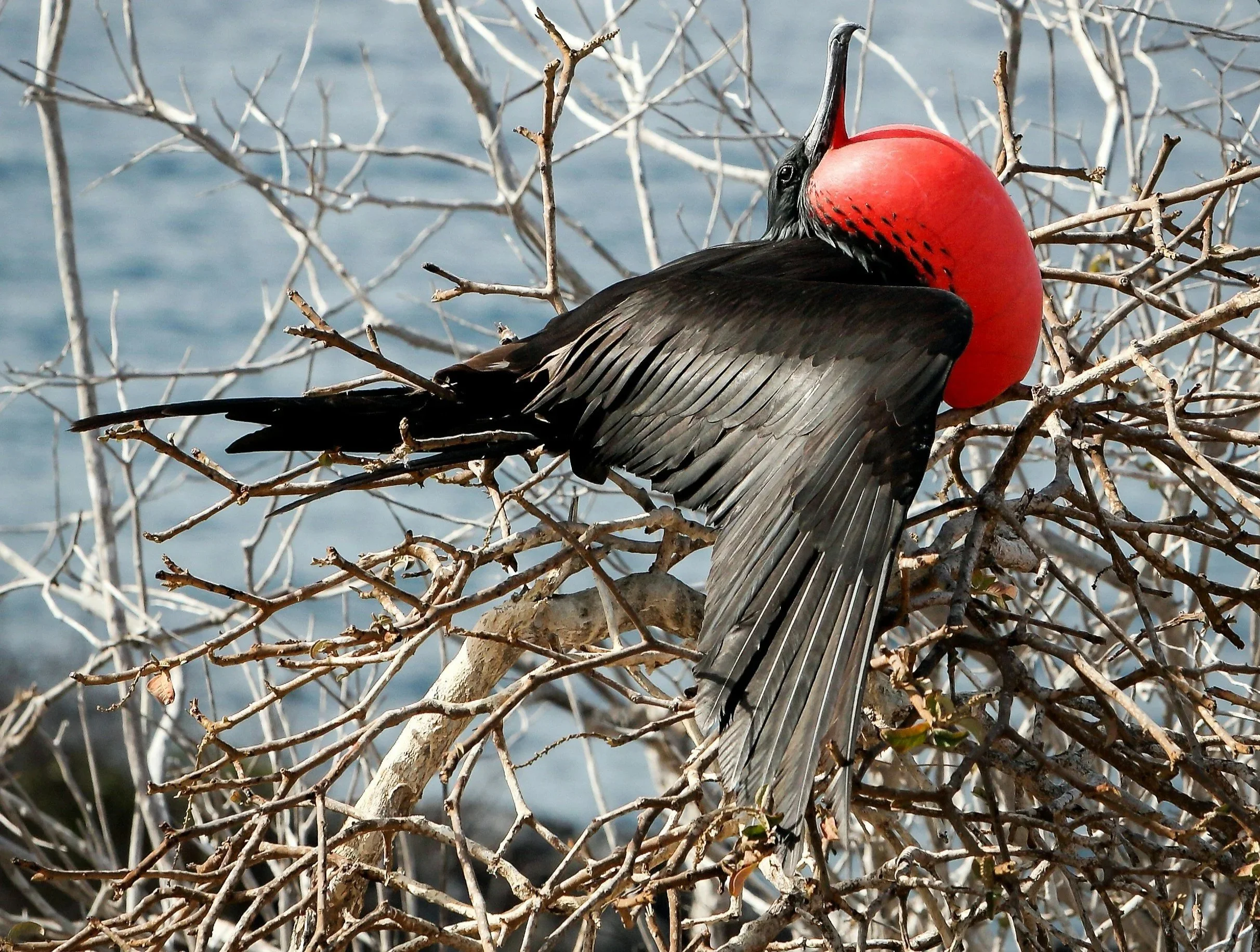
The best time to see them is during the spring migration from April to May, or during fall migration season. In the summer, most birds are nesting and there are typically fewer birds overall during the winter. Some species that can often be seen include brown pelicans, brown noddies, sooty terns, frigatebirds, and masked boobies.
Best Time to Visit Dry Tortugas National Park
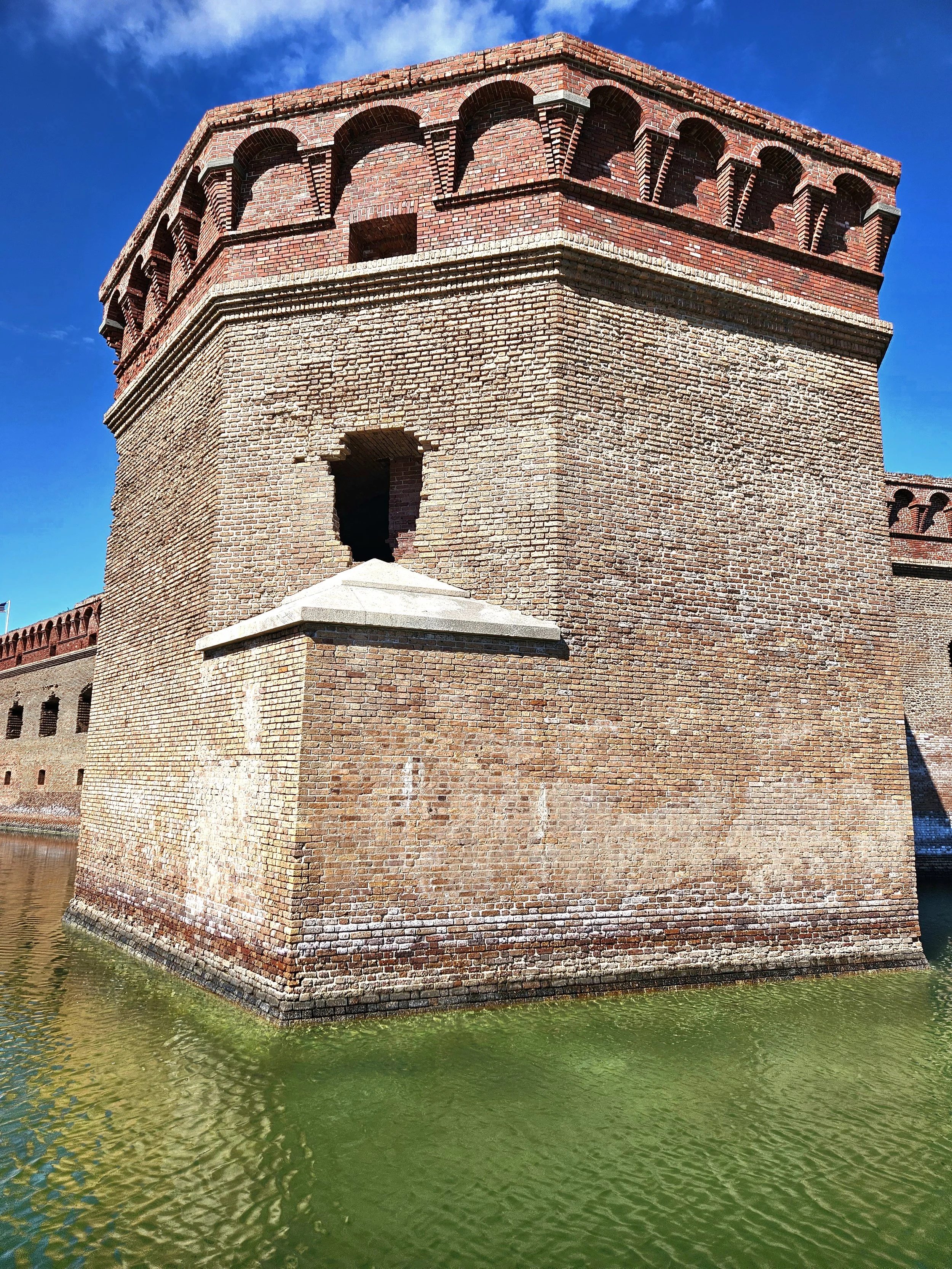
The best time to visit Dry Tortugas National Park is usually between November and April, when temperatures are nice, humidity is low, and the ocean is calmer making the ferry ride from Key West pleasant.
However, each season offers something different and worth experiencing. Below is a comparison fo each season to help you decide when the best time to visit is for you.
Winter (December–February)
Mild temperatures in the 70s make winter great for exploring Fort Jefferson and enjoying the beach. Snorkeling is possible, but water temperatures are usually cool so it’s not ideal if this is on your list.
Spring (March–May)
Spring is one of the best times to visit Dry Tortugas. The weather is mild, the water is warming up, and the seas are often calm. It’s a great time for snorkeling and birdwatching, as spring marks the peak migration season for many bird species passing through the islands.
Summer (June-August)
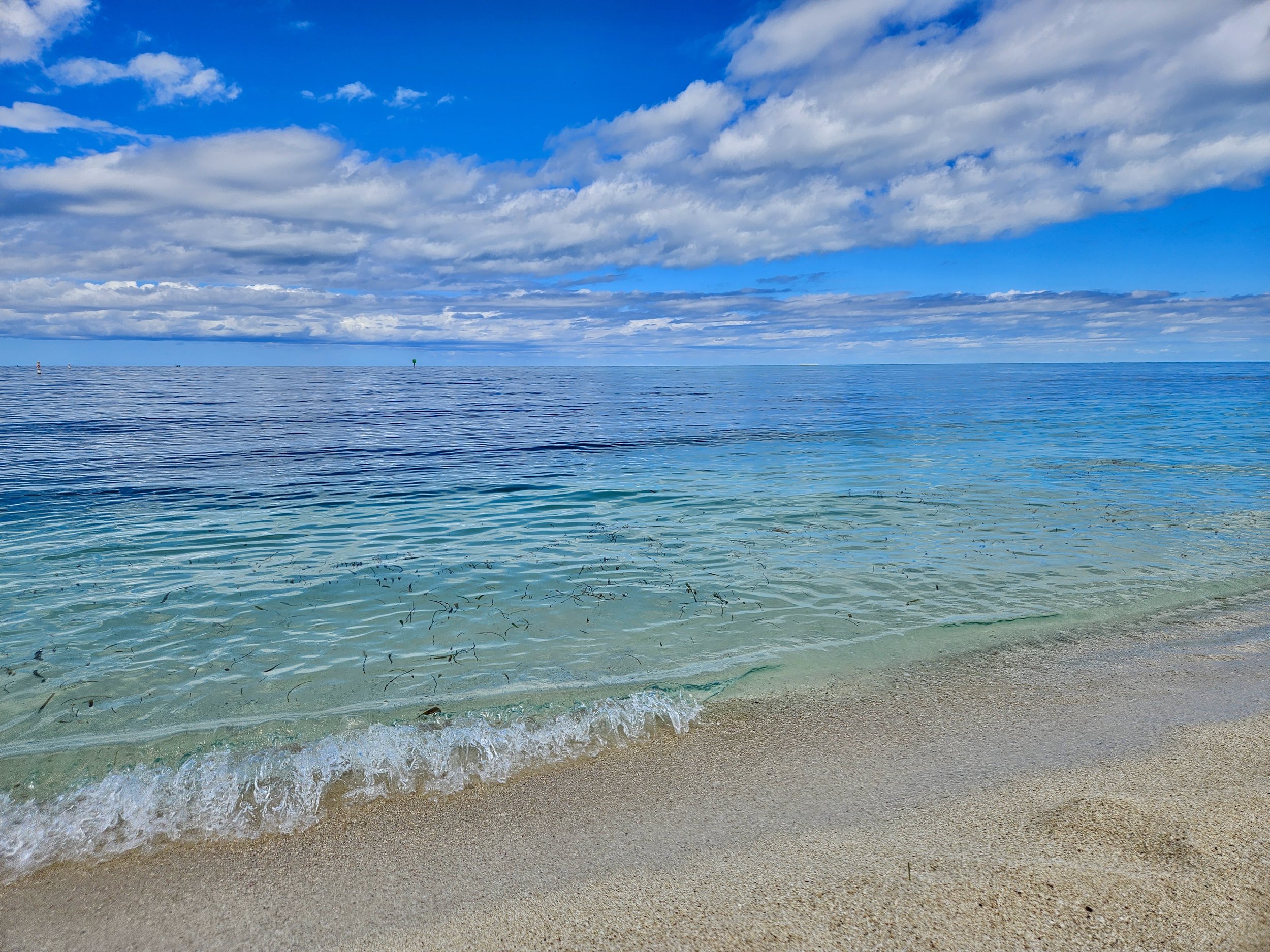
Summer is one of the best times of year for swimming and snorkeling as the water will be warm. However, it will also be hot and humid, and is the start of hurricane season.
Fall (September-November)
Fall is typically the least crowded time of year to visit Dry Tortugas, but it overlaps with peak hurricane season. By late fall, weather conditions usually begin improving and crowds remain light. This is a great time to visit.
What to Pack for Your Trip
Dry Tortugas National Park is a remote destination, so it’s important to pack everything you’ll need before you leave Key West. Keep in mind that anything you bring will be with you all day, and you’ll likely have to carry it around the island. Try to pack light using a small backpack or beach bag that’s comfortable to carry.
Dry Tortugas Packing List
Protect your skin and the reef ecosystem.
Reduce glare and see into the water.
Extra sun protection all day.
For snorkeling and beach time.
Helpful when touring Fort Jefferson.
Dry off after snorkeling or swimming.
Especially helpful for ferry passengers.
Stay hydrated; ferry includes a snack and packed lunch.
The boat ride can be windy.
Great for the fort and turquoise water.
Protects from water and sand.
Explore reefs and marine life.
To make planning even easier, I’ve created a downloadable Dry Tortugas Packing Checklist you can use for your trip. It includes the essential items to bring so you can be comfortable while enjoying a day in the sun.
Tips for Visiting Dry Tortugas National Park
Before you visit Dry Tortugas National Park, keep these helpful tips in mind to make the most of your trip.
Tips for Visiting Dry Tortugas National Park
- ⛴️ Book ferry tickets early as they often sell out quickly, especially during peak travel seasons.
- ⏰ Arrive early for ferry check-in. The Yankee Freedom ferry departs around 8:00 AM, but passengers must check in beforehand to receive their boarding pass. Boarding passes are issued in order of check-in, so arriving by about 7:30 AM will help you secure a more comfortable seat for the 2½-hour boat ride.
- 💊 Consider taking Dramamine about an hour before the trip, even if you don’t usually get motion sickness. The seas can be rough, and many visitors experience seasickness on the ferry. If you’re arriving by seaplane and are prone to air sickness, it may also help to take it beforehand since smaller planes can experience more turbulence than commercial flights.
- 🧥 Bring a windbreaker or light jacket for the ferry ride. It can get very windy on the open water.
- 🍽️ The Yankee Freedom ferry provides a breakfast snack and packed lunch, but you may want to bring additional snacks. Extra drinks and snacks are also available for purchase on the ferry.
- 💧 Fresh water is very limited in the park, so be sure to bring plenty of drinking water with you.
- 🚻 Public restrooms are available near the visitor center, fort, and ferry dock, but facilities are very basic with composting-style toilets.
- 👟 Wear comfortable shoes if you plan on exploring Fort Jefferson or walking around the island.
- 🤿 Almost 99% of Dry Tortugas National Park is underwater, making snorkeling one of the best ways to experience the park’s vibrant marine life. The Yankee Freedom ferry provides snorkeling gear.
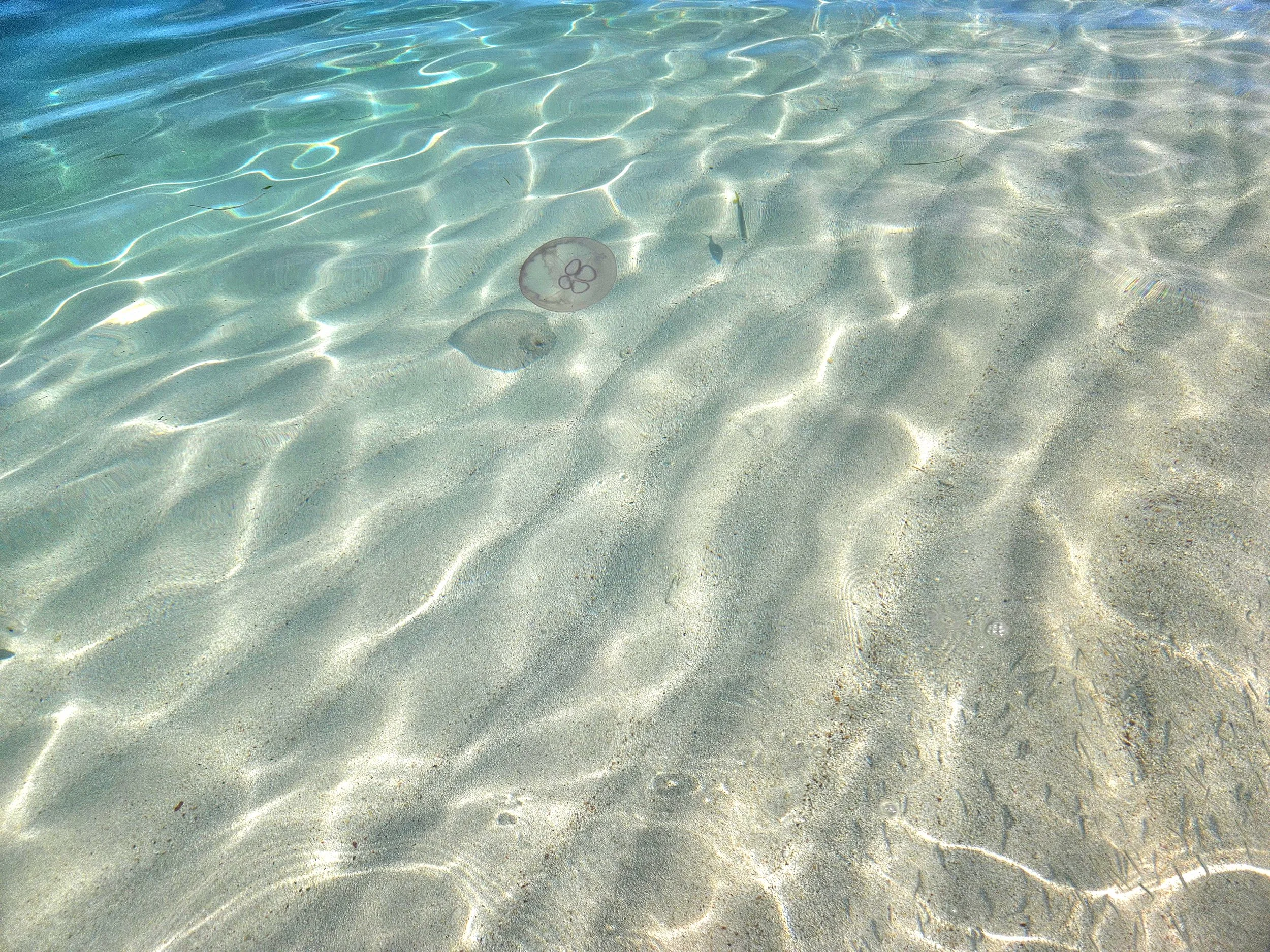
- ⚠️ Jellyfish are often present in the water, so use caution when swimming and snorkeling.
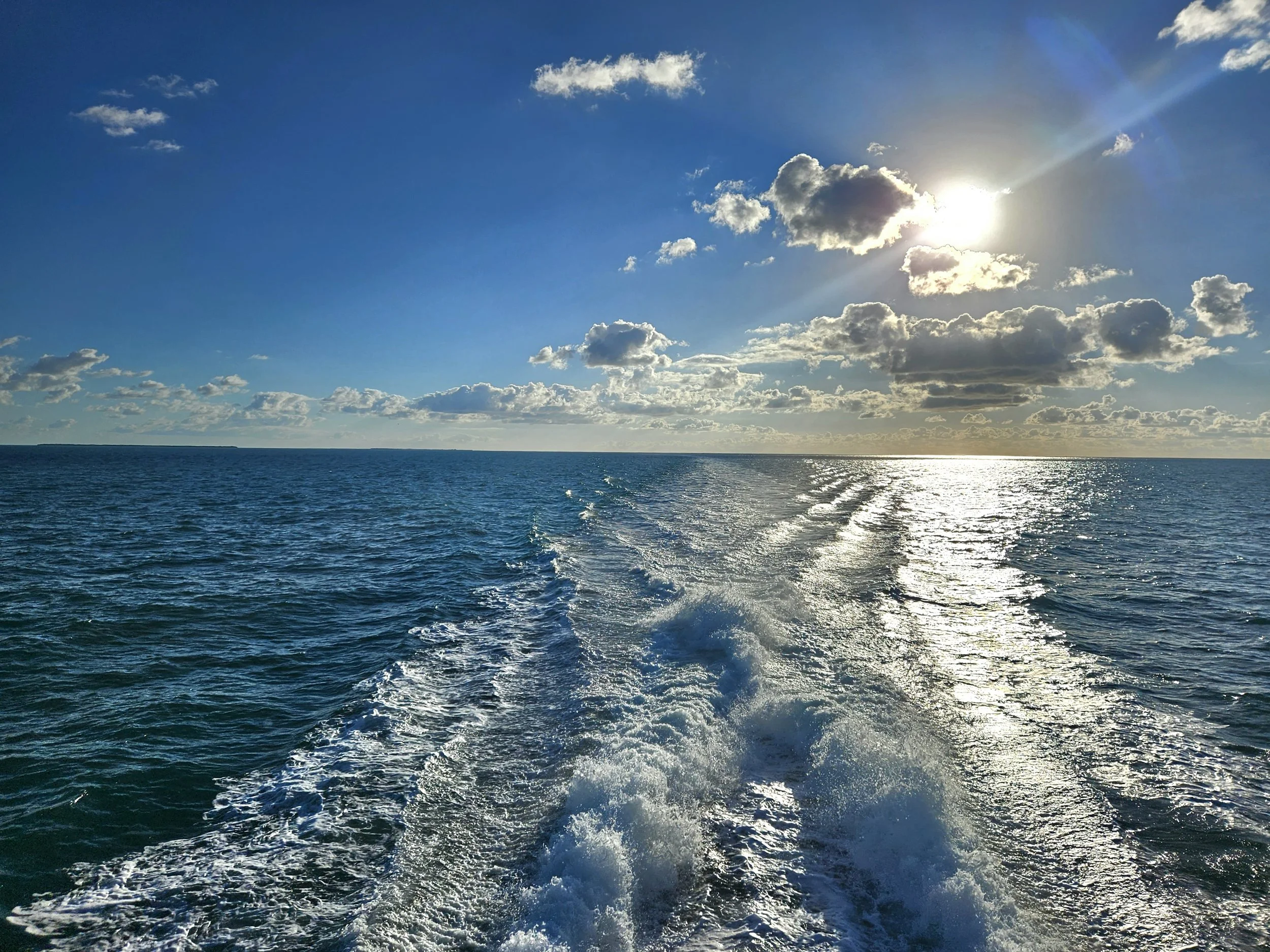
Pro Tip: When taking the ferry, be sure to keep an eye out on the water along the way. You won’t want to miss the opportunity to spot giant sea turtles, huge sting rays (some up to 5-6 feet wide), jellyfish, and even Portugese man-of-war drifting in the sea. I actually saw a 6-foot wide spotted sting ray and about 20 sea turtles during my trip out there.
Camping at Dry Tortugas National Park
Camping at Dry Tortugas National Park offers one of the most unique ways to experience it, especially once the day-trippers go home. You will practically have the entire island completely to yourself. Camping offers rare opporunties that few get - a chance to enjoy the park’s stunning sunsets, mavel at the canopy of stars that dance across it's incredibly dark skies, and stroll its peaceful beaches in complete solitude. However, it also requires careful planning.
How to Get a Campsite - No Reservation Required
There is only one campground on Dry Tortugas, and it’s located on Garden Key near Fort Jefferson. Camping is first-come, first-serve and is limited to eight individual campsites and one group site. Reservations cannot be made in advance. To camp, you must book ferry transportation through Yankee Freedom and select the camping option when purchasing your ticket. This reserves space for your gear on the ferry.
Ferry Logistics for Campers
Campers are required to visit Dry Tortugas by ferry, the same Yankee Freedom ferry from Key West that day visitors take. However, your gear will be loaded separately in designated storage containers rather than stay with you on the ride over. Upon arrival, park staff will help direct you to the campground. Most campers stay one or two nights before returning on a later ferry, which is plenty of time, but you can stay up to 14 days.
Gear You Will Need
Dry Tortugas is extremely remote, so campers must bring all necessary supplies with them and pack out everything they bring with them as there are no trash receptacles, not even at the campground.
There are strict limits on what campers can bring. Each person is limited to one 27-gallon storage bin, one cooler, and one bag/backpack (approximately 75L or less), with a combined total weight limit of 60 pounds per person.
Below is a list of some of the gear you’ll need:
Tent and sleeping gear
Food and snacks for the entire stay
Plenty of drinking water for the entire stay (at least one gallon, per person, per day)
Cooking supplies and camp stove (fires are not allowed) (I suggest bringing backpacking freeze-dried foot and a Jet Boil)
Flashlight or headlamp
Sunscreen, bug spray, and a basic first-aid kit
Limited Facilities
Camping on Dry Tortugas is very primitive. The campground provides picnic tables, charcoal grills, and composting toilets, but there are no showers, stores, or food available on the island. Fresh water is limited and should not be relied upon.
Tips and Things to Know for Camping
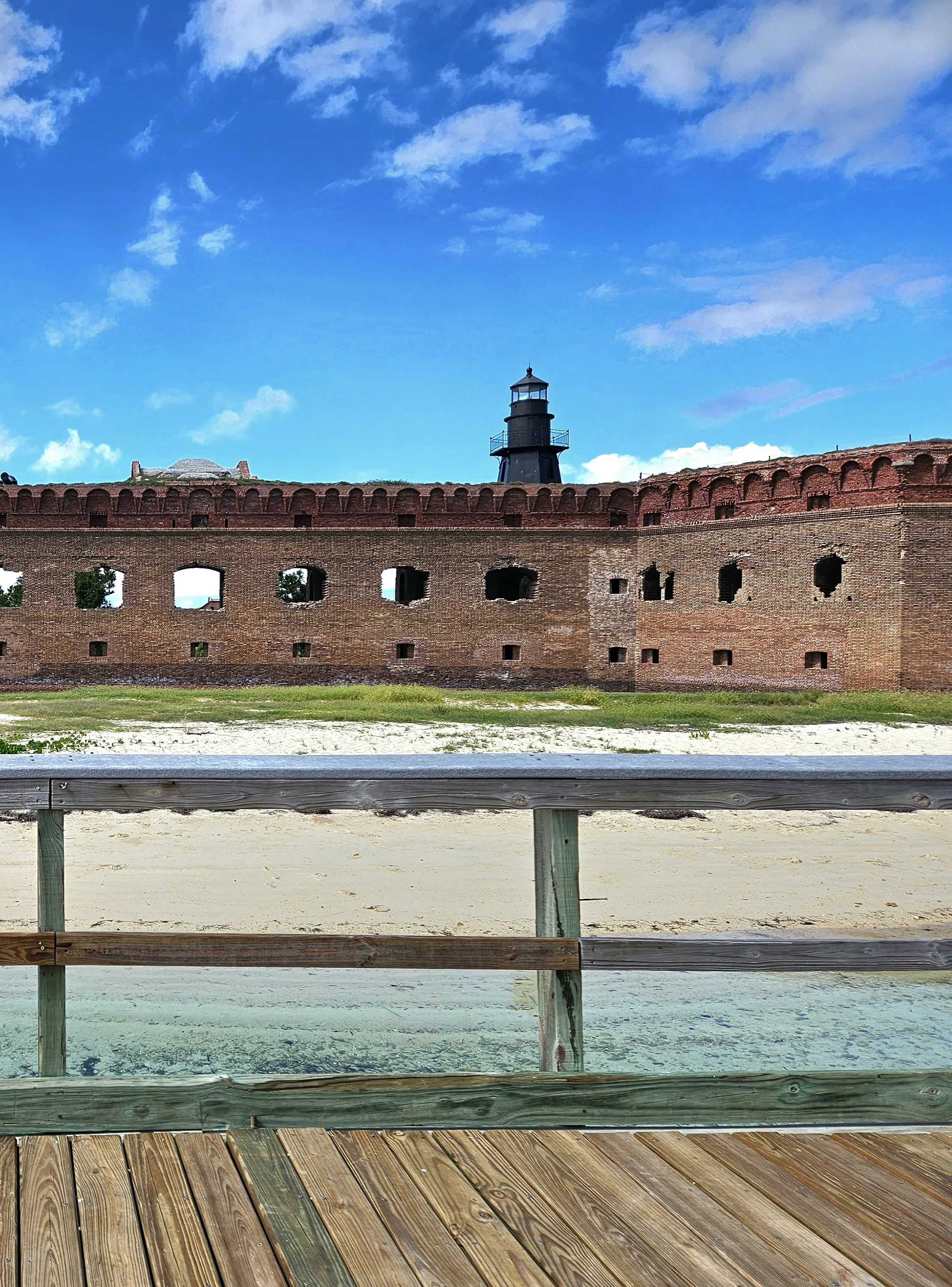
Camping costs $15 per night per campsite, and $30 per night for the group site. Like many campgrounds, bring cash or a check as credit cards are not accepted.
The campground is about a 3-5 minute walk from the dock.
The park provides rolling carts so you can easily transport gear from the dock to the campground. Even though the distance to the campground is relatively short, gear can get heavy especially under the heat of the sun. Pack efficiently and use the carts.
If you don’t have camping gear or logistics make it difficult to bring your own, you can rent camping gear in Key West.
Bring more water than you think you’ll need - at least one gallon, per day, per person.
Shade is very limited. Bring a lightweight shade structure or tarp.
Wind can be strong overnight so bring a fly and secure your tent properly using all guy lines and durable tent stakes.
Although camping is first come, first serve, you still need to let the ferry know ahead of time that you’ll be camping.
Stays are limited to 14 consecutive days.
Is Dry Tortugas National Park Worth Visiting
Dry Tortugas National Park is one of the most unique national parks in the United States. Because of the park’s remote location and limited development, visiting feels more like an adventure than a typical beach trip.
Its crystal-clear waters are perfect for snorkeling and swimming, and exploring the historic Fort Jefferson offers incredible views of the surrounding sea. The journey there—whether by ferry or seaplane—is part of the experience, and along the way on the ferry, visitors can spot sea turtles, large spotted rays, giant jellyfish, and man-of-war out in the open water.
With its fascinating history, vibrant marine life, and breathtaking scenery, Dry Tortugas makes for an unforgettable day trip from Key West and is absolutely worth visiting. I truly enjoyed visiting.
FAQs
👉FAQs for Visiting Dry Tortugas National Park
Where is Dry Tortugas National Park located and how do I get there?
Dry Tortugas National Park is located about 70 miles west of Key West, Florida in the Gulf of Mexico. The park can only be reached by ferry, seaplane, or private boat, with most visitors traveling on the Yankee Freedom ferry from Key West.
What does it cost to visit Dry Tortugas?
The entrance fee is $15 per person and is valid for seven days. For most visitors arriving by ferry, the entrance fee is already included in the ticket price.
Which is cheaper: ferry or seaplane?
The ferry is significantly cheaper. Ferry tickets usually cost around $250-260 round trip per person, while seaplane flights typically range from $500-890 per person.
Is the Dry Tortugas seaplane worth it?
Many visitors find the seaplane worth it because it offers incredible aerial views and a much shorter travel time. The flight takes about 40 minutes which allows substantially more time on the island.
How much time do you have on the island if you take the ferry?
Visitors usually have about 4 hours on the island to explore before the ferry departs back to Key West.
Is the ferry ride rough? Can you get seasick?
The ferry ride is usually calm unless winds pick up making the sea choppy. This happens more often in the winter. Some visitors may experience seasickness, especially then. Taking motion sickness medication one hour before the trip can help if you are sensitive. I always take Dramamine, going with the “better safe than sorry” method. Of course, I admit, I am very sensitive to motion sickness.
Where should I sit if I get seasick on the ferry?
The best place to sit is inside the main cabin near the middle of the boat. Avoid the front of the boat (even indoors) and the upper outdoor deck where the motion tends to be stronger.H
Do you need snorkeling gear?
If you take the ferry, snorkeling gear is included with your ticket. Visitors arriving by seaplane or private boat need to bring their own.
Do you need to bring your own foood and water?
Although ferry passengers receive a light breakfast snack and a boxed lunch, there are no restaurants or stores on the island, so visitors must bring their own food and water.
Can you stay overnight at Dry Tortugas? Does the park have lodging?
Overnight camping is allowed at Garden Key. There are no hotels or other lodging facilities located in the park.
Do I need reservations to camp at Garden Key on Dry Tortugas?
Camping is first-come, first-serve. However, when booking your ferry ticket, you must select the camping option.
How much are camping fees?
Camping costs $15 per night per campsite, and $30 per night for the group site.
What can campers bring with them on the ferry?
Campers can bring gear like tents, sleeping bags, and cooking supplies on the ferry but items are limited to one 27-gallon storage bin, one cooler, and one bag/backpack (approx. 75L or less), with a combined total weight limit of 60 pounds per person
Are fishing, spearfishing, or lobstering allowed in the park?
Fishing is only allowed in certain areas with a valid Florida fishing license. Spearfishing and lobstering are not allowed.
Does the park provide trash receptacles?
There are no trash receptacles on Dry Tortugas so visitors, including campers, must pack out all trash when leaving the island.
Are dogs allowed at Dry Tortugas National Park?
Pets are allowed in limited areas such as the campground and dock but are not permitted inside Fort Jefferson or on the beaches. My strong suggestion is to leave dogs at home given the long ferry ride out.
History of Dry Tortugas & Sea Turtle Conservation
The History of Dry Tortugas National Park

Dry Tortugas National Park has a fascinating history dating back over 500 years. The islands were first discovered by Spanish explorer Juan Ponce de León in 1513, who named them Las Tortugas meaning “the turtles” because of all of the giant sea turtles found in the surrounding waters. Later, the word “dry” was actually added to the name as way of warning sailors that the islands had no fresh water, an important thing to know.
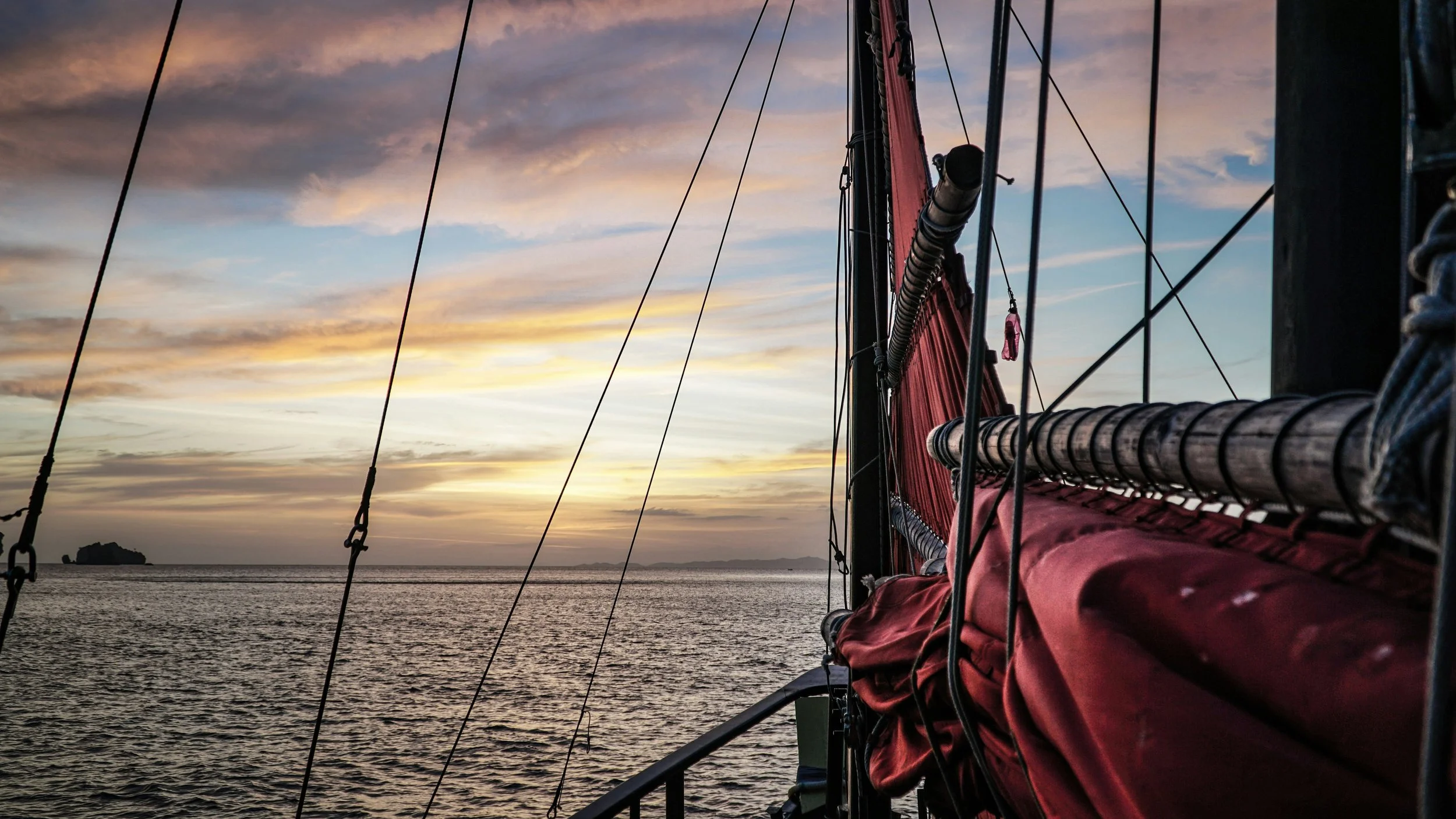
Because of its strategic location along major shipping routes between the Gulf and the Atlantic, Dry Tortugas became an important waypoint for ships navigating the Florida Straits. However, this meant that the large vessels transporting precious and valuable cargo became attractive targets for looters and pirates. This combined with rough seas and frequent hurricanes made the waters around the islands prone to shipwrecks and pirate activity.

To protect shipping interests, the U.S. decided to construct Fort Jefferson in 1846, a massive coastal fortress that still stands today. Although the fort never reached completion, it did serve as a military prison during the Civil War and was designated the Dry Tortugas National Monument in 1935.
It wasn’t until 1992 that it became officially known as Dry Tortugas National Park.
Dry Tortugas Sea Turtle Protection Measures
On the ferry ride to Dry Tortugas, the crew pointed out a tiny sliver of sand off the port side that was otherwise easy to miss. This was Loggerhead Island and part of Dry Tortugas National Park. Over the loudspeaker, we learned that environmentalists had counted over 250 sea turtle nests on the island’s mere 49 acres that year which would mean there would be about 15,000 hatchlings that summer. It was incredible to realize that what looked like just a tiny patch of land played such a crucial role in the preservation of these endangered sea turtles.
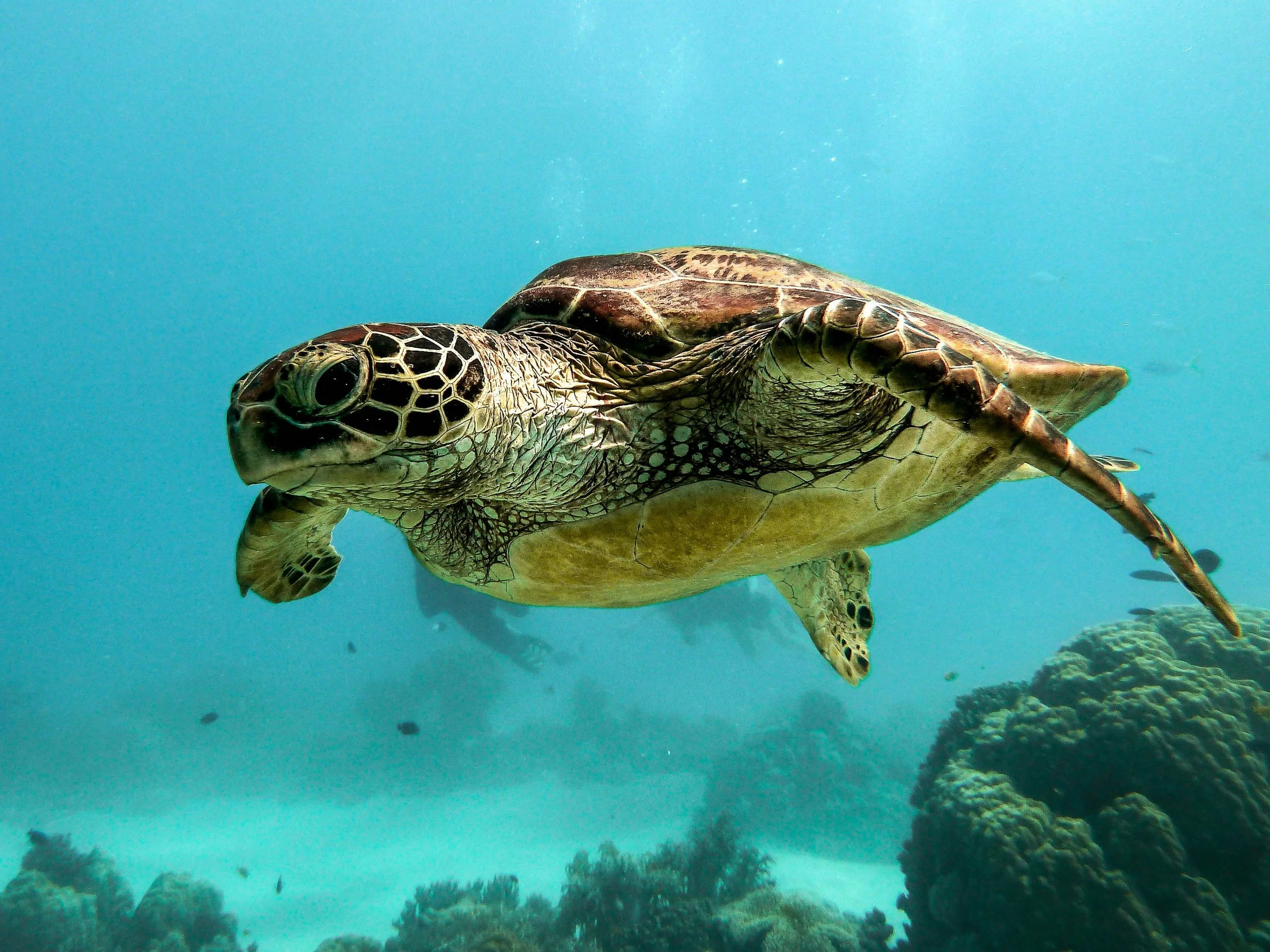
Dry Tortugas National Park provides critical habitat for several species - green sea turtles, loggerheads, hawksbills, and leatherbacks. The park is considered one of the most important sea turtle nesting areas in the United States where female turtles come ashore between April and September to lay their eggs.
Because the park is so remote and largely undeveloped, it offers the ideal nesting conditions - minimal disturbances and coral reefs and seagrass beds that offer feeding grounds for these threatened and endangered species.
Download the Free 1-Day Dry Tortugas Itinerary
If you’re visiting Dry Tortugas on a day trip, it helps to have a simple plan so you can make the most of your time on the island. Most visitors arrive by ferry leaving them with about four hours to explore. This is plenty of time to see Fort Jefferson, snorkel in the clear turquoise water, and relax on the beach.
The itinerary below offers an easy way to experience the highlights of the park while still leaving time to slow down and enjoy the scenery. 👉Download my complete itinerary for a more detailed guide and keep it handy during your trip.
One Day Dry Tortugas Itinerary
| Time of Day | What to Do |
|---|---|
| 🌅 Morning |
⛴️ Arrive via ferry or seaplane 🗺️ Ranger orientation and visitor center 🏰 Walk the walls of Fort Jefferson |
| ☀️ Midday |
🤿 Snorkeling and swimming near the moat wall 🏖️ Relax on the beach |
| 🌤️ Afternoon |
🚶 Walk the island trails 🌊 Final swim before departure |
More Florida Travel Guides
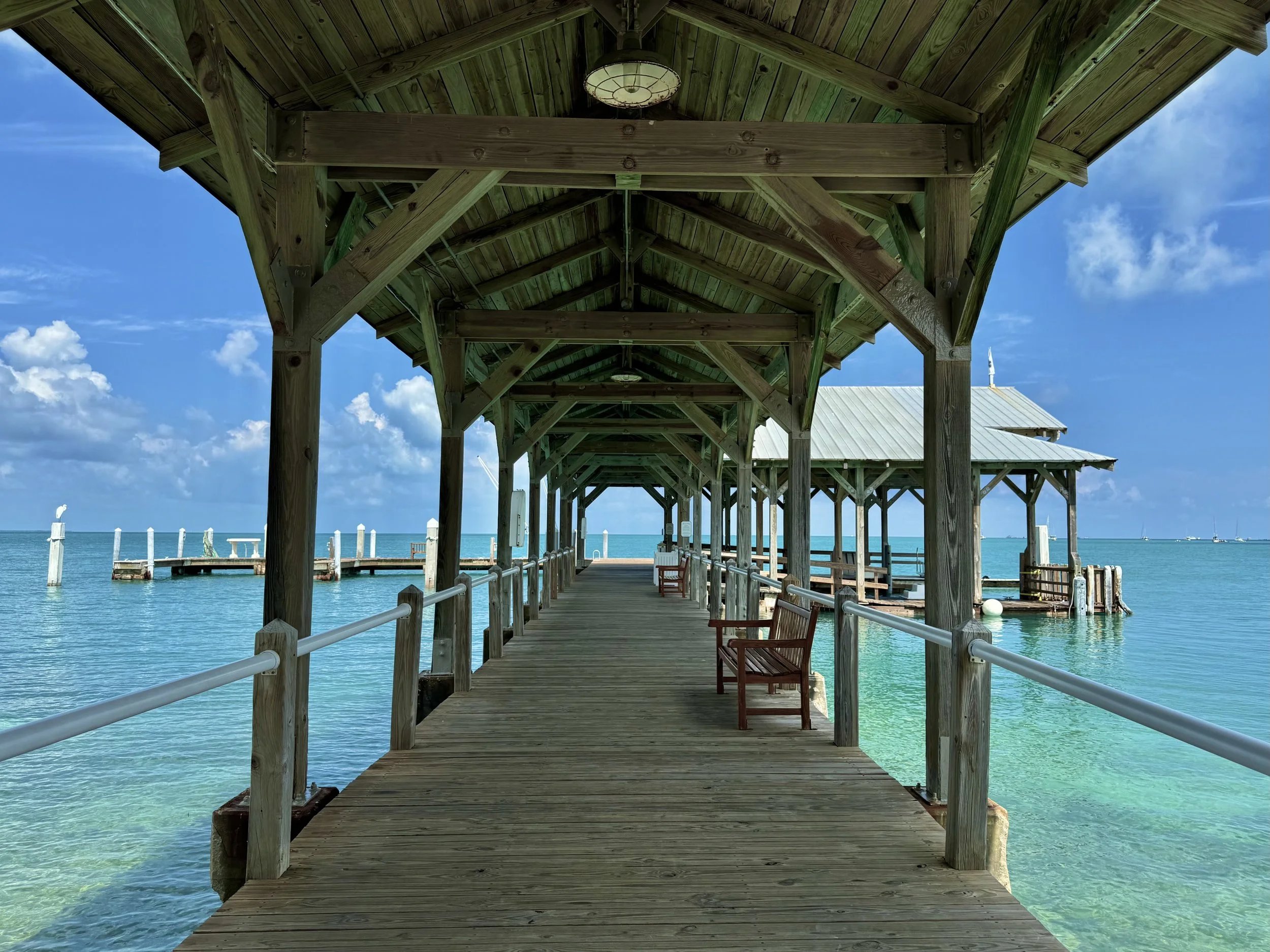
Discover Roosters, Rum & Coastal Charm - A Complete Guide to Key West
Best Waterfront Restaurants in Key West - Where to Dine With a View
Miami to Key West Road Trip: Best Stops Along the Overseas Highway