
The Ultimate Yosemite National Park Travel Guide
When to Go, What to Do & What to Know
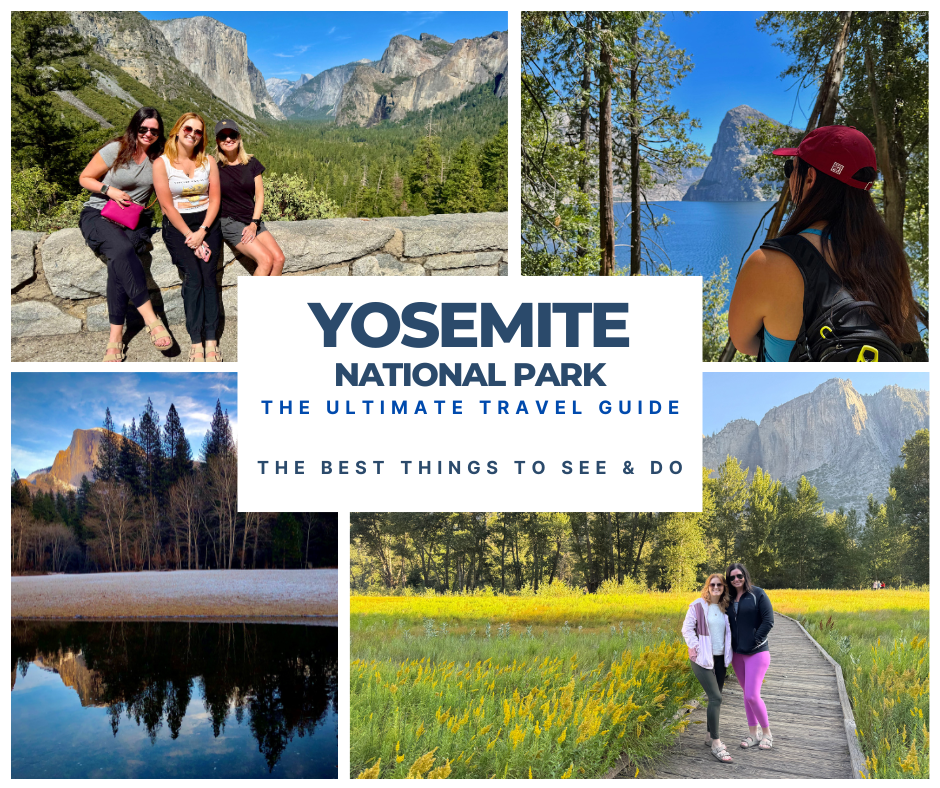
Yosemite National Park is one of California’s most breathtaking national wonders, shaped over millions of years by glaciers and tectonic forces. The park’s landscape is defined by dramatic granite cliffs with sheer walls, a valley bursting with wildflowers in spring, lush meadows, and crystal-clear streams. It is home to an ancient old growth forest of towering giant sequoias, incredible hiking trails, and some of the most spectacular waterfalls in the world.
Whether you're planning your first visit or returning to explore more of the park, this guide covers everything you need to know—from the best time to visit and must-see attractions to practical tips and frequently asked questions.
👉 Planning to visit Yosemite? Be sure to get my step-by-step 5-Day Yosemite National Park Itinerary to help you plan your days.
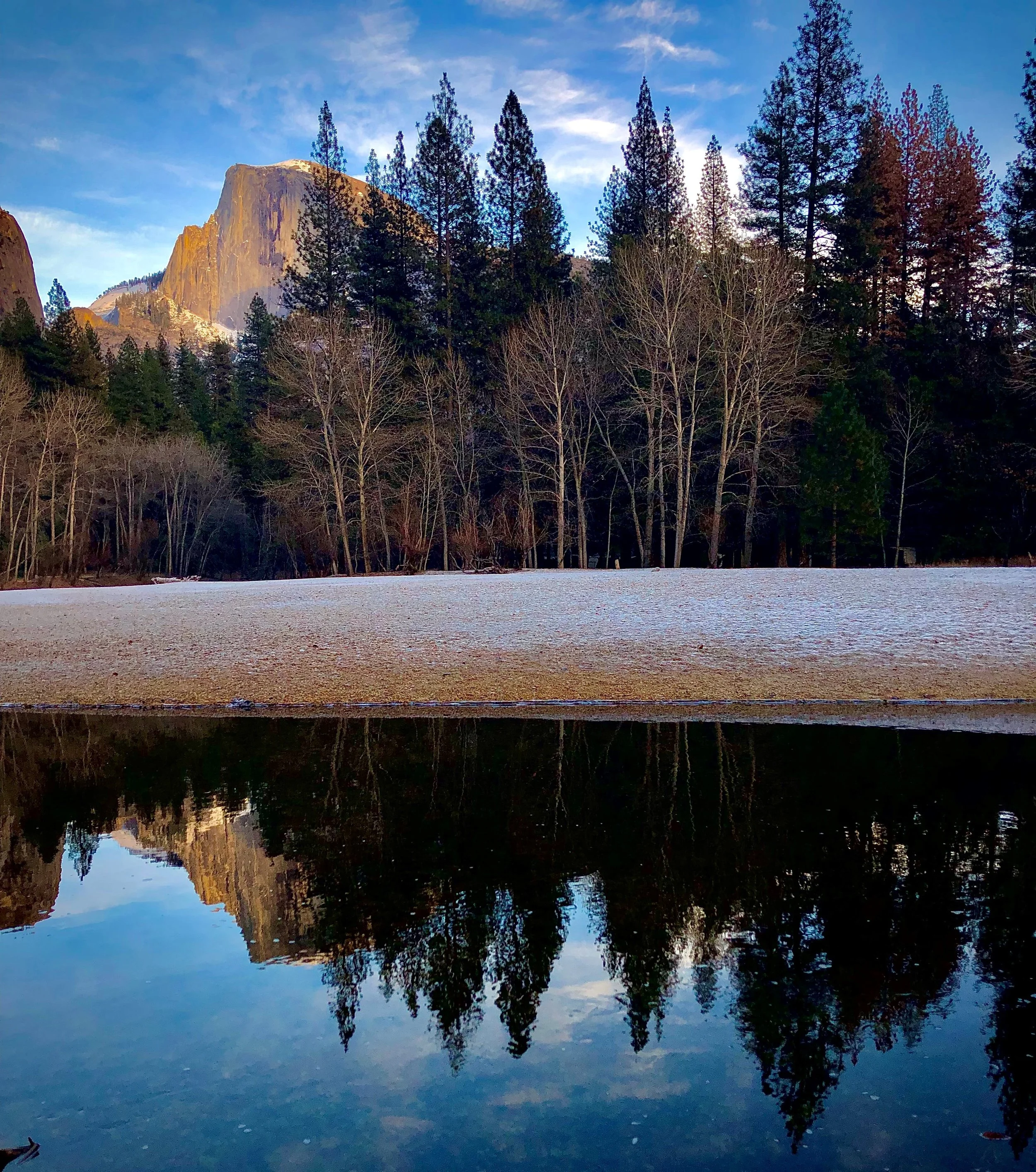
Yosemite National Park at a Glance
📍 Location: Central California, Sierra Nevada Mountains
🌲 Known For: Half Dome, El Capitan, Yosemite Falls, giant sequoias, granite cliffs, and breathtaking alpine scenery.
🚗 Best Things to Do: Drive Glacier Point Road and Tioga Road (seasonal), hike to Yosemite Falls or Vernal Fall, photograph Tunnel View, visit Mariposa Grove, and explore Yosemite Valley.
🕒 Recommended Visit: 2–4 days (or longer if you plan to hike)
🚘 Transportation: A personal vehicle is the easiest way to explore most of the park. During the busy season, use the free Yosemite Valley Shuttle whenever possible to avoid parking headaches.
🧭 Approximate Drive Times:
San Francisco: 4 hours
Sacramento: 3½ hours
Fresno: 2½ hours
Los Angeles: 6 hours
⭐ Perfect For: Hikers, photographers, families, rock climbers, wildlife lovers, scenic drives, and first-time national park visitors.
🗺️ Yosemite National Park Interactive Map
Use the interactive map below to help plan your Yosemite National Park adventure. I've pinned the park's most iconic viewpoints, waterfalls, hiking trails, scenic drives, visitor centers, and other must-see attractions to help you make the most of your visit.
✨ Pro Tip: Save this map before your trip so you can easily access it while exploring the park. Cell service is limited throughout much of Yosemite National Park, and having your route planned in advance can save you both time and frustration.
Table of Contents
❤️ Why You'll Love Yosemite National Park
Towering granite cliffs, thundering waterfalls, giant sequoias, and some of the most iconic scenery in the world make Yosemite a destination every outdoor lover should experience at least once. Whether you're hiking to panoramic viewpoints, photographing Half Dome at sunrise, or simply enjoying a picnic in Yosemite Valley, it's easy to see why millions of visitors fall in love with this remarkable park every year.
Reasons You'll Love Yosemite at a Glance
🏔️ Home to iconic landmarks like Half Dome and El Capitan
💦 Spectacular waterfalls, especially in spring
🥾 Incredible hiking for every skill level
🌲 Giant sequoia groves and breathtaking mountain scenery
📸 One of the most photogenic national parks in America
🚗 Scenic drives with unforgettable viewpoints
👨👩👧👦 Great for families, photographers, hikers, and wildlife lovers
Is Yosemite National Park Worth Visiting?
Absolutely. Yosemite National Park is one of the most iconic and breathtaking national parks in the United States and one of my favorites. From towering granite cliffs and cascading waterfalls to giant sequoias and world-class hiking, Yosemite offers unforgettable scenery for every type of traveler. Yet, my connection to it goes far beyond its famous scenery.
Over the years, Yosemite has been the setting for some of my most treasured family memories. It was the destination of my son's very first camping trip. We camped in tents, and it snowed so much that first night our tents actually began sagging under the weight. To my surprise, instead of wanting to go home, the experience sparked his lifelong love of camping and the outdoors.
That tradition of winter camping continued with my granddaughter. Some of my favorite memories include pulling her through the snow-covered campground on a sled, ice skating together at Curry Village, having snowball fights, and warming our hands with hot chocolate beside the fireplace at the historic Ahwahnee. Summer brought a different kind of adventure as we floated down the Merced River splashing water at each other under the afternoon sun.
For me, Yosemite is much more than a bucket-list destination. It's a place where my family's love of nature, adventure, and travel grew through one unforgettable trip after another.
Know Before You Go
Getting To Yosemite National Park
Yosemite National Park is located in central California, in the western foothills of the Sierra Nevada mountains, primarily within Tuolumne County.
The park can be accessed through several entrances, each serving different areas of Yosemite.
📍 Park Entrances:
Arch Rock Entrance (Highway 140) – Best route from Merced and central California.
South Entrance (Highway 41) – Main access from Fresno Airport and Southern California.
Big Oak Flat Entrance (Highway 120 West) – Best route from San Francisco and Northern California.
Tioga Pass Entrance (Highway 120 East) – Seasonal entrance from the Eastern Sierra. Note it is usually closed in winter from late fall (November) through spring (late May or early June).
Hetch Hetchy Entrance – Access point for Hetch Hetchy Reservoir and entrance if visiting Rush Creek Lodge & Spa.
✈️ Nearby Airports:
The closest major airport to Yosemite National Park is Fresno International Airport (FAT), located about 2-1/2 hours from the park. A closer but smaller airport is the Merced Regional Airport (MCE), located about 2 hours, although it offers fewer flight options and fares are generally higher. Other popular options are Sacramento International Airport (SMF) or San Francisco International Airport (SFO) which offer more frequent flights especially for international travelers.
Best Time to Visit Yosemite

Yosemite National Park spans a wide range of elevations, from approximately 2,000 feet in the foothills to over 13,000 feet along the Sierra Nevada crest.
The Valley itself sits at approximately 4,000 feet. Accordingly, weather conditions can vary significantly throughout the park and across seasons. Mornings and evenings tend to be chilly year round, even during the summer. Yosemite Valley receives about 37 inches of rain and snow annually, and higher elevations often get several feet of snow in the winter.
Yosemite experiences four distinct seasons:
🌸 Spring (March to May) - Temperatures range from the mid-40s to the low 70s °F with occasional showers. This is when the park’s waterfalls and wild flower blooms are at their peaks.
☀️ Summer (June to August) - Days are warm to hot with average highs of 85-95°F. Evenings can get cool with lows of 50-60 °F. Rain is rare and waterfalls may be dried up.
🍁 Fall (September to November) - Fewer crowds, crisp air and stunning fall foliage. Average highs are 65–80 °F with lows of 35-45 °F.
❄️ Winter (December to February) - Snow often blankets the ground and crowds head home, but it can get quite cold and many roads i.e. Tioga Pass, will likely be closed. Chains are usually required. Average highs are 45-55 °F with lows of 25-30°F.
Tips for Visiting Yosemite
Below are some tips and things to know before visiting.
👉 If you’re looking for a more detailed itinerary, get my 5-Day Yosemite National Park Full Itinerary.
Yosemite National Park is in California and observes Pacific Time.
During peak season—typically from late spring through late summer or early fall - day-use reservations are required to enter the park. Availability is limited, so reservations should be booked online in advance.
Arrive early when entering the park in order to avoid extremely long wait times which can exceed several hours in summer.
Dress in layers. Weather can change quickly. Be sure to carry a light weight rain jacket even in summer, along wth warmer layers for cool mornings and evenings.

YARTS (Yosemite Area Regional Transportation System) provides seasonal public transportation into Yosemite National Park from surrounding gateway communities, including routes along Highway 120, with service into Yosemite Valley.
Parking is very limited inside the park.
Once in the park, Yosemite offers the free Yosemite Valley Shuttle System in Yosemite Valley, which runs throughout the day and provides an easy way to get around major stops without needing to move your car.
Pets are allowed in Yosemite National Park, but strict rules apply.
Pets must be leashed at all times (no longer than 6 feet) and are only allowed in certain areas including campgrounds, picnic areas, parking lots, and paved roads and sidewalks. Pets, other than service animals, are not allowed on shuttle buses, hiking trails, wilderness areas, or unpaved surfaces.
Best Things to Do in Yosemite National Park
There is no shortage of things to do in Yosemite National Park, from stunning viewpoints and peaceful meadows to towering waterfalls and scenic hikes. Below are some favorite iconic spots or 👉 get my full itinerary guide for day-by-day suggestions.
Iconic Yosemite Sights
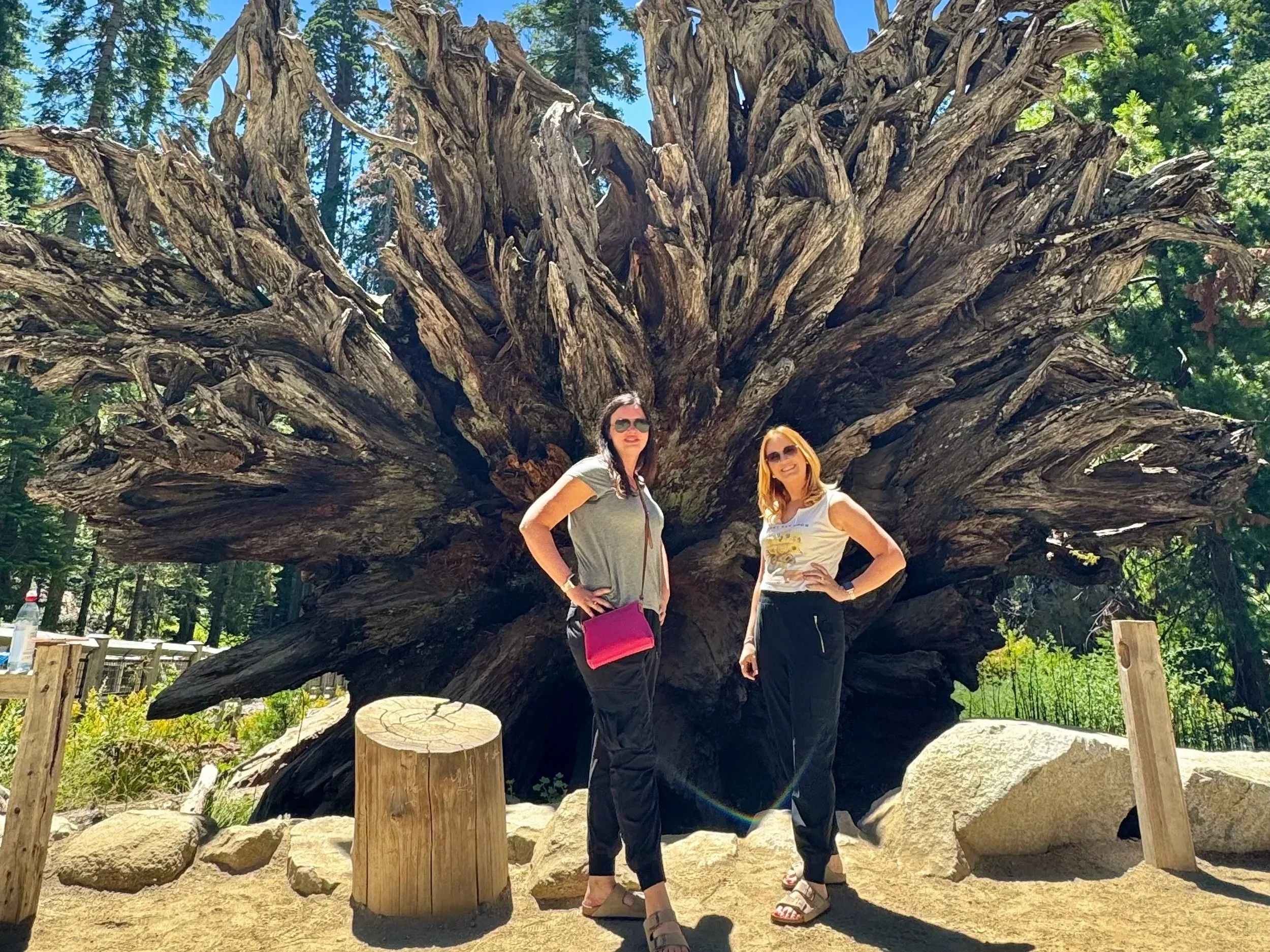
🌲 Stare Up in Awe at the Giant Sequoias at Mariposa Grove
The Mariposa Grove is Yosemite’s largest old growth forest featuring over 500 towering giant sequoias.

Take a walk among the giants and stand in awe at Grizzly Giant, one of the oldest living organisms on earth towering over 200 feet tall, then visit the California Tunnel Tree where visitors have been walking through its carved out trunk since 1895.
Other highlights include the famous Bachelor and Three Graces and the Mariposa Grove Museum where you can learn more about this remarkable forest.



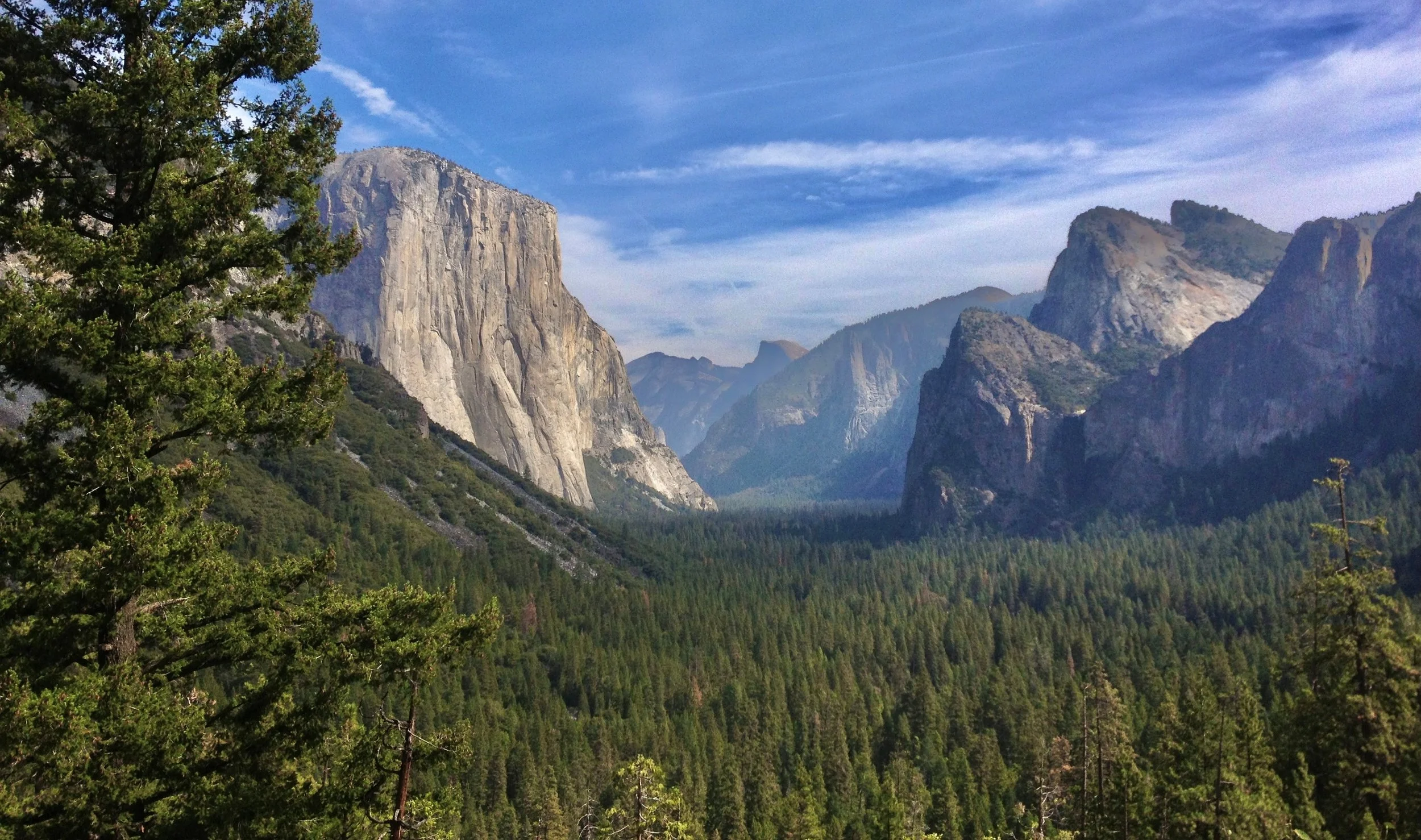
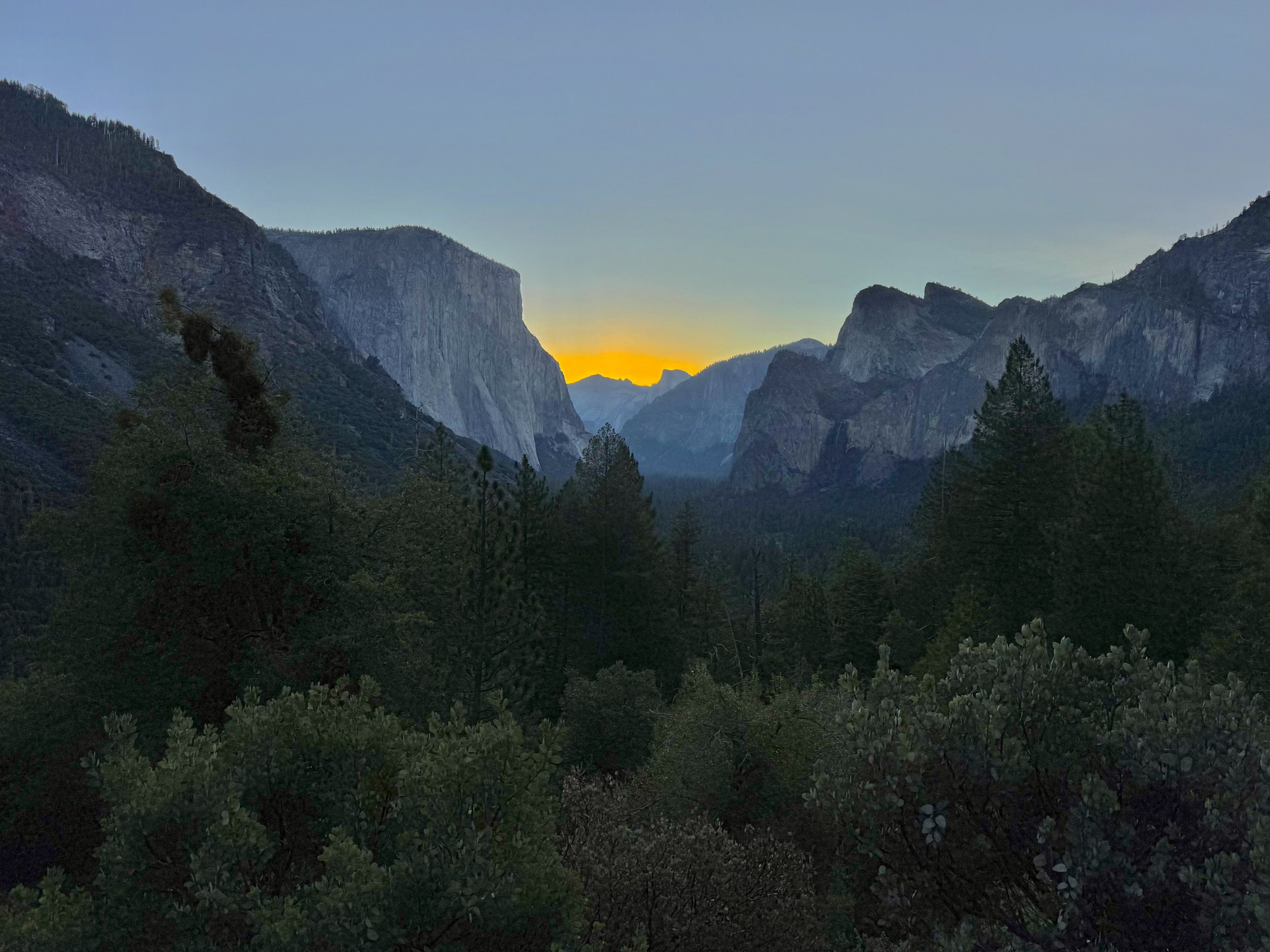
📸 Marvel at the Stunning Yosemite Landscape at Tunnel View
Perhaps the most stunning scenic overlook of the entire park located just outside the Wawona Tunnel on Hwy. 41.

This spot welcomes visitors with panoramic, sweeping views of Yosemite Valley including some of its most iconic landmarks - El Capitan, Bridalveil Fall, and Half Dome.
It will leave you breathless as the view draws you into the quiet stillness of the park. It is one of those few places that humbles you, making you feel ever so small and insignificant in the world much like standing at the edge of the ocean.
🌄 Catch a Sunset at Glacier Point
Glacier Point is an ideal spot to catch the sunset. The main overlook provides stunning panoramic views of Half Dome, Yosemite Valley, Vernal Fall, and Nevada Fall.

As the sun starts to dip below the horizon, the surrounding peaks will light up in striking shades of crimson, orange, pink, and purple putting on a spectacular show.
If you’re feeling adventurous, consider hiking to Glacier Point via the Panorama Trail. This challenging 17 mile round-trip hike will take about 4-6 hours each way, but the effort is worth it. Along the way, you’ll be rewarded with breathtaking views of Half Dome, Yosemite Valley, and Glacier Point as well as Vernal Fall, Nevada Fall, and Illilouette Fall.
Off The Beaten Path Adventures
🏞️Explore the Lesser Known Hetch Hetchy Reservoir
Located in a remote corner of northwestern Yosemite National Park, Hetch Hetchy Reservoir is one of the park's best-kept secrets. With its dramatic granite cliffs, sparkling blue water, and seasonal waterfalls, it's easy to see why John Muir once compared the valley to Yosemite Valley itself.

I recently visited Hetch Hetchy on a girls' trip and absolutely loved it. Unlike the busy Yosemite Valley, we enjoyed peaceful hiking trails, breathtaking scenery, and very few other visitors.
If you're looking to escape the crowds and experience a quieter, lesser-known side of Yosemite, Hetch Hetchy is well worth adding to your itinerary.

🥾 Hetch Hetchy Reservoir Trail Information:
Wapama Falls (5 miles round trip) - moderate hike with sweeping views of the water best done during Spring and early Summer.
Tueeulala Falls (4 miles round trip) - moderate hike to a seasonal waterfall that is along the way to Wapama Falls.
Rancheria Falls (13 miles round trip) - long day hike or great for a backpacking trip with river access, stunning views, and wildflowers.
Lookout Point (2 miles round trip) - less traveled route with beautiful views through a steep, rugged trail.


Waterfalls & Scenic Hikes
💦 Hike & Explore Yosemite Falls

Yosemite Falls is divided into three sections - lower, middle and upper Yosemite Falls.
You can choose to hike just part of it or all of it. If you decide to do the entire trail to the top of the falls, it’s about 7.2 miles round trip, strenuous, and climbs approximately 2,700 feet in elevation.

🥾 Yosemite Falls Trail Information:
Columbia Rock (1 mile one way) - For a short hike, head up the switchback trail about a mile to Columbia Rock with incredible views of Half Dome and Yosemite Valley then head back.
Middle Yosemite Falls (2 to 2.5 miles one way) - Past Columbia Rock, the trail becomes much steeper heading up to Middle Cascades with partial views of Middle Yosmite Falls.
Upper Yosemite Falls (3.6 miles one way) - this part of the trail is strenuous with guardrails but worth the hike as it provides stunning views and a peek 2,400 feet down the waterfall itself.
💦 Visit Bridalveil Fall
Bridalveil Fall plunges 620 feet down a granite cliff, creating a misty cascade. A short paved path winds through a grove of evergreens to the base of the falls where you can feel the cool spray of the water, and hear its thunderous roar.

The waterfall’s delicate mist often catches the sunlight resembling a bride’s veil from which the Fall derived its name.
For those seeking a longer hike, there is 11.5 mile loop that takes you to open meadows with views of the Merced River and El Capitan.
💦 Hike Mist Trail to Vernal and Nevada Falls
Mist Trail is one of Yosemite’s most breathtaking hikes taking you to two of its tallest waterfalls - Vernal Fall and Nevada Fall.
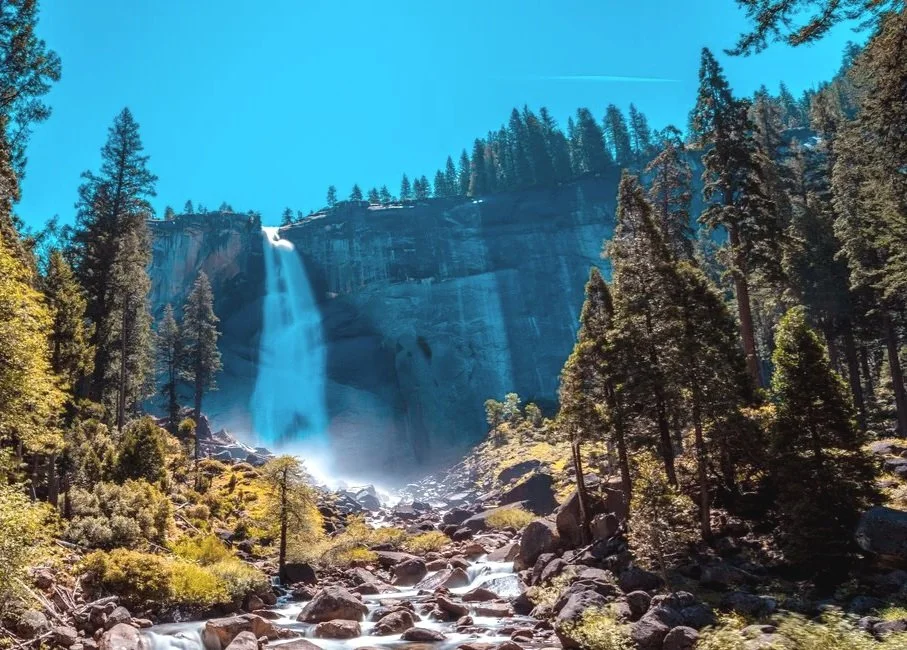
The trail is lined with towering pines, moss-covered rock, and wildflowers. As you approach the footbridge at Vernal Falls, you will feel the spray and hear the rushing water ahead.
Here, you will find beautiful views of the river and valley below. If you keep on to Nevada Fall, you will be greeted with a stunning cascade of water plunging 600 feet down the granite cliff.
Vernal Fall Footbridge - 1.6 miles round trip.
Vernal Fall Summit - 3 miles round trip, 1,000 feet.
Nevada Fall Summit - 7 miles round trip, 1,900 feet.
🏞️ Hike to the Stunning Mirror Lake
An easy hike to a seasonal lake that, when full, perfectly mirrors Half Dome off calm, pristine waters.

The paved trail is about 2 miles round trip, out and back, making it a perfect hike for families.
If you’re up for more of an adventure, you can take a full 5-mile loop around the lake winding quietly through the trees offering even more stunning views of towering granite cliffs. By late summer, the lake often dries up into a marshy meadow but it’s still worth visiting especially in the softer light of dawn or the golden hour glow of sunset.
Easy Walks & Relaxing Spots
🧺 Picnic at El Capitan Meadow
El Capitan Meadow is the perfect spot to enjoy a picnic lunch. Located in the heart of Yosemite Valley, the wide-open grassy area provides a peacful setting where you can soak in the incredible views of El Capitan in the distance.
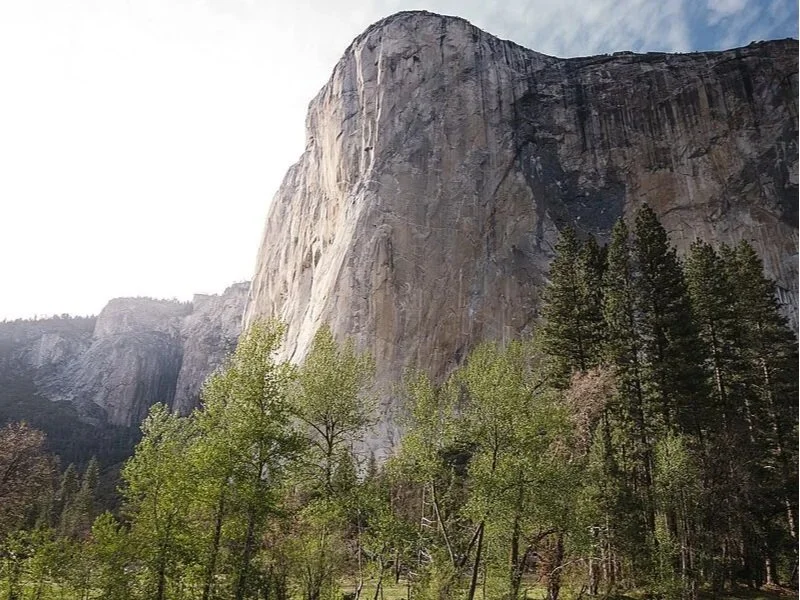
It’s located along Northside Drive in Yosemite Valley just a short drive or shuttle ride from Yosemite Village.
🌿 Stroll the Boardwalk at Cook’s Meadow
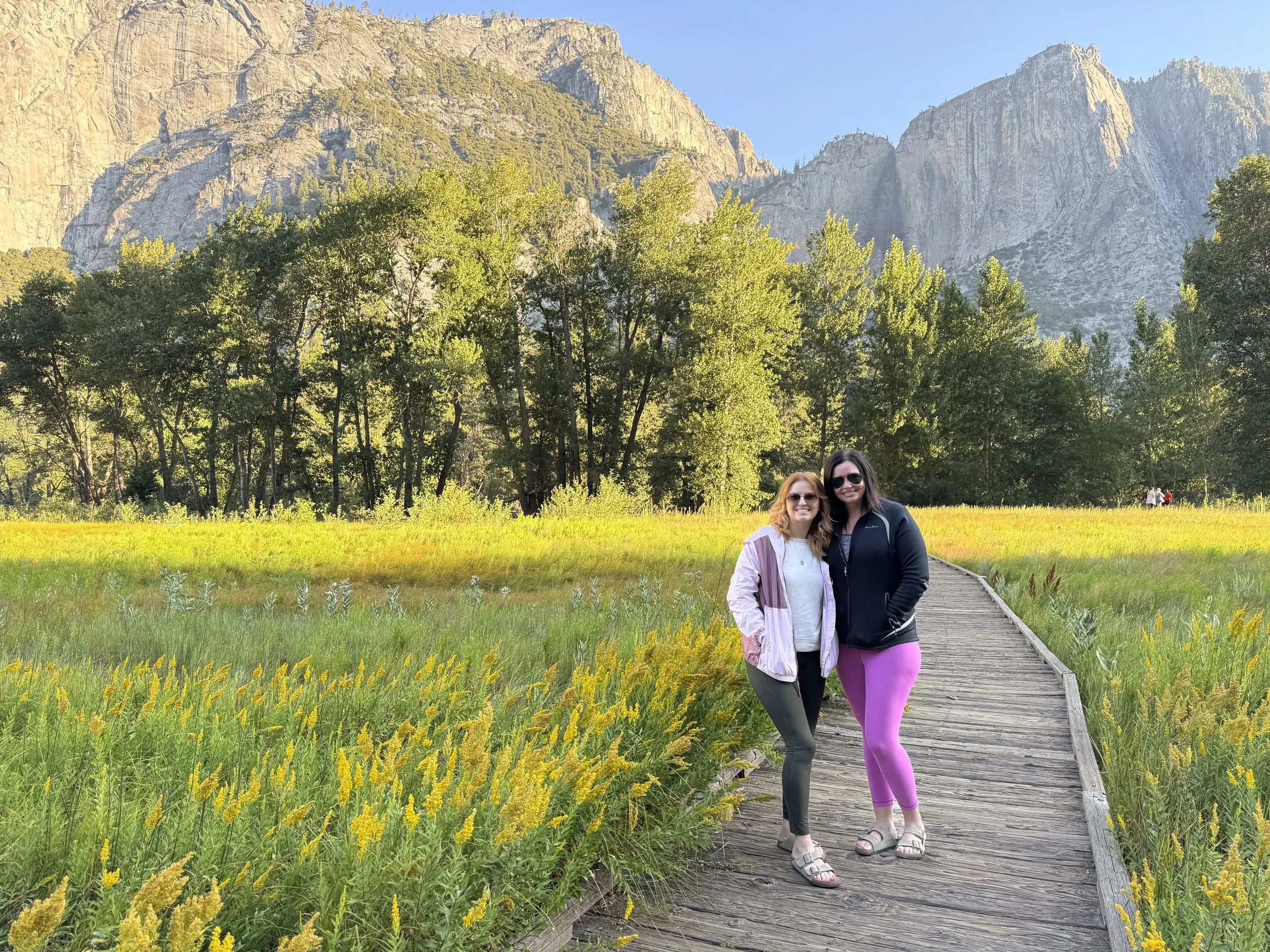
The wooden boardwalk at Cook’s Meadow is an ideal spot for a leisurely stroll to one of Yosemite’s most beautiful meadows. Here you can see three of Yosemite’s iconic landmarks - Half Dome, Sentinel Rock, and Yosemite Falls.

The trail is flat, paved, and only a half mile round trip. After reaching the meadow, continue about a half mile further to Sentinel Bridge where you will find some of the most stunning reflections of Half Dome off the pristine water below.
Frequently Asked Questions
📅 When is the best time to visit Yosemite National Park?
Spring and fall are the best times to visit Yosemite National Park. Weather is moderate and there are fewer crowds. Summers can be very busy and quite warm, while winters bring cold weather and shorter days. There are frequent road closures in winter and chains are often required.
🎟️Do you need a reservation to enter Yosemite National Park?
Yosemite National Park requires day-use reservations during peak season from late Spring through late summer/early fall. Reservations are limited so be sure to book online ahead of time to secure your spot. Do not rely on purchasing entry at the gate.
👥 Is Yosemite National Park crowded?
Yosemite National Park can get extremely crowded, especially during summers and holidays. To help manage crowds, timed entry is required during peak season. Be sure to arrive at the entrance gates early each day to help avoid long entry lines which can sometimes mean waiting 3-4 hours just to get into the park.
🎟️ Is there an entrance fee for Yosemite National Park?
Yosemite National Park charges an entrance fee of $35 per vehicle, which is valid for seven days. If you have an Annual America the Beautiful Pass, the entrance fee is waived. Families with a fourth grader can also take advantage of the free Every Kid Outdoors annual pass, which covers entrance fees for the entire car - the child and all accompanying passengers. For details on additional passes and eligibility, visit the park’s official website.
🐻 Are there bears in Yosemite National Park? Is it safe?
Yosemite National Park is home to black bears but there are no brown or grizzly bears there. While black bears are common throughout the park, they usually avoid people and there are rarely any issues with visitors. Yosemite is safe to visit as long as you follow proper food storage rules, use the bear lockers, and avoid approaching and feeding wildlife. These precautions are mandatory for all visitors and if followed, few visitors will ever encounter a bear.
❄️ Is Yosemite open in the winter? Is it too cold to visit?
Yes! Yosemite National Park is open year-round, although some roads, campgrounds, and services close for the winter. Shuttle service is reduced, and snowfall can lead to temporary road closures, but winter is one of the most beautiful—and least crowded—times to visit.
I've camped in Yosemite many times during the winter, and while temperatures can be quite cold, the experience is absolutely magical if you're prepared. Expect snowy landscapes, peaceful trails, and far fewer visitors than you'll find during the busy summer months.
If you're visiting in winter, be prepared for icy road conditions and carry tire chains. Chain requirements are common after snowstorms and may be mandatory, even for vehicles with four-wheel drive.
💦 Do the Yosemite waterfalls flow year round?
Yosemite waterfalls do not flow year round. Many waterfalls dry up in the summer and freeze in the winter. The best time to experience Yosemite’s waterfalls is in the spring especially after a winter with heavy snowfall and rain.
More Yosemite National Park Travel Guides
Yosemite’s famous Firefall at Horsetail Fall is one of the park’s most spectacular seasonal events. I was recently quoted in TravelHostdiscussing the phenomenon and why timing and conditions are so important to seeing it at its best. You can read the full article here.
World Class Spa at Yosemite - The Glamorous Side of Yosemite
The Most Unique Place to Stay in Yosemite - Rush Creek Lodge & Spa