
Best Things to Do in Death Valley National Park
Where Nature Pushes Every Limit
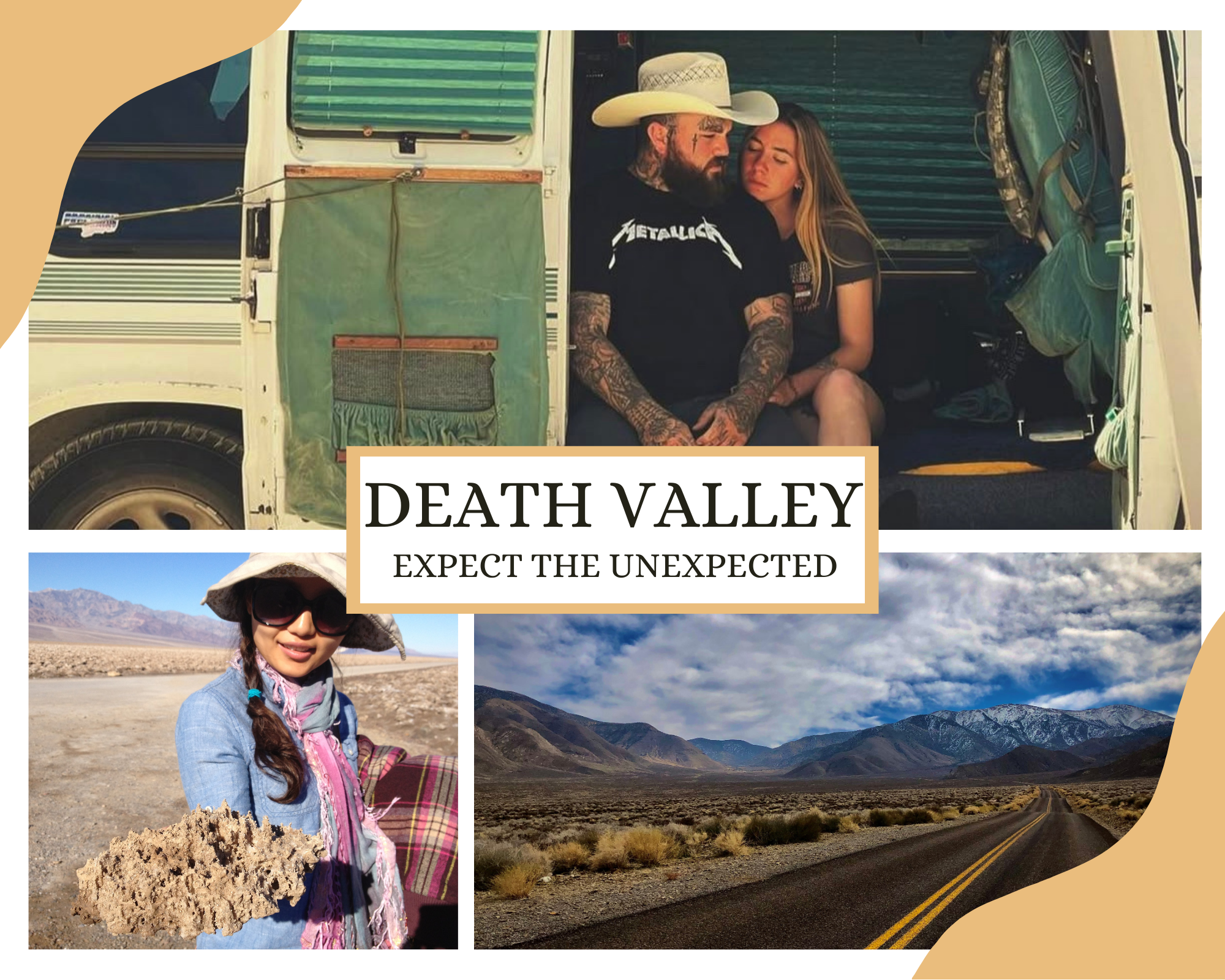
“There’s nothing worth seeing in Death Valley…” said no one ever who has actually been there.
Despite its ominous name and attractions like Badwater Basin, Funeral Mountain, Coffin Canyon, and Devil's Golf Course, Death Valley National Park is anything but bleak. Tucked away in eastern California near the Nevada border, this incredible landscape is one of the most fascinating and underrated national parks in the country.
Stretching across more than 3,000 square miles between the Panamint and Amargosa Mountain Ranges, Death Valley is a land of astonishing extremes. Here you'll find Badwater Basin, the lowest point in North America at 282 feet below sea level, and Telescope Peak, soaring to 11,049 feet—an elevation change even greater than that of the South Rim of the Grand Canyon. The park also contains the largest escarpment in the United States, where faulting and erosion have created dramatic cliffs rising from the valley floor.
Whether you're standing on endless salt flats, wandering through colorful hills painted by nature, climbing towering singing sand dunes, or exploring mysterious moving rocks, Death Valley constantly defies expectations. It's the perfect destination for anyone seeking breathtaking scenery, outdoor adventure, and a national park that still feels surprisingly uncrowded.
👉 Planning a Death Valley road trip? Don't miss my complete Eastern Sierra Road Trip Guide complete with a downloadable Highway 395 must-see checklist to discover ghost towns, hot springs, alpine lakes, and other unforgettable stops nearby.
Death Valley at a Glance
📍 Location: Eastern California along the Nevada border
⭐ Known For: Extreme landscapes, Badwater Basin, colorful mountains, and North America's lowest elevation
🚗 Best Things to Do: Badwater Basin, Artist's Palette, Mesquite Flat Sand Dunes, Zabriskie Point, Dante's View, Racetrack Playa
☀️ Best Time to Visit: Late fall through early spring
💲 Cost: National Park entrance fee (America the Beautiful Pass accepted)
🚘 Transportation: Private vehicle recommended; many attractions are spread far apart
🧭 Approximate Drive Times:
Las Vegas – 2 hours
Lone Pine – 1.5 hours
Bishop – 3 hoursFurnace Creek – central park hub
⭐ Perfect For: Photographers, road trippers, hikers, and anyone who loves geology or is seeking dramatic desert landscapes
🗺️ Interactive Map
Use this interactive Death Valley National Park map to discover the park's most incredible viewpoints, scenic drives, hiking areas, ghost towns, sand dunes, and other must-see attractions. Whether you're visiting for a day or exploring the park on a road trip, this map will help you plan your route and make the most of your adventure.
Table of Contents
❤️ Why You'll Love Death Valley National Park
At first glance, Death Valley might seem like a barren, lifeless desert. In reality, it's one of the most fascinating national parks I've ever explored. From standing below sea level at Badwater Basin to watching the hills glow with vibrant colors at Artist's Palette, nearly every stop feels like you've landed on another planet. Despite its reputation for extreme heat, Death Valley is surprisingly diverse, filled with towering sand dunes, colorful canyons, volcanic craters, mysterious moving rocks, and some of the most breathtaking desert scenery in the country. If you love landscapes that make you stop and wonder, "how is this even real," you'll love Death Valley!
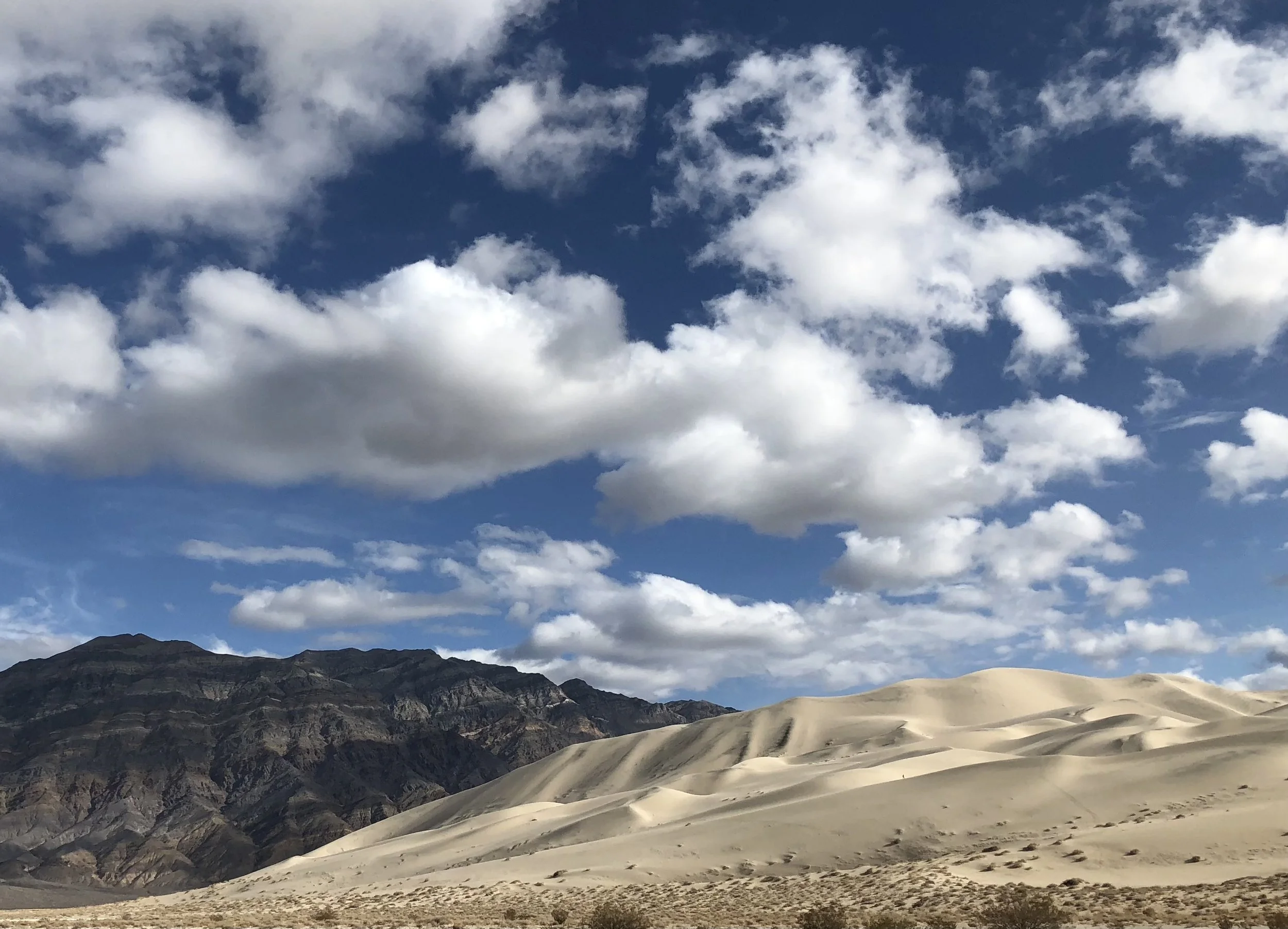
Best Things to Do in Death Valley National Park
With landscapes unlike anywhere else in North America, these are the Death Valley attractions I wouldn't miss.
Walk Below Sea Level at Badwater Basin
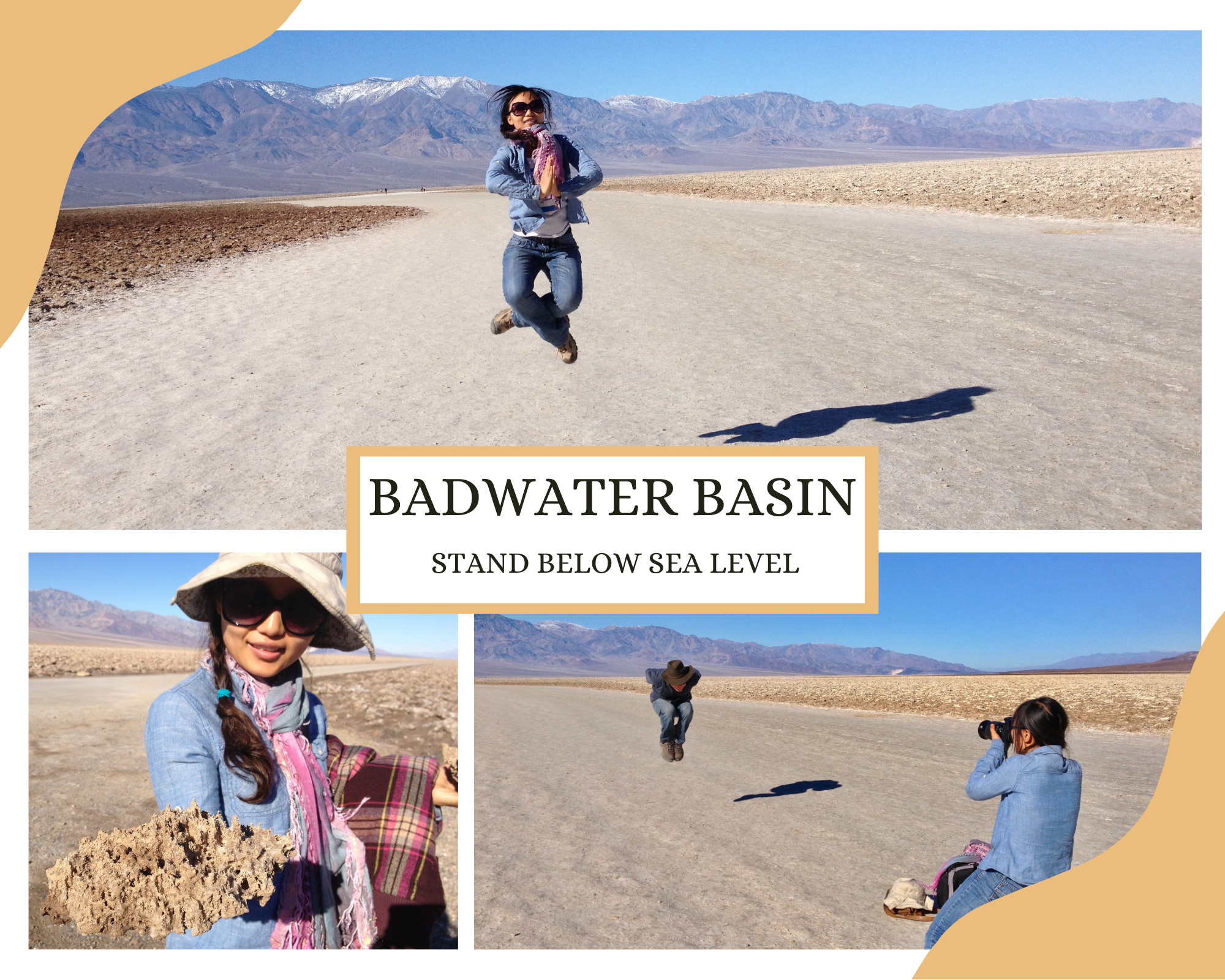
Take a walk below sea level at Badwater Basin, the lowest point in all of North America. You will literally be standing lower than the ocean.
Here you can walk out onto the desolate salt flats and marvel at hexagons of salt formed along the ground like honeycomb, salt crusted brittle plates, and salt domes rising up from the desert floor in a landscape that appears alien.
Nearby, you will find Devil’s Golf Course with its sharp jagged salt pinnacles, and Salt Creek - home of the pupfish which can somehow survive in its insanely salty water (twice that of the ocean) at temperatures over 90°F where you would not think a fish could thrive.
See Nature Paint the Hills at Artist's Palette
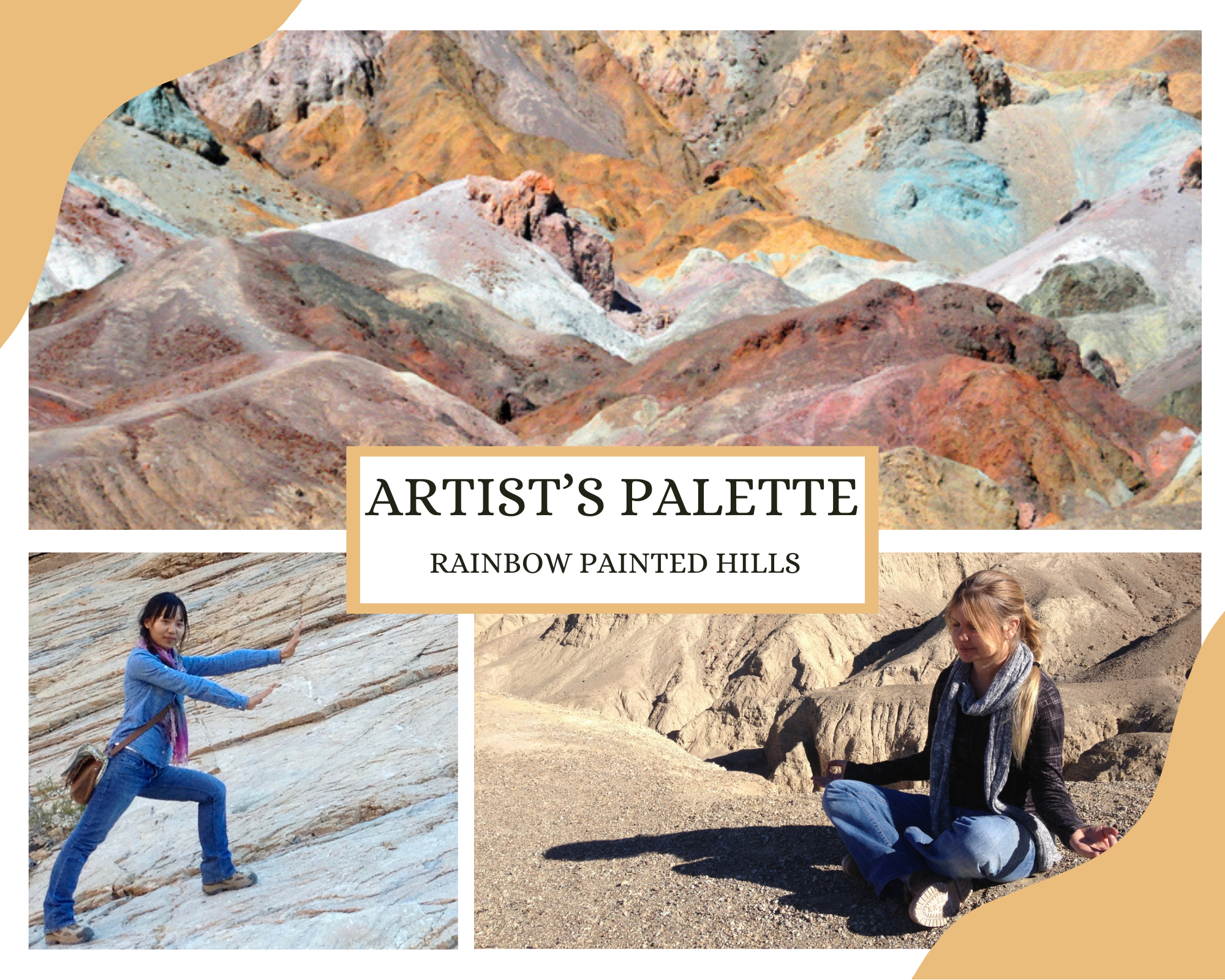
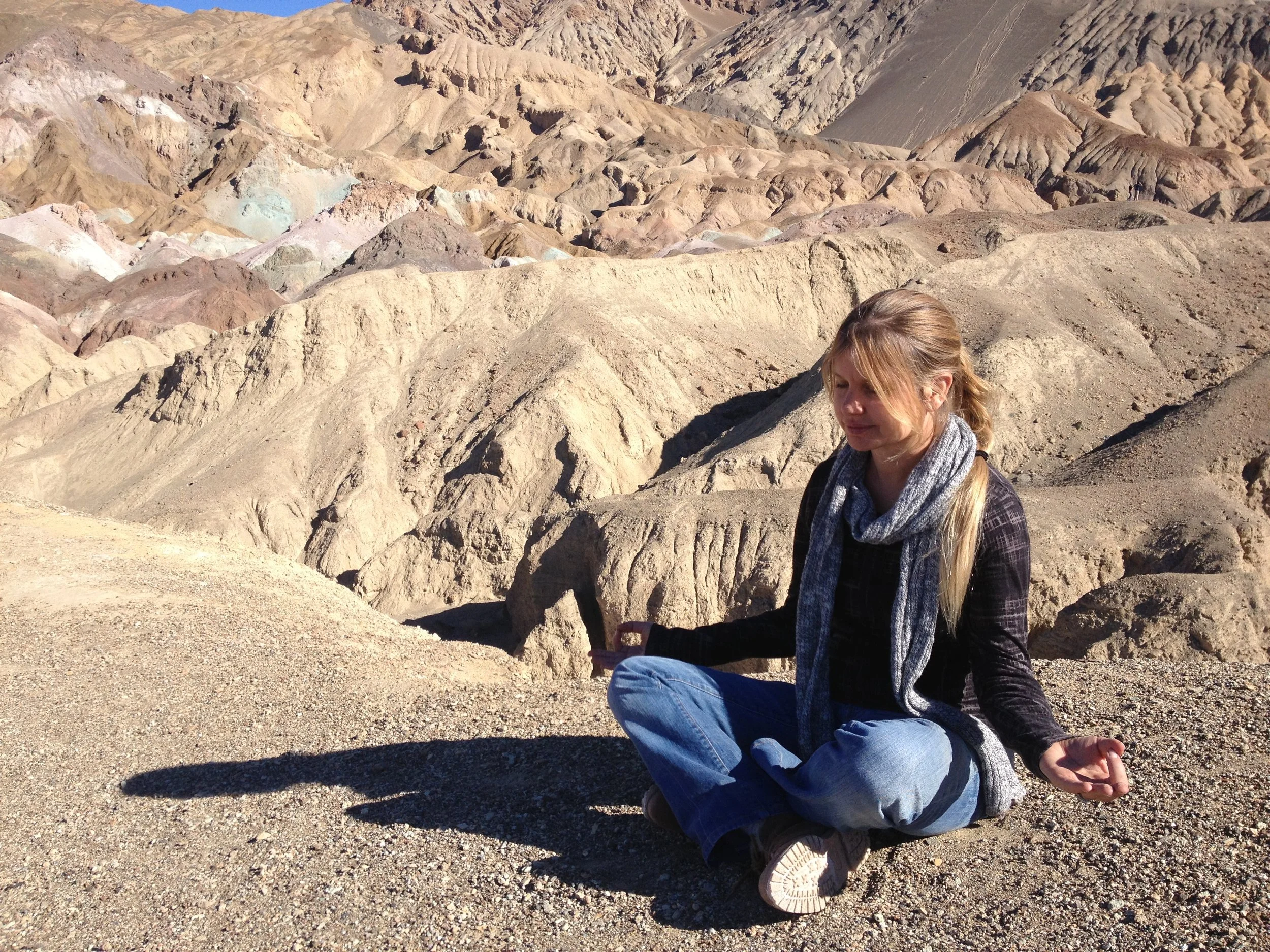
Take the approximate 10-mile scenic loop to Artist’s Palette, an area composed of vibrant colorful soils in shades of pinks and greens from mineral concentrations that make photos look photoshopped.
The colors here are not from paint or algae. Rather, this is nature’s chemistry experiment created from oxidized metals.
Explore the Mesquite Flat Sand Dunes
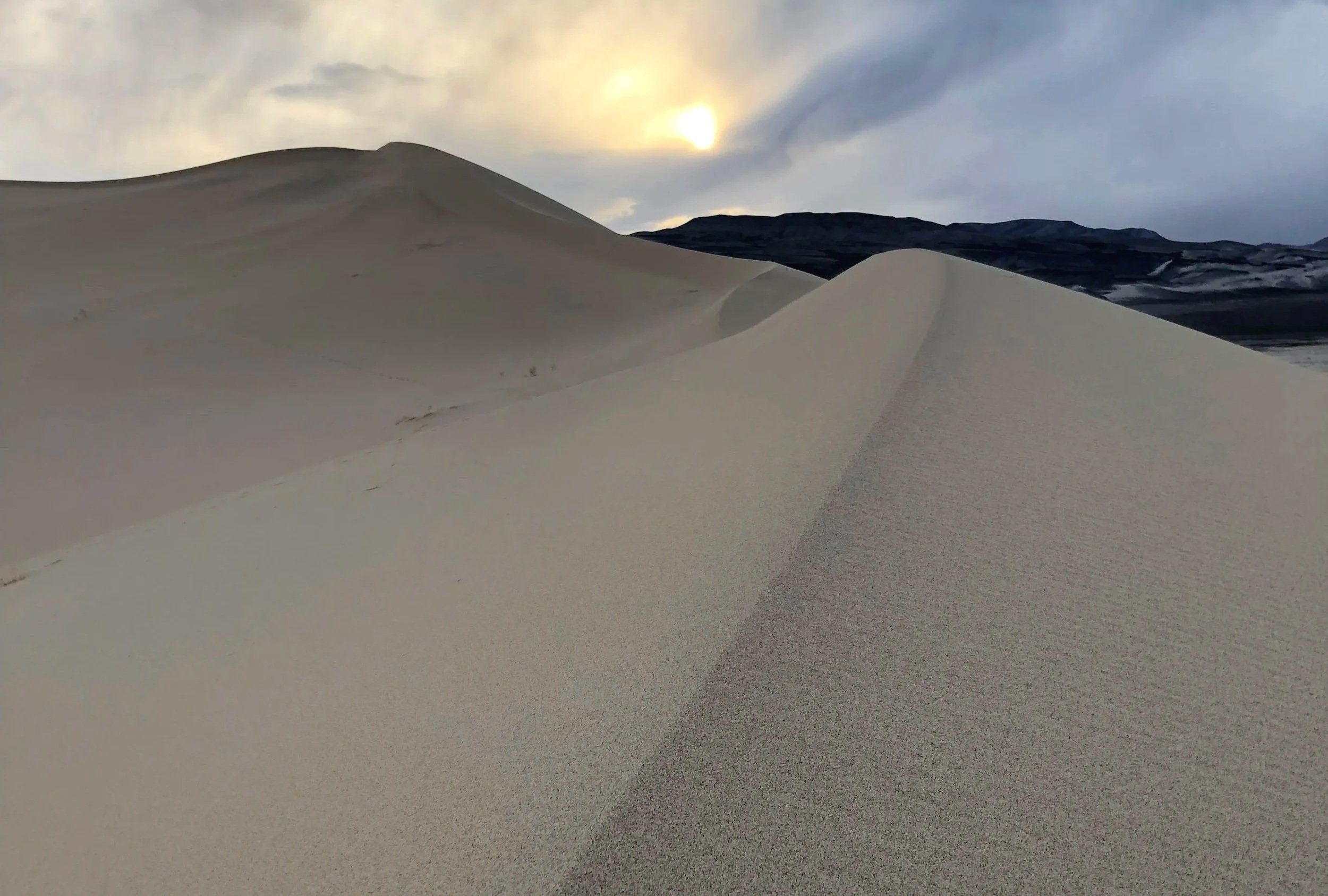
Hike the incredible Mesquite Flat Sand Dunes reaching heights over 100 feet tall against a backdrop of beautiful panoramic surrounding mountains.
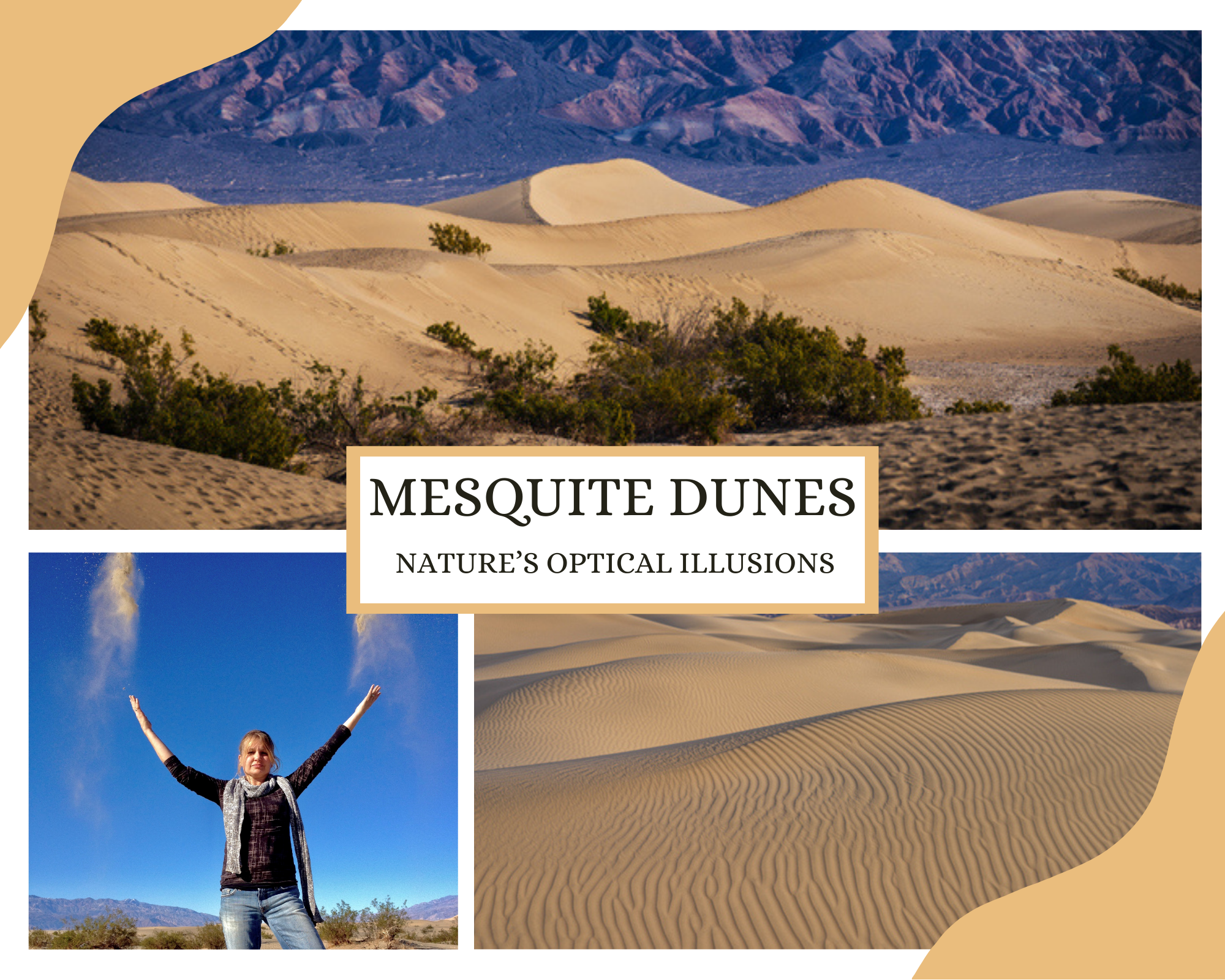
Hit the dunes at the right time of day and the pristine waves of sand cast picture perfect long shadows down the slopes. Just remember that for every 2 steps forward, you take one back when hiking dunes.
What’s interesting about Mesquite? The dunes appear to be endless yet they only stretch about 2 miles proving Death Valley is full of mysterious angles and optical illusions.
Listen to the Eureka Sand Dunes Sing
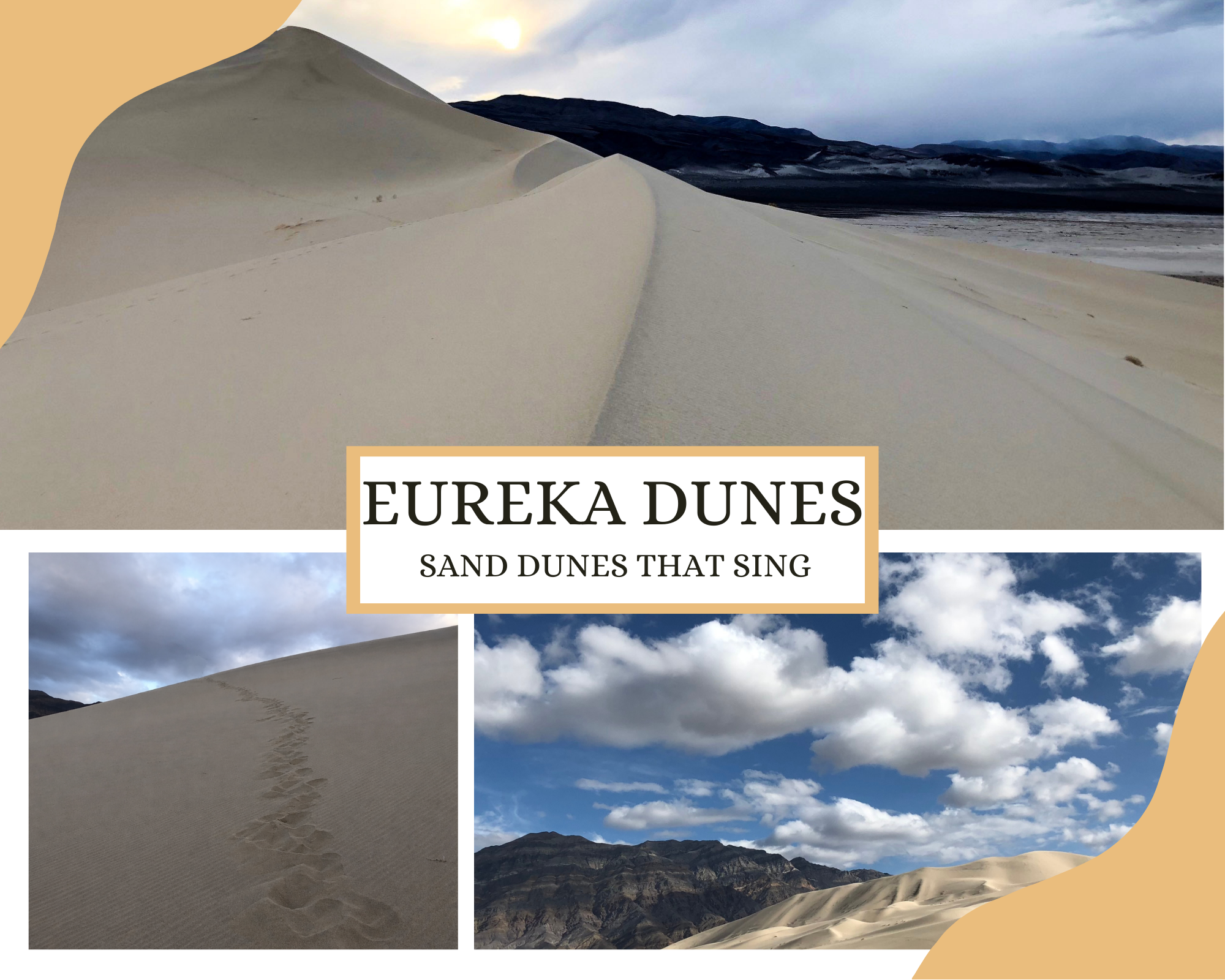
If you love venturing out to more remote spots, seek some solitude at Eureka Dunes. Eureka Dunes are the tallest dunes in the state soaring almost 700 feet tall above a dried up lakebed.
If you catch the dunes under just the right conditions, the sand might even “sing” to you - a rare phenomenon that takes place when the sand is completely dry and avalanches down the steepest faces of the dunes, compressing air which creates an audible boom.
Visit the Mysterious Sailing Stones at Racetrack Playa
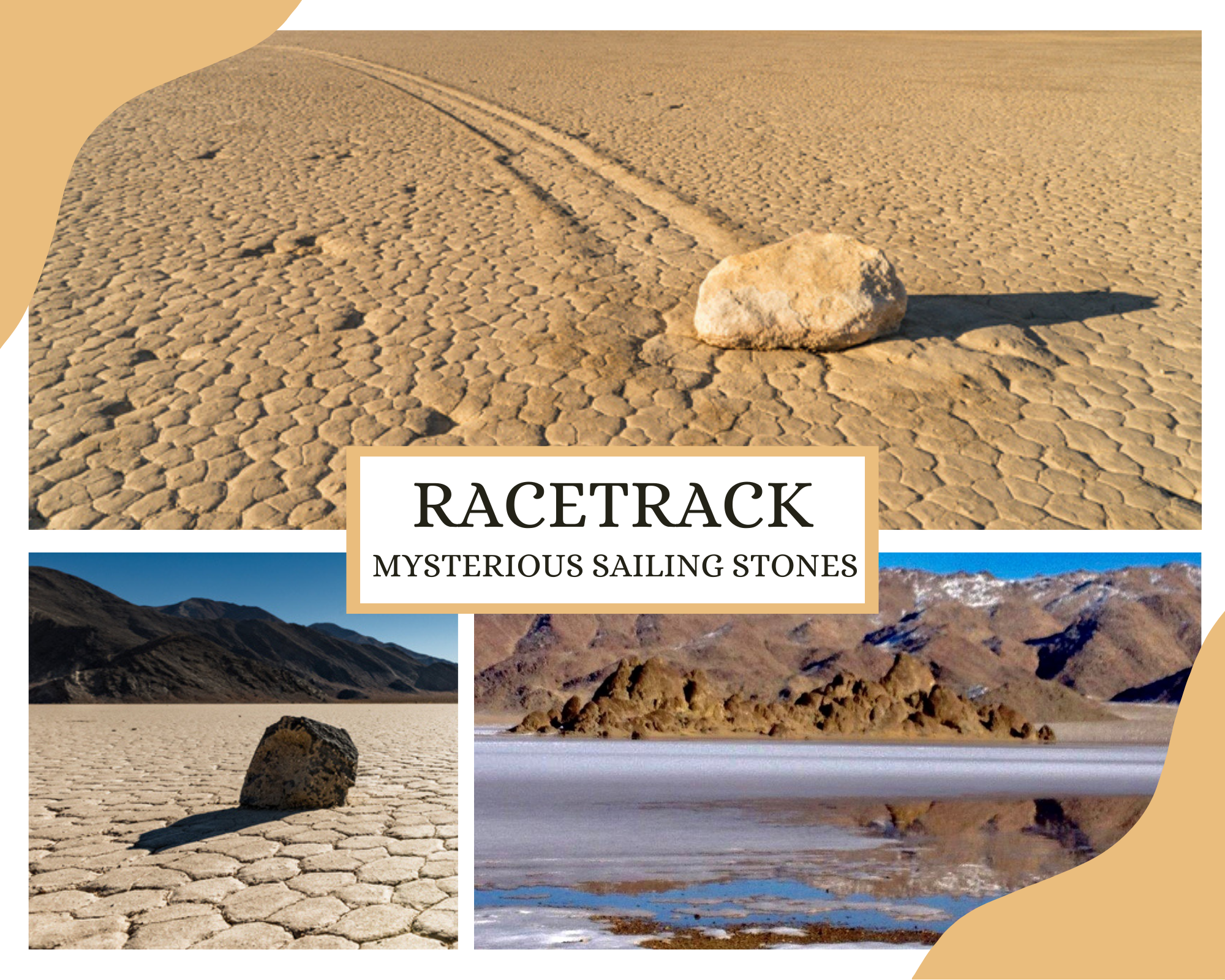
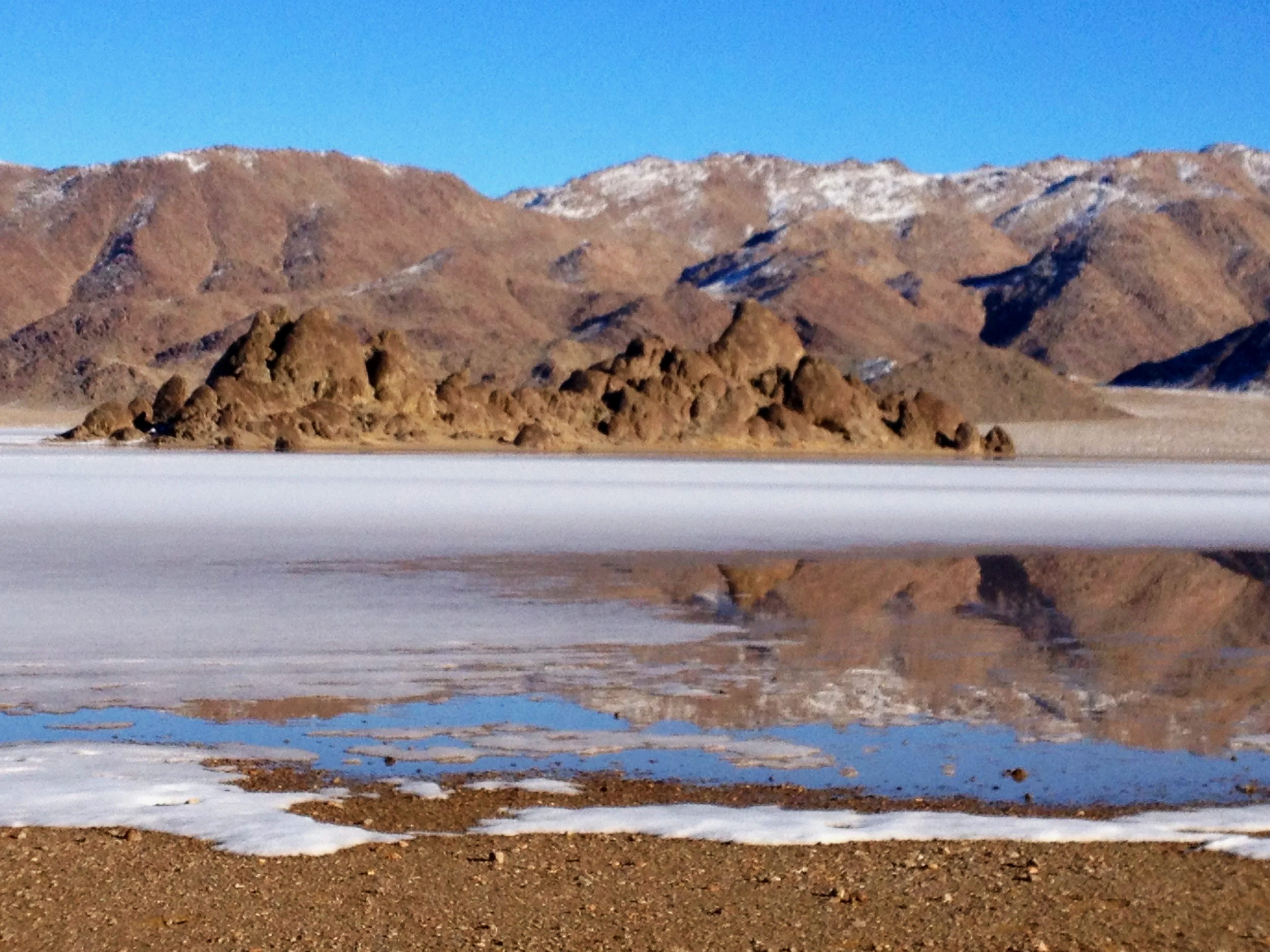
If you have time and a 4-wheel drive, high clearance vehicle, be sure not to miss exploring the Racetrack Playa. For decades, strange forces here have caused giant rocks to mysteriously move on their own - no footprints, no witnesses, just “sailing stones” floating across the dried up lake bed etching trails into the earth that can’t quite be explained.
✨ Pro Tip: A 4-wheel drive, high clearance vehicle is almost always required when visiting Racetrack Playa so be prepared.
Stand at the Edge of Ubehebe Crater
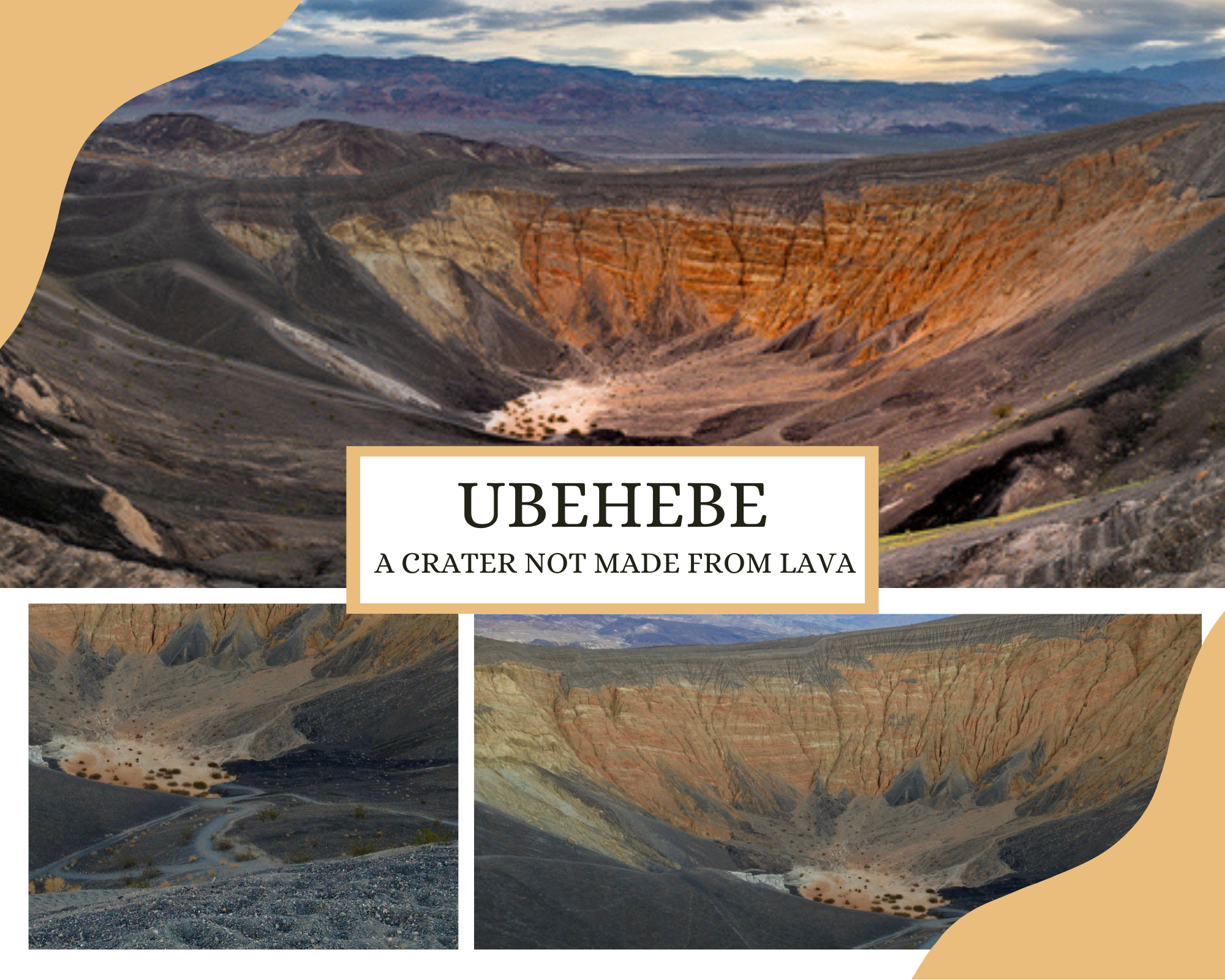
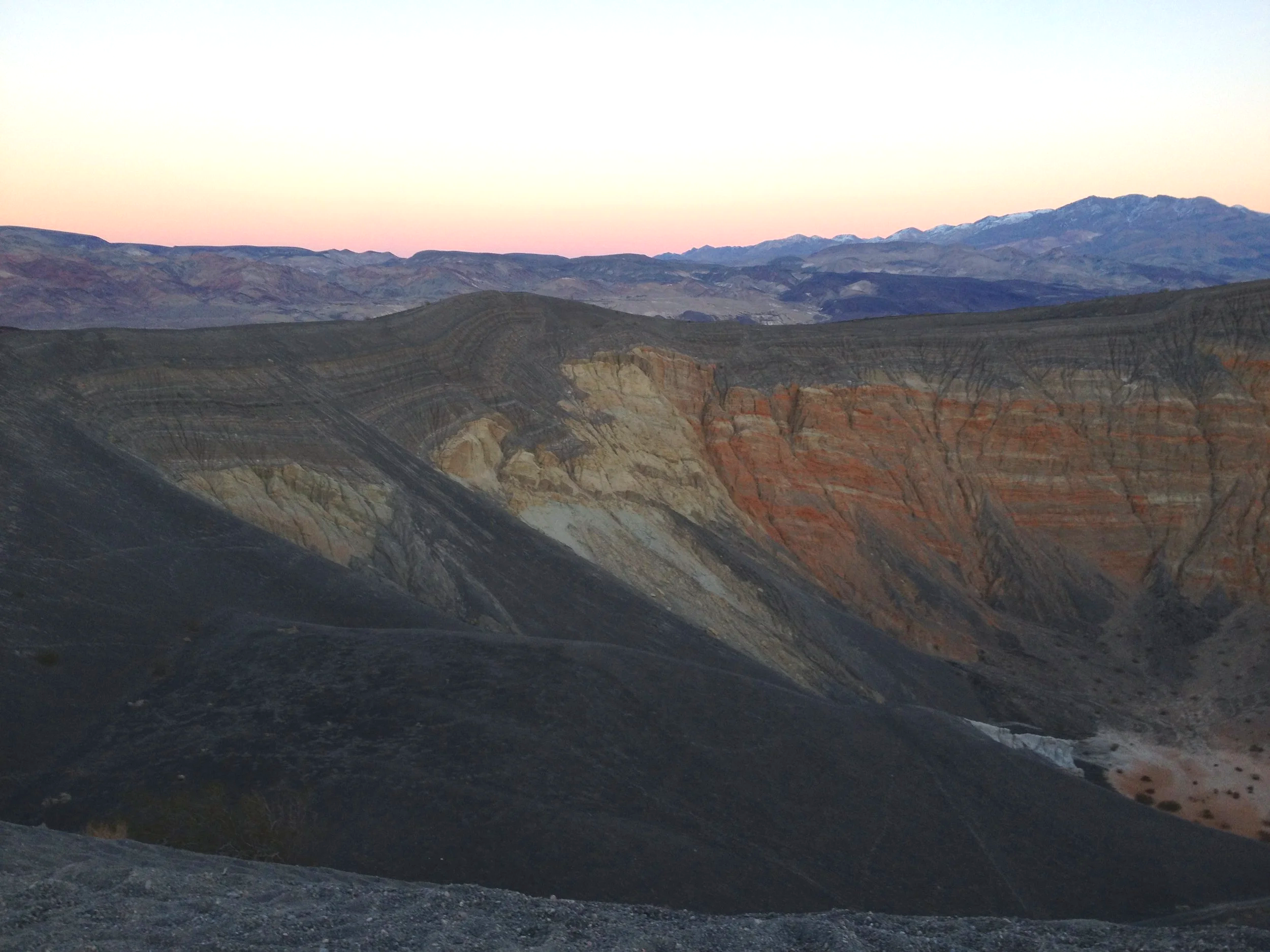
Stand and marvel at Ubehebe Crater, a maar volcano crater of vibrant colors stretching over a half mile across and 600 feet deep formed by underground explosions rather than being created by lava. If you are up for a little adventure, hike down and explore the depth of the crater, Just know that if you hike down, you must come back up and it’s steep!
Get Spooked at Rhyolite Ghost Town
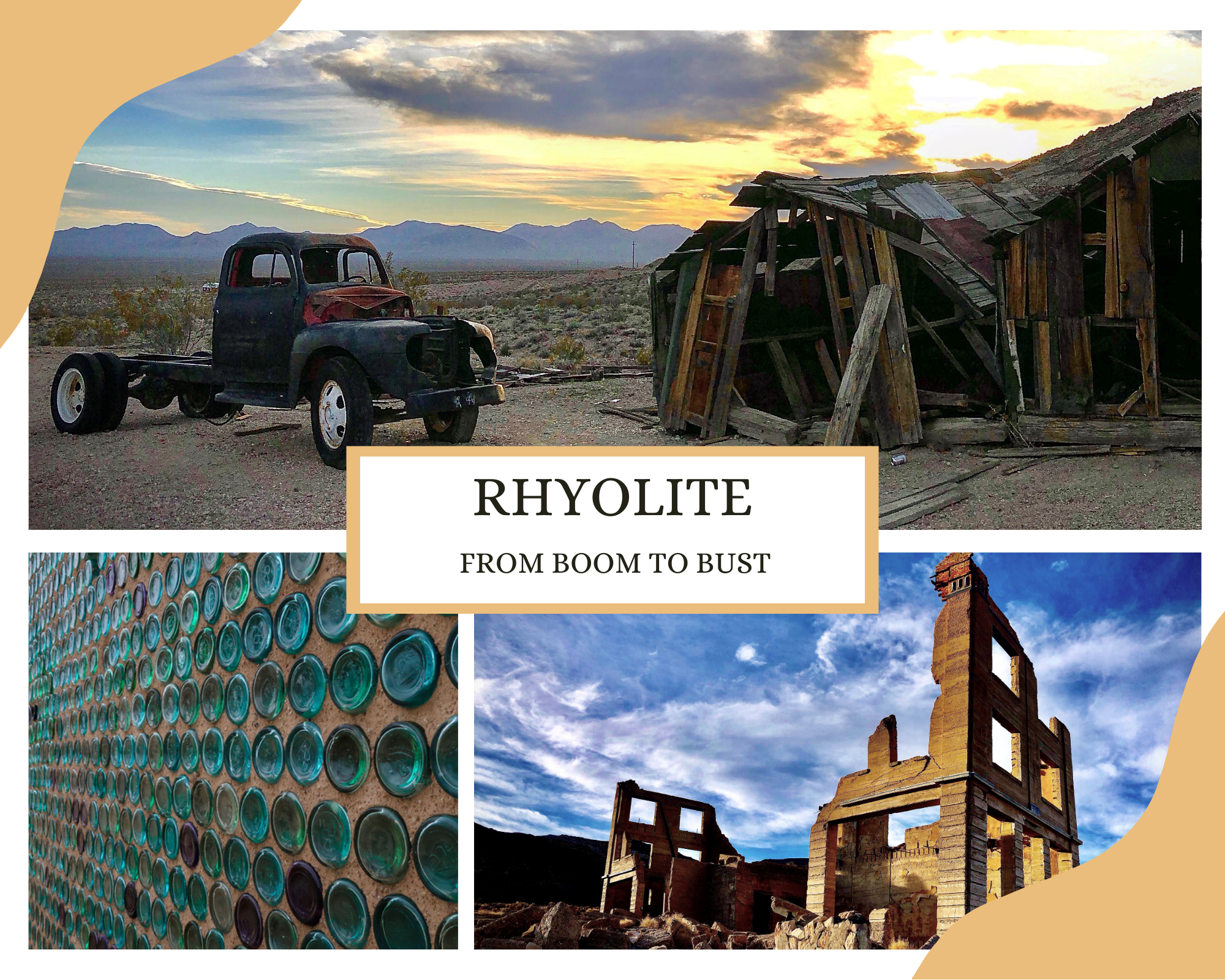
Explore the ruins of Rhyolite, an old gold mining boom town that went from boom to bust in just a short 20 year span of time. Rhyolite was once home to 3 train lines, 3 newspapers, 3 hospitals, an opera, a symphony, and 53 saloons. Yet, it declined as quickly as it sprung to life as Rhyolite didn’t just fade away over time, it literally collapsed overnight. Spend some time wandering around the remnants of old buildings, historic sites, art installations, and even a glass-bottle home. It’s a great spot for photos.
Best Viewpoints at Death Valley National Park
Death Valley features an endless array of stunning viewpoints several of which are must-sees and easy to get to.
Zabriskie Point
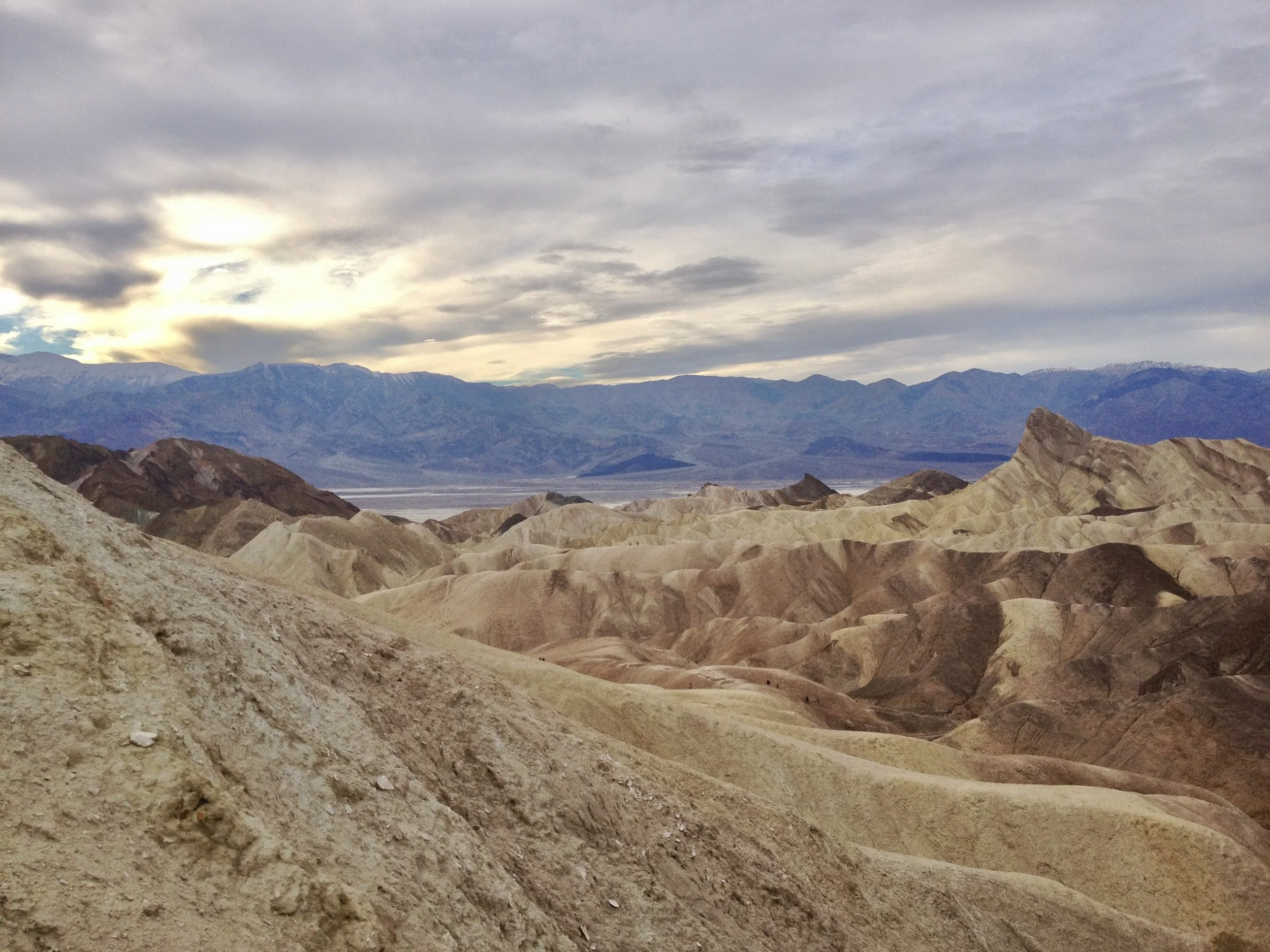
Perhaps the best known viewpoint in Death Valley, and for sure the most photographed, is Zabriskie Point. Known for its stunning sunrises, the rolling badlands greet each morning with vibrant shades of gold. The viewpoint is easy to reach. Just a short walk from the parking lot.
Dante’s Point
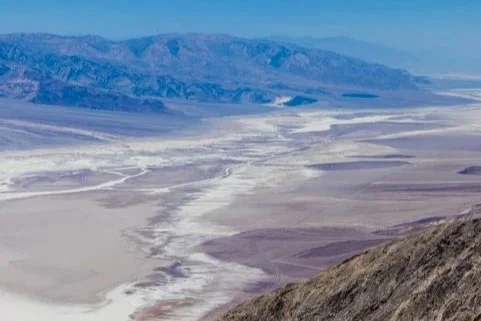
Dante’s Point is one of the highest viewpoints in the park offering panoramic views of Badwater Basin down below. It’s a beautiful spot to catch both the sun rising and the sun setting in the distance each day. Perhaps its most striking feature is the way the salt flats contrast with the dark mountains above on the horizon.
Artist’s Drive Viewpoints
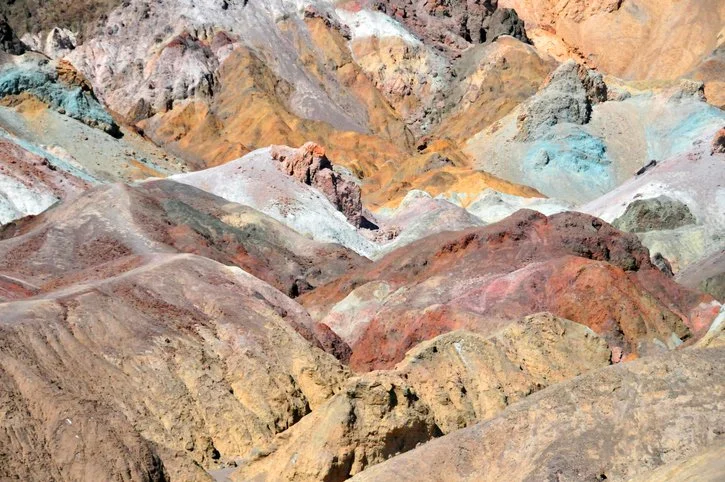
Artist’s Drive is a one-way scenic loop that starts just north of Badwater Basin near Furnace Creek. The road spans about 10 miles with numerous turn-outs, twisting and turning past colorful hills and dramatic desert landscapes. Of course, the highlight is Artist’s Palette - hills painted by nature using oxidized metals. It’s surreal rainbow of colors are so vivid that they have to be seen to be believed.
When is the Best Time to Visit Death Valley National Park
Death Valley is known as the hottest place on earth having recorded the world’s highest air temperature of 134°F on July 10, 1913. Summer temperatures can easily exceed 120°F. For this reason alone, I avoid visiting in the summer.
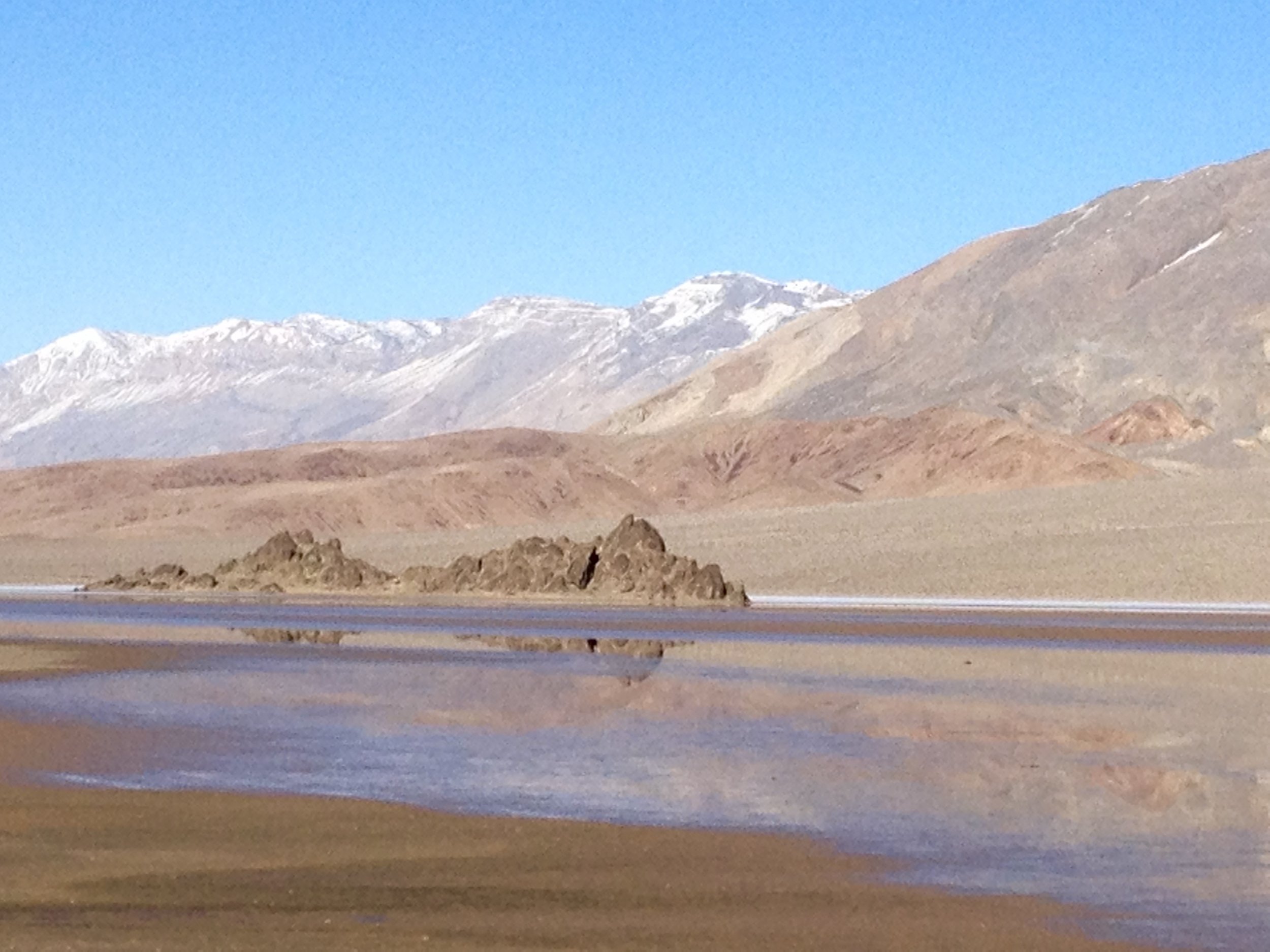
In stark contrast, winters can be quite cold and windy with snow on the upper peaks. Even in the valley, night time temps can drop down below freezing especially in January. Winter days are also shorter giving you less time to explore.
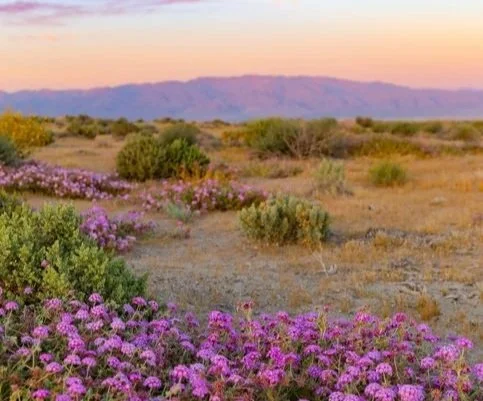
I find the best time to visit is early spring or mid-fall when temperatures are more moderate. These seasons provide more comfortable temperatures with longer daylight hours making them the best time to hike and explore the park’s dramatic landscapes.
If you visit in spring after a rare rain, you might even be lucky enough to see a wildflower super bloom - an unusual, stunning sight that only happens when conditions are exactly right. Note that they never last more than about 7-10 days, sometimes less.
👉 Get my complete guide to Death Valley’s 2026 Super Bloom.
Death Valley Tips You'll Be Glad You Knew
Death Valley is unlike any other national park, and a little preparation can make the difference between an unforgettable adventure and a frustrating—or even dangerous—experience. Here are a few tips I recommend knowing before you go.
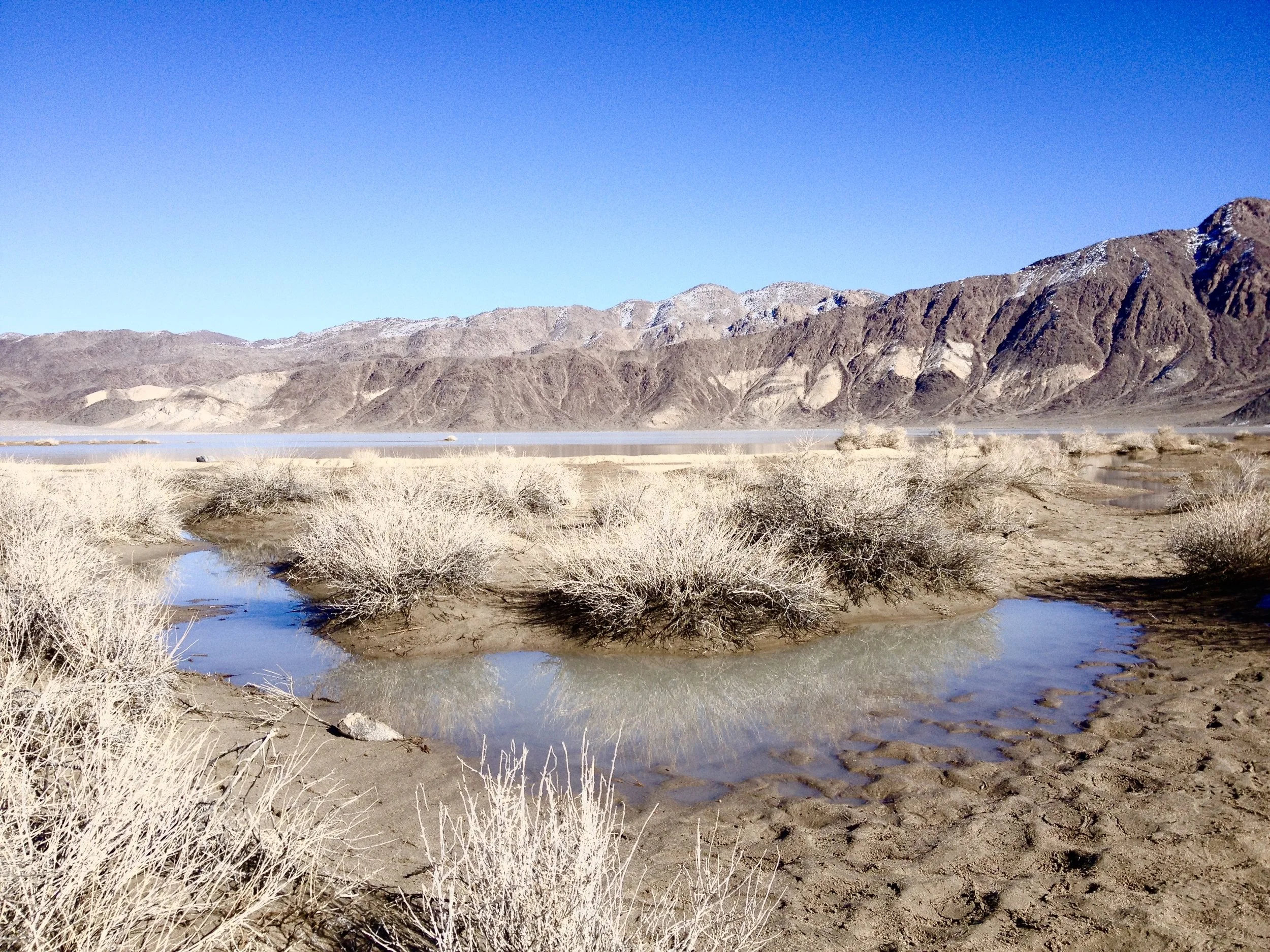
☀️ Avoid visiting during extreme summer heat. Summer temperatures can easily exceed 120°F. When temperatures soar, avoid hiking—even short walks can quickly become dangerous.
🍂 Visit during the cooler seasons. Early spring and mid-fall offer the most comfortable temperatures for hiking, sightseeing, and exploring the park.
💧 Carry more water than you think you'll need. The National Park Service recommends at least one gallon of water per person, per day, and even more if you plan to hike or spend extended time outdoors.
🗺️ Use my interactive map to plan your route. Cell service is extremely limited throughout most of Death Valley, so review the map and save any stops you don't want to miss before arriving. I recommend downloading it and the National Park Service (NPS) App for use offline before entering the park.
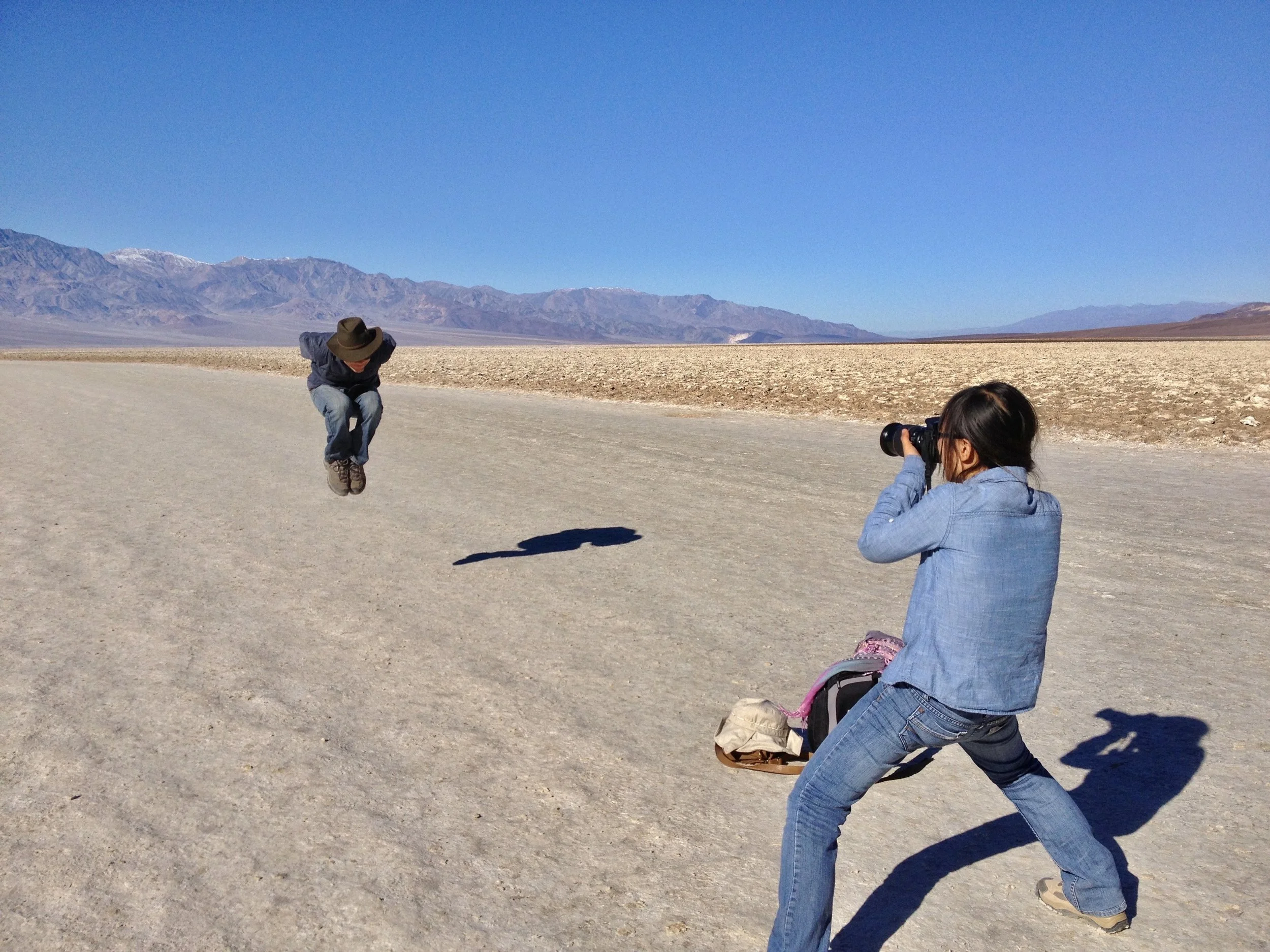
⛽ Fuel up whenever you can. Gas stations are few and far between, and many of Death Valley's top attractions are spread far apart. Don't underestimate driving distances or pass up an opportunity to fill your tank.
🧥 Dress in layers. While daytime temperatures can be warm, mornings, evenings, and higher elevations can be surprisingly chilly. Temperature swings throughout the day are common.
🥾 Wear sturdy, closed-toe shoes. Between sharp rocks, uneven terrain, hot ground, and loose sand, you'll be much more comfortable—and safer—in proper footwear.
🌧️ Keep an eye on the weather. Although rainfall is rare, flash floods can develop quickly. Even a small amount of rain can make dirt roads impassable and leave vehicles stuck.
🚙 Know your vehicle's limits. Don't attempt roads marked for high-clearance four-wheel-drive vehicles, such as the route to Racetrack Playa, unless your vehicle is properly equipped. Recovery can take hours—or even a full day—and there is often no cell service to call for help.
Frequently Asked Questions
⏰ How many days do you need in Death Valley?
You can see many of Death Valley's most famous attractions in one full day, including Badwater Basin, Artist's Palette, Mesquite Flat Sand Dunes, Zabriskie Point, Dante's View, and Ubehebe Crater. If you want to explore more remote areas like Racetrack Playa or Eureka Dunes, plan to spend at least 2–3 days. This gives you time to enjoy the park at a relaxed pace, catch sunrise or sunset at multiple viewpoints, and venture beyond the most popular stops.
🚗 Do you need 4-wheel drive in Death Valley?
You do not need 4-wheel drive for many of the main sights like the Badwater Basin area, the Furnace Creek area, Zabriskie Point, Artist’s Drive, Mesquite Flat Sand Dunes, Dante’s Point, Ubehebe Crater, Panamint, or Ryholite Ghost Town. You will for Racetrack Playa, Eureka Dunes, and Saline Valley.
📅 What’s the best time of year to visit Death Valley National Park?
Early spring and fall are the best times to visit. Summer temperatures can be dangerously hot and winters can be cold and windy. Extreme heat can start as early as late April.
⭐ Is Death Valley safe to visit?
Death Valley National Park is completely safe to visit as long as you are prepared. This means no hiking in extreme heat, bringing plenty of water, staying on designated roads, and fuel your car ofent as there are very few services inside the park.
💧 How much water should I bring?
Carry at least one gallon of water per person for each day, more if you plan to do a lot of hiking.
📶 Is there cell service in Death Valley?
There is almost no cell service in Death Valley National Park. It is extremely limited so download offline maps like my interactive map above and the NPS App before entering the park.
More California Travel Guides
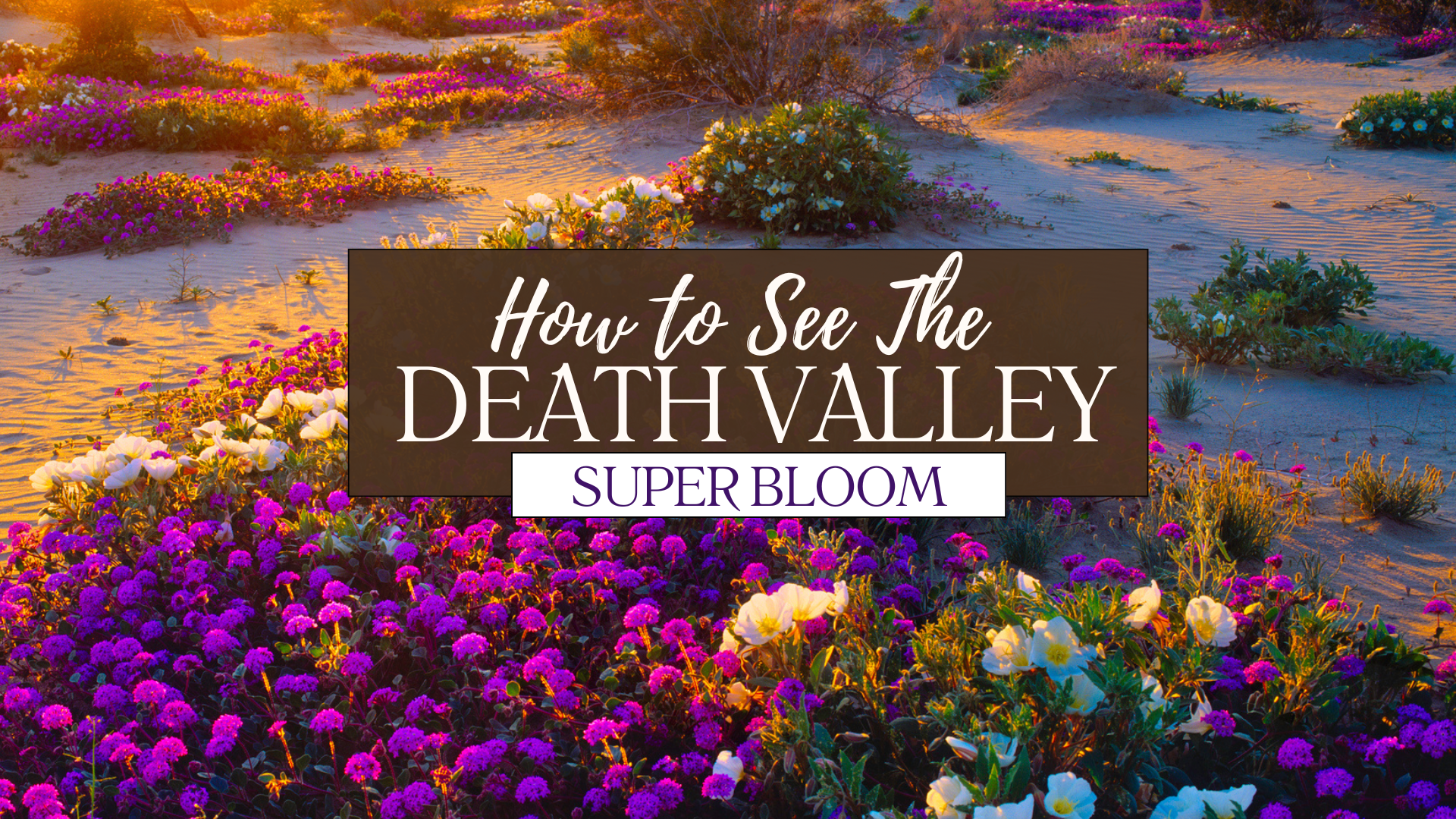
Death Valley Super Bloom 2026 - Proof that Nature is Truly Never Barren
Top 5 Things to Do in Inyo County - Gateaway to Death Valley -
Ultimate Guide to Galleta Meadows Sky Sculptures - a 350 Foot Long Sea Serpent, Dinosaurs & More in the Middle of the Desert