
Waterfalls, Wineries & More
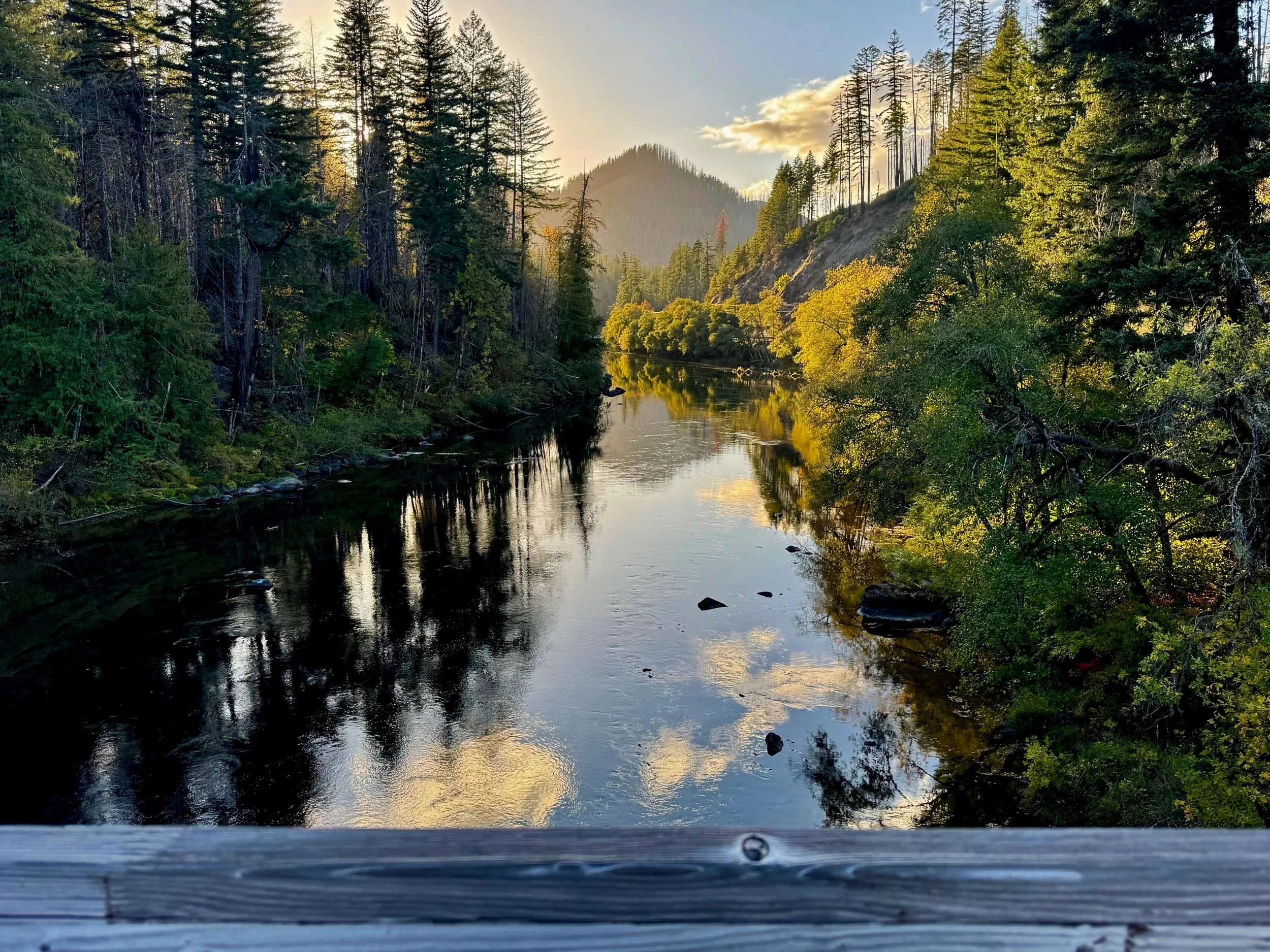
Southern Oregon’s Umpqua Valley is a place with deep river canyons, towering forests and golden hills, shaped by the meeting of mountain ranges, where quiet cabins overlook the flowing river renowned for fly fishing and estate wineries invite you to slow down. With outdoor adventures to fill your days and scenery that beckons you to stop for photos at every turn, the hardest part is deciding where to linger longest along the way.
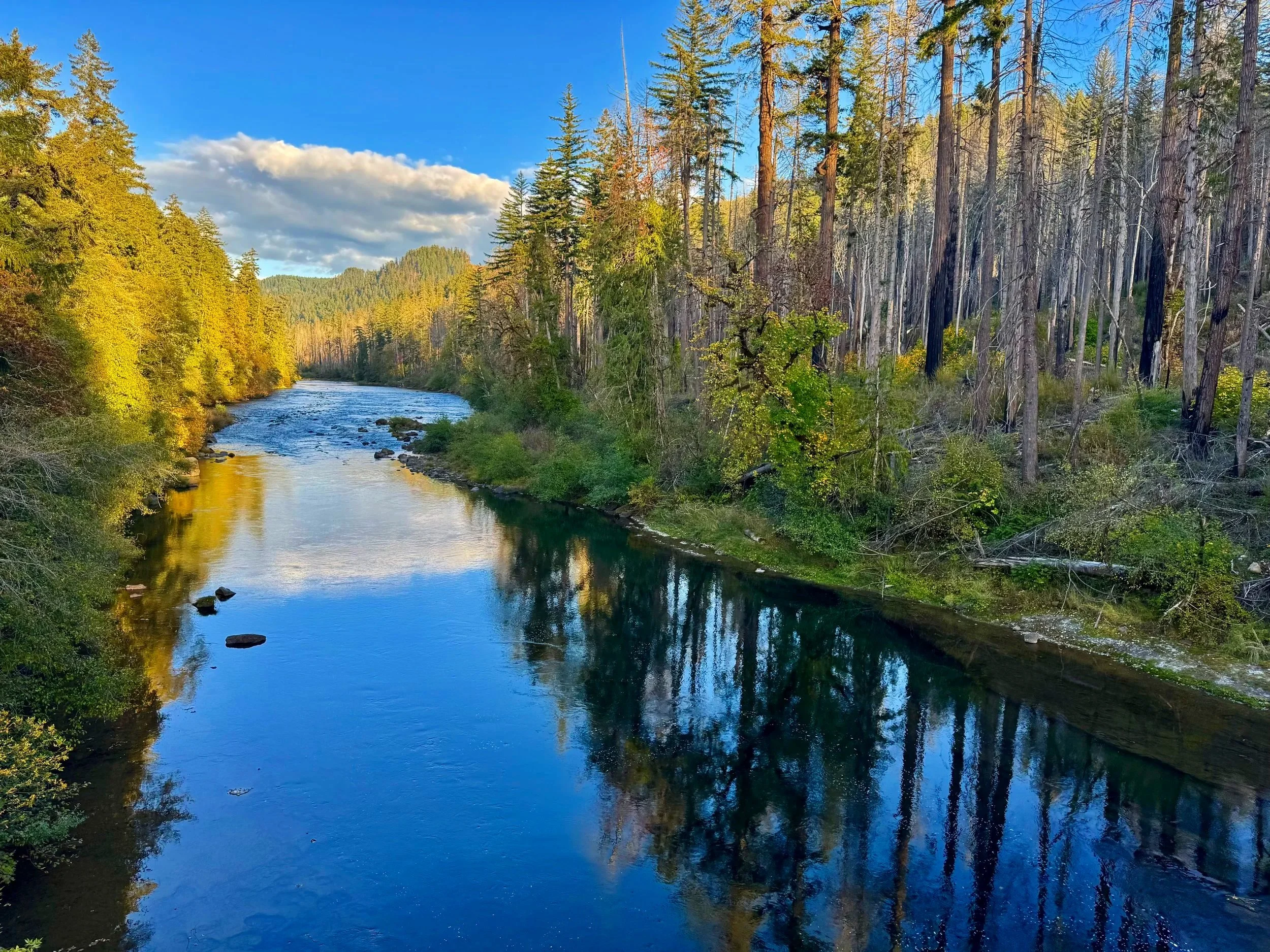
This Umpqua Valley travel guide covers the best things to do, where to stay and dine, an interactive map, practical planning tips and everything else you need to plan your own Southern Oregon escape.
Umpqua Valley at a Glance
📍 Location: Southern Oregon, centered around Roseburg
🏙️ Main Hub: Roseburg
✈️ Closest Commercial Airports: Eugene Airport (EUG) and Rogue Valley International–Medford Airport (MFR)
📅 Ideal Trip Length: Three to five days
🍂 Best Time to Visit: Spring through fall for hiking, wine tasting and outdoor adventures
🌊 Known For: Umpqua Valley wine country, the North Umpqua River and waterfall-filled pine forests
🥾 Best For: Waterfalls, wineries, flyfishing and outdoor adventures
🏨 Where to Stay: Downtown Roseburg or along the North Umpqua River at Steamboat Inn
⭐ Don’t Miss: North Umpqua waterfalls, Umpqua Valley wine tasting, flyfishing and Wildlife Safari
Interactive Umpqua Valley Map
The Umpqua Valley covers more ground than you might expect, with wineries, waterfalls, restaurants, accommodations and outdoor adventures spread throughout the region. I created this interactive map to help you get an overview of where everything is located so you can plan a route that makes the most sense.
Table of Contents
Best Things to Do in the Umpqua Valley
Why You'll Love the Umpqua Valley
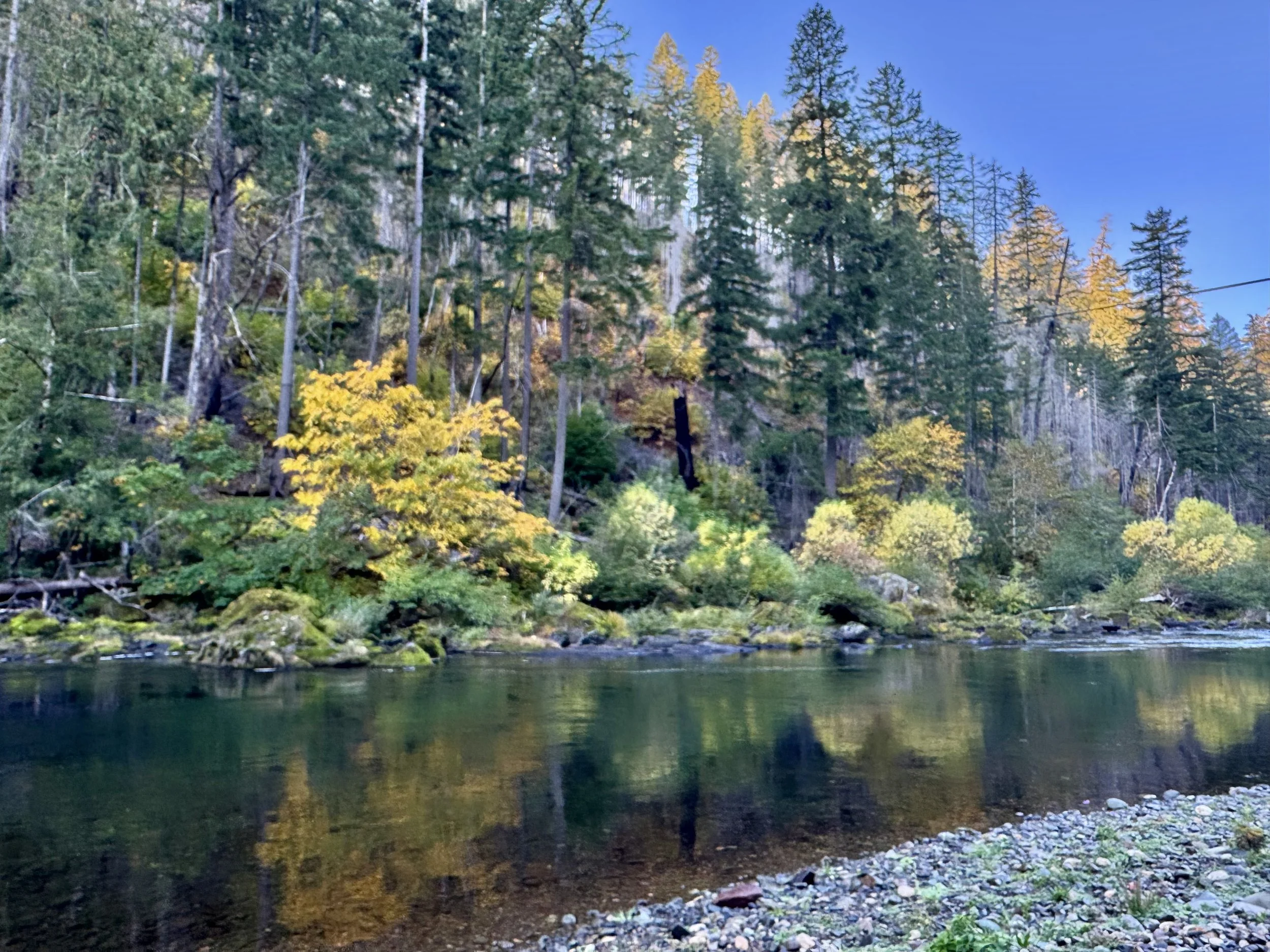
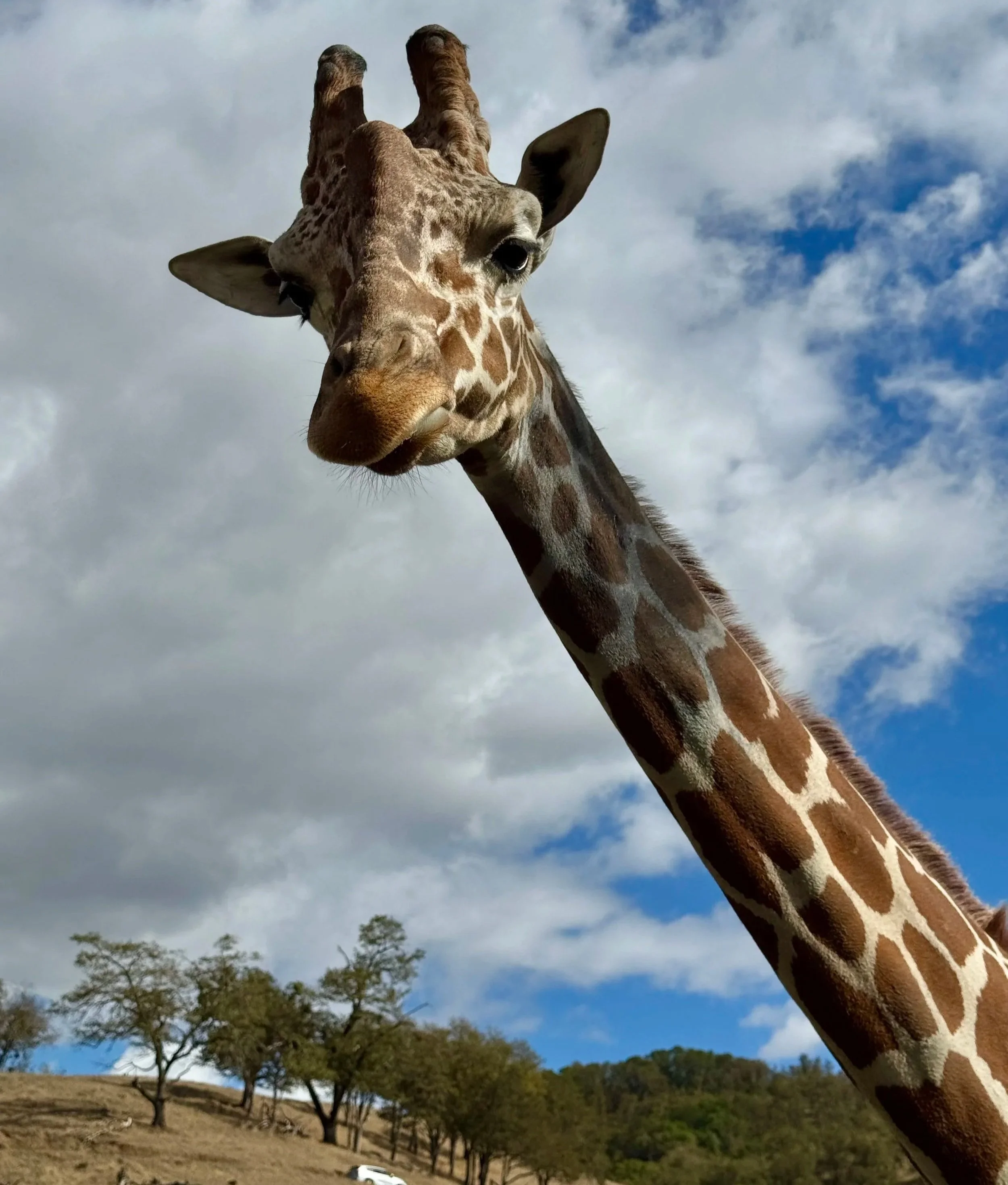
What makes the Umpqua Valley especially appealing is how many completely different experiences you can combine in a single trip. You can hike through waterfall-filled forests, go fly fishing on the North Umpqua River, spend an afternoon tasting local wines and even drive among giraffes, rhinos and other animals at Wildlife Safari.
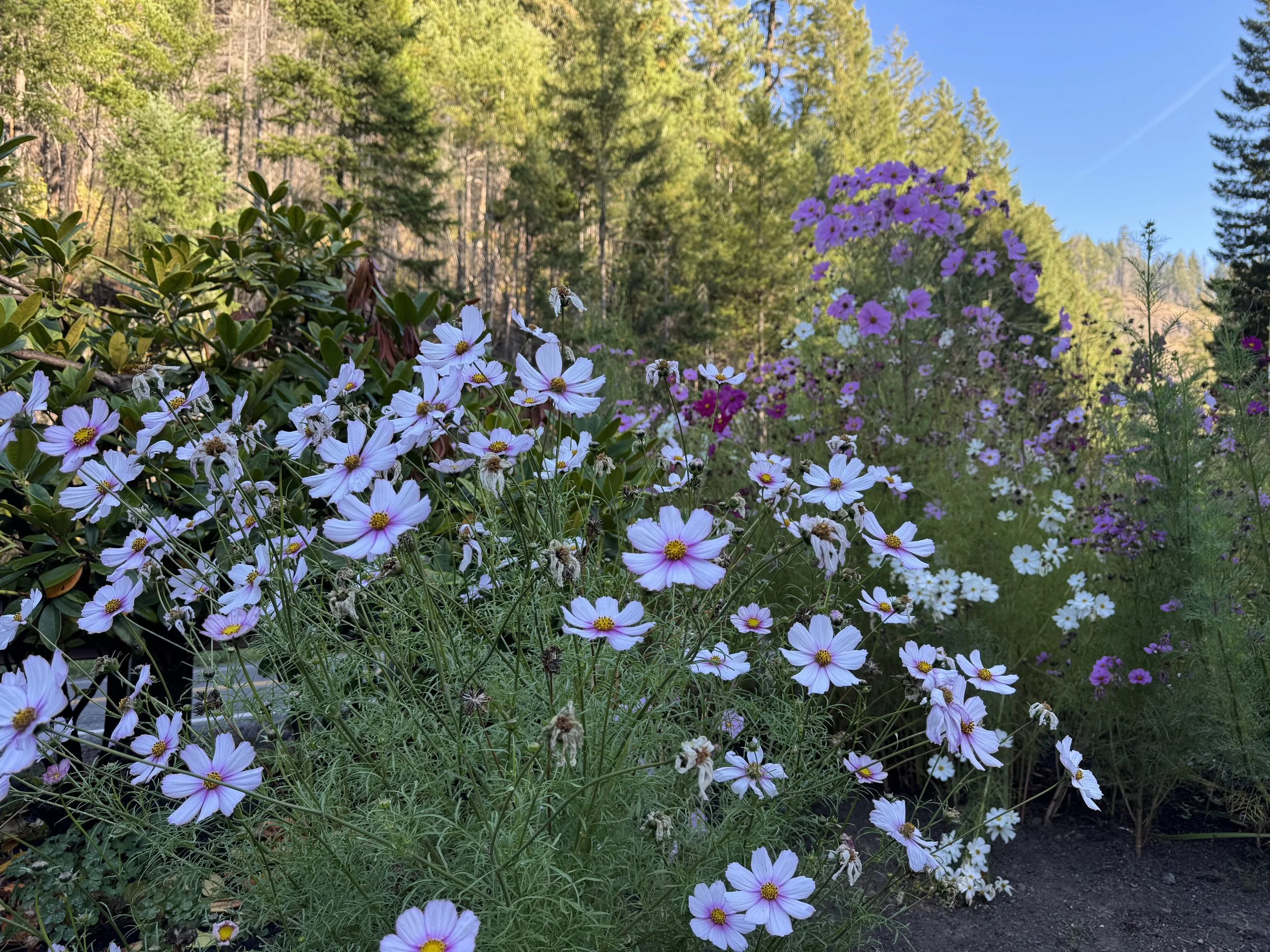
The region even offers two completely different ways to experience Southern Oregon. Stay along the river for a peaceful escape surrounded by nature where you can completely unplug, or spend time in downtown Roseburg near local restaurants, coffee shops and wineries.
With outdoor adventure, wine country, and small-town discoveries all within reach, it is an easy destination to tailor around any way you like to travel.
Best Things to Do in the Umpqua Valley
From waterfalls and river adventures to wineries and a walkable downtown lined with coffee shops and locally owned restaurants, the Umpqua Valley gives you plenty of reasons to get out and explore. Here are some of the best things to do in the region.
💦 Explore the North Umpqua Waterfalls
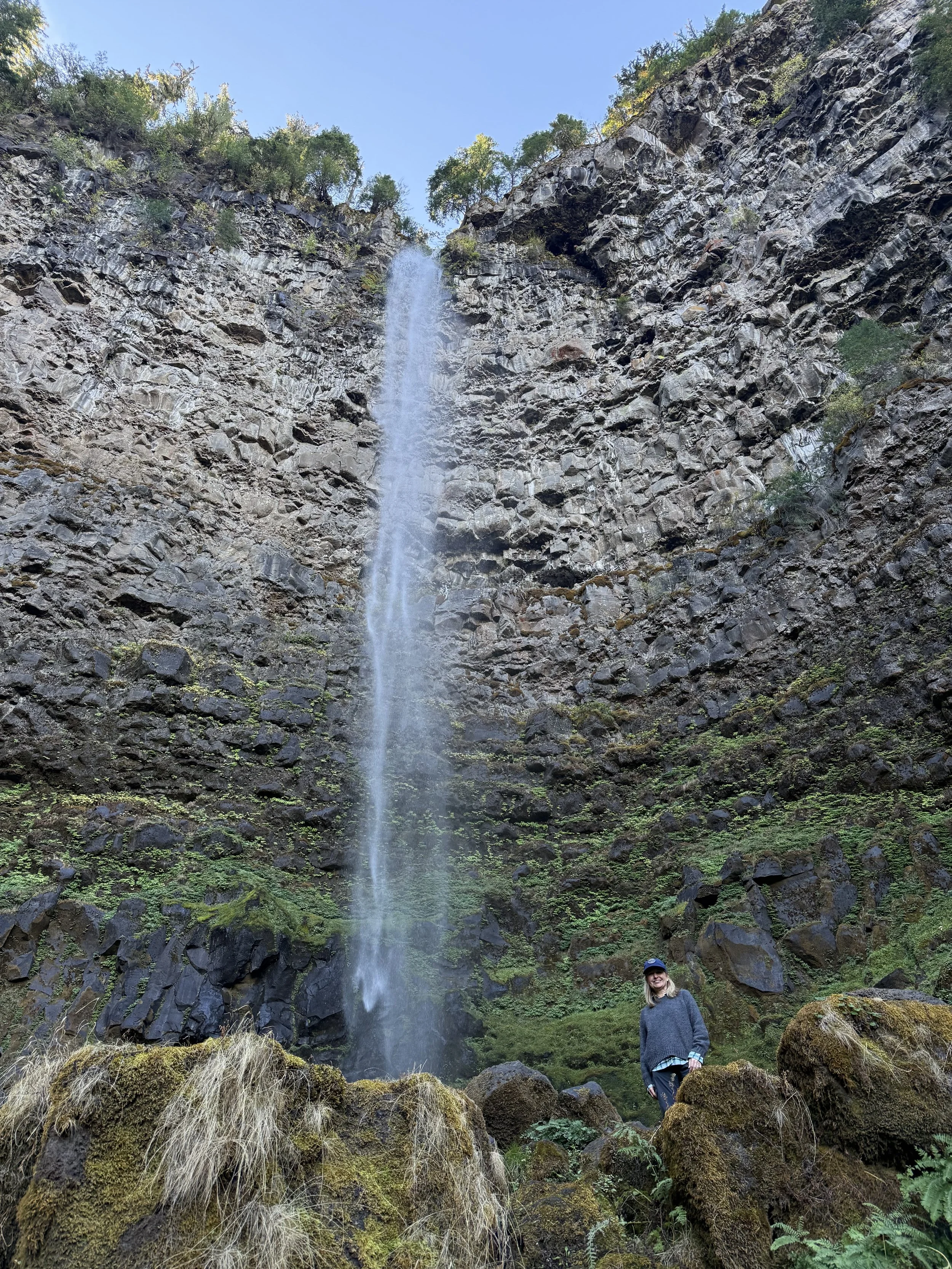
The North Umpqua River corridor is home to more than 20 waterfalls, earning this stretch of Highway 138 a place along Southern Oregon’s famous “Highway of Waterfalls.” Some require a forest hike, while others are only a short paved walk from the road, making it possible to see several very different waterfalls in a single day.
Some of the best-known North Umpqua waterfalls include Watson Falls, Toketee Falls, Susan Creek Falls, Fall Creek Falls, Whitehorse Falls, Clearwater Falls, and Lemolo Falls.
Take a Guided North Umpqua Waterfall Tour
📍 Tour Company: Umpqua’s Last Resort
⏰ Time Needed: Approximately five hours
🥾 Best For: First-time visitors and families
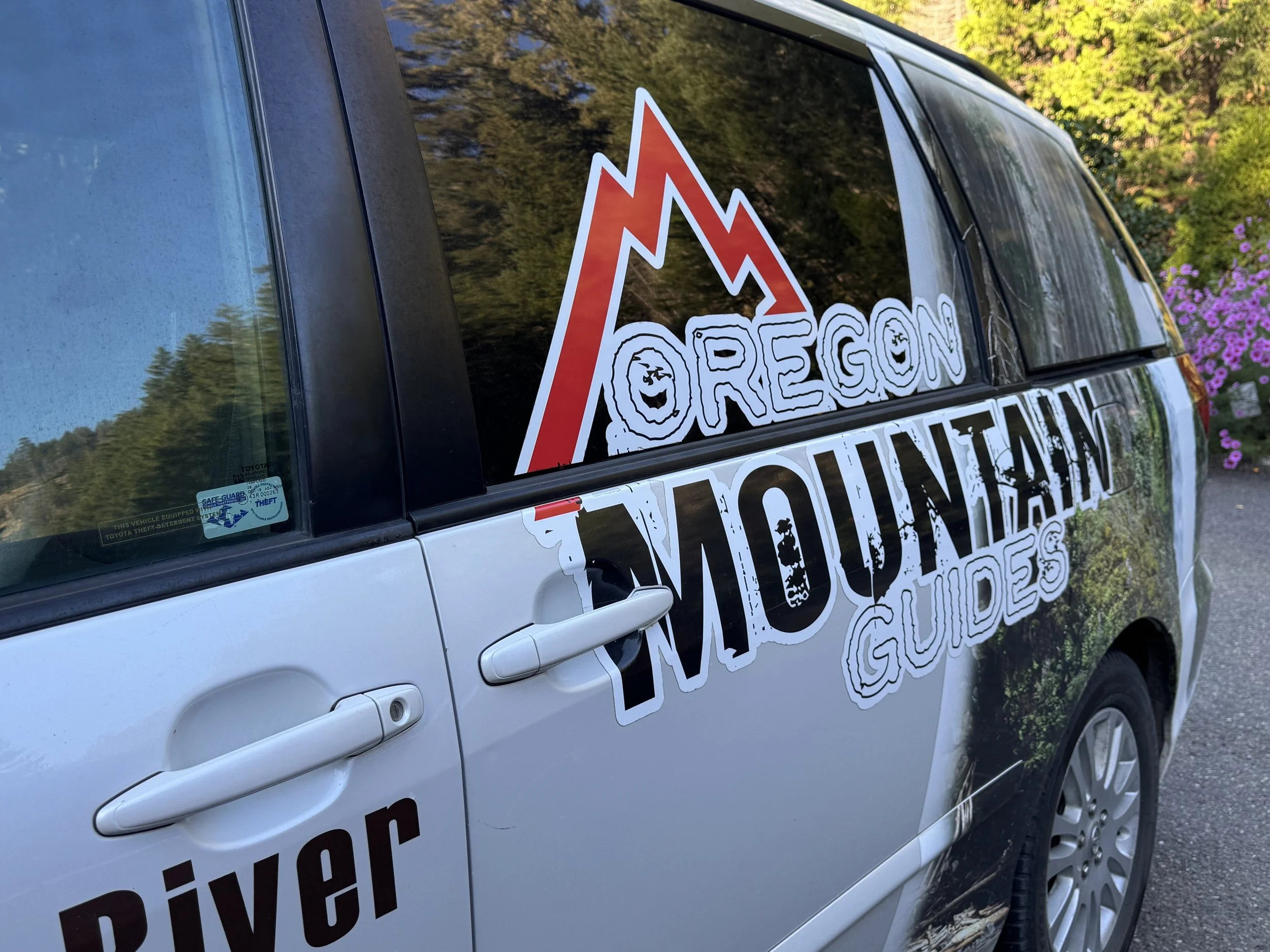
I explored the area on a five-hour guided waterfall tour with Umpqua’s Last Resort. The tour included transportation, bottled water, a professional guide, and stops at five waterfalls selected by my guide.
A guided tour is great for first-time visitors who are new to the region, as the waterfalls are spread out along Highway 138 and nearby forest roads. It takes the guesswork out of finding trailheads with limited cell service and deciding which waterfalls you can comfortably visit in one day.
✨ Pro Tip: Bring trail snacks and a packed lunch unless your tour includes a food stop. If you’re staying at nearby Steamboat Inn, you can pre-order a packed lunch the night before. Mine was delicious!
Best Waterfalls to Visit Along the North Umpqua River
Watson Falls
📍 Location: Near milepost 61 on Highway 138
🥾 Trail: Approximately 0.8 mile round trip
⏰ Time Needed: Approximately 45 minutes to one hour
✨ Best For: A dramatic waterfall with an impressive vertical drop
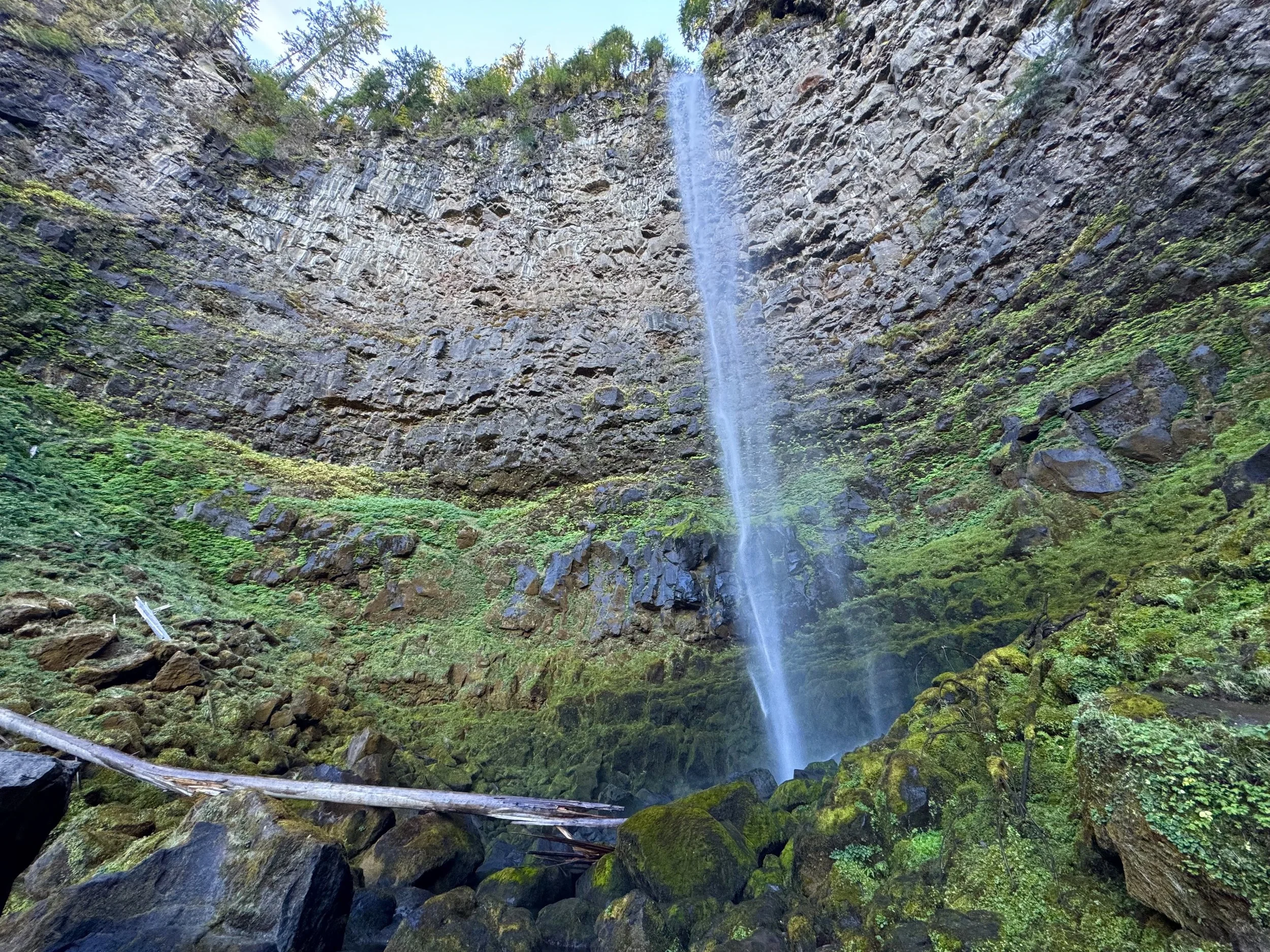
At nearly 300 feet, Watson Falls is the tallest waterfall in Southwest Oregon and one of the tallest in the state. Water plunges over a towering basalt cliff framed by ferns, dense forest and emerald-green moss that contrasts beautifully with the dark rock.
This is where I started my waterfall tour, and it did not disappoint. In fact, it was one of my favorites reminding me quite a bit of the waterfalls I’d seen in Iceland. Looking up at that enormous cascade, surrounded by the brilliant green landscape was an incredible way to start the day.
The trail climbs steadily toward the waterfall, crossing a bridge with a great view of the fall. A short side path near the bridge also offers a closer look at the base of the falls.
Clearwater Falls
📍 Location: Clearwater Falls Campground, off Highway 138
🥾 Trail: Short and relatively easy
⏰ Time Needed: Approximately 20–30 minutes
📸 Best For: Mossy forest scenery and close-up photography
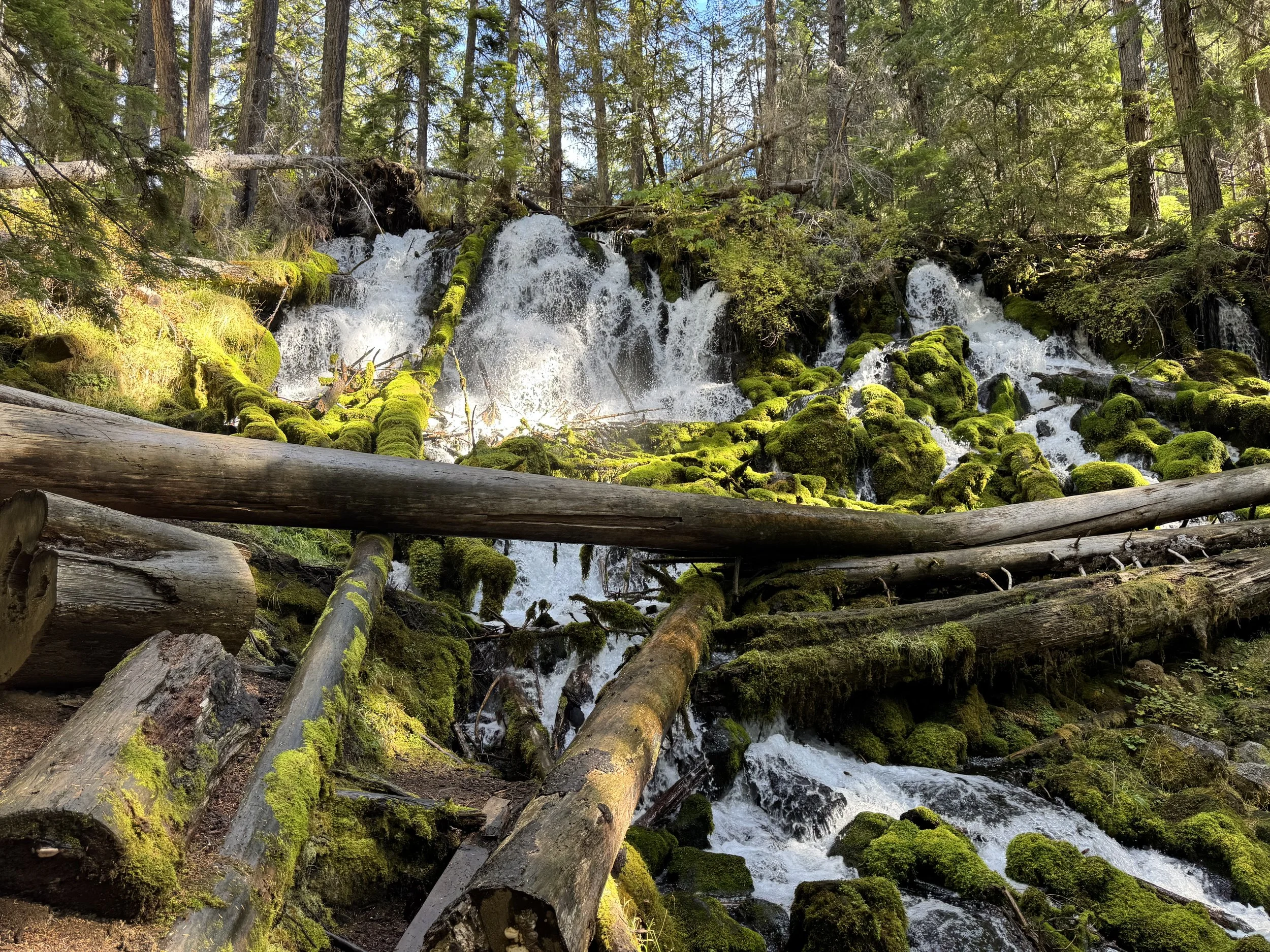
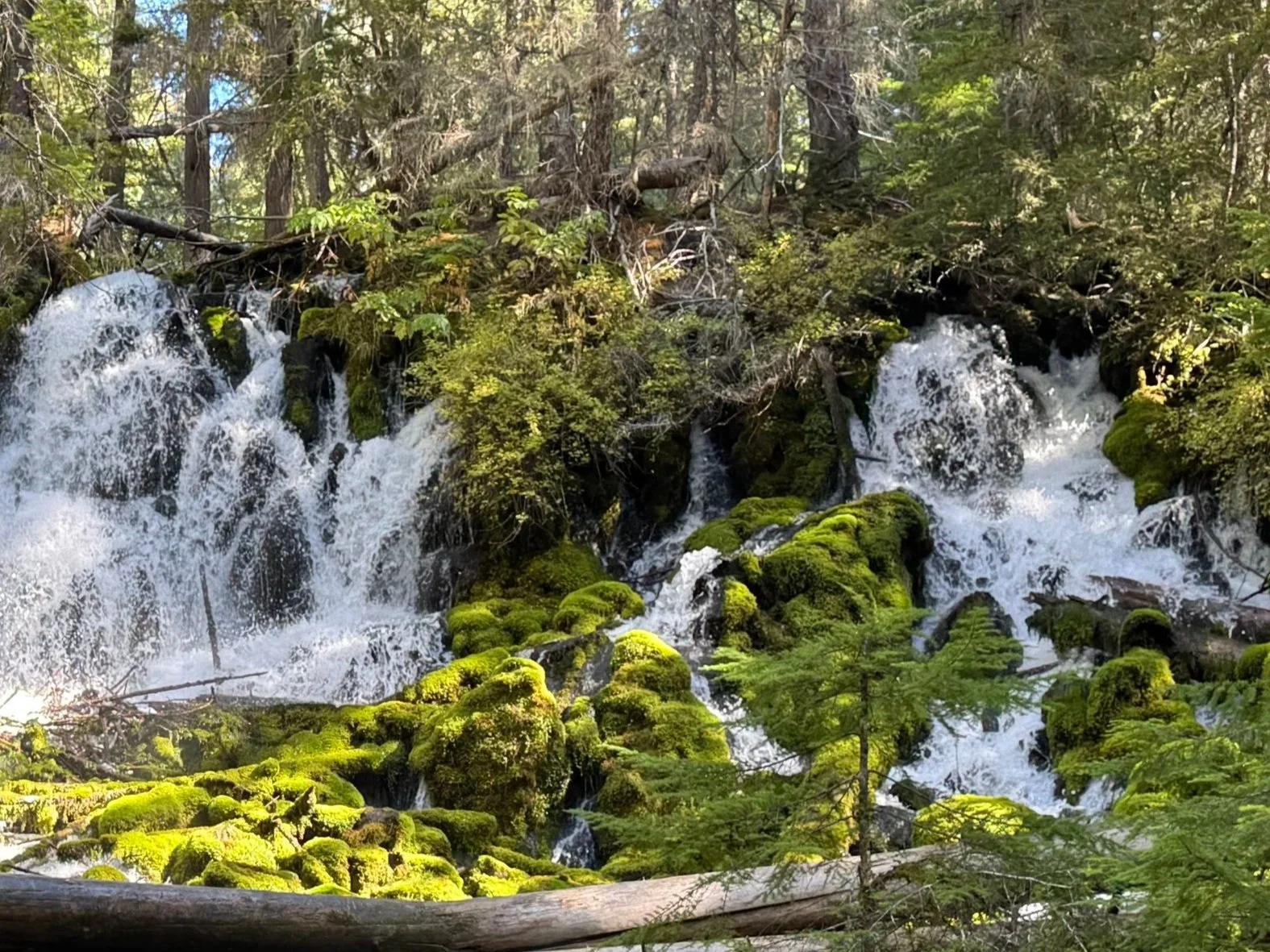
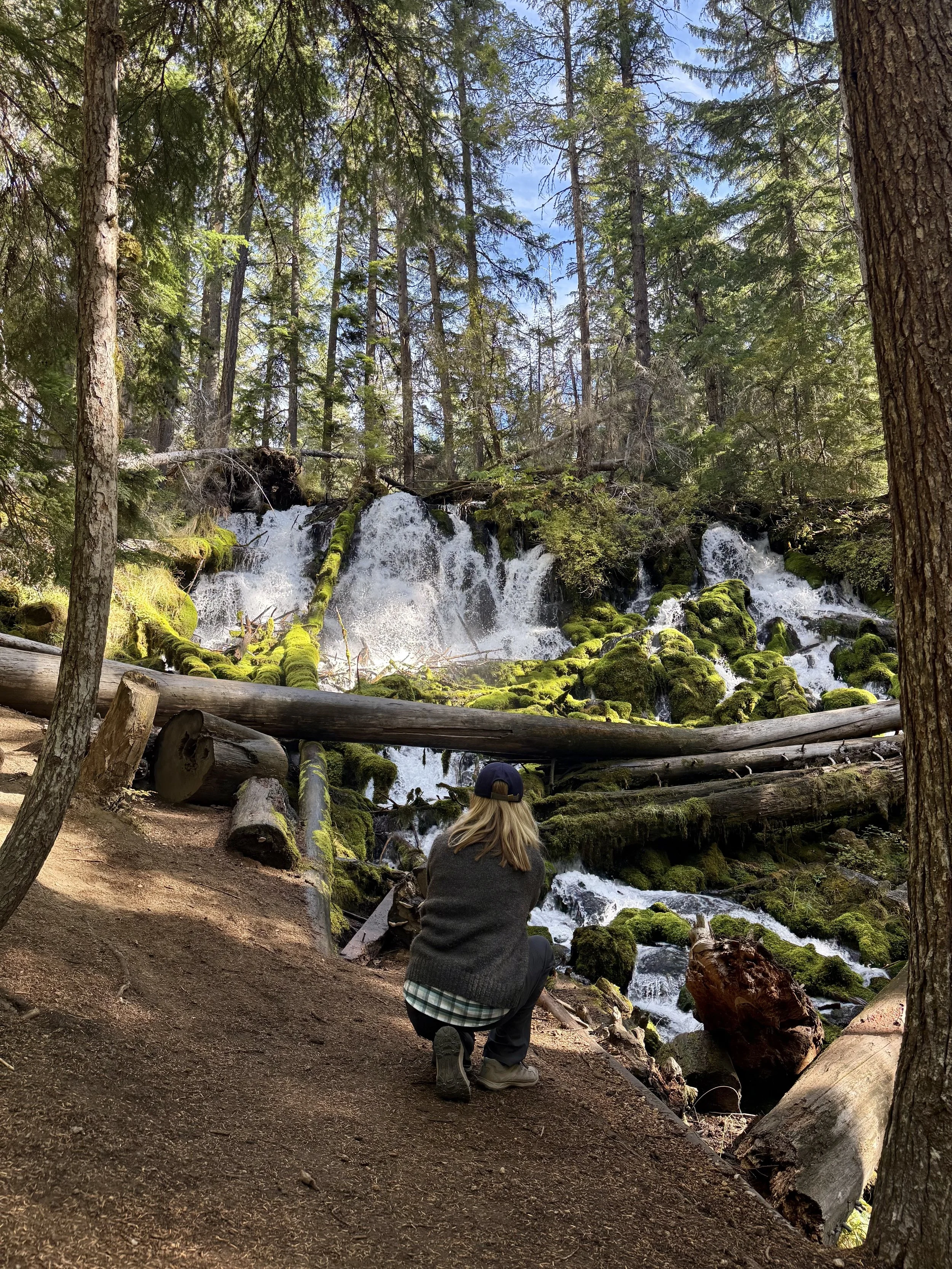
Clearwater Falls tumbles over moss-covered rocks and fallen logs beneath towering Douglas firs. Rather than one dramatic plunge, the water fans into smaller cascades, creating a lush Pacific Northwest forest scene.
The waterfall is close to the parking area and makes an easy stop to combine with nearby Whitehorse Falls. Fed by springs, the Clearwater River maintains a relatively consistent flow throughout the year so it won’t disappoint regardless of what time of year you visit.
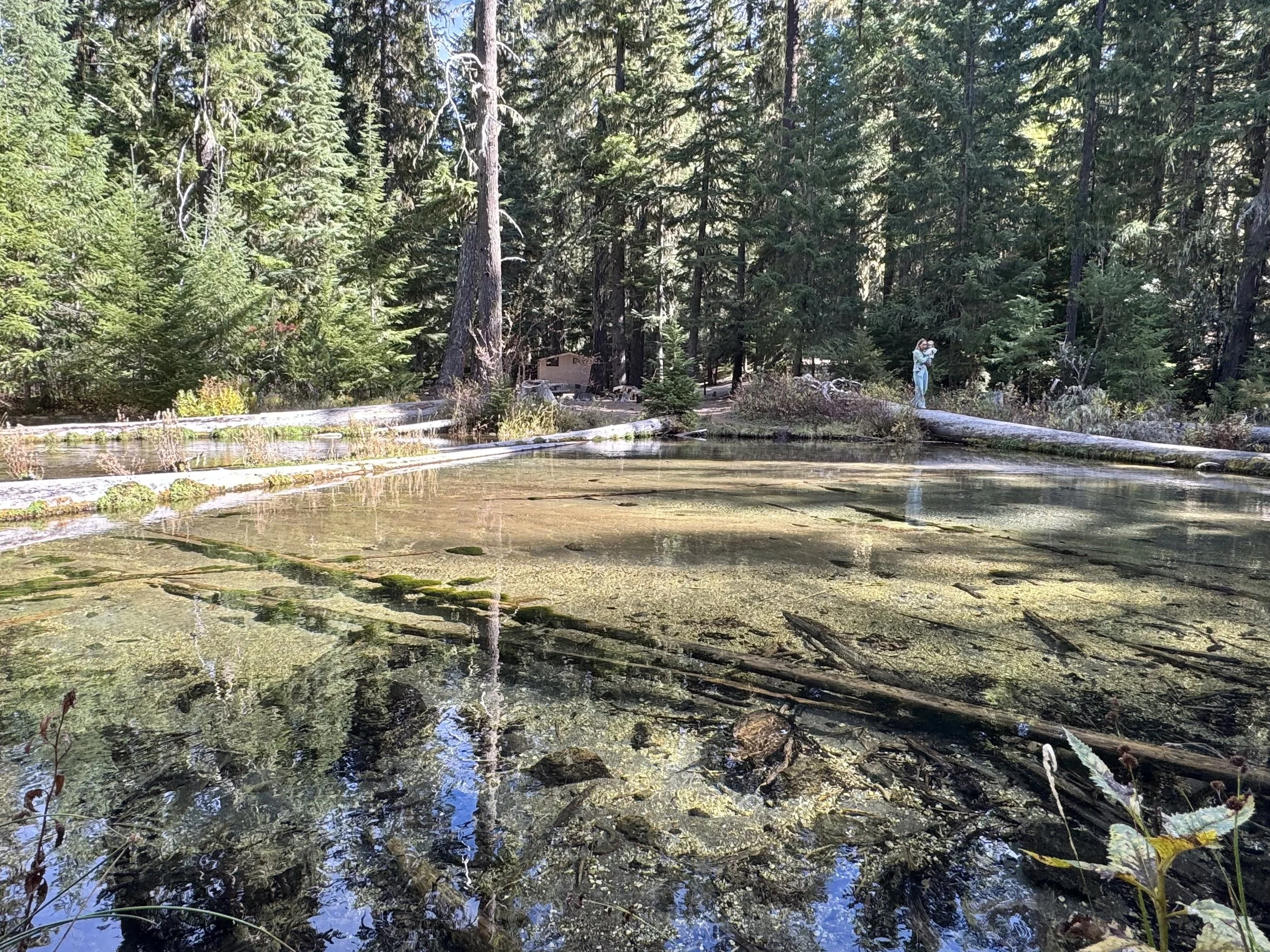
✨ Pro Tip: Take the short walk to the top of the falls to admire the crystal-clear pools just upstream near the campground. Watch your footing, as sections of the trail can be slippery.
Fall Creek Falls
📍 Location: Off Highway 138 east of Glide
🥾 Trail: Approximately 1.8 miles round trip
⏰ Time Needed: Approximately 1–1½ hours
✨ Best For: A more adventurous forest hike and interesting geology
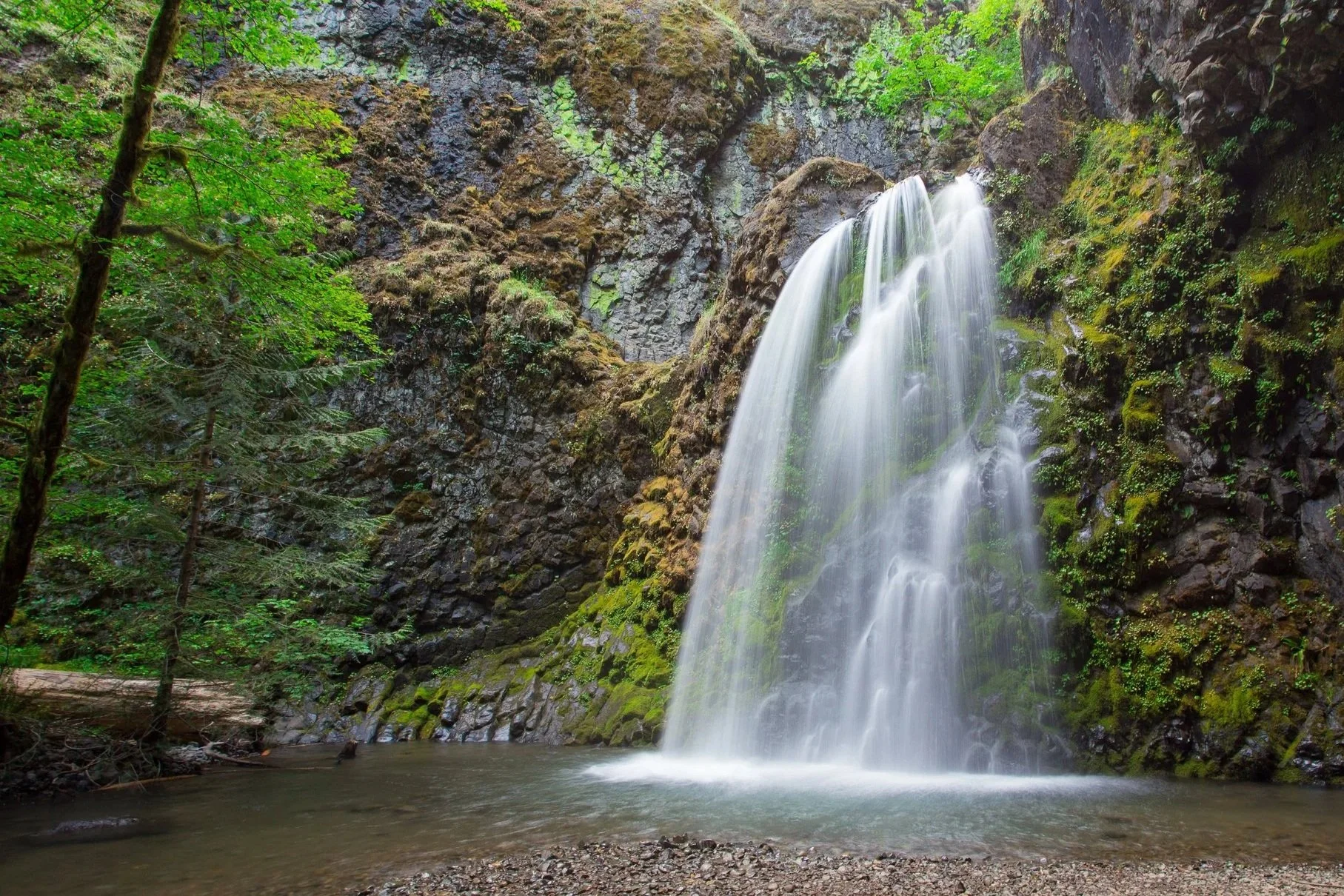
Fall Creek Falls is a multi-tiered waterfall reached by a forest trail featuring narrow rock passages, volcanic formations, and columnar basalt. Portions of the surrounding landscape were affected by the 2020 Archie Creek Fire, so visitors can also see the forest in different stages of recovery.
The trail first reaches the lower portion of the falls before climbing more steeply toward additional viewpoints.
Toketee Falls
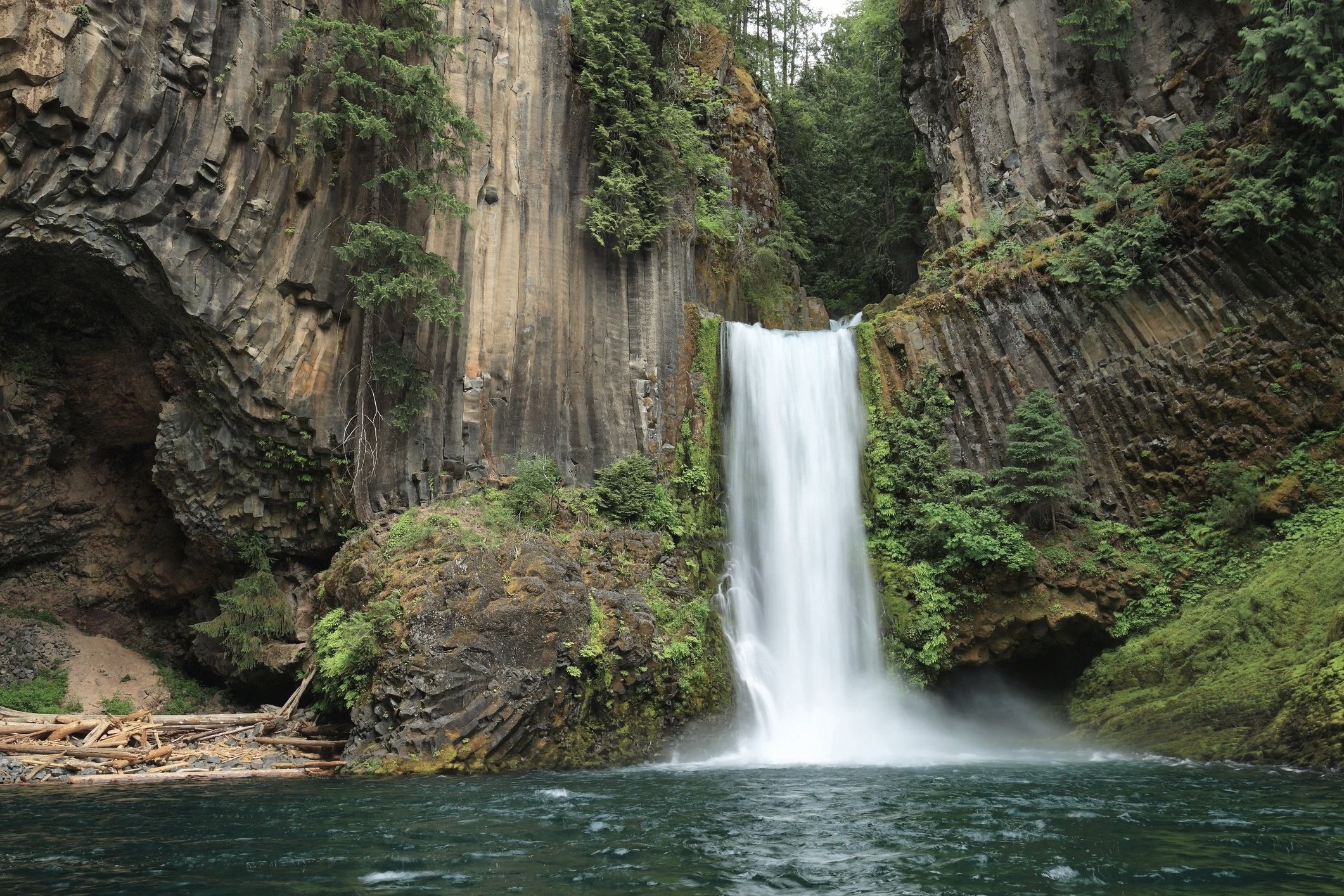
📍 Location: Near Toketee Lake off Highway 138
🥾 Trail: Approximately 0.8 mile round trip
⏰ Time Needed: Approximately 45–60 minutes
📸 Best For: An iconic North Umpqua waterfall view
Toketee Falls is the most recognizable waterfall along the North Umpqua corridor and one of the most photographed waterfalls in Oregon. The two-tiered waterfall drops through a narrow gorge surrounded by distinctive columns of basalt before reaching a deep pool below.
A short forest trail leads to an elevated viewing platform. While the distance is relatively short, stairs and elevation changes make this more than a flat stroll.
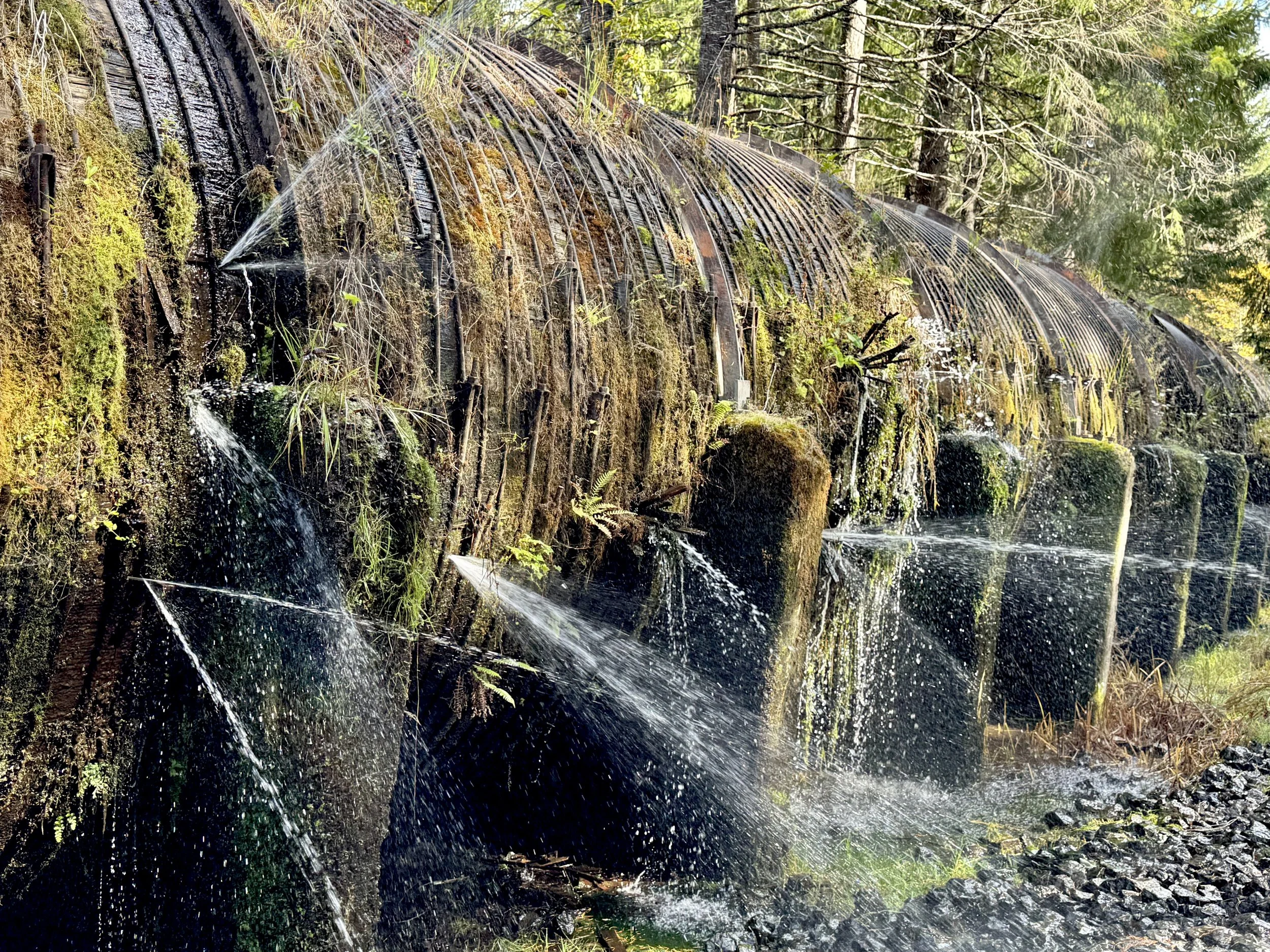
💡 Fun Fact: The surprises at Toketee begin in the parking lot, where a massive, 12-foot-wide pipeline sprays water through countless little leaks. The remarkable part? It’s built from redwood planks (hence the leaks)! The wooden pipeline is just one piece of a hydroelectric system with more than 37 miles of waterways winding through the region to a hydroelectric powerhouse. I expected to marvel at a waterfall—not a giant wooden water pipe, but it was fascinating to see once you realized it was made of wood!
Whitehorse Falls
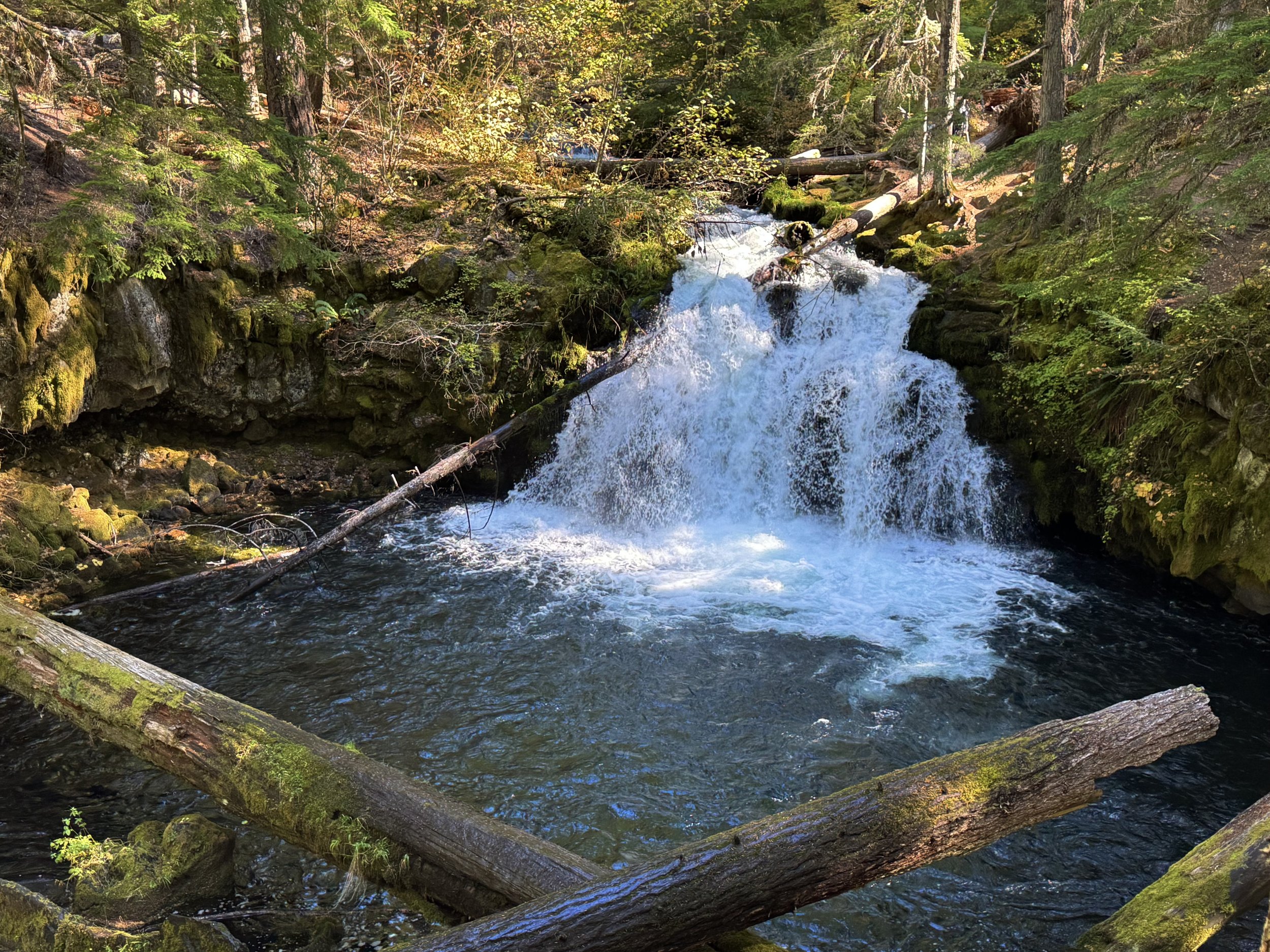
📍 Location: Whitehorse Falls Campground, off Highway 138
🥾 Trail: Very short walk from the parking area
⏰ Time Needed: Approximately 15–30 minutes
✨ Best For: Families, limited walking, and a quick scenic stop
Whitehorse Falls is a smaller waterfall surrounded by old-growth forest. The waterfall is located only a short walk from the parking area, making it one of the easiest stops along the Highway of Waterfalls.
Although it is less dramatic than Toketee or Watson Falls, its accessibility and peaceful forest setting make it easy to add to a waterfall-driving route.
Lemolo Falls
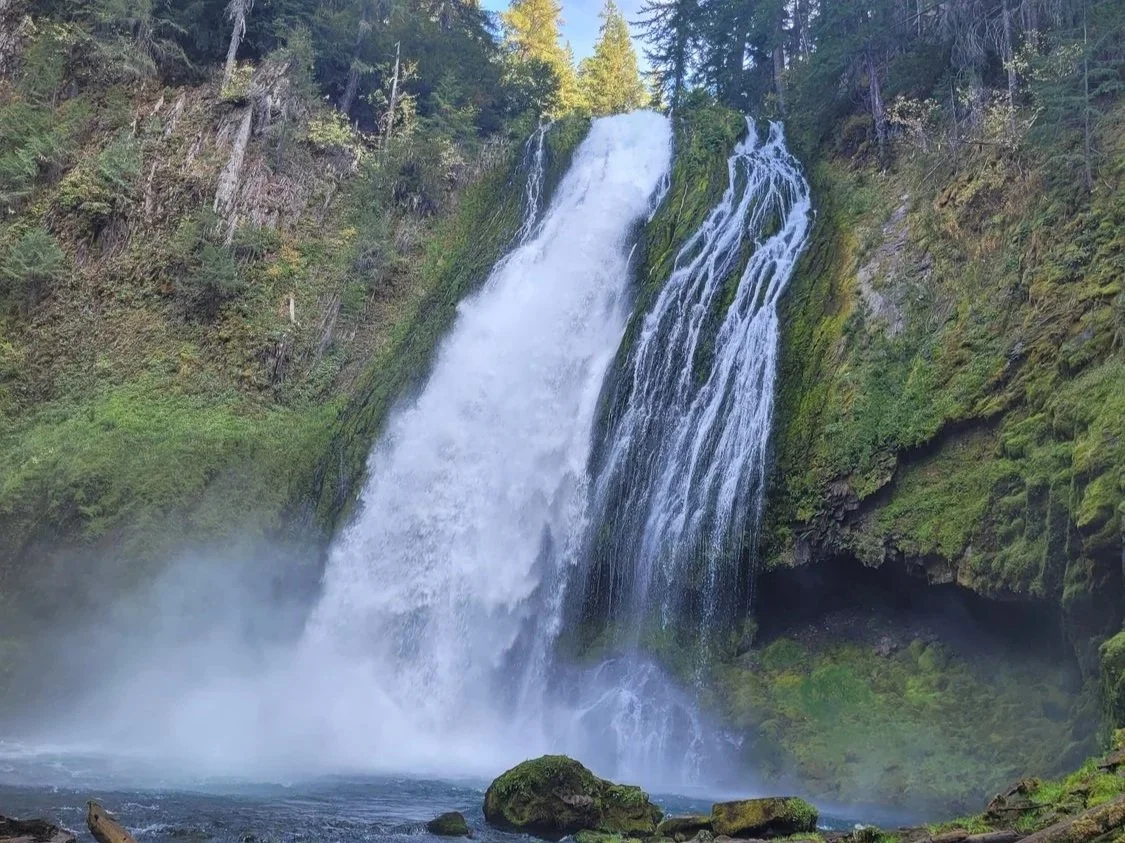
📍 Location: Lemolo Falls Trail, near Lemolo Lake and Highway 138
🥾 Trail: Longer and more challenging than most waterfall hikes on this list
⏰ Time Needed: Allow at least two hours
✨ Best For: Experienced hikers and visitors seeking a more remote waterfall experience
Lemolo Falls is one of the more remote and adventurous waterfalls in the North Umpqua area. The North Umpqua River plunges approximately 100 feet into a deep, forested canyon, creating one of the most powerful waterfall scenes in the region.
Reaching the waterfall requires more time and effort than the roadside waterfalls.
✨ Pro Tip: Check forest-road and trail conditions before heading out. Snow, storm damage, fallen trees and wildfire closures can affect access, and limited cell service makes it difficult to reroute once you’re in the forest.
Susan Creek Falls
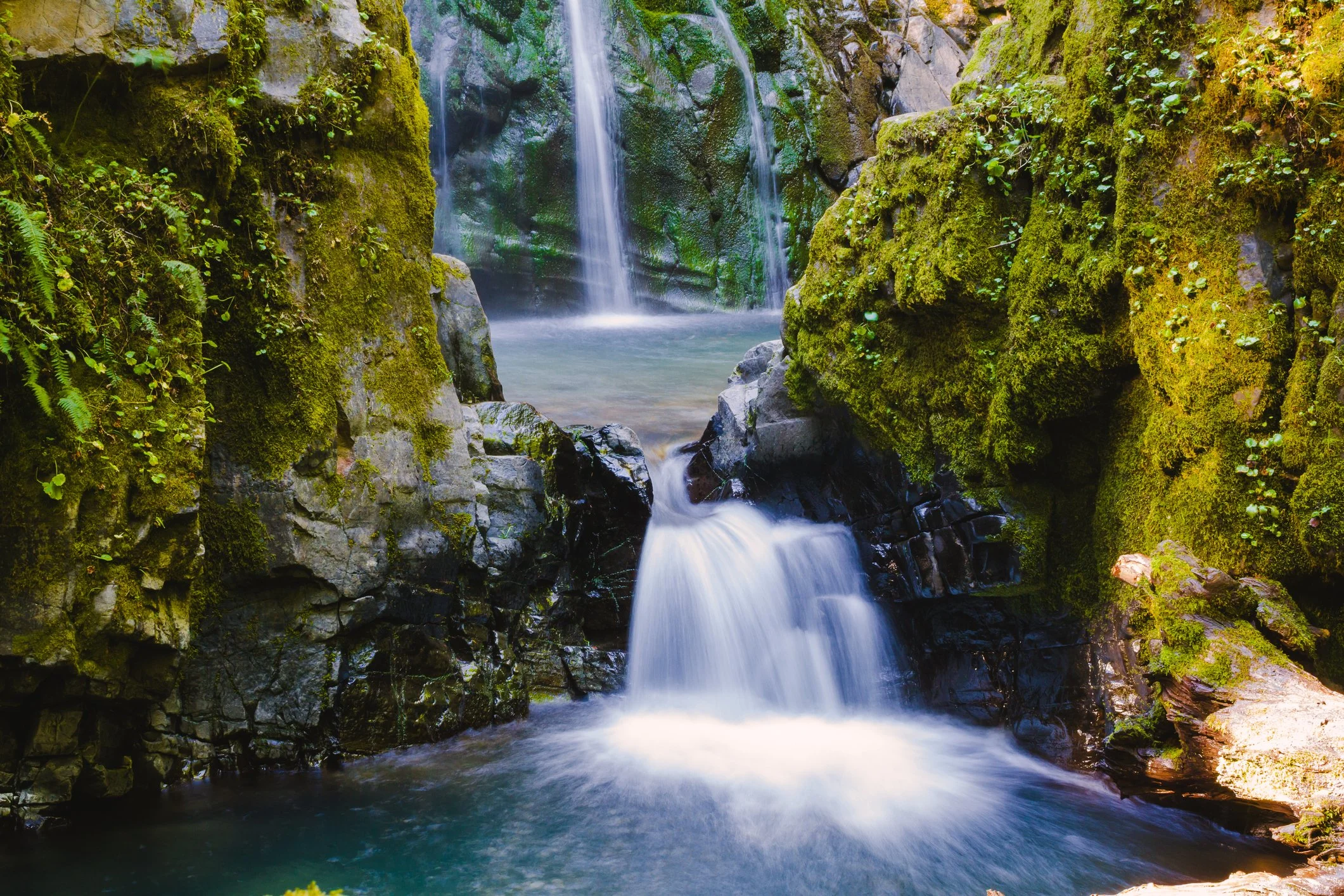
Photo credit: joshuaraineyphotography
📍 Location: Approximately 28 miles east of Roseburg
🥾 Trail: Approximately 1.6 miles round trip
⏰ Time Needed: Approximately 60–90 minutes
✨ Best For: Families, an easier hike, and a riverside picnic
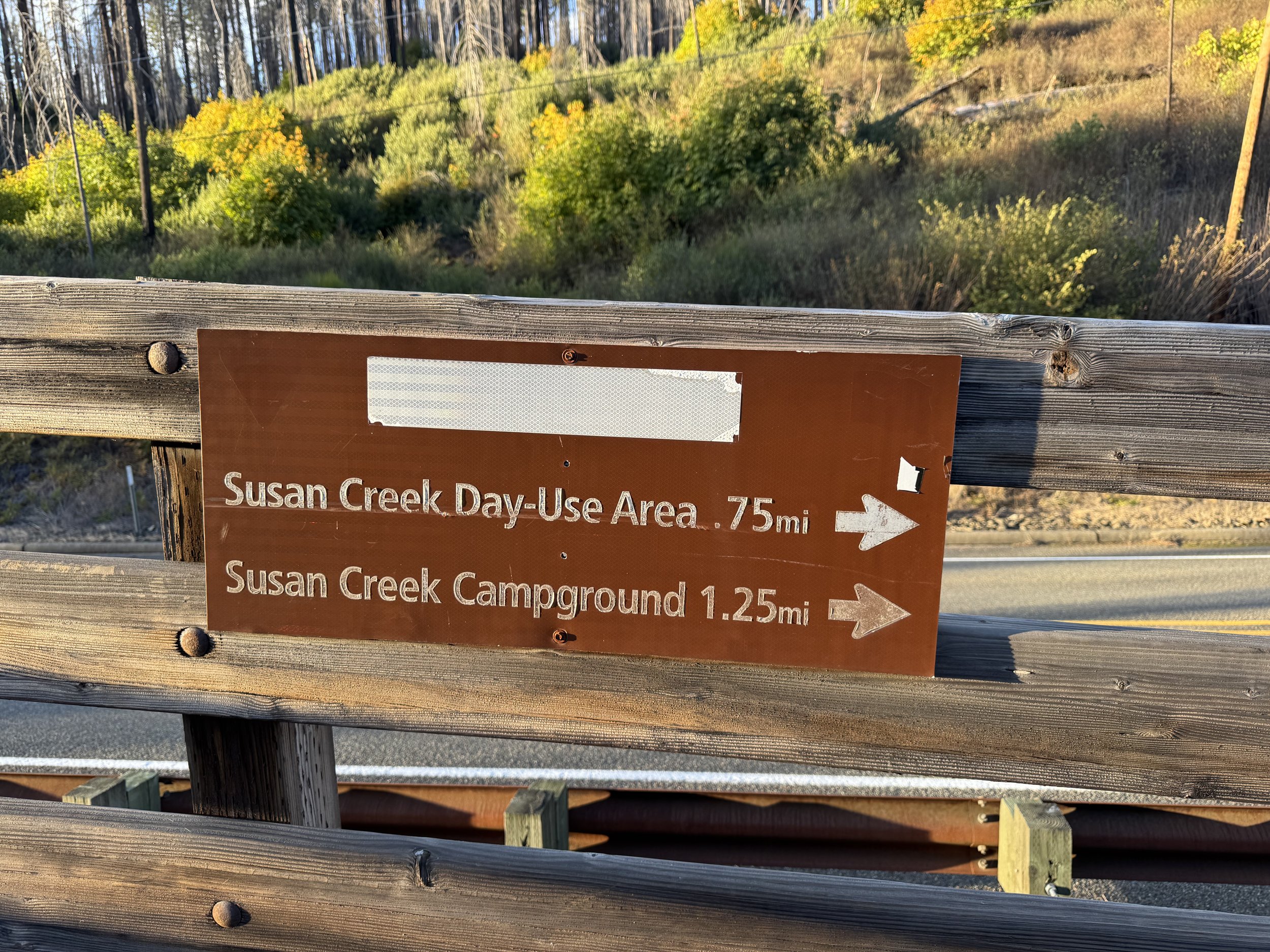
Susan Creek Falls is one of the first major waterfalls you will encounter when traveling east from Roseburg. A gently sloping forest trail leads approximately 0.8 mile to the fan-shaped waterfall and the pool beneath it.
The relatively gradual trail makes this one of the more approachable waterfall hikes in the area. The Susan Creek Day-Use Area also provides access to picnic areas and the Emerald Trail along the North Umpqua River. The views here are incredible.
✨ Pro Tip: Susan Creek Falls is roughly 30 miles west of Toketee Falls, with Watson, Whitehorse and Clearwater Falls farther east. Plan to visit on your way to or from Roseburg to avoid backtracking.
Which North Umpqua Waterfalls Should You Prioritize?
If you only have time to see a couple of waterfalls, I would choose Toketee Falls and Watson Falls. They are the most dramatic and visually distinctive waterfalls along the route.
For an easier waterfall day with minimal hiking, combine Whitehorse Falls and Clearwater Falls. If you want a longer forest hike, consider Susan Creek Falls or Fall Creek Falls. More adventurous hikers with additional time can add Lemolo Falls.
Tips for Visiting the North Umpqua Waterfalls
Download maps and directions before leaving Roseburg, as cell service can be unreliable along the North Umpqua corridor. I lost service about 18 miles outside town and had none for the rest of my time in the area.
Start early if you plan to visit several waterfalls in one day.
Wear shoes with good traction because trails, stairs, rocks, and bridges are often wet and slippery.
Carry water and snacks. Services are limited as you travel east along Highway 138.
Allow more driving time than the mileage suggests because you’ll likely want to stop at river overlooks and scenic pullouts along the way. It’s a beautiful area.
🎣 Go Fly Fishing on the North Umpqua River
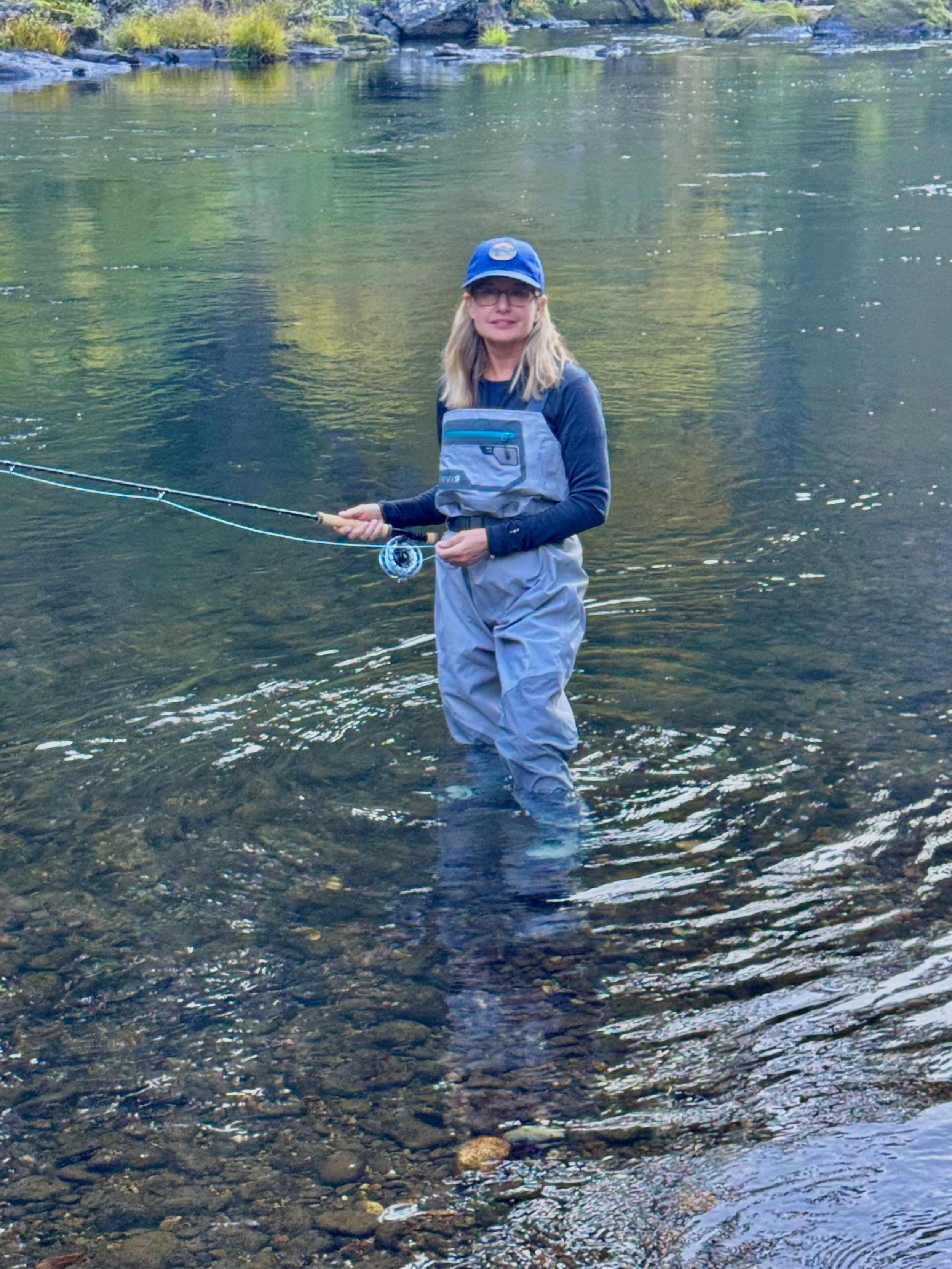
The North Umpqua River is legendary in the fly fishing world, particularly for its challenging summer steelhead fishing. Anglers have traveled to this part of Southern Oregon for generations to wade its clear waters, cast beneath towering forests, and test their skills against one of the Pacific Northwest’s most celebrated game fish.
Even if you have never held a fly rod before, a guided outing offers a memorable way to experience the North Umpqua River and learn about its fishing history, aquatic ecosystem, and ongoing conservation efforts.
Bringing Your Own Fly Fishing Gear
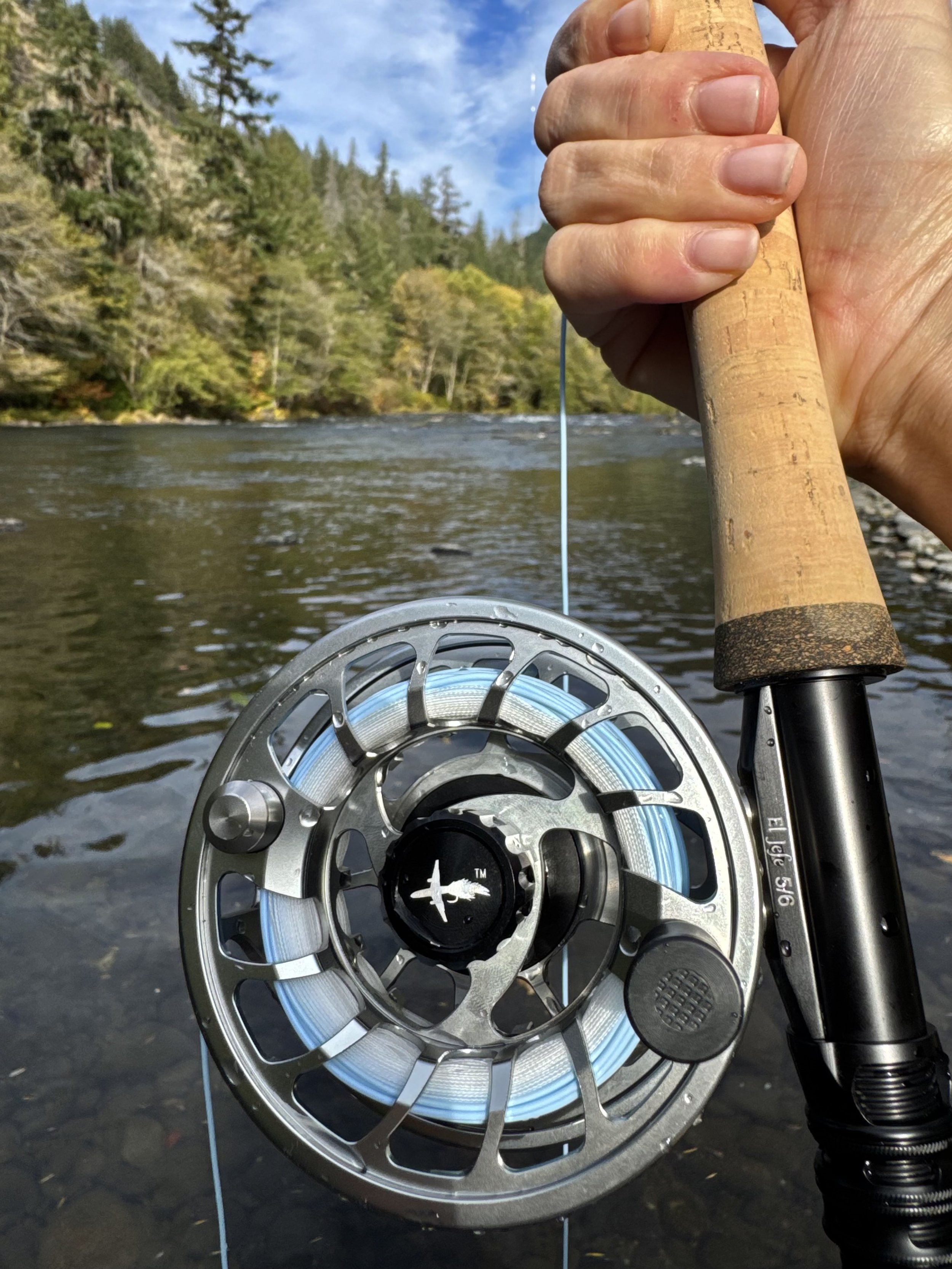
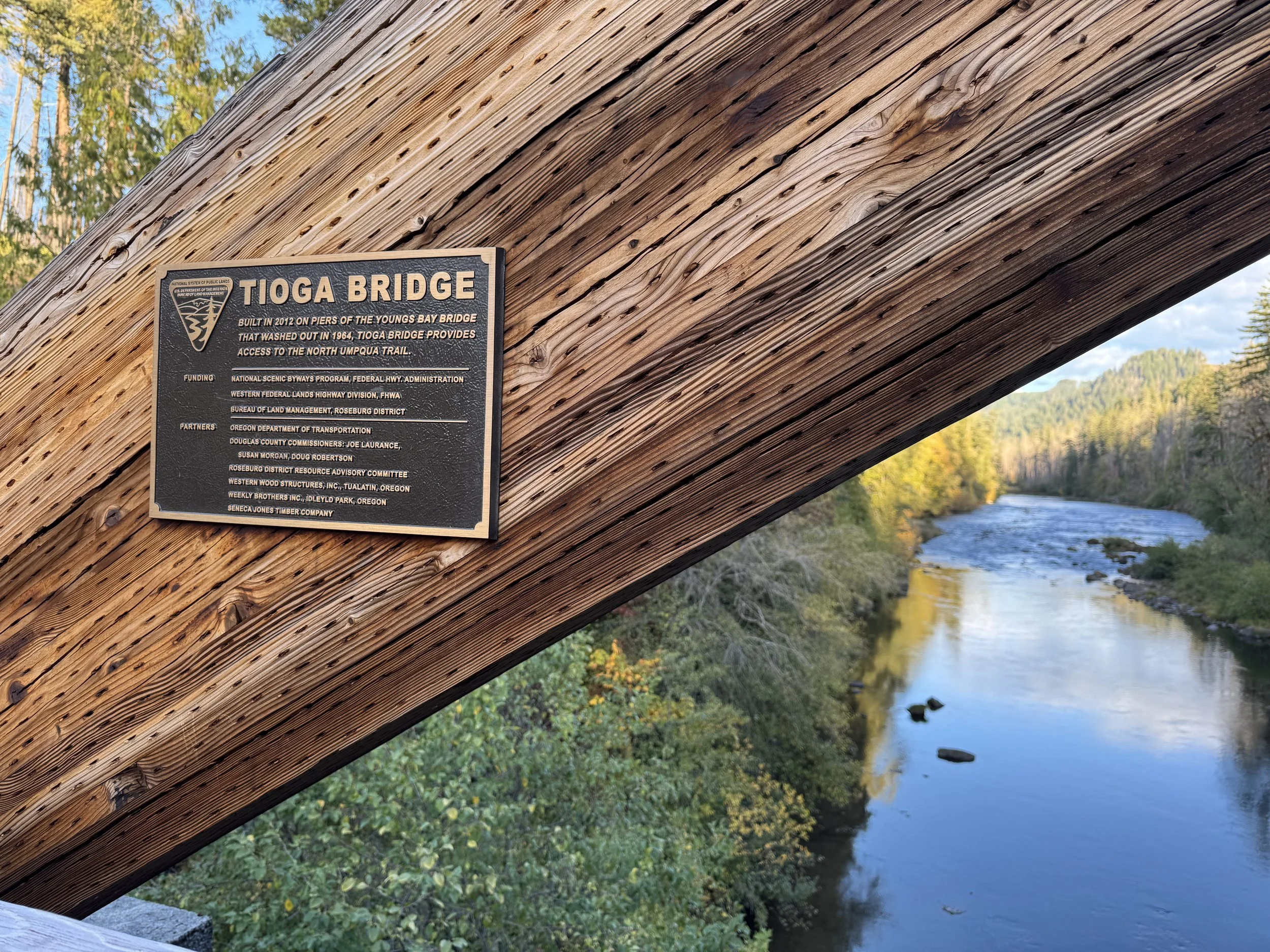
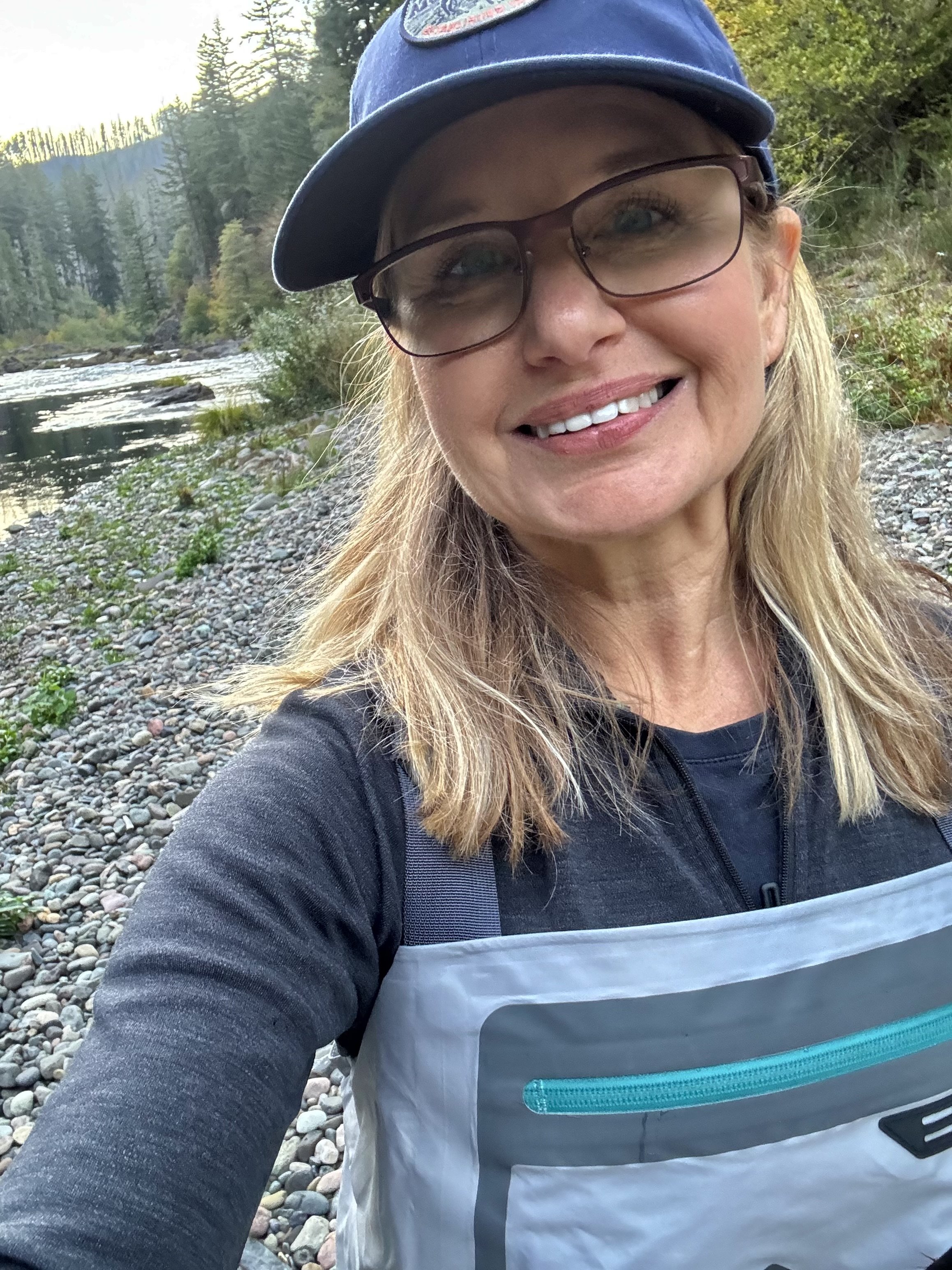
This was my very first fly fishing trip without a guide, and asking around locally helped me find places to cast, including right in front of Steamboat Inn and near the bridge just beyond the property heading away from Roseburg. Being able to walk down to the river and spend a few hours fishing every night after a day of exploring was one of my favorite parts of staying there.
✨ Pro Tip: If you’re looking for a compact travel rod, I know the perfect option. Check out Pescador on the Fly. Mine breaks into six pieces and packs into a lightweight carbon-fiber tube that fits in my backpack. It was perfect for bringing along as a carry-on.
What to Expect on a Guided Fly Fishing Trip
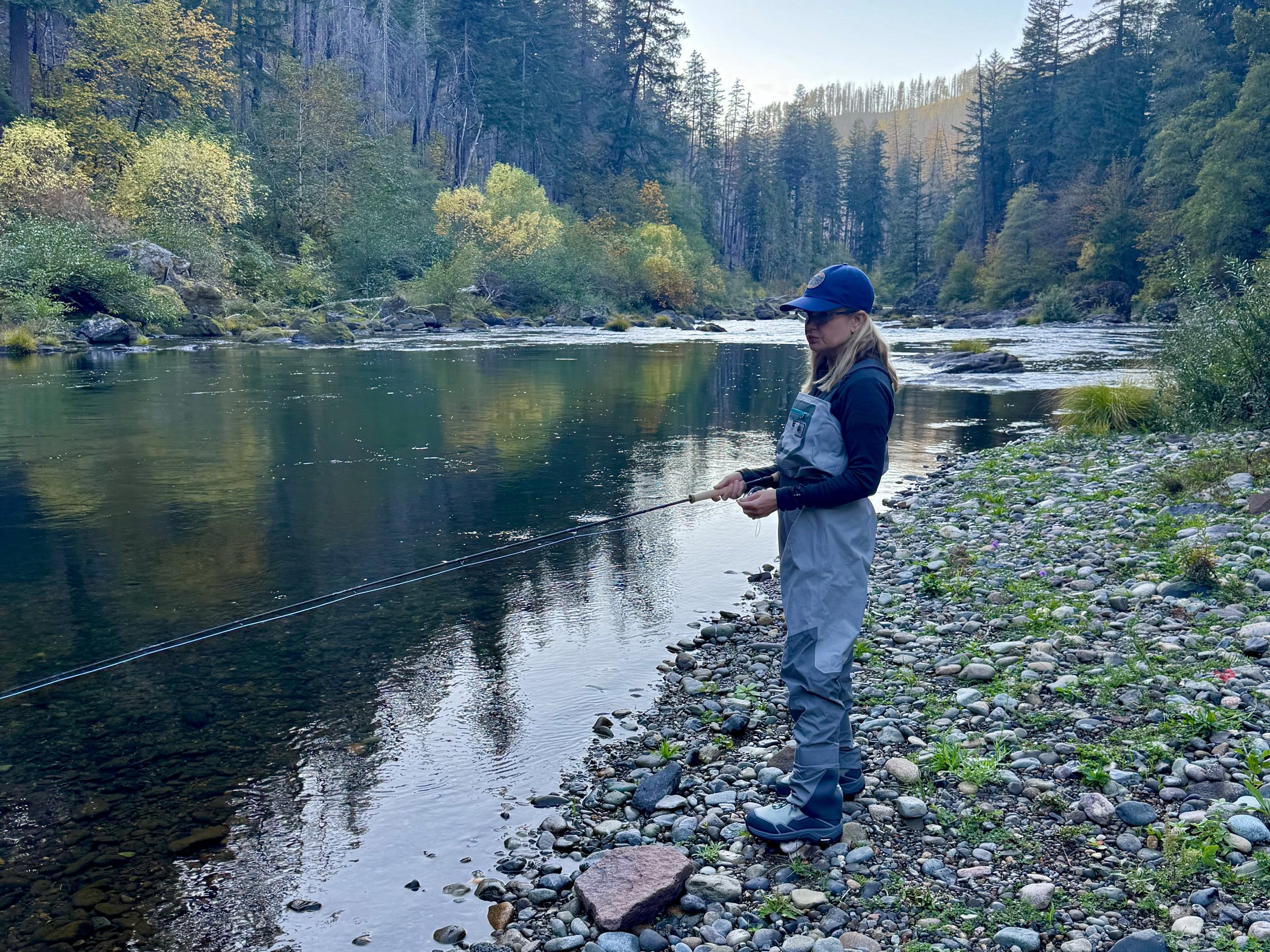
Not prepared to fish on your own? There are plenty of guides in the area to choose from.
A guided fly fishing experience will typically begin with an introduction to the equipment, basic casting techniques, river safety, and the fishing regulations that apply to that particular section of the river.
Depending on the season, river conditions, and current regulations, the experience may involve fishing from the riverbank or carefully wading into the water. The North Umpqua is known for its strong current and slippery riverbed which I can attest to, making local knowledge particularly valuable.
✨ Pro Tip: Ask what equipment is included. Many guided trips provide rods, reels, flies, waders and boots, but confirm before packing. If you prefer to bring your own gear, I recommend the compact El Rey G6 travel rod from Pescador on the Fly. It’s much easier to fit inside a carry-on or backpack than a traditional four-section travel rod and well made.
Is North Umpqua Fly Fishing Suitable for Beginners?
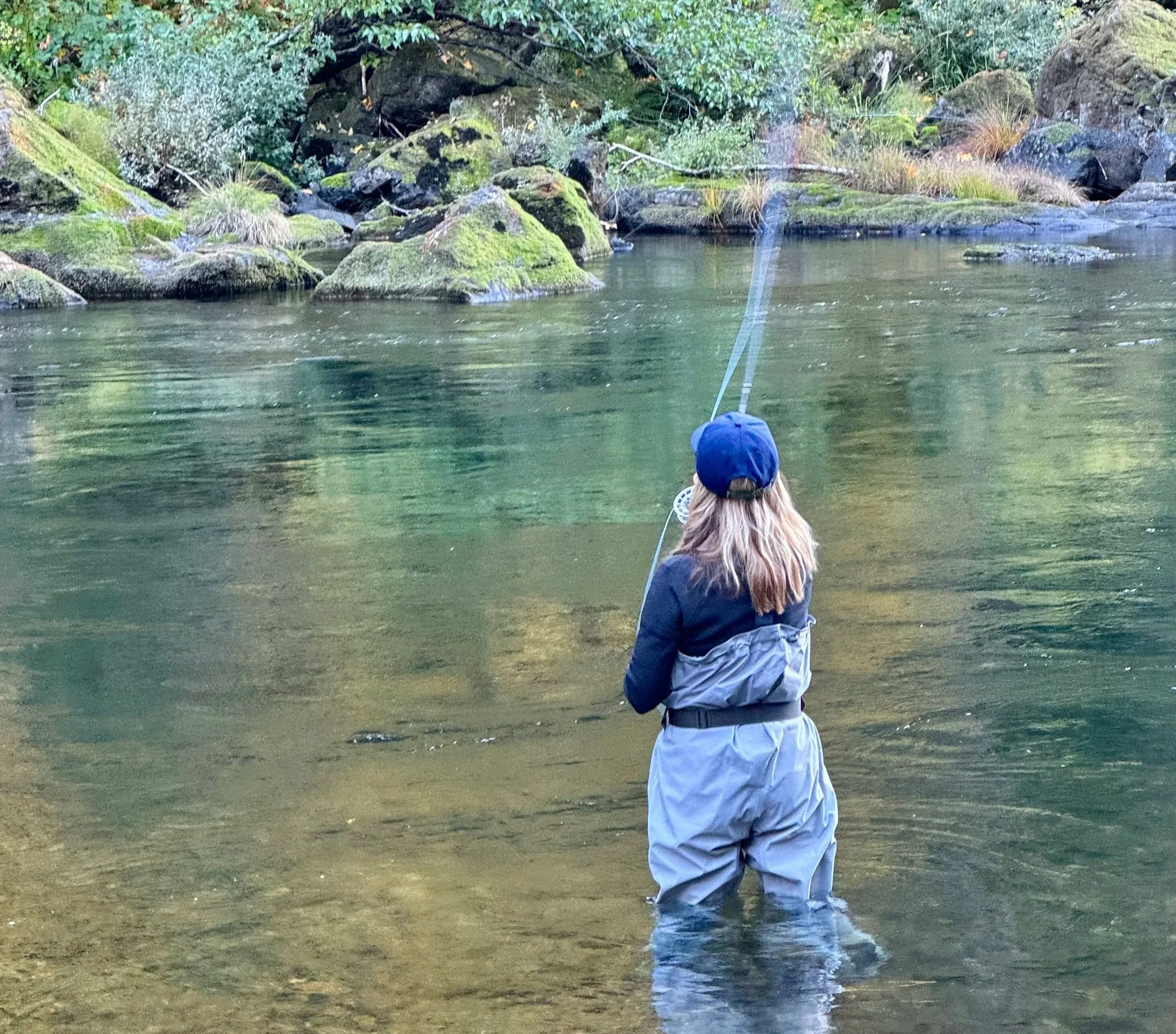
The North Umpqua has a reputation for challenging fishing, but you don’t have to be an expert to enjoy fishing here, although patience and realistic expectations do help. I didn’t catch a single fish, and it was still one of my favorite fishing experiences. There was something wonderfully absorbing about practicing my cast with the river rushing past and forest all around me. I stopped worrying about getting every cast right and simply enjoyed being there.
If you’re completely new to fly fishing, a guide can help you build confidence. If you already know the basics and prefer to explore independently, ask locally about suitable access points and conditions. The staff at Steamboat Inn helped point me toward places to fish, including near the bridge by Mott Trailhead. Easy access doesn’t always mean easy wading, so choose your footing carefully and stay within your comfort level.
Do You Need an Oregon Fishing License?
Most visitors who plan to fish will need a valid Oregon fishing license, even when participating in a guided excursion. Additional tags or endorsements may be required depending on the species being targeted and the current regulations even if you plan to release your catch.
✨ Pro Tips: Ask your outfitter exactly what you need before purchasing a license. Oregon offers short-term, multi-day licenses for non-resident visitors which may be more practical than an annual license for a single guided outing. Youth licenses are available for ages 12–17, while children younger than 12 do not need a fishing license.
Important North Umpqua Fishing Regulations
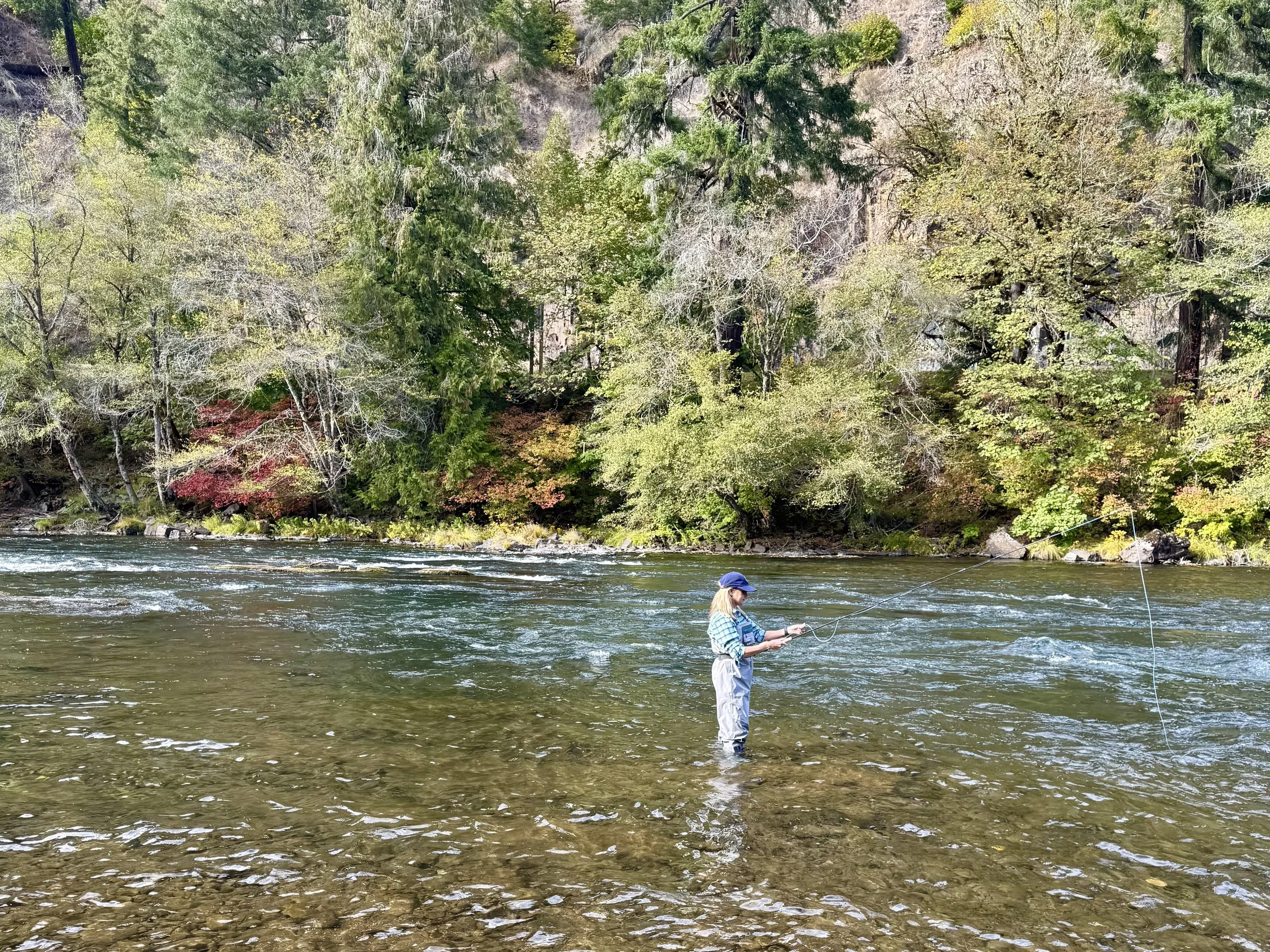
Fishing regulations along the North Umpqua River vary by species, season, and section of the river. Certain areas may have restrictions involving fishing methods, artificial flies, barbless hooks, catch-and-release practices, and fishing from a floating device.
Steelhead seasons may also be shortened or closed when returns fall below conservation thresholds. During my visit, the Oregon Department of Fish and Wildlife closed the North Umpqua to steelhead fishing because of low returns. I was still able to fish here but under stringent rules.
Always check the current ODFW regulations and emergency updates shortly before fishing. Do not rely exclusively on an older article (even mine), printed brochure, or previous year’s rules.
Tips for Fly Fishing the North Umpqua River
Book a local guide: The river’s current, slippery bottom, access points, and complex regulations can make a guide especially valuable for first-time visitors.
Confirm what you will be fishing for: Ask the outfitter about the target species and current regulations before your trip.
Purchase the correct license: Verify whether you need a short-term fishing license, combined angling tag, or any other license before fishing.
Ask what equipment is included: Many guided trips provide rods, reels, flies, waders, and boots, but you should confirm before packing.
Wear layers: Temperatures along the river can change considerably between early morning and afternoon.
Bring polarized sunglasses: They reduce glare and make it easier to see into the water. They also provide important eye protection while casting. I have first-hand experience with sunburned eyes and it’s not pleasant.
Use traction designed for wading: The riverbed is notoriously slippery which I can attest to. Follow your guide’s recommendations for boots and traction devices.
Protect electronics: Carry your phone, camera, and keys in a waterproof case or dry bag.
Do not underestimate the current: Never enter unfamiliar water without caution or guidance, even when the river appears calm from shore.
Practice responsible catch-and-release: Keep fish in the water whenever possible, minimize handling, and follow your guide’s instructions.
Check conditions shortly before your outing: Fishing closures, wildfire activity, water temperature, and river conditions can all affect the experience.
Enjoy the setting: Catching a fish is never guaranteed. The scenery, casting lesson, and opportunity to spend time on the North Umpqua are important parts of the experience. I caught nothing and it was one of my favorite fishing trips!
✨ Pro Tip: If you’re new to fly fishing, be sure to tell your guide before the trip. A good guide can choose a beginner-appropriate location and spend more time teaching casting, river safety, and how to read the water.
🦒 Visit Wildlife Safari
📍 Location: 1790 Safari Road, Winston, Oregon
🌐 Website: Wildlife Safari
⏰ Time Needed: Allow approximately 2–3 hours for the drive-through safari and exploring the Safari Village
✨ Best For: Families, animal lovers, and photographers
🚗 Good to Know: You drive your own vehicle through the safari park to get up close and personal wiht the animals, while Safari Village is explored on foot.
Wildlife Safari is a 600-acre drive-through animal park in Winston, Oregon, approximately 10 miles south of Roseburg. The 4.5-mile route allows visitors to see animals from around the world while driving through large, open habitats in their own vehicle.
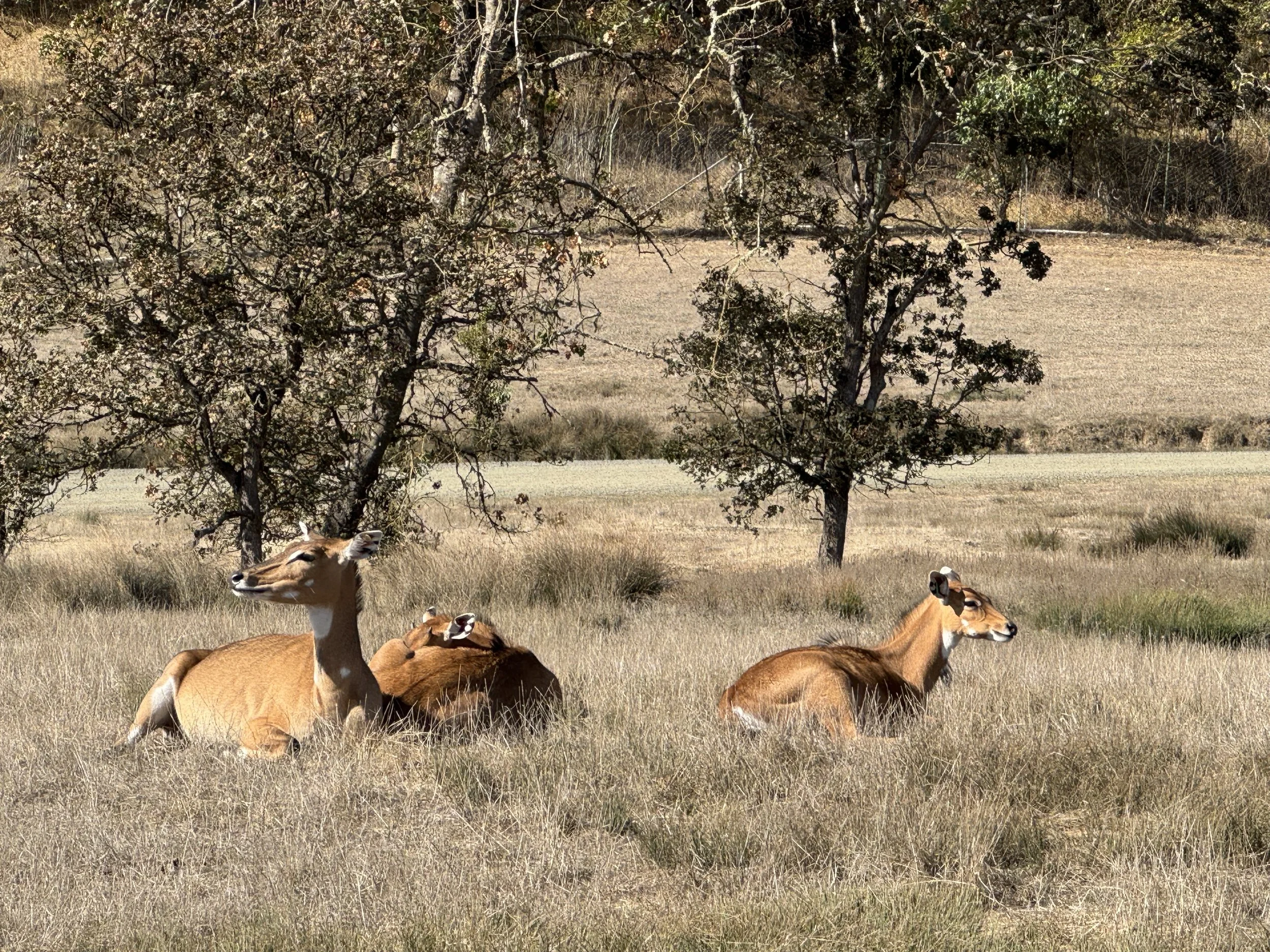
Around 100 species live at Wildlife Safari, including giraffes, elephants, rhinos, lions, cheetahs, zebras, hippos, bears, bison, elk, emus, and scimitar-horned oryx. The drive passes through areas representing Southern Africa, Asia, the Americas, and the park’s carnivore habitats.
Drive Through the Wildlife Safari
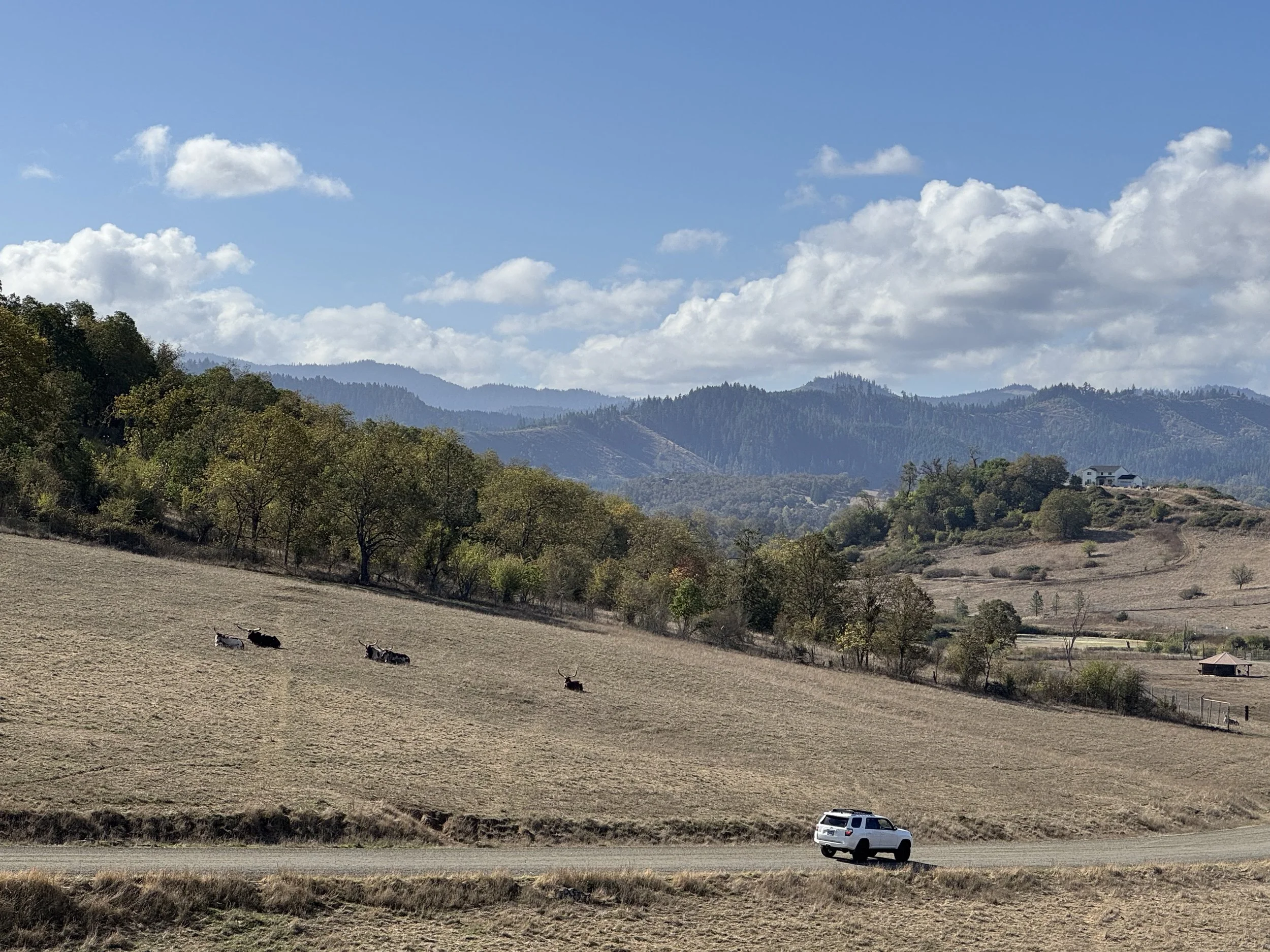
The drive-through portion of Wildlife Safari as animals wander past your car was so much fun. The drive takes approximately 60–90 minutes, although your total time will depend on how active the animals are and how often you stop for photographs.
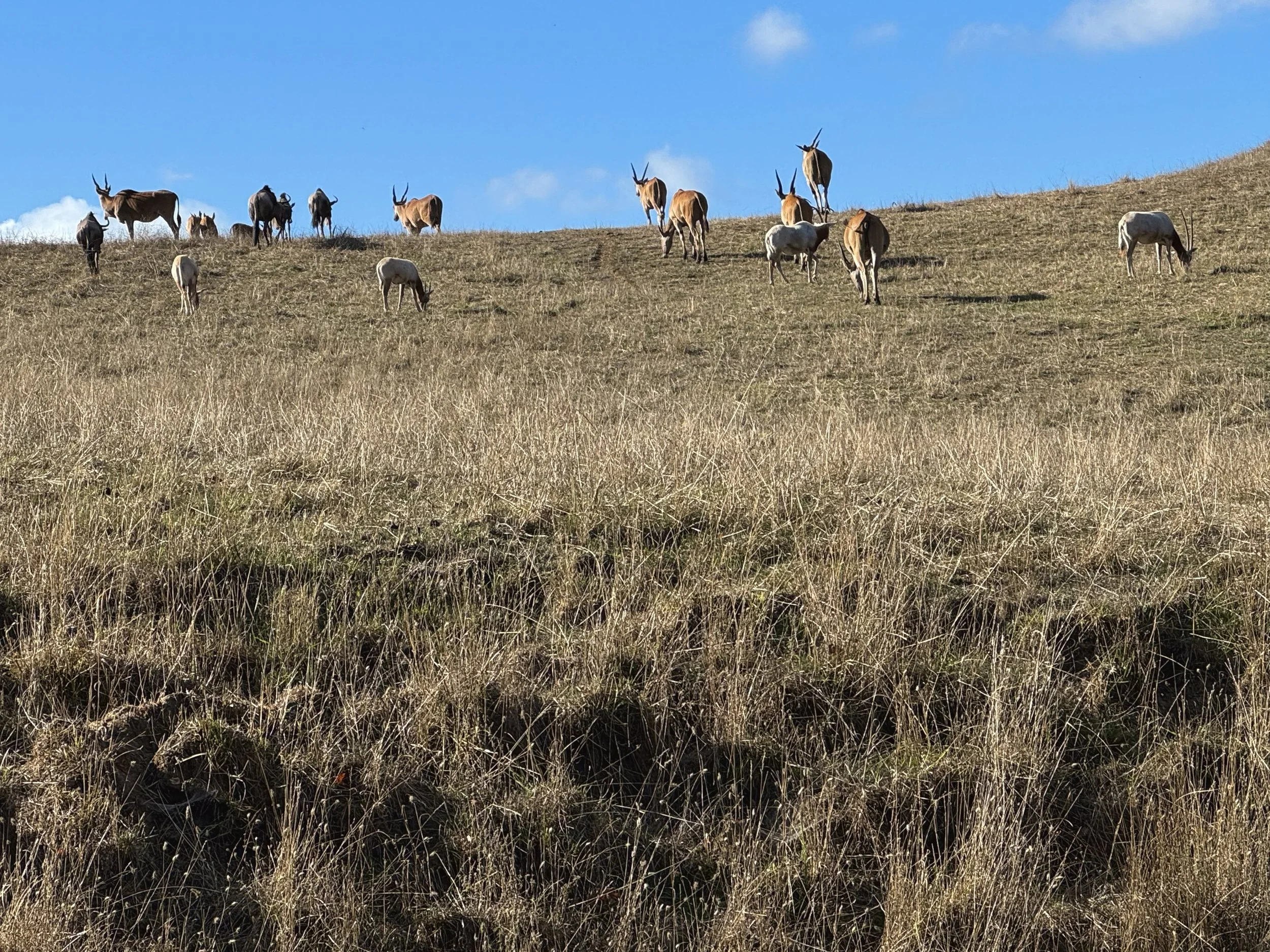
Unlike a traditional zoo, many of the animals have room to roam freely throughout large habitats and are fascinating to watch. Depending on where they choose to spend their time, you will undoubtedly see at least some animals standing close to the road although others may be farther away.
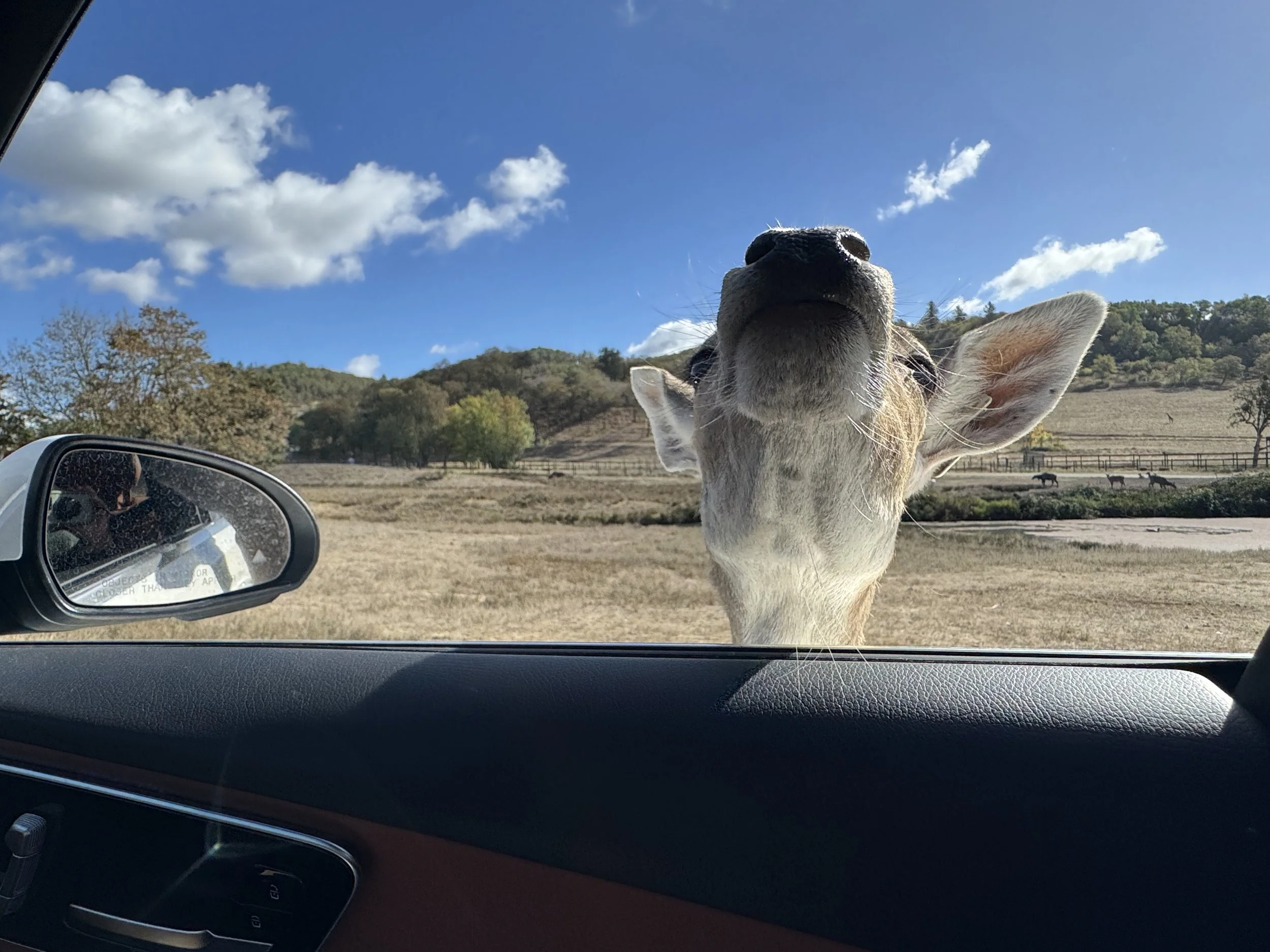
Toward the end of the drive, there’s a designated section where you can purchase food cups to feed the animals. Having them come right up to the car window was so much fun and one of my favorite parts of the drive. Be ready for some very eager visitors!
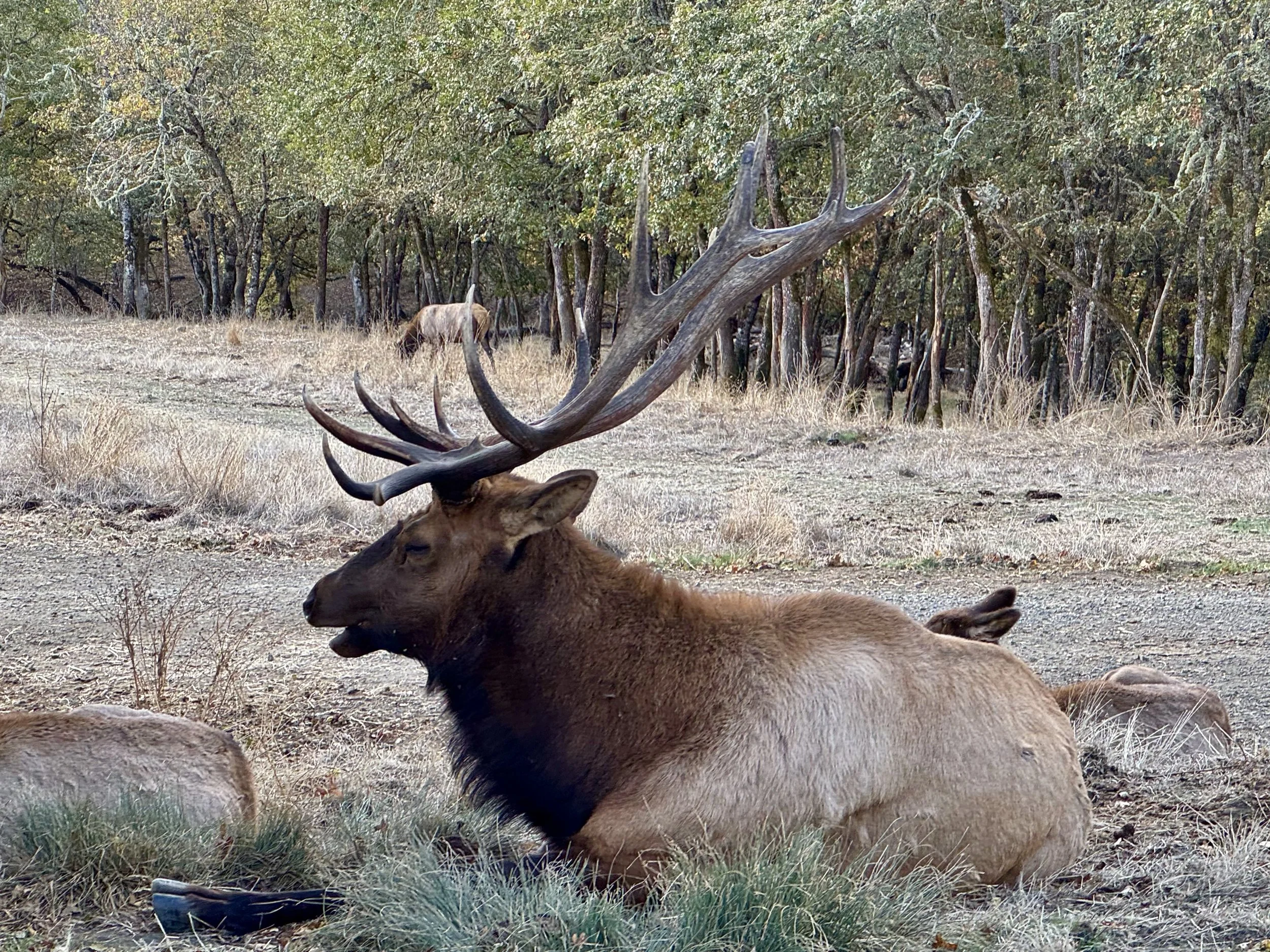
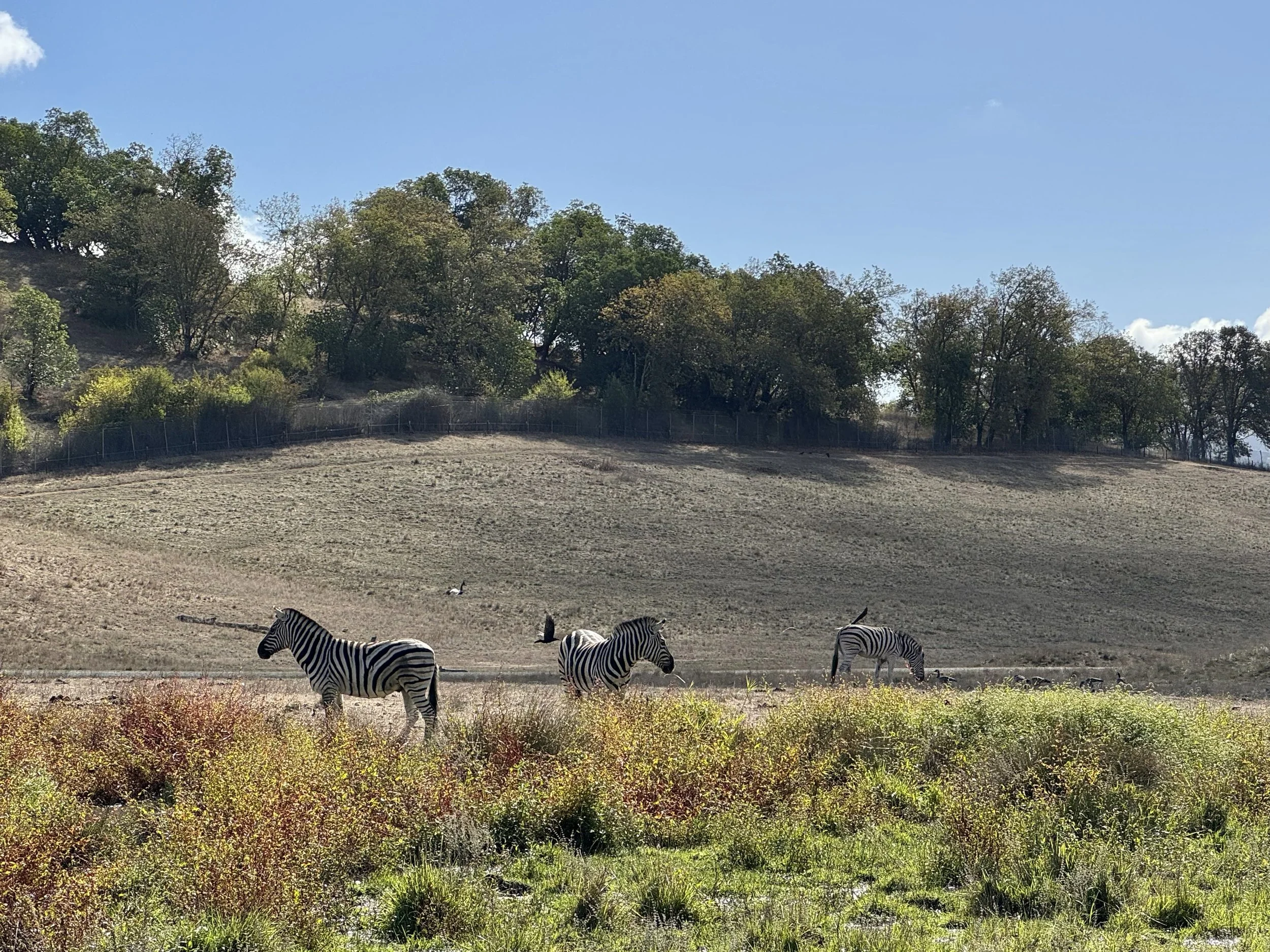
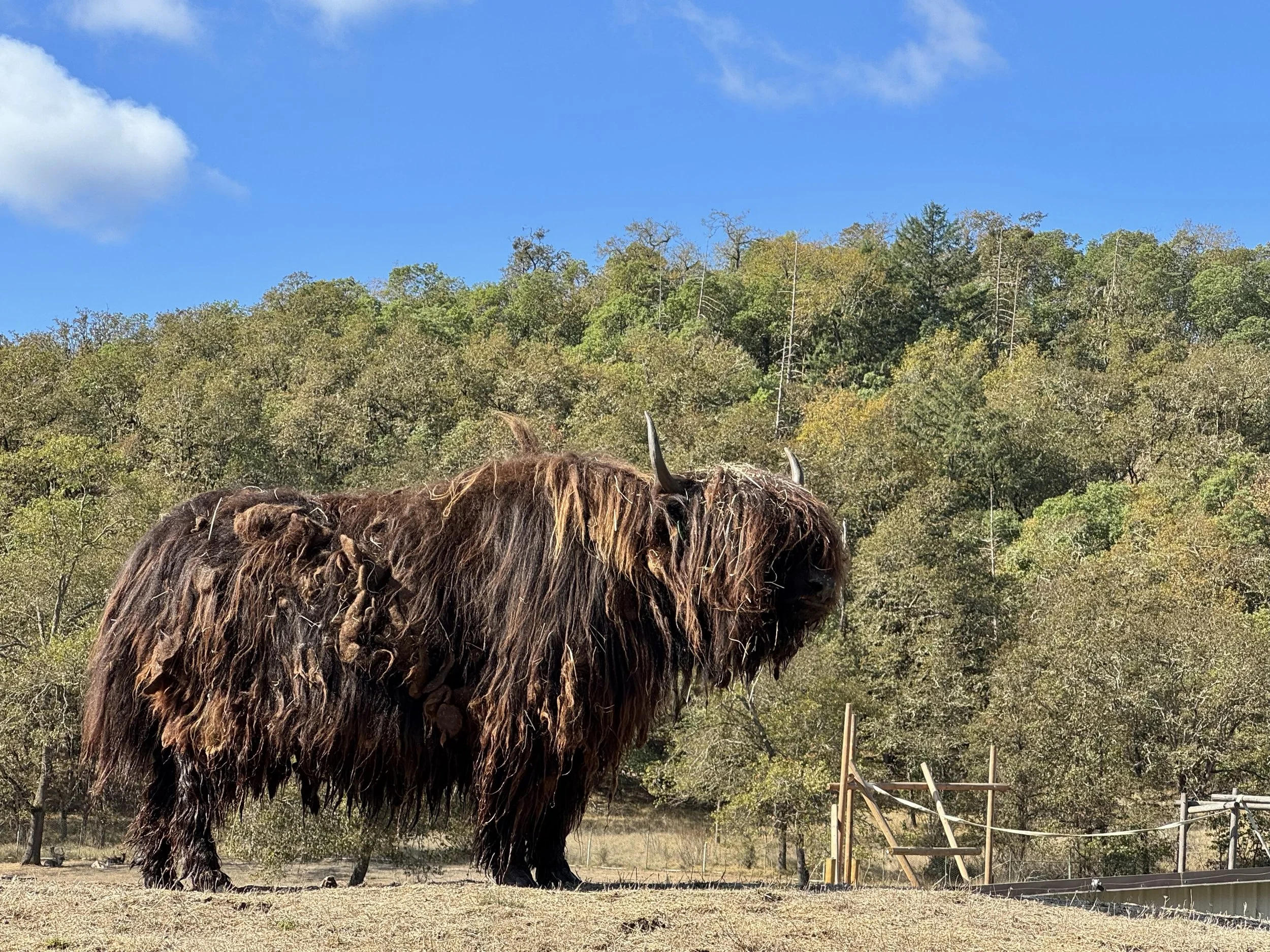
Although visitors receive a park map that identifies the different habitat areas and helps them recognize the animals they encounter along the route, you won’t need it for directions. It’s easy to know where to go.
Which Animals Can You See?
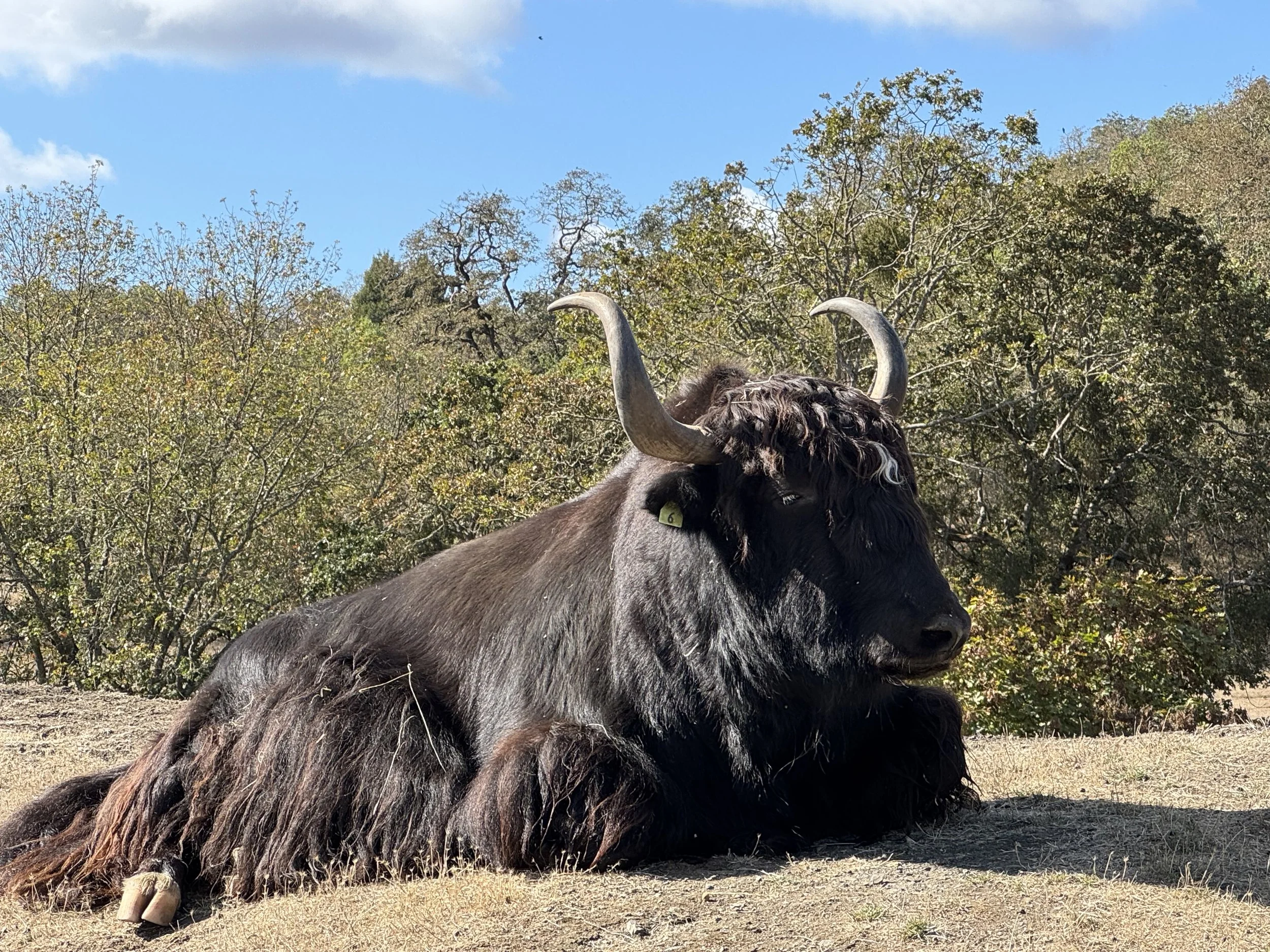
Wildlife Safari is home to species from Africa, Asia, and North America, as well as separate areas for large carnivores. The exact animals you see can vary as they move freely within their designated habitats. Here are some you are likely to encounter:
Giraffes
Southern white rhinos
African elephants
Zebras
Hippos
Lions
Cheetahs
Sumatran tigers
Bears
Bison
Roosevelt Elk
Ostriches and emus
Watusi cattle
Scimitar-horned oryx
Explore the Free Safari Village
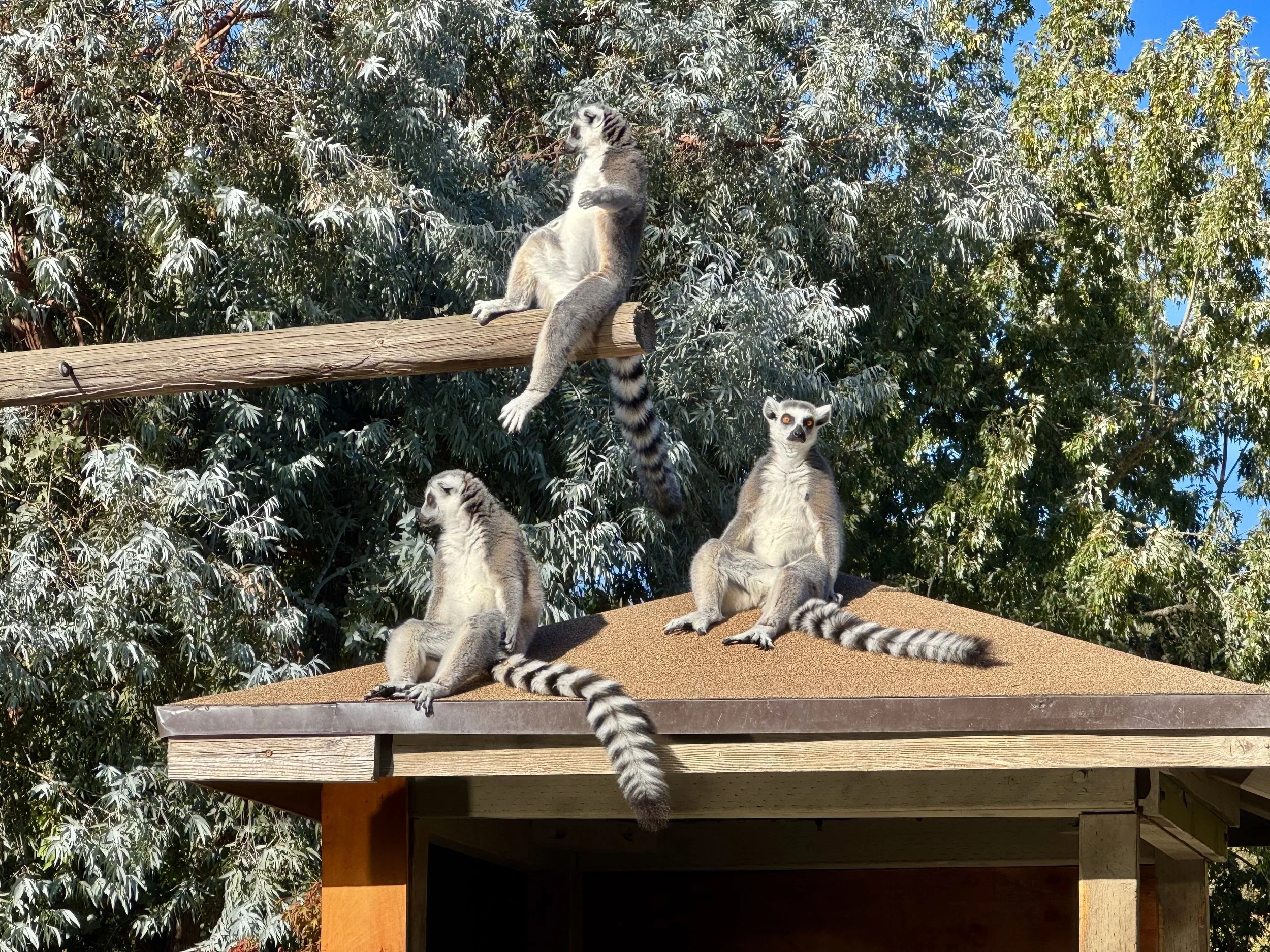
Admission to Safari Village is free, even for visitors who do not purchase drive-through admission. This walk-through area includes smaller animal exhibits, a petting zoo, keeper talks, a café, a gift shop, and seasonal activities.
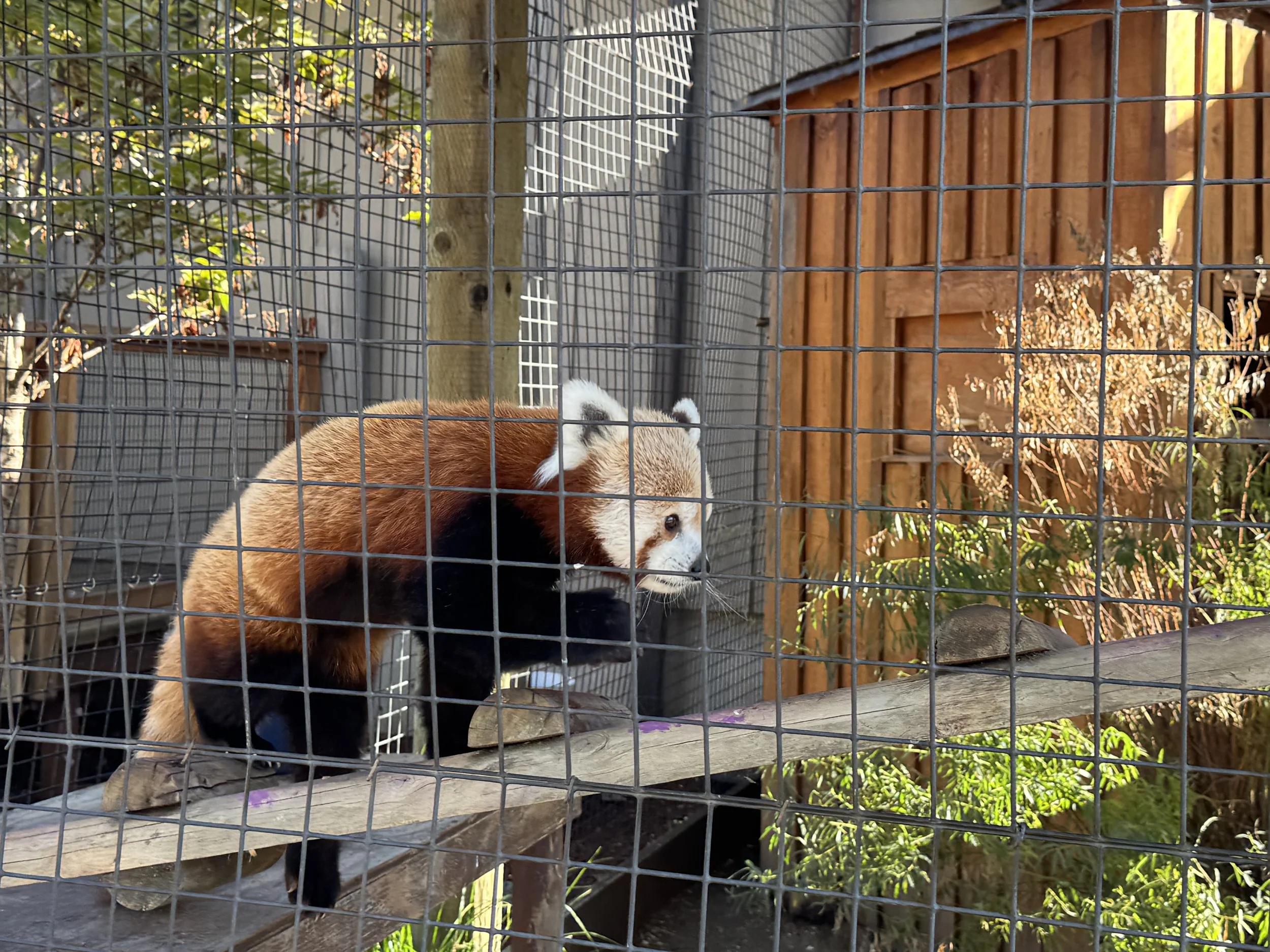
Be sure to make time to explore before or after your drive through the park. It’s completely worth seeing. I visited beforehand and loved watching the animals which were especially active that day. It would have been easy to linger longer than I’d planned!
✨ Pro Tip: Check the daily schedule when you arrive so you can plan around keeper presentations or other activities.
Book an Up-Close Animal Encounter
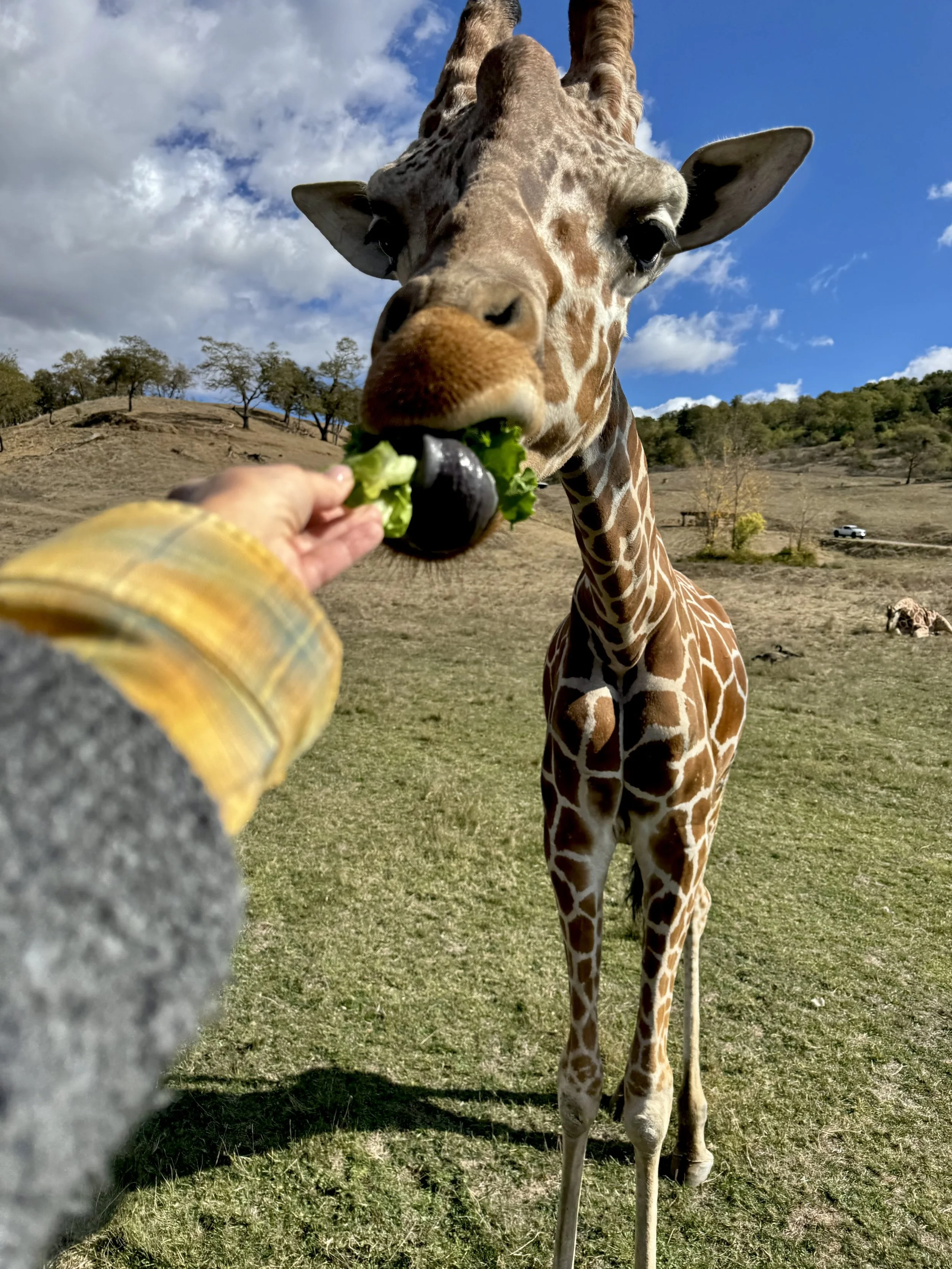
Wildlife Safari’s optional animal encounters were the highlight of my day, and I highly recommend booking at least one or two. Spending time with the animals alongside their care team added so much to the experience, with opportunities to ask questions and learn about the species beyond what you see on the drive.
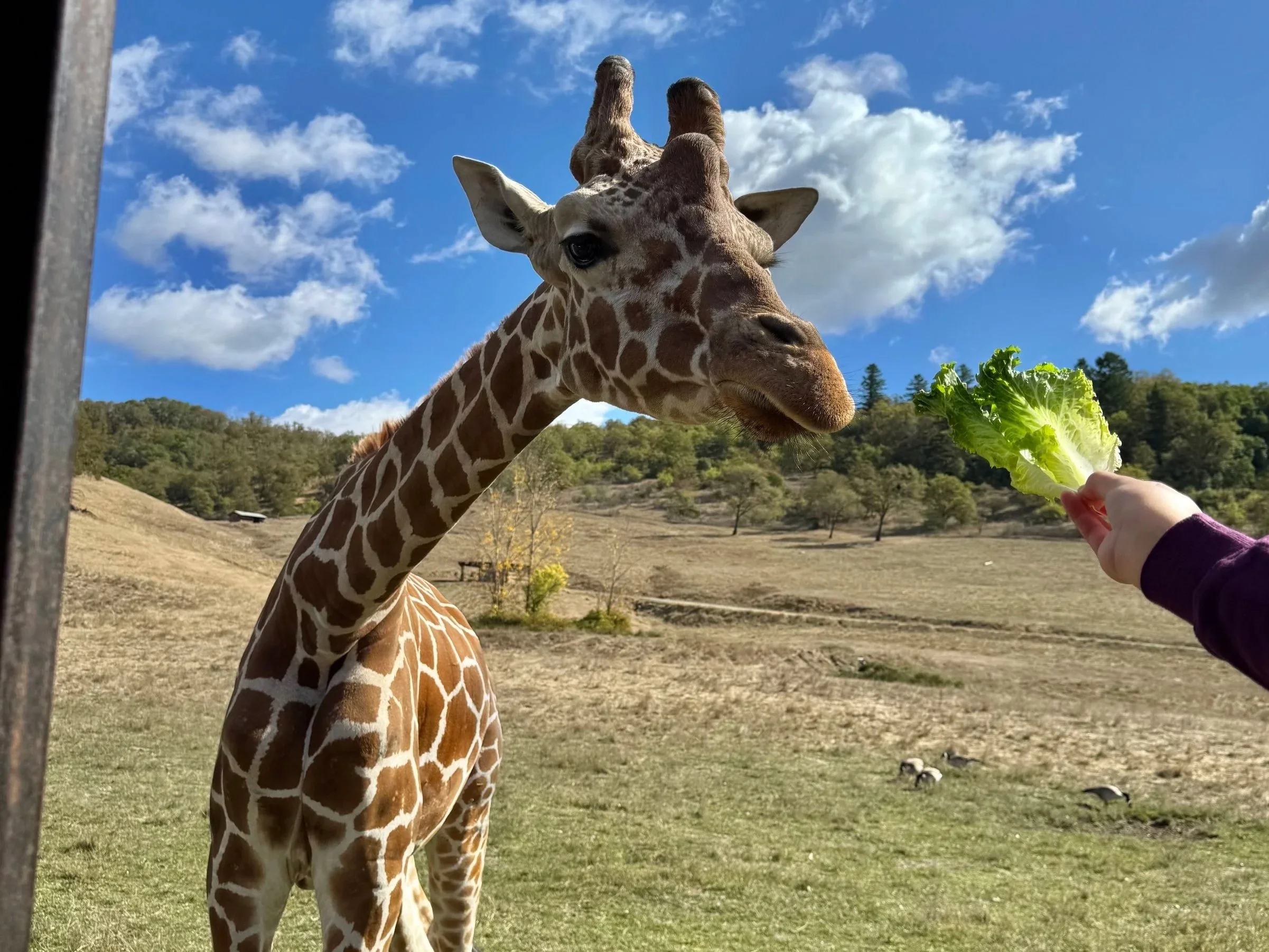
Depending on the schedule, experiences may include feeding giraffes (highly recommend), meeting an ambassador cheetah, visiting the elephants or learning about lions, hippos, bears, rhinos and other animals.
Encounters require a separate reservation and additional fee, and most also require regular drive-through admission. Availability, schedules, age restrictions and participating animals can change, so reserve ahead if there’s an experience you especially want to do.
Cheetah Conservation at Wildlife Safari
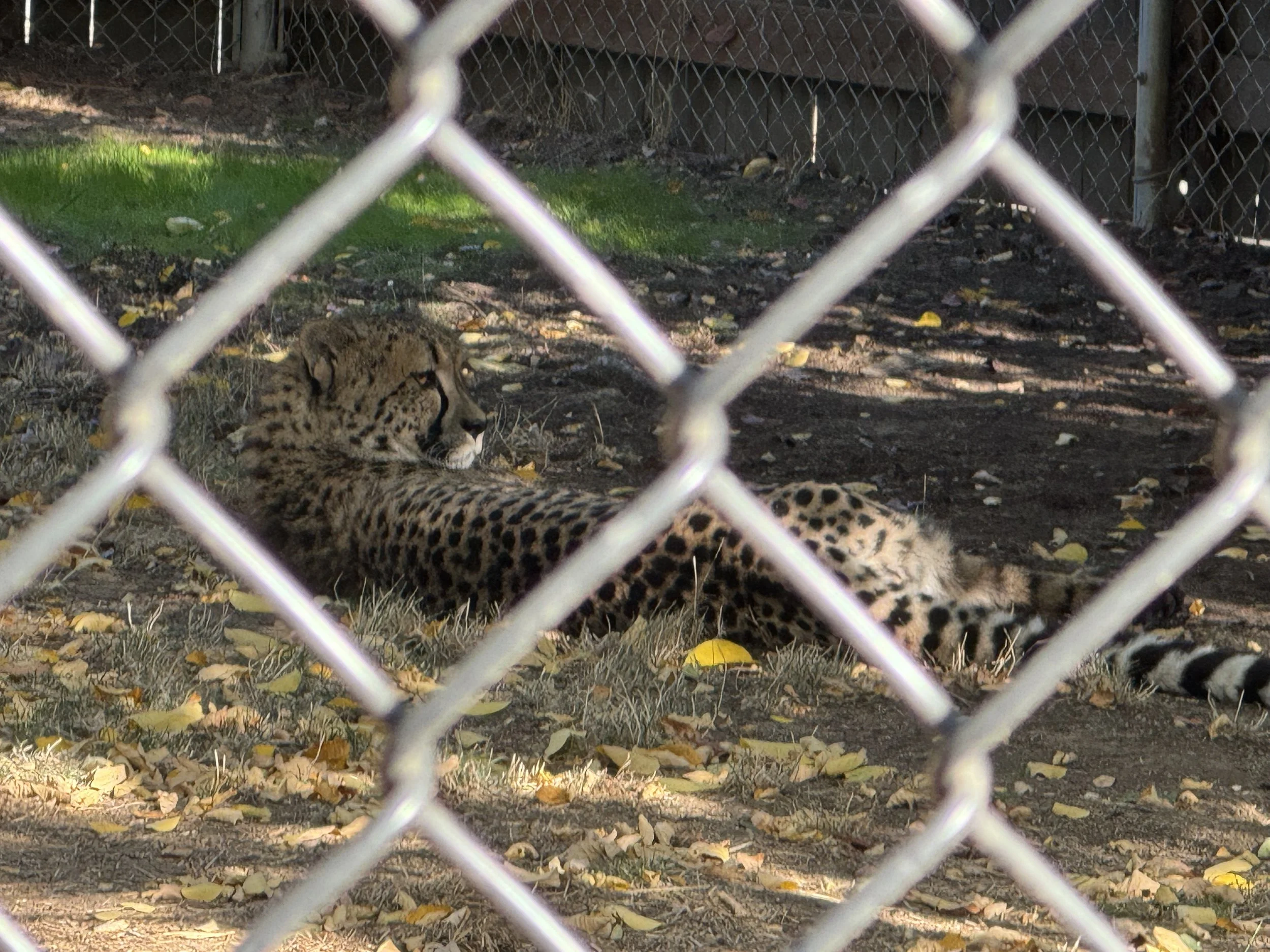
One of the most fascinating things I learned during my visit was Wildlife Safari’s role in cheetah conservation. According to the park, it is the second-most-successful cheetah breeding center in the world and the most successful in the Western Hemisphere, with more than 250 cheetahs born there.
Beyond breeding, the park supports research and education to help protect cheetahs both in human care and in the wild. Learning about that work added another layer of appreciation to seeing these remarkable cats up close.
Tips for Visiting Wildlife Safari
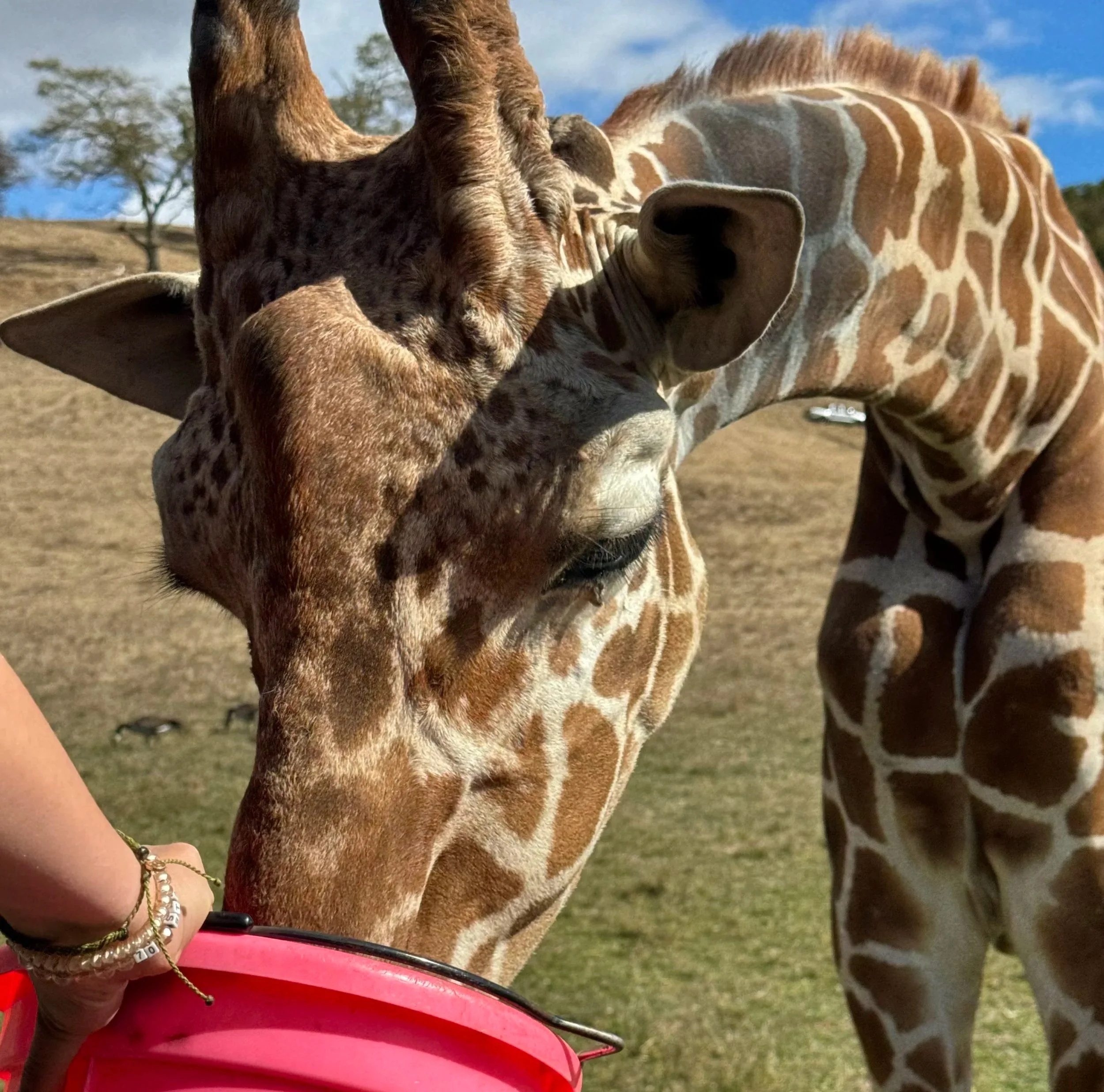
Allow more than 90 minutes: Although the drive itself generally takes 60–90 minutes, allow additional time for Safari Village, photographs, and at least one animal encounter. I spent about 3 hours during my stay and loved every minute of it.
Visit earlier in the day: Morning temperatures may be cooler, and some animals may be more active or closer to the road.
Use the restroom before starting the drive: You will need to remain on the designated route in your vehicle until reaching an appropriate stopping area.
Do not bring a convertible with the top down: Vehicles must have full doors and working windows. Motorcycles are not permitted.
Leave pets at home when possible: Pets are not allowed in the drive-through safari or Safari Village. Complimentary unsupervised kennels are available, but visitors must provide their own water bowl and may want to bring a lock.
Check encounter times before arriving: Animal encounters have limited capacity and may sell out.
Check seasonal hours: Wildlife Safari is open throughout the year, but closing times vary by season.
✨ Pro Tip: Clean your windshield before arriving: Dust, smudges, and reflections become especially noticeable in animal photographs. And again, book at least one up close animal encounter like feeding the giraffes. So fun!
🍷 Go Wine Tasting in Umpqua Valley
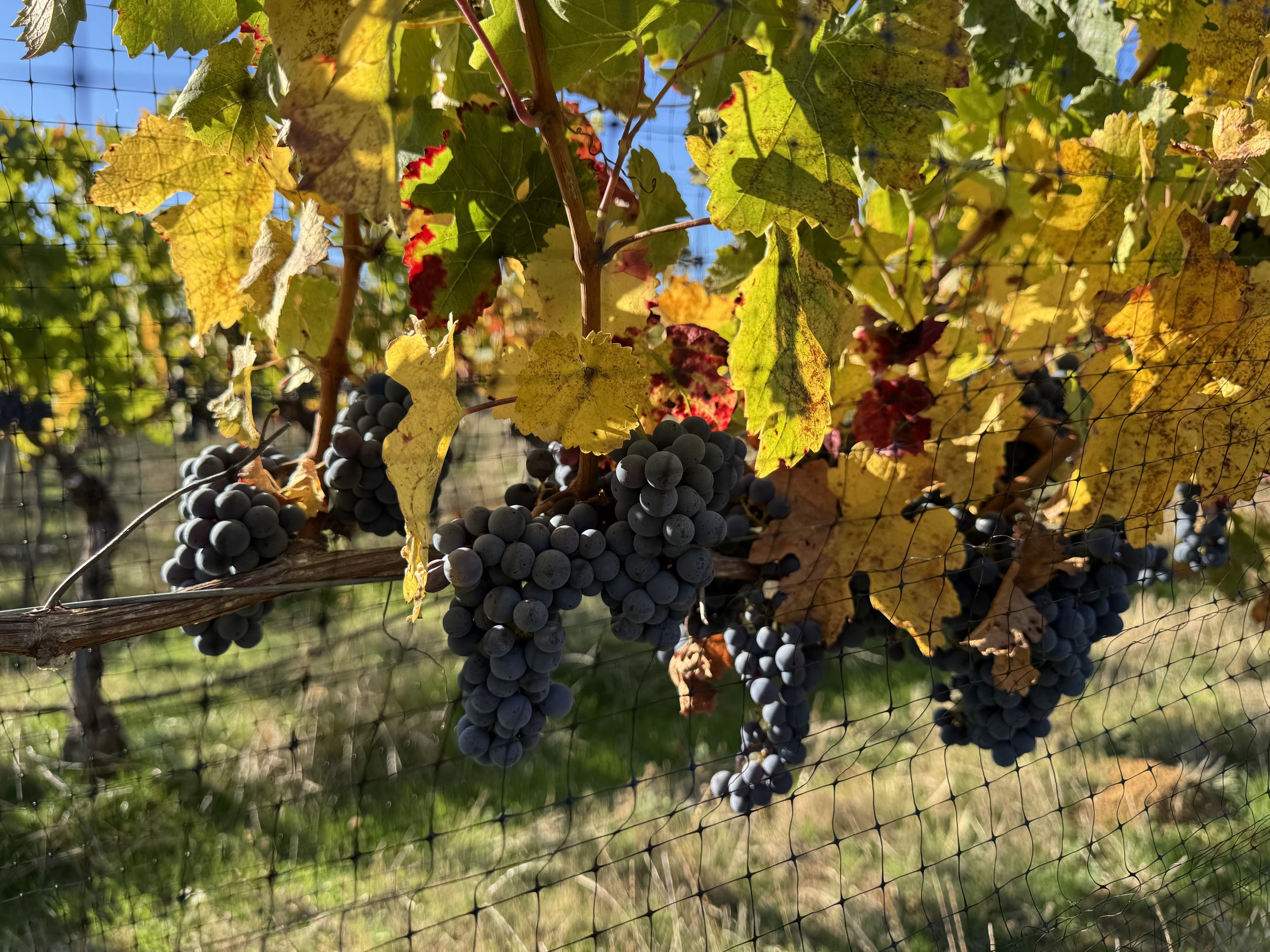
📍 Location: Throughout the Umpqua Valley, primarily around Roseburg
⏰ Time Needed: Approximately 60–90 minutes per winery
✨ Best For: Couples, wine connoisseurs, scenic drives and relaxed afternoons
The Umpqua Valley is one of Oregon’s oldest and most diverse wine regions. It’s home to many family-owned wineries where tastings often come paired with interesting conversations with those actually growing the grapes and making the wine.
More than 30 wineries and 70 vineyards span the Umpqua Valley AVA, with approximately 4,000 planted acres supporting over 50 grape varieties. That diversity means plenty to explore, from Pinot Noir, Pinot Gris and Riesling to Tempranillo, Syrah and Merlot.
What Makes the Umpqua Valley Wine Region Unique?
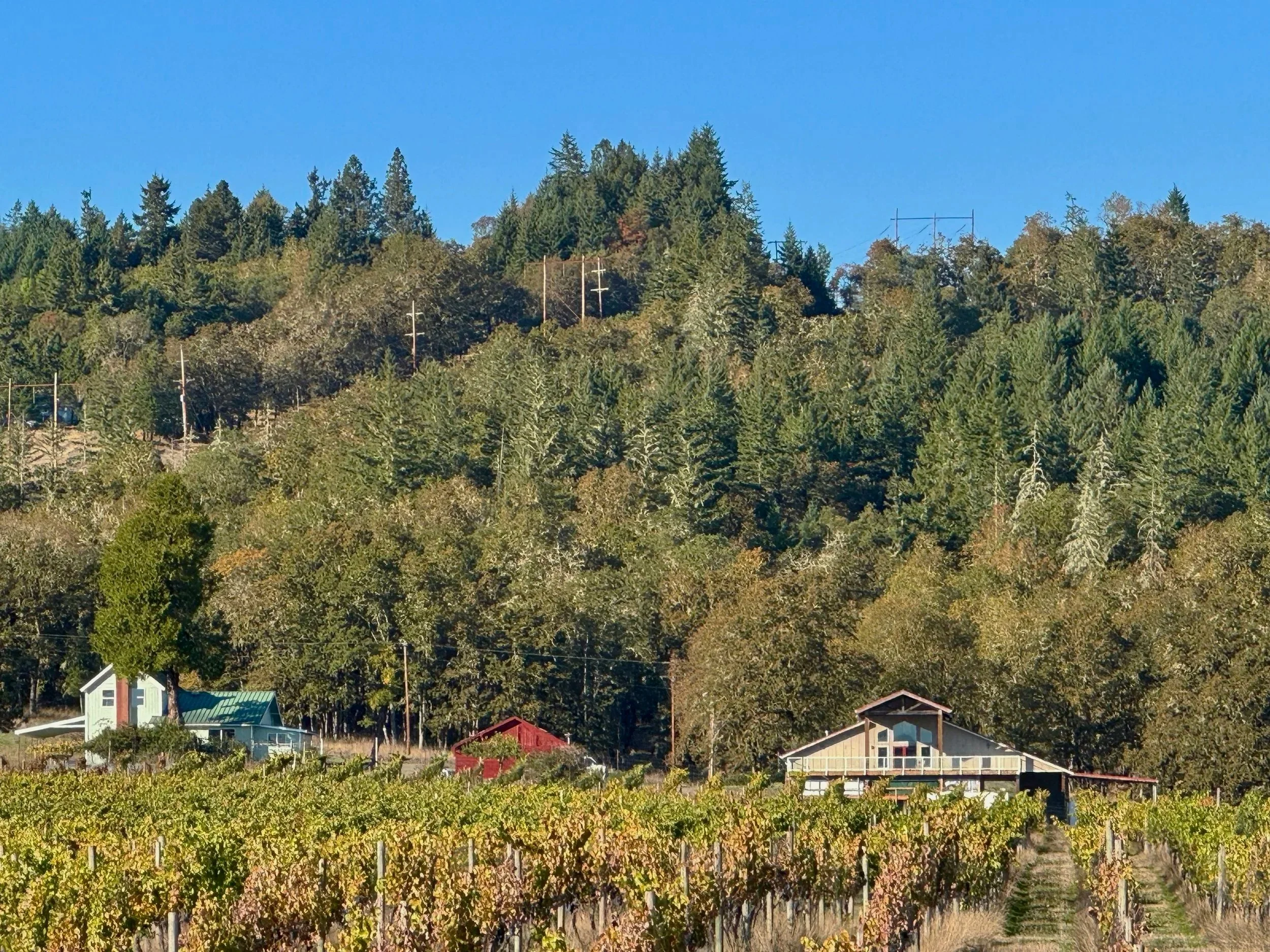
The Umpqua Valley sits between the cooler Willamette Valley to the north and the warmer Rogue Valley to the south. Its varying elevations, soils, and climates allow both cool-climate and warm-climate grapes to thrive within the same wine region.
The northern portion near Elkton is cooler and influenced by air moving inland from the Pacific Ocean. Pinot Noir, Pinot Gris, and Riesling perform particularly well here. The central area around Roseburg has warm days and cooler nights, while the southern portion of the valley is warmer and drier, creating favorable conditions for Tempranillo and Syrah.
The region’s wine history extends back to the 1800s. In 1961, Richard Sommer established HillCrest Vineyard near Roseburg and planted what the Umpqua Valley Winegrowers describe as Oregon’s first Pinot Noir vines.
Wine Tasting at Reustle Prayer Rock Vineyards
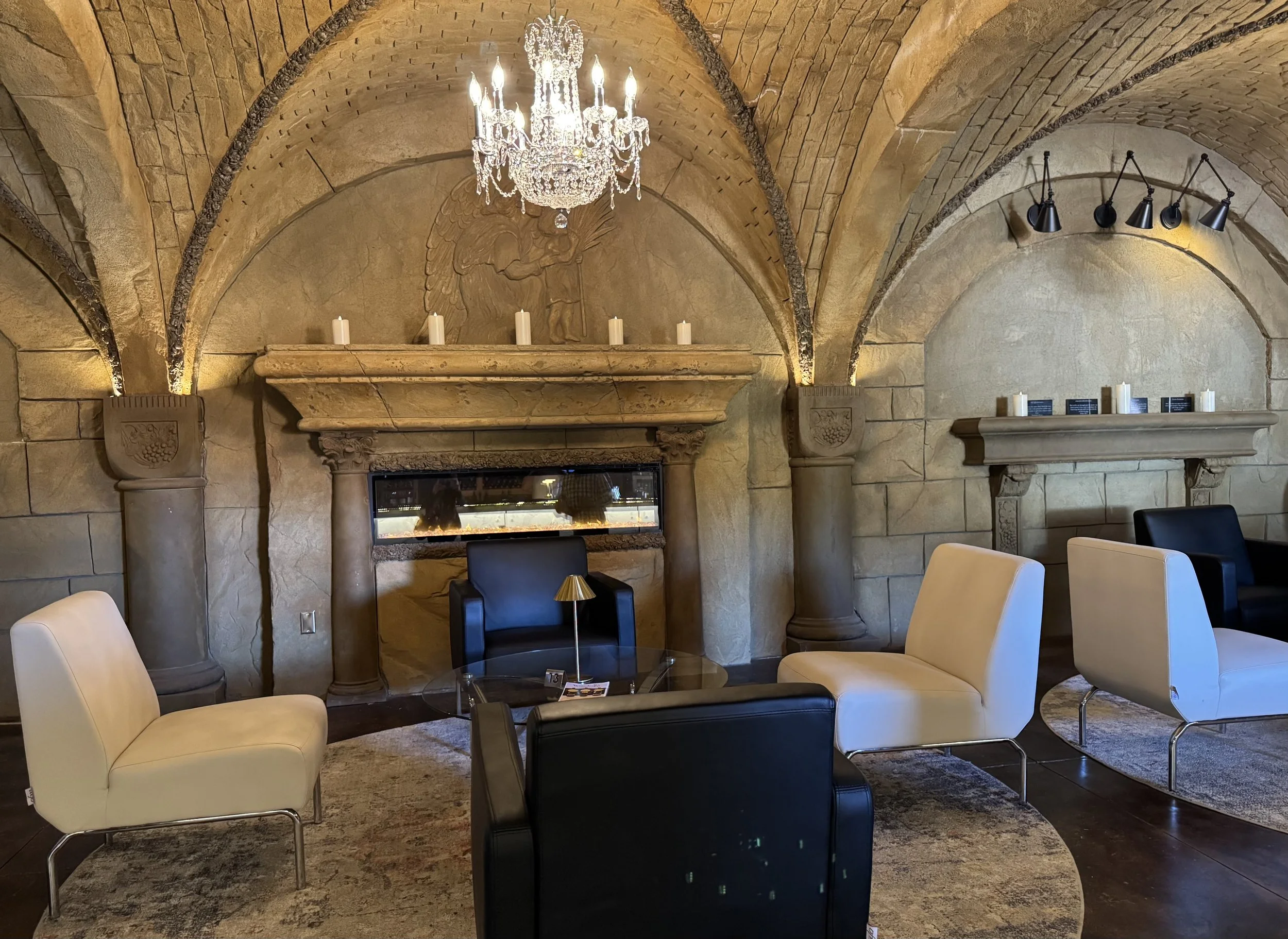
📍 Location: 7612 Oak Hill Road, Roseburg, Oregon
🌐 Website: Reustle–Prayer Rock Vineyards
⏰ Time Needed: Allow approximately 90 minutes, with extra time to enjoy the grounds
🍷 Known For: Estate-grown wines, pioneering American Grüner Veltliner and an elaborate wine cave
✨ Best For: Wine connoisseurs, art lovers, vineyard views and a memorable tasting experience
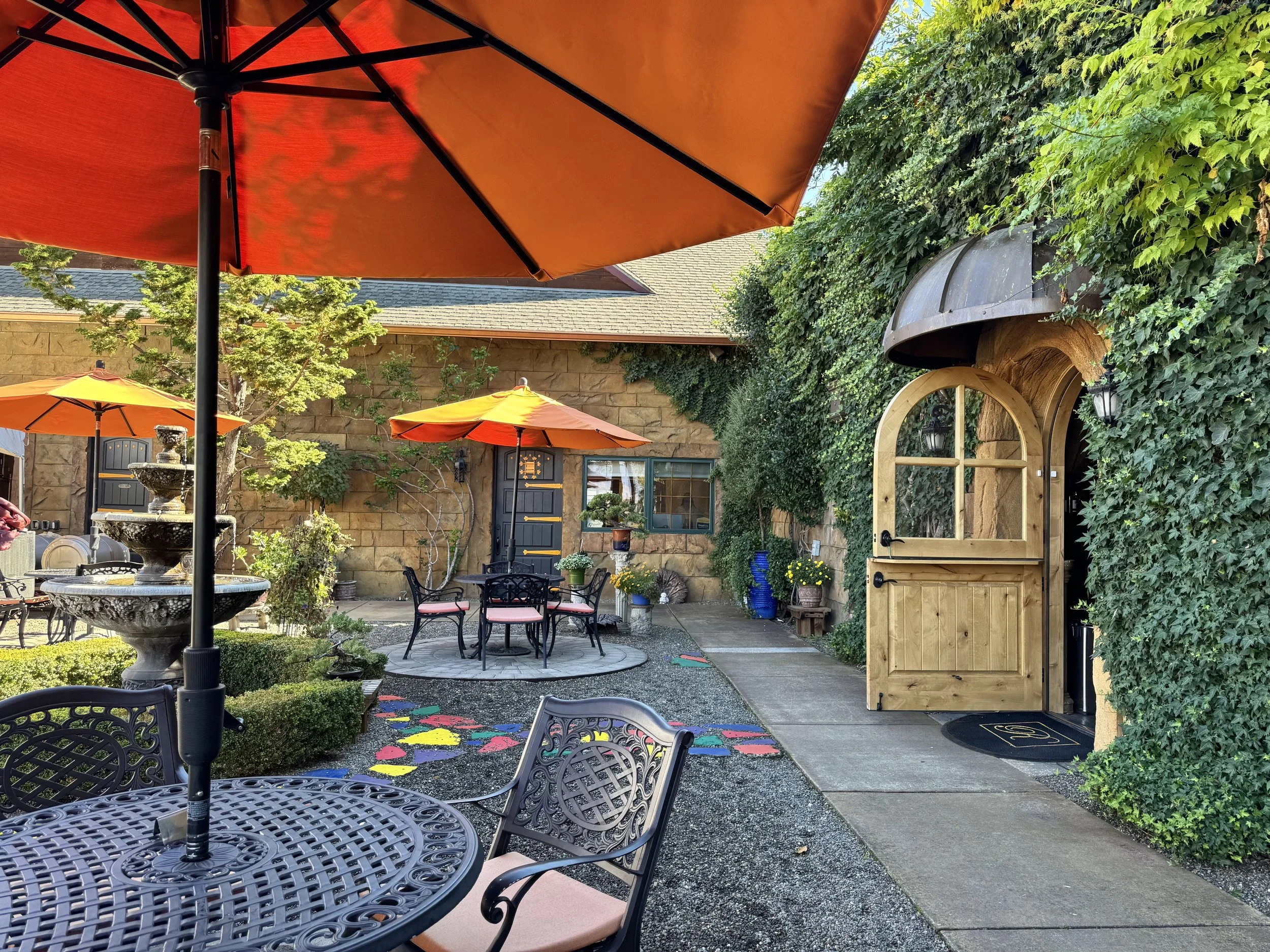
Reustle–Prayer Rock Vineyards was my favorite winery of the trip and one of the highlights of my time in Southern Oregon. The setting is elegant, but what made it memorable was the extraordinary attention to detail. From the artwork to the tasting spaces, everything felt thoughtfully chosen—and so much of it had a story behind it.
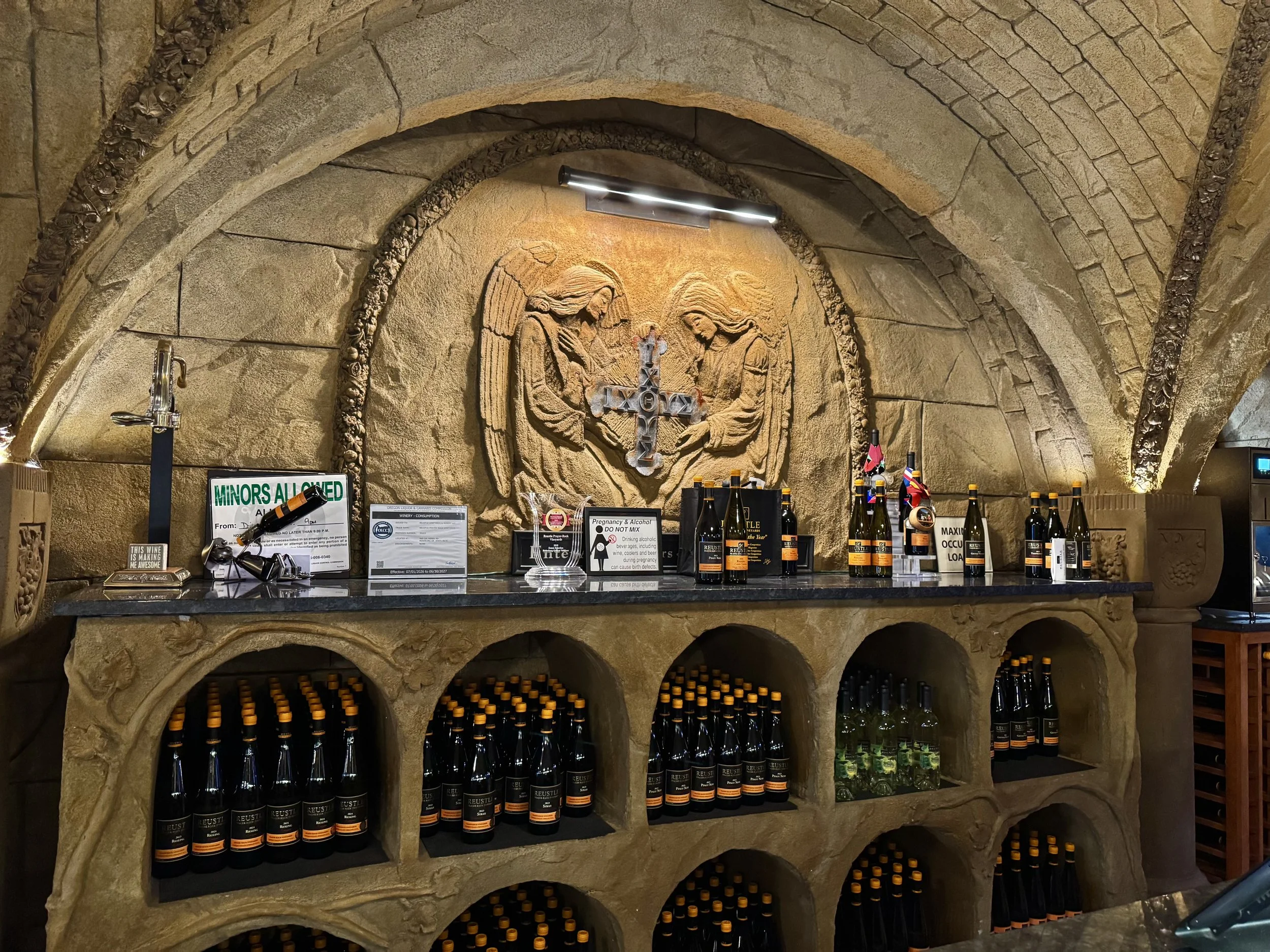
The wine cave is the centerpiece. Commissioned by owners Stephen and Gloria Reustle and built by Tom Pappas and Victory Builders, it features ornate carvings, elaborate pillars and stone archways that feel like a passage into another world. Look up in the Grand Hall to see a recreation of Michelangelo’s The Creation of Adam, painted by a local artist using an airbrush while lying on his back.
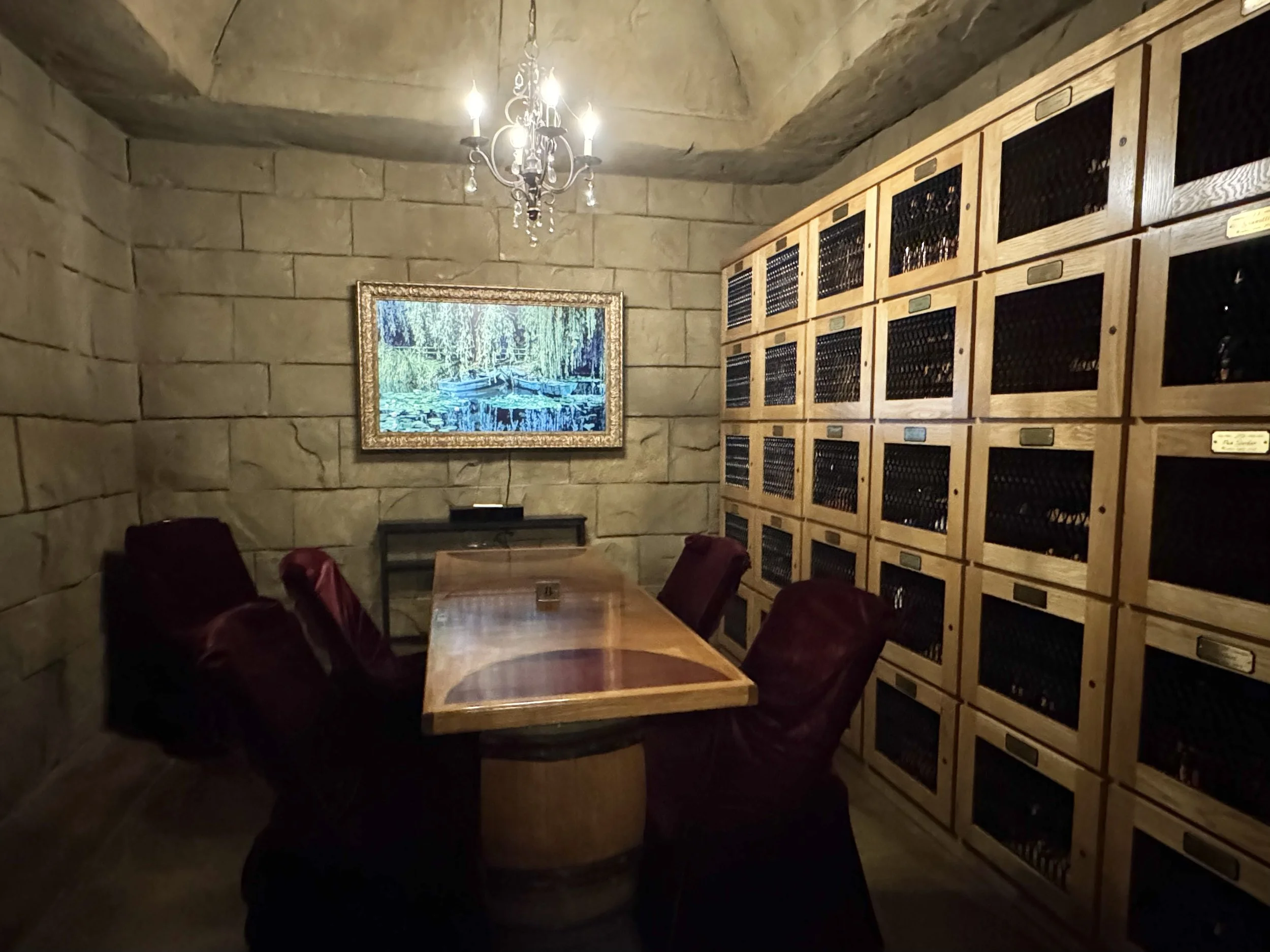
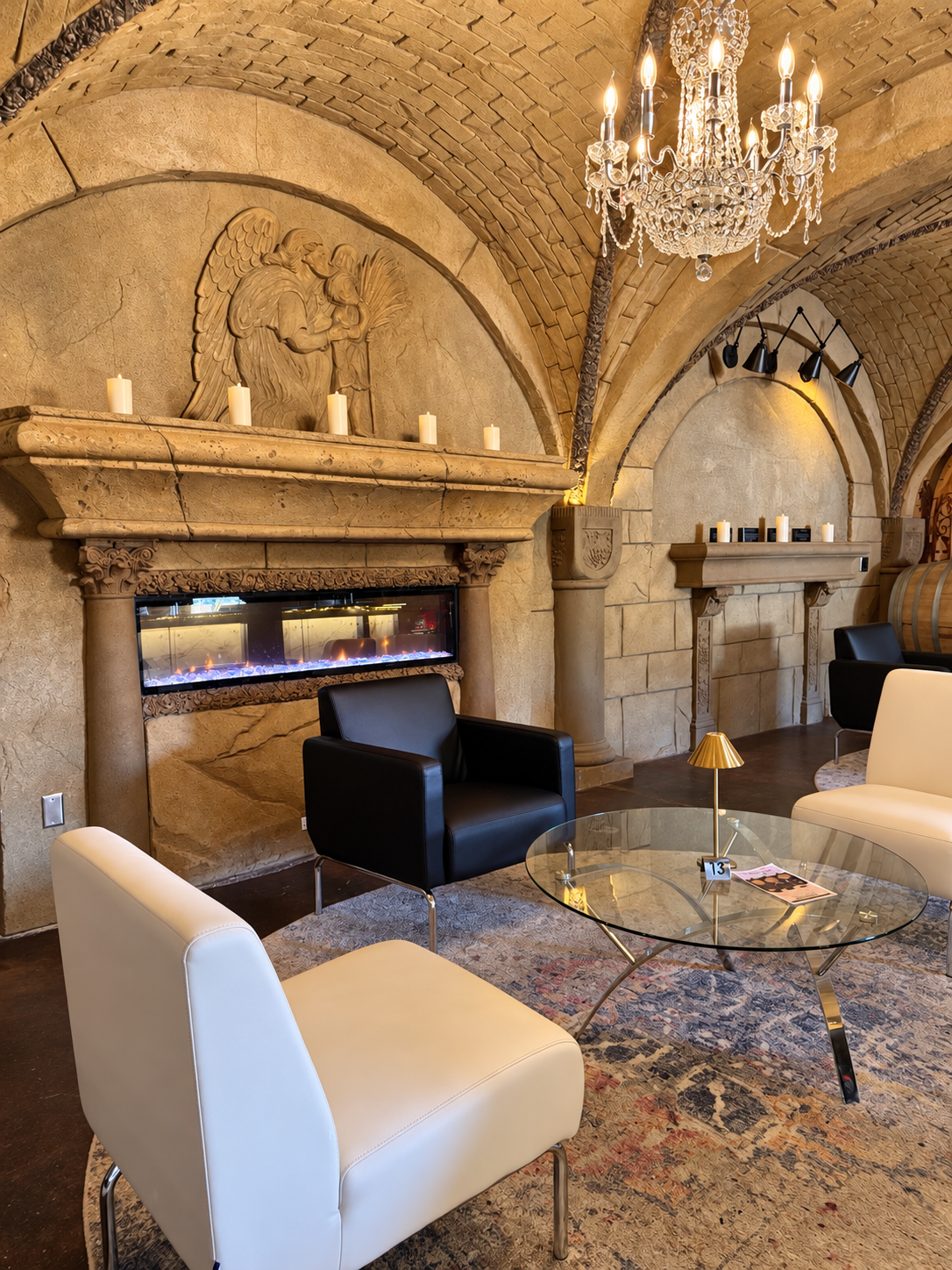
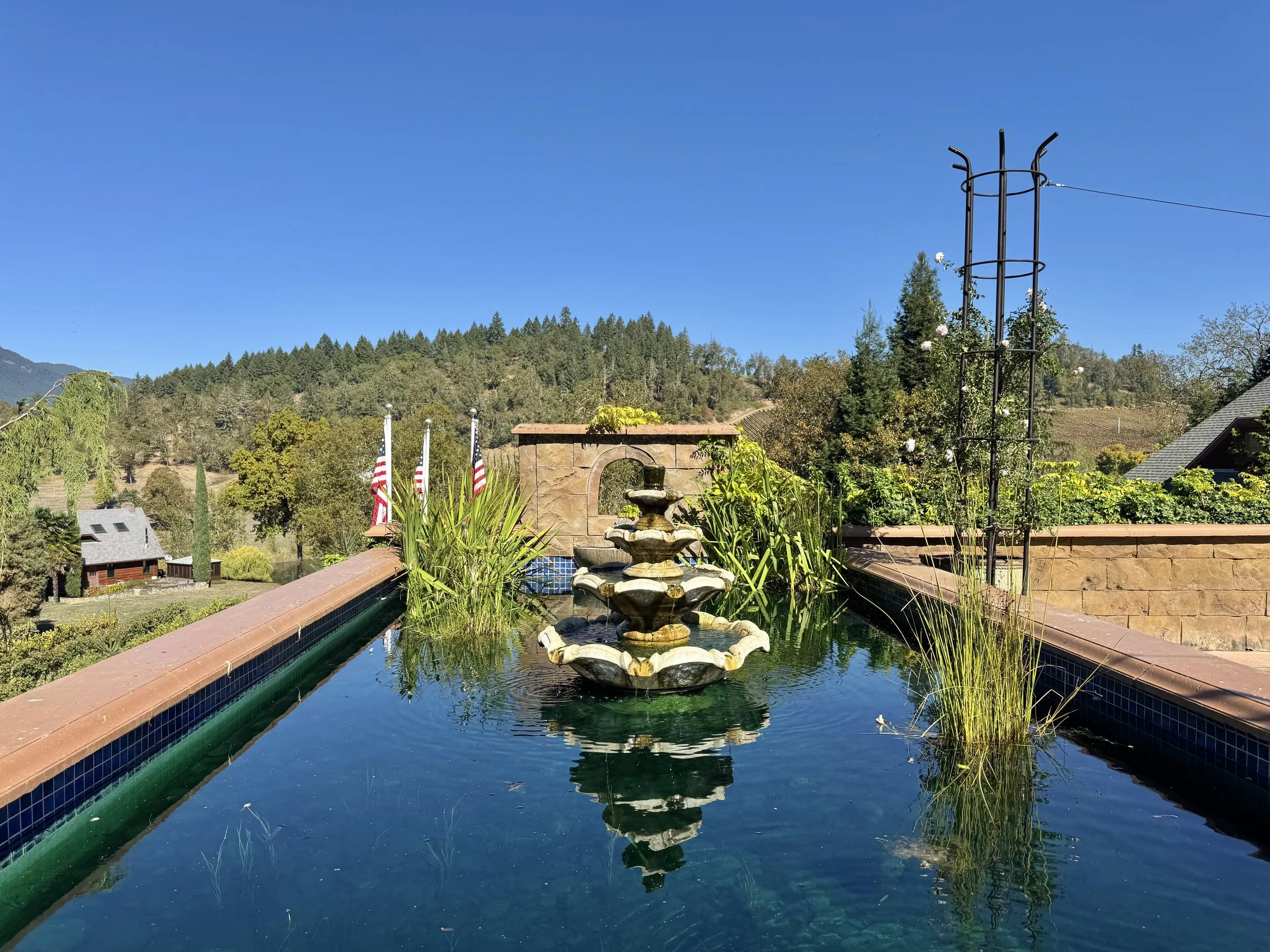
Three intimate, catacomb-style tasting rooms add to the atmosphere: the W.A.R. Room, named for Stephen’s father, Walter Arthur Reustle; the Victory Room, named for Victory Builders; and the Celebration Room. Together, their names tell a story of war, victory and a celebration of life.
Beyond the cave, a cozy sitting area and bar with a gas fireplace offer another inviting place to settle in. Outside, ample patio seating opens onto stunning vineyard views. It’s worth giving yourself time to explore rather than rushing straight through a tasting.
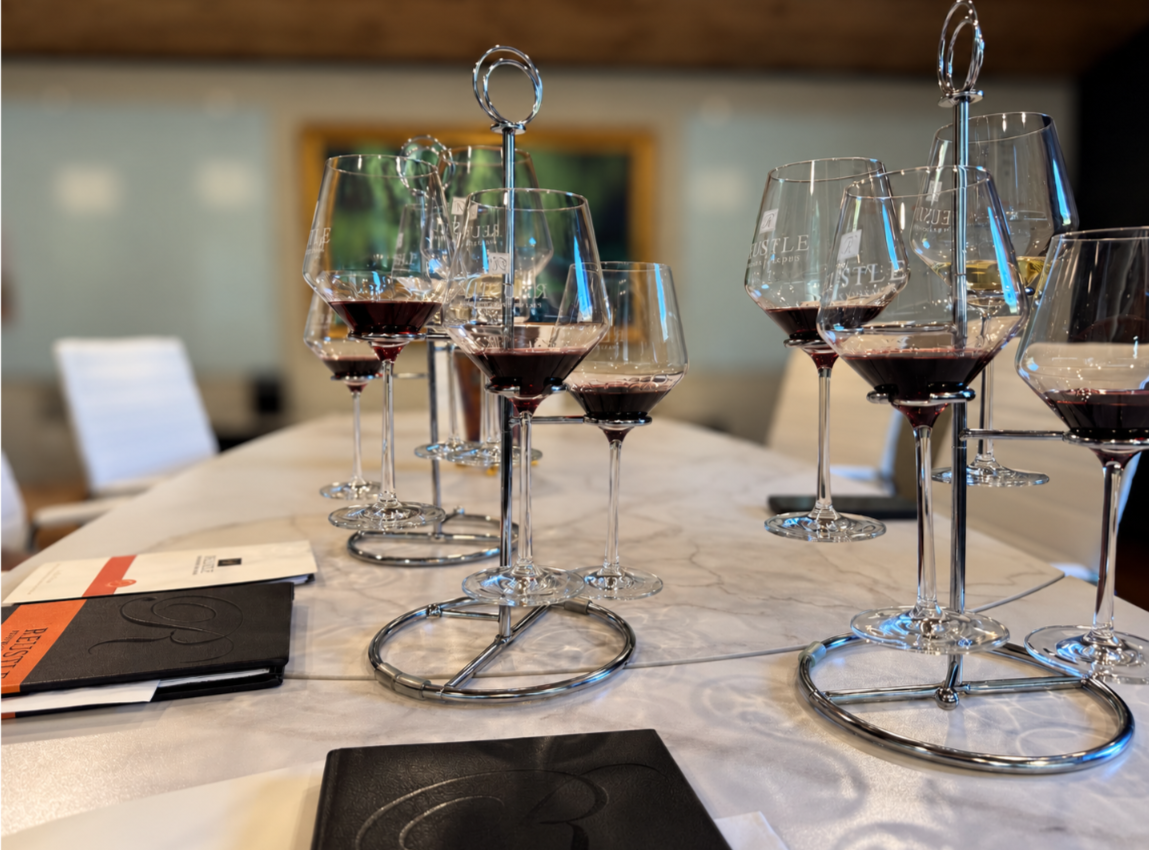
And then there’s the wine and food. My favorite of the trip. Reustle helped establish Grüner Veltliner in the United States, becoming the first American winery to commercially produce it in 2005, and I enjoyed it so much that I shipped a bottle home. My private tasting with Stephen made the visit even more memorable. Hearing his stories brought the wines, artwork and entire property to life. I could have stayed for hours.
✨ Pro Tip: Ask about the stories behind the name, the artwork and the rooms during your tasting. Those details were a large part of what made Reustle so fascinating and memorable.
Wine Tasting at HillCrest Vineyard
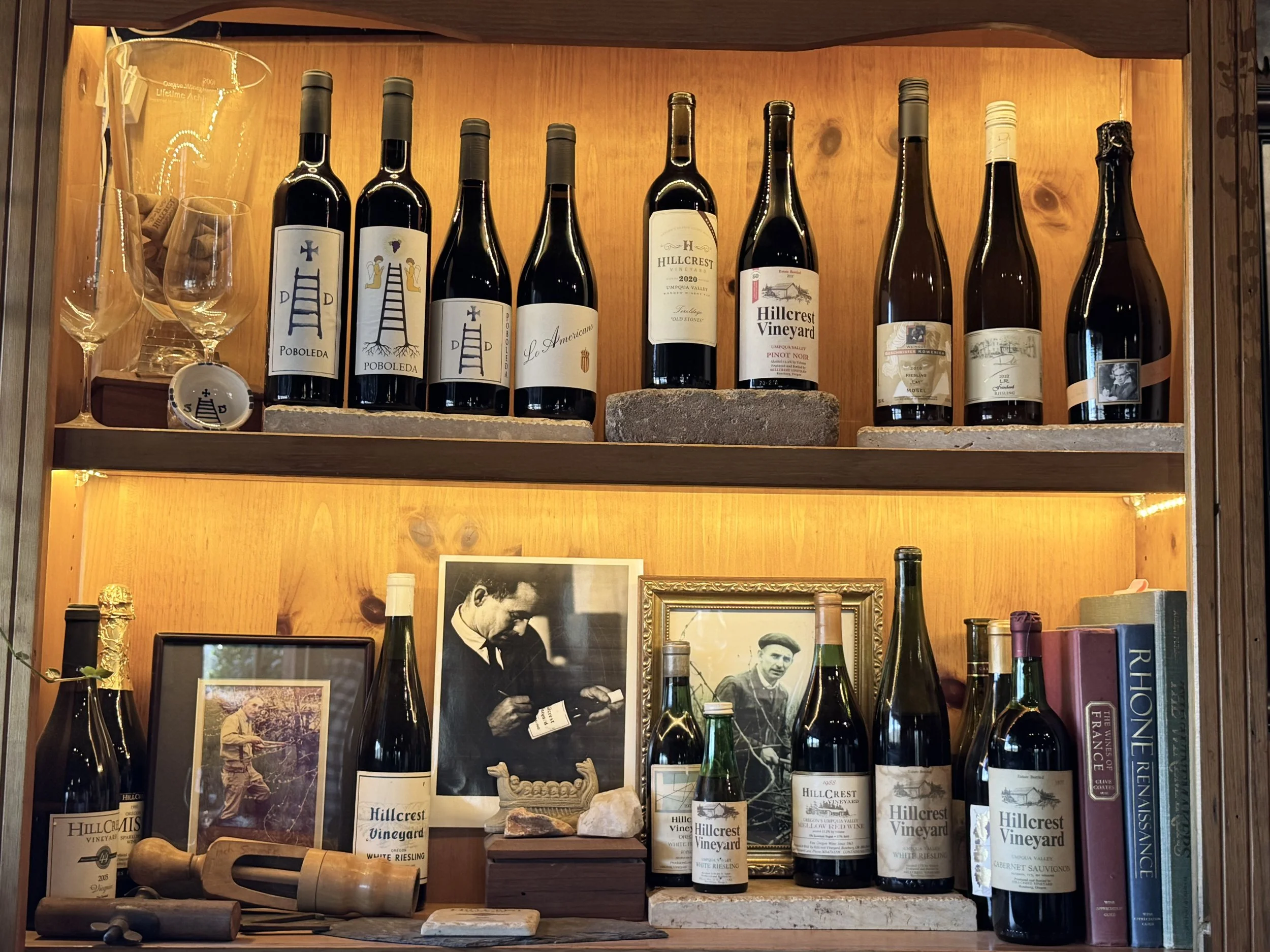
📍 Location: 240 Vineyard Lane, Roseburg, Oregon
🌐 Website: HillCrest Vineyard
⏰ Time Needed: Approximately 60–90 minutes
🍷 Known For: Oregon’s oldest estate winery and the birthplace of Oregon Pinot Noir
✨ Best For: Wine history, small-production wines and an educational tasting
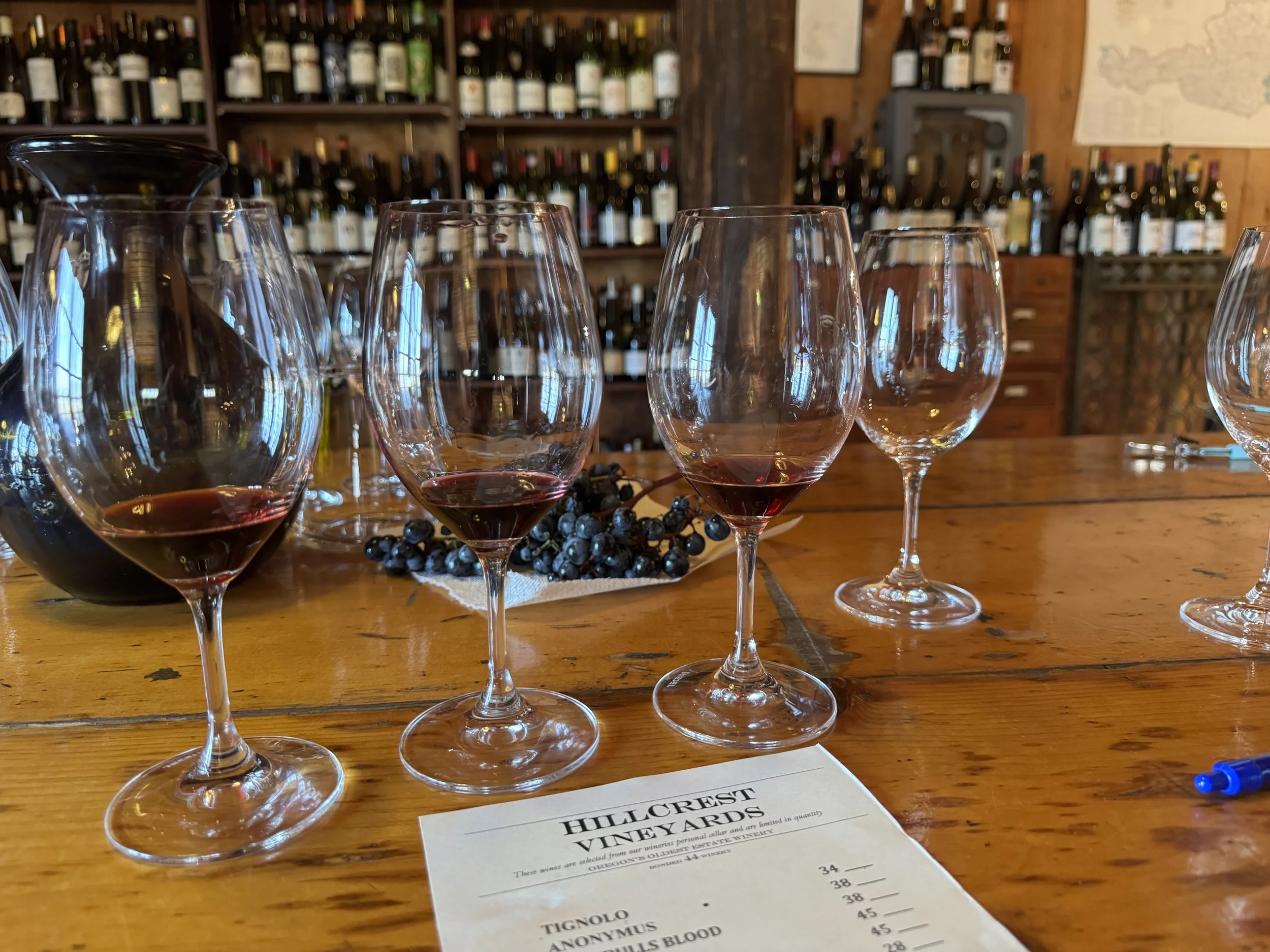
Long before Oregon became synonymous with Pinot Noir, Richard Sommer planted the grape at HillCrest Vineyard in 1961. His pioneering work helped launch the state’s modern wine industry, making this an especially interesting stop for anyone curious about how Oregon wine got its start.
Today, the DeMara family continues that legacy at HillCrest, Oregon’s oldest continuously operating estate winery, with small-production wines and an emphasis on traditional winemaking methods. Guided tastings explore the stories behind the wines, from vineyard conditions and farming choices to what happens in the cellar. It’s a chance to appreciate both what’s in your glass and the history rooted in the surrounding hills.
✨ Pro Tip: HillCrest’s wines are available directly from the winery rather than in stores, so consider taking home a favorite bottle from your tasting.
Wine Tasting at Meadows Estate Vineyard & Winery
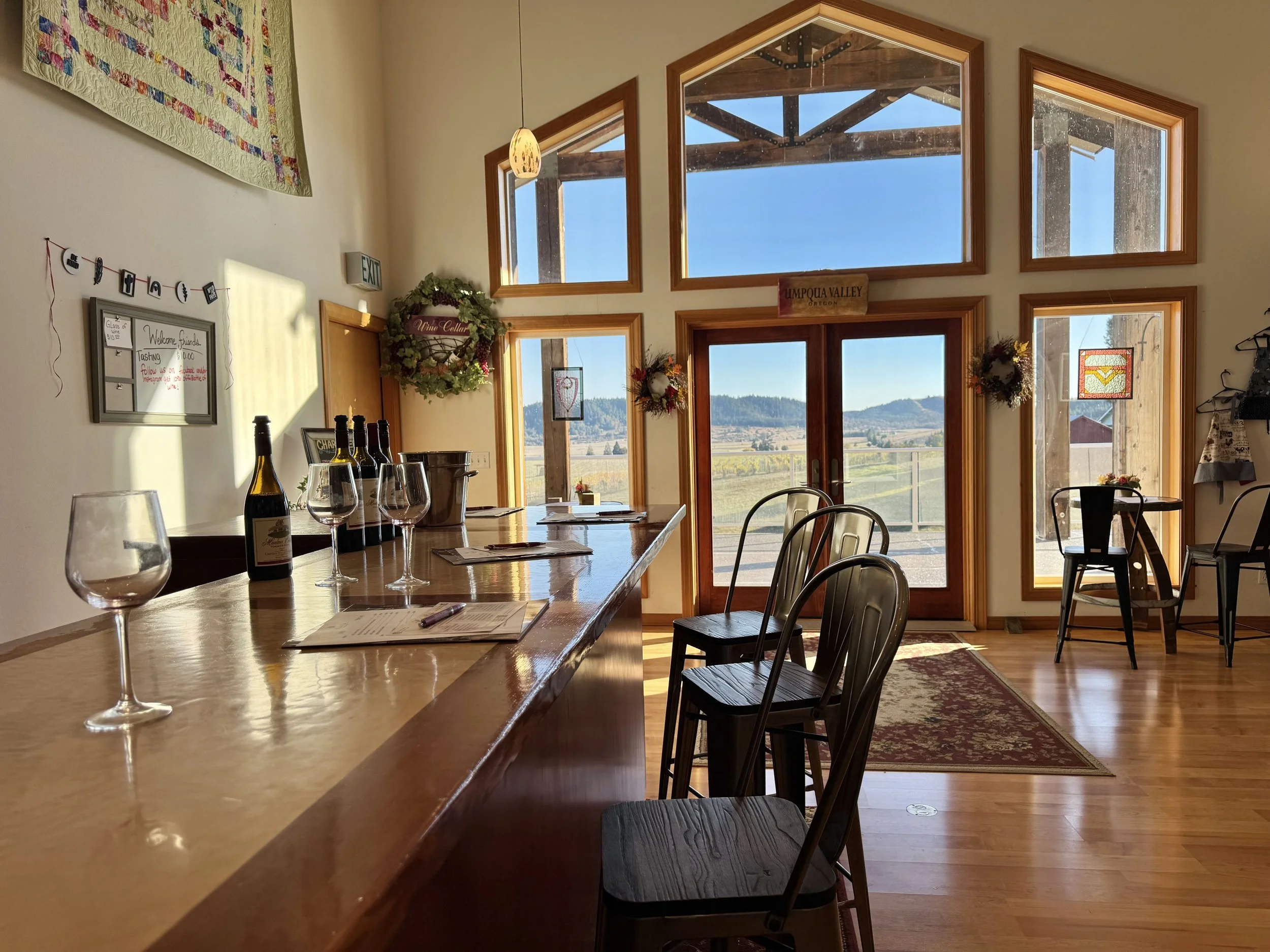
📍 Location: 175 Hogan Road, Oakland, Oregon
🌐 Website: Meadows Estate Vineyard & Winery
⏰ Time Needed: Approximately 60–90 minutes
🍷 Known For: Estate-grown Pinot Noir, Syrah, Grenache, Merlot, and Rhône- and Bordeaux-style wines
✨ Best For: Wine tasting, countryside views, art, and a relaxed first stop in the Umpqua Valley
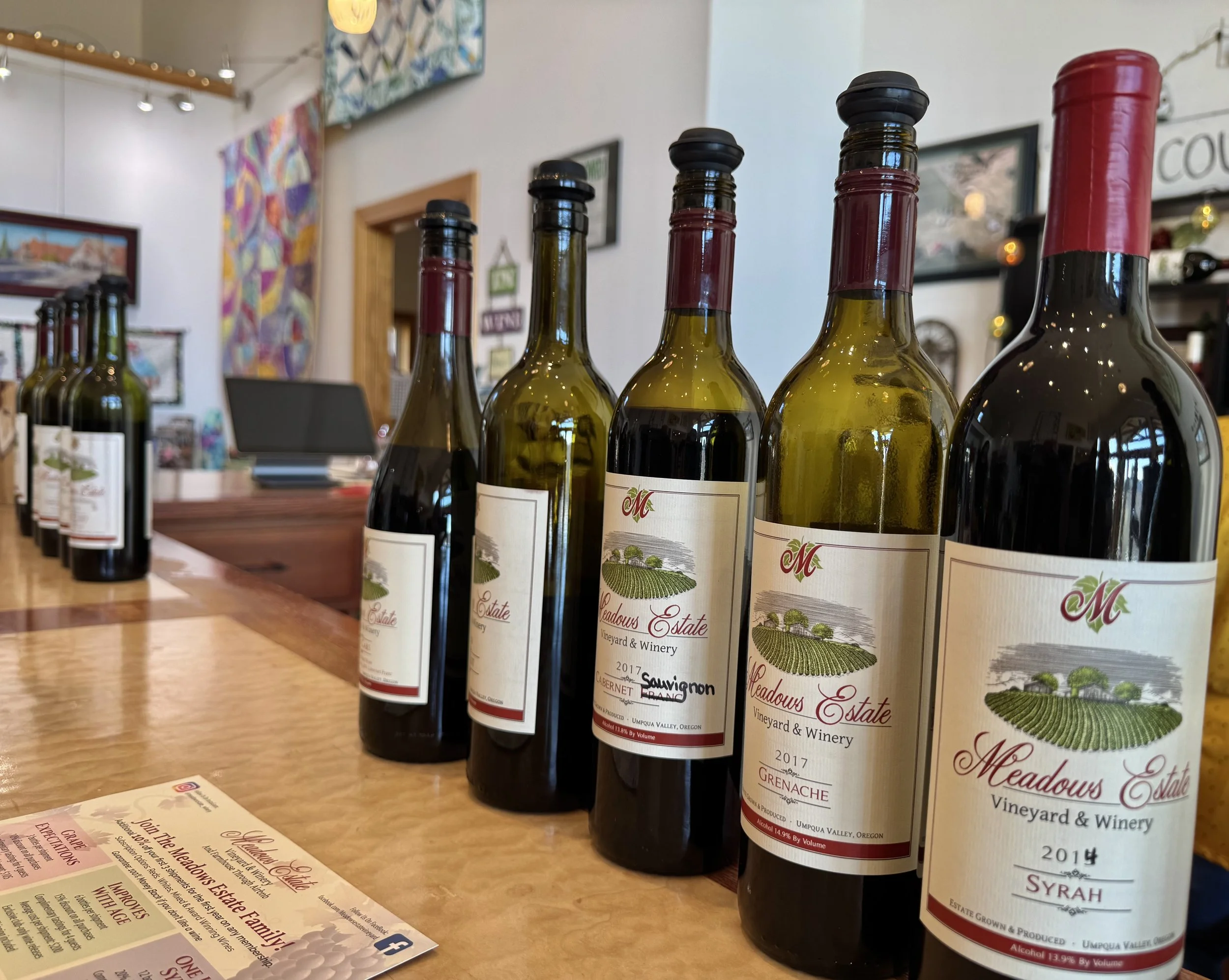
Located near Oakland, Meadows Estate Vineyard & Winery produces estate-grown wines using grape varieties traditionally associated with the Rhône and Bordeaux regions of France. Its vineyards include Pinot Noir, Syrah, Grenache, and Merlot.
The winery offers a spacious tasting room with an outdoor deck overlooking the surrounding countryside. Visitors can enjoy a tasting, purchase wine by the glass or bottle, or relax outside when the weather permits.
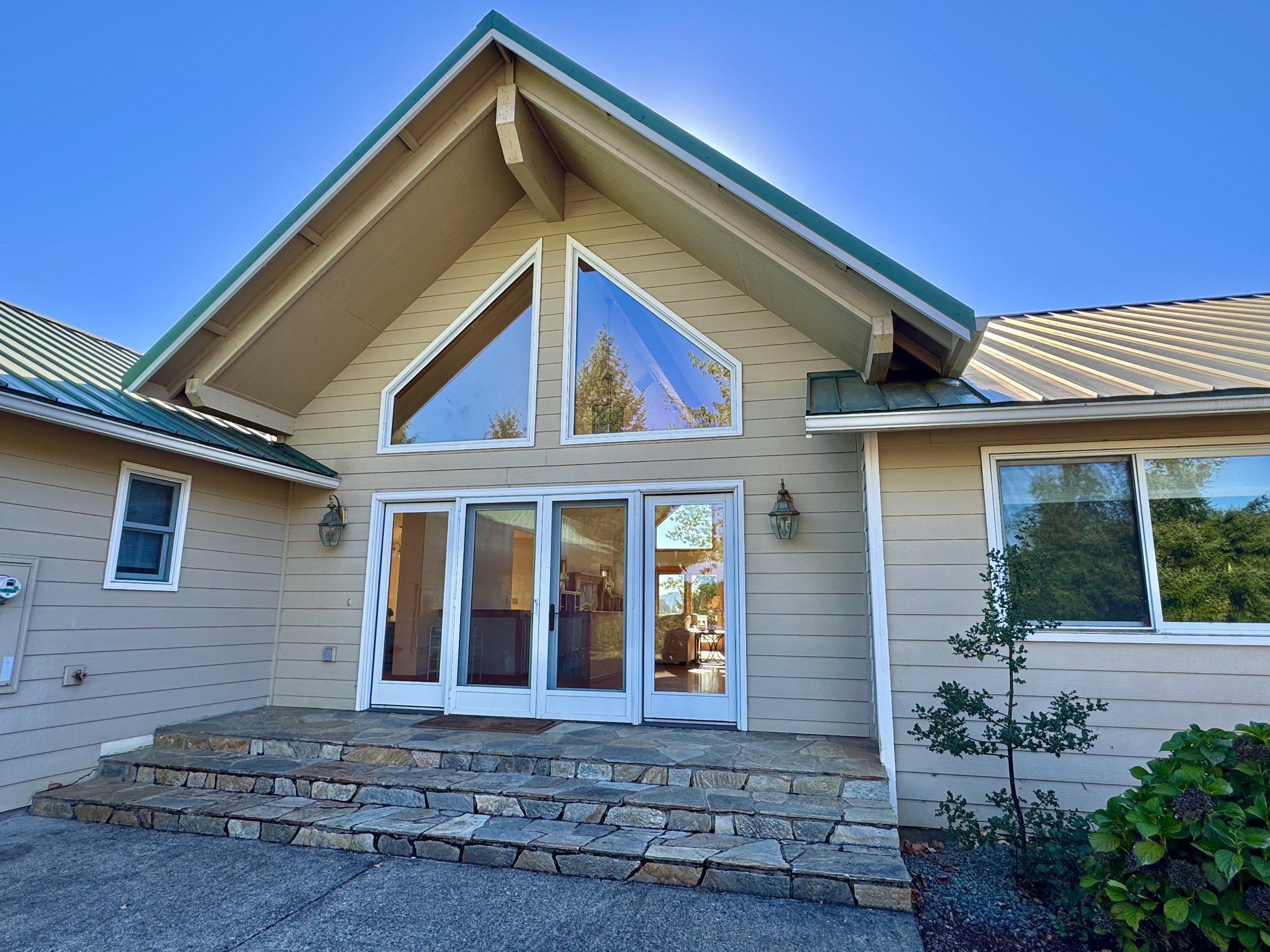
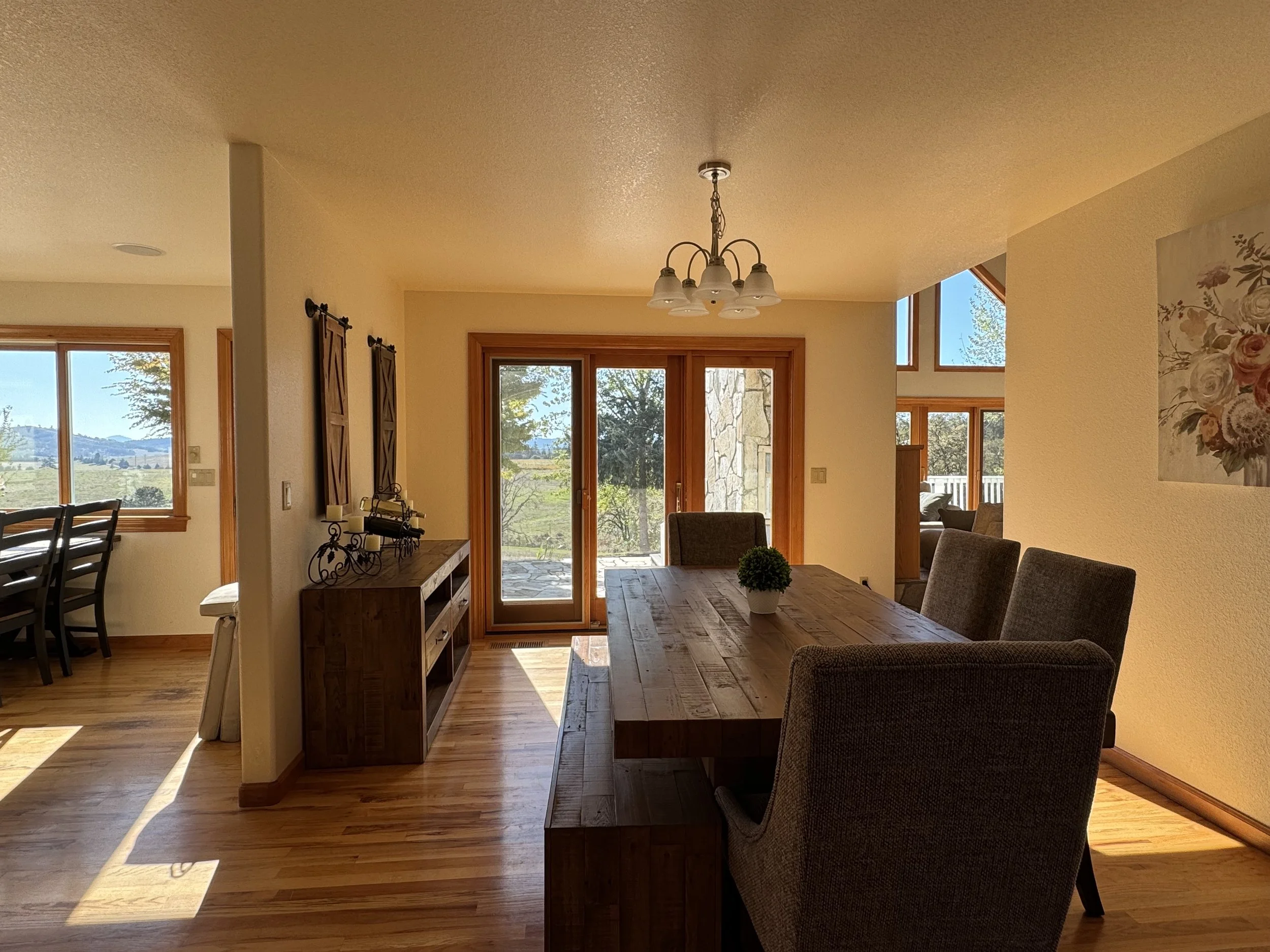
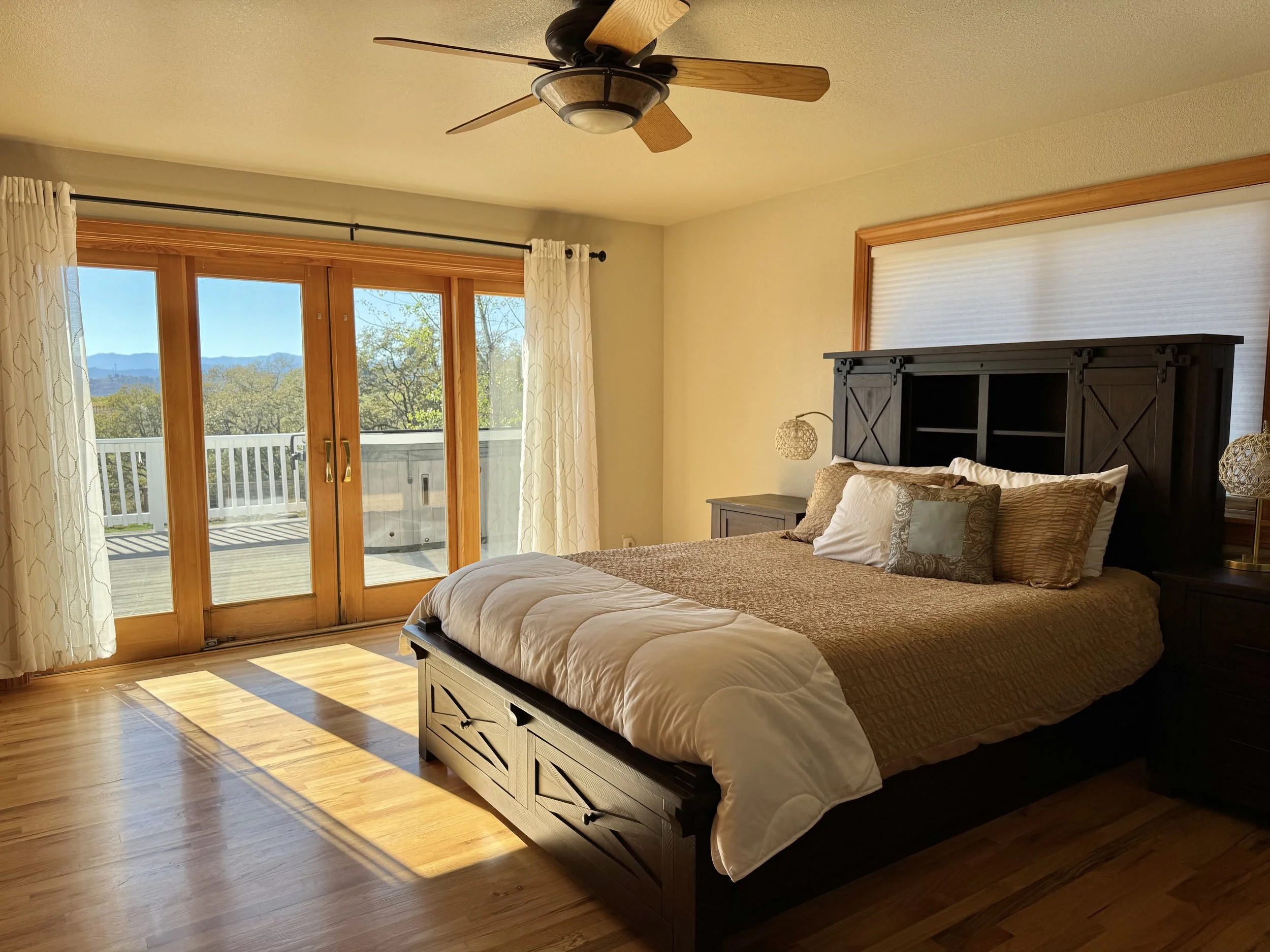
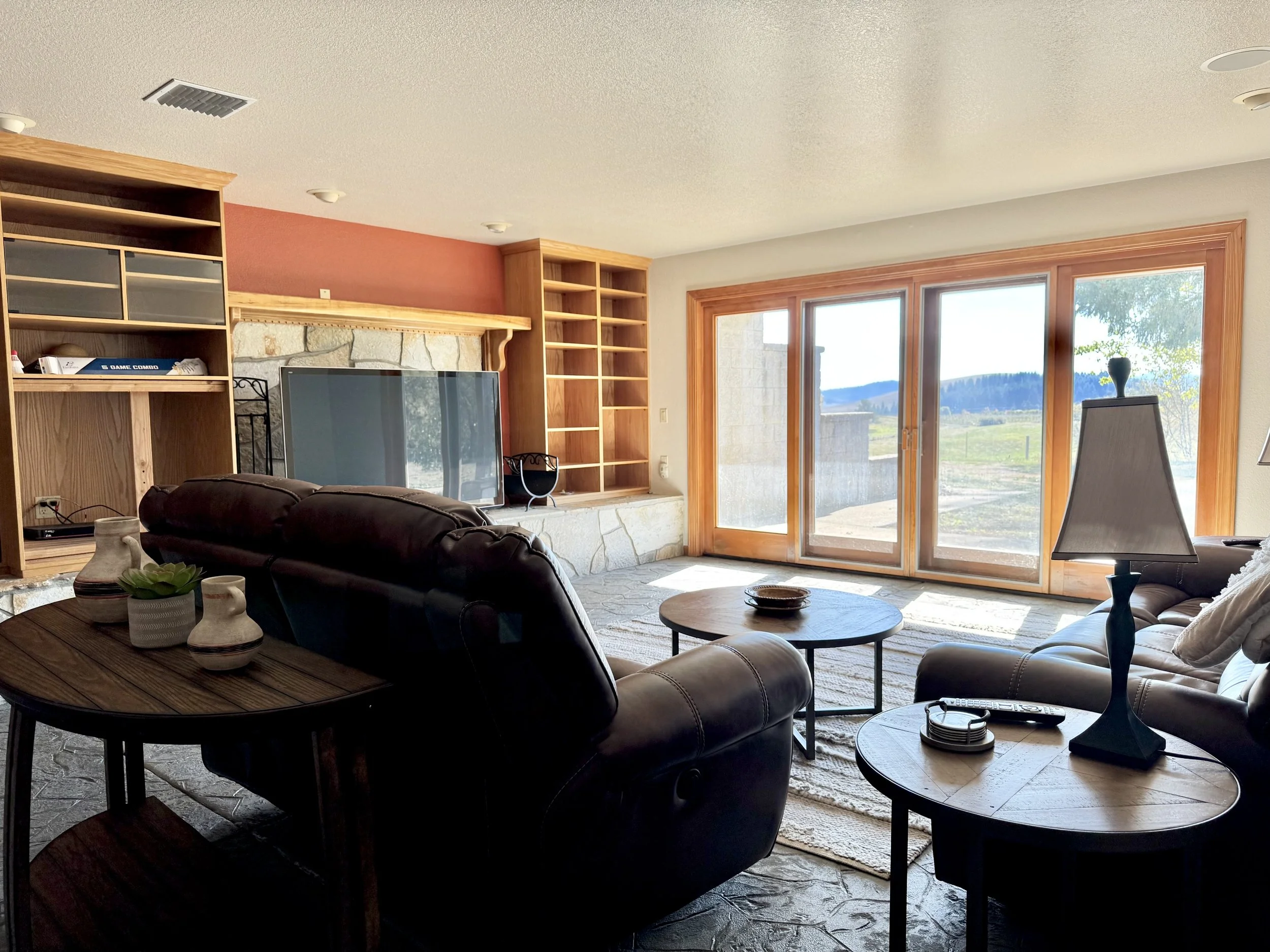
For those who want to stay a little longer, the property also has a beautiful, spacious vacation home available for rent, a lovely option for making wine country your home base.
Wine Tasting at Girardet Vineyards & Winery
📍 Location: 895 Reston Road, Roseburg, Oregon
🌐 Website: Girardet Vineyards & Winery
⏰ Time Needed: Approximately 60–90 minutes
🍷 Known For: Small-batch, estate-grown wines and a long family history in the Umpqua Valley
✨ Best For: Travelers who appreciate intimate, family-owned wineries
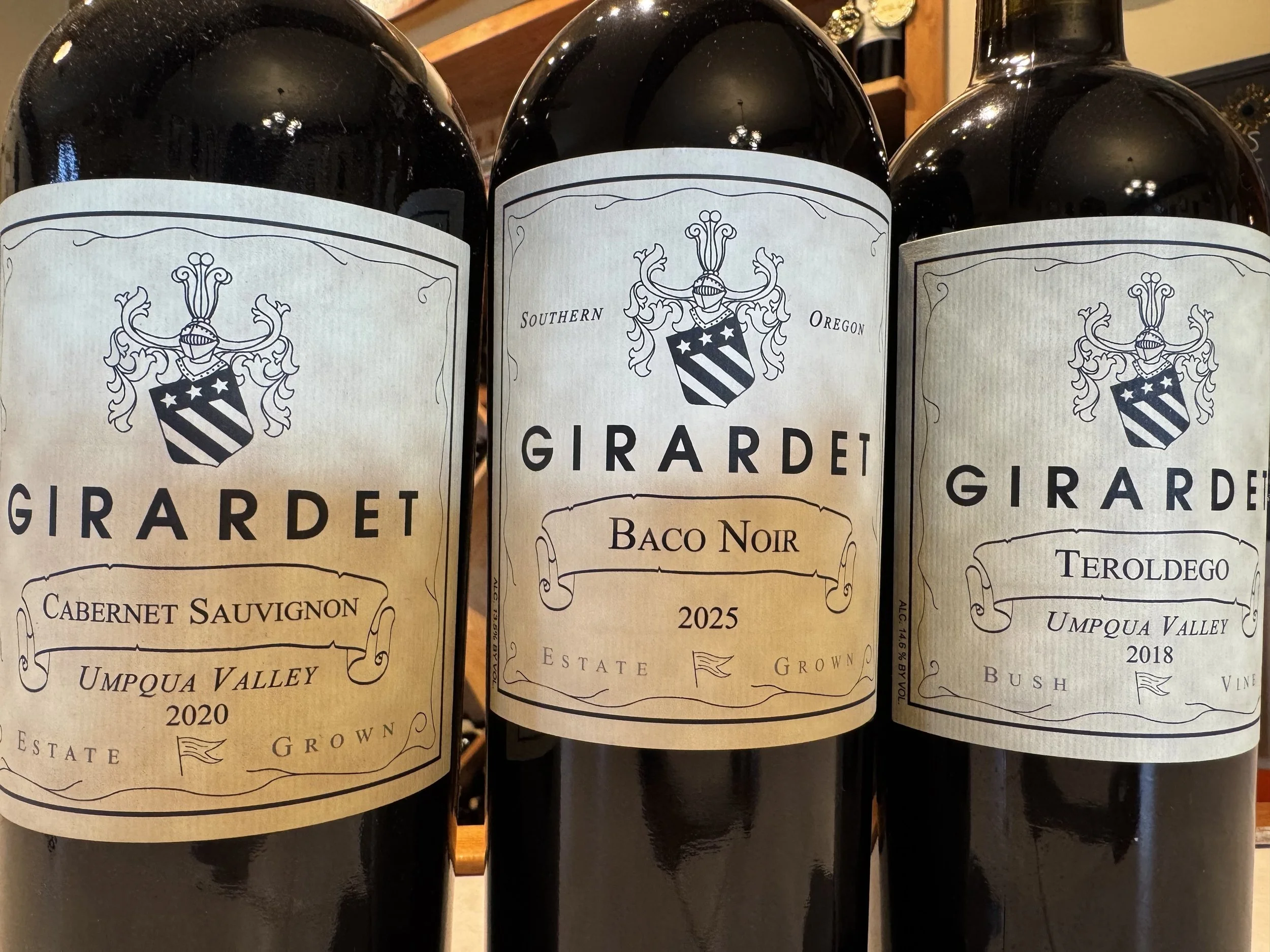
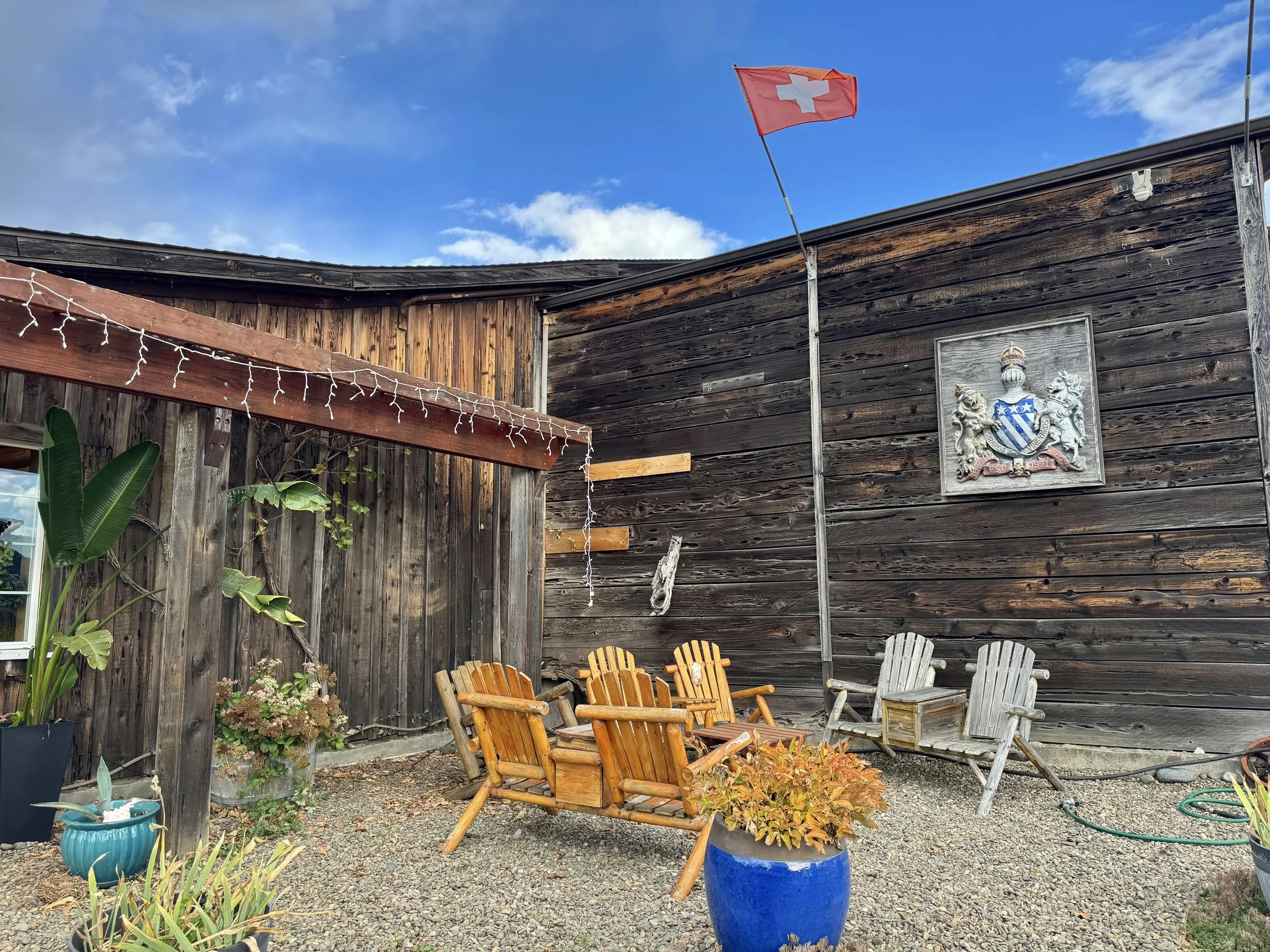
Girardet is one of the Umpqua Valley’s longtime family wineries. The first vines were planted in 1971, and the property now includes small vineyard blocks devoted to numerous grape varieties.
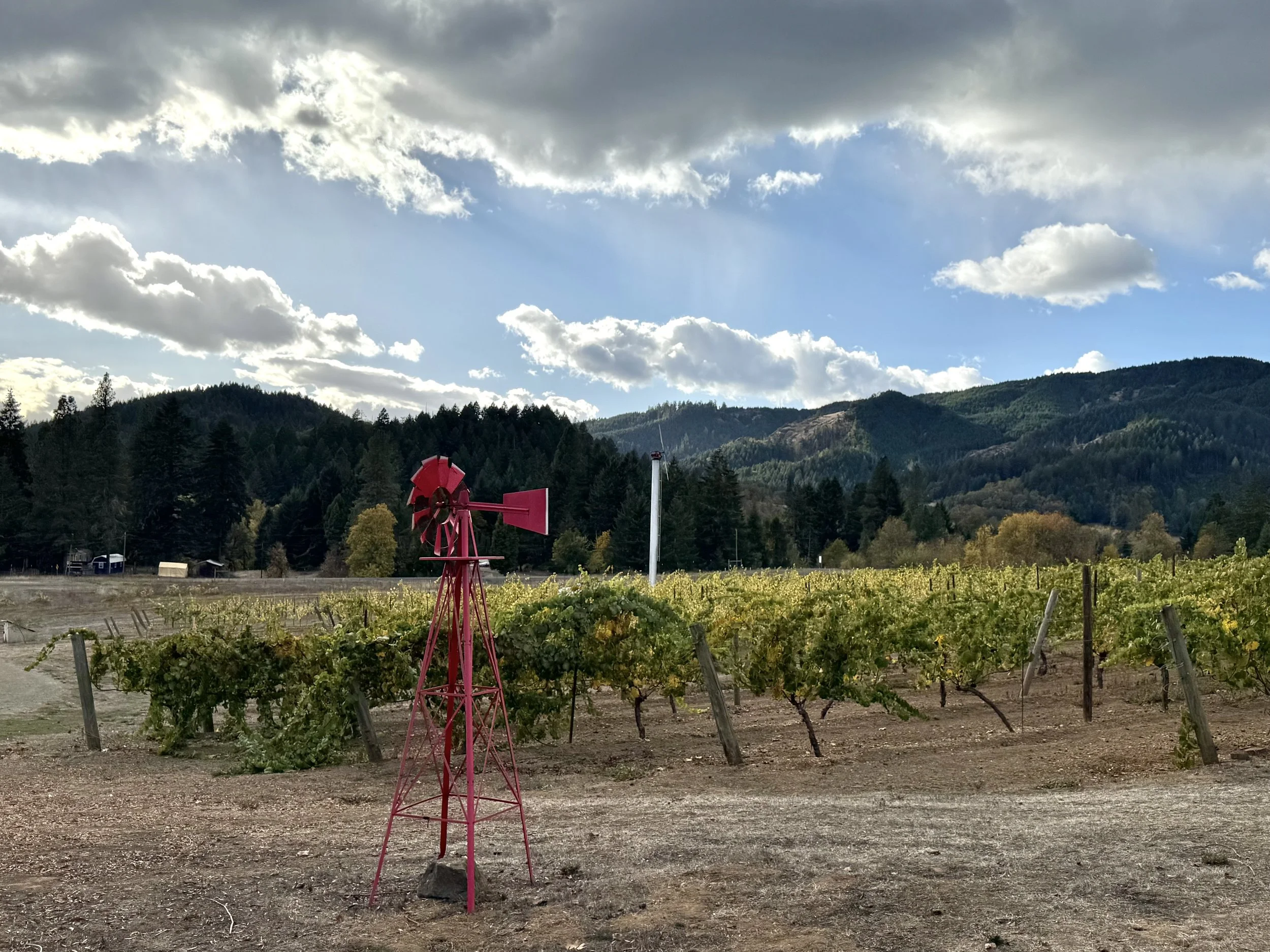
The winery is located in the rural community of Tenmile, approximately 15 minutes from Interstate 5. Its quiet vineyard setting and small-batch wines offer a more personal alternative to tasting at a large commercial winery.
Wine Tasting at Paul O’Brien Winery
📍 Location: 609 SE Pine Street, Roseburg, Oregon
🌐 Website: Paul O’Brien Winery
⏰ Time Needed: Approximately 60–90 minutes
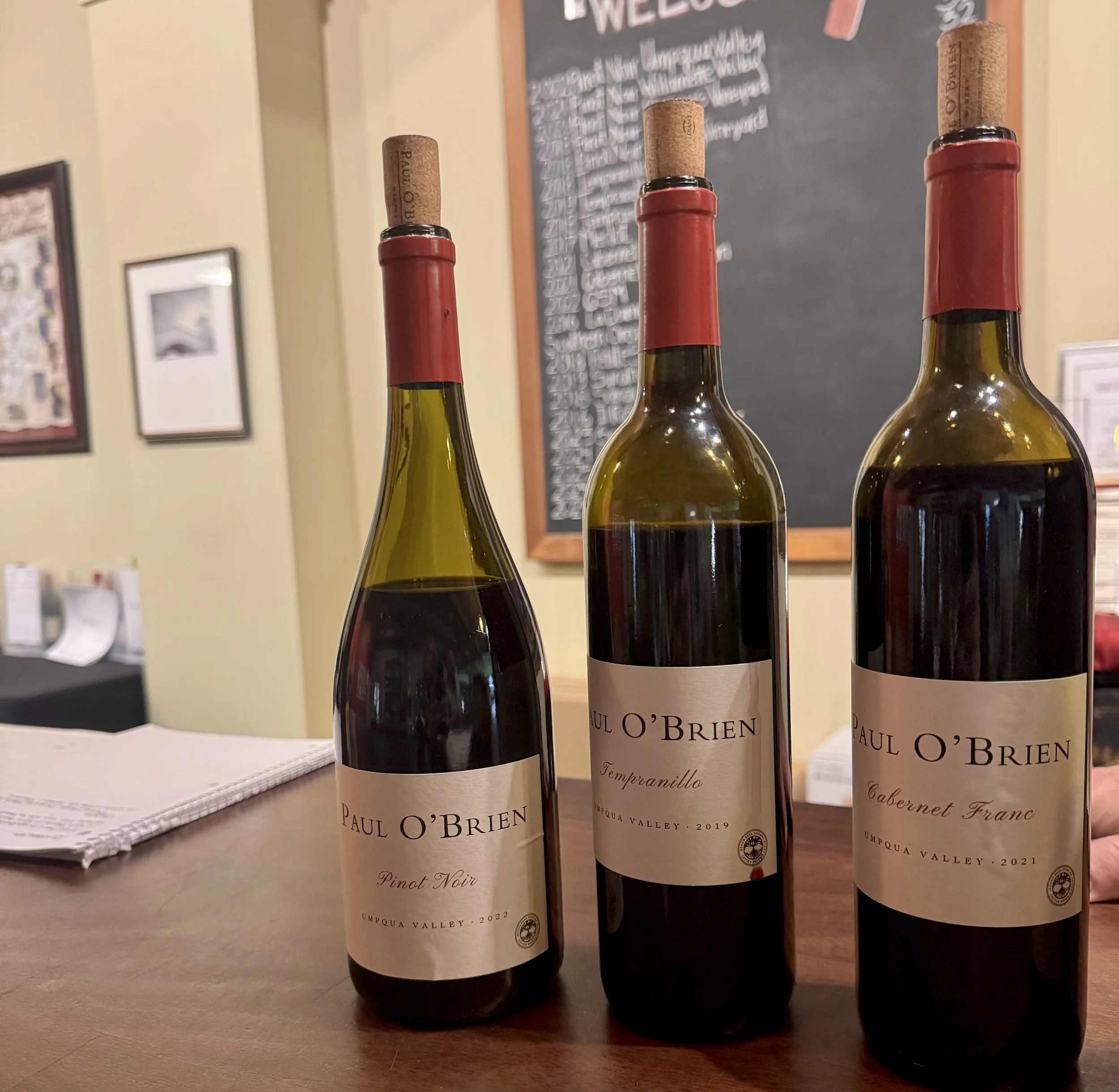
🍷 Known For: Tempranillo, Pinot Noir, Bordeaux-style blends and urban winemaking
✨ Best For: A relaxed tasting in an urban setting paired with exploring downtown Roseburg
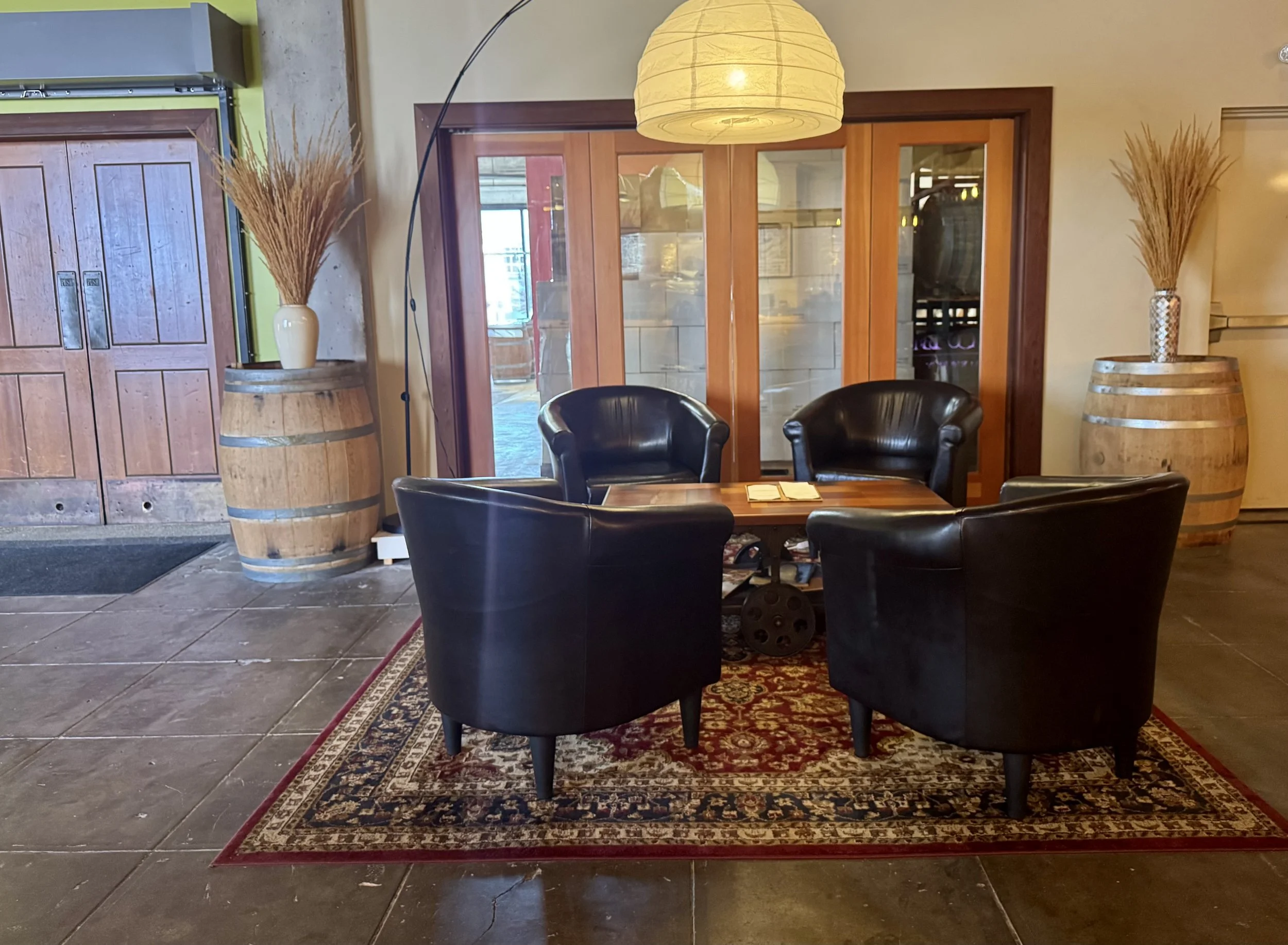
You don’t have to head into the countryside to experience Umpqua Valley wine. Paul O’Brien Winery brings winemaking into town, occupying the historic Hansen Chevrolet building in downtown Roseburg. The former auto dealership gives this working winery an urban atmosphere that sets it apart from the vineyard settings elsewhere in the area.
Despite the name, Paul O’Brien isn’t one person. It combines the middle names of founders Dyson Paul DeMara (of HillCrest Vineyard) and Scott O’Brien Kelley, who met while working at Robert Mondavi Winery in Napa Valley. In 2013, the longtime friends joined forces to establish the Umpqua Valley’s first urban winery.
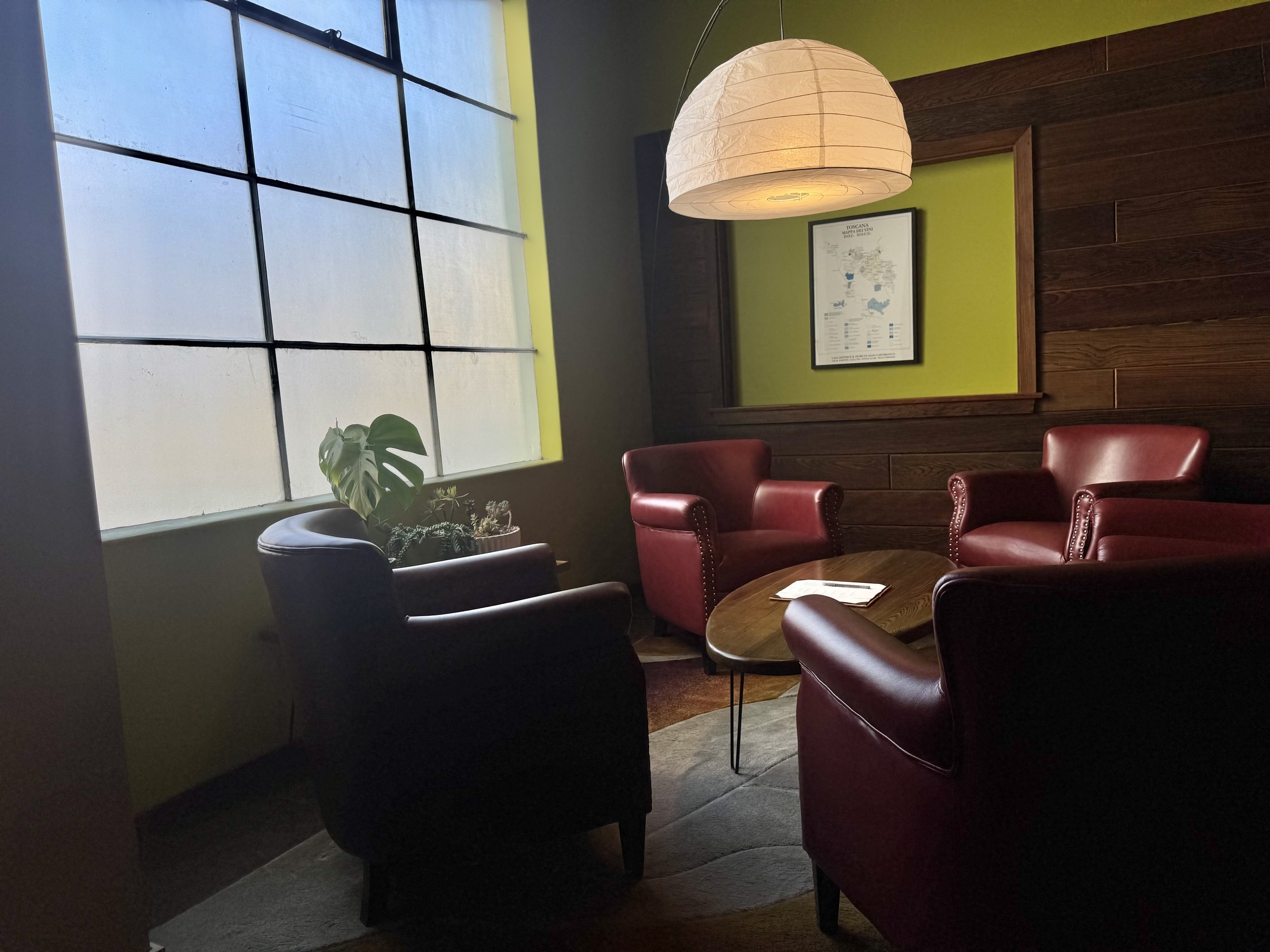
The wines include Tempranillo, Pinot Noir and Bordeaux-style blends, alongside whites such as Chardonnay and Riesling. The tasting room offers comfortable retro seating and a relaxed atmosphere, with charcuterie boards available if you’d like something to accompany your tasting.
Other Umpqua Valley Wineries to Consider
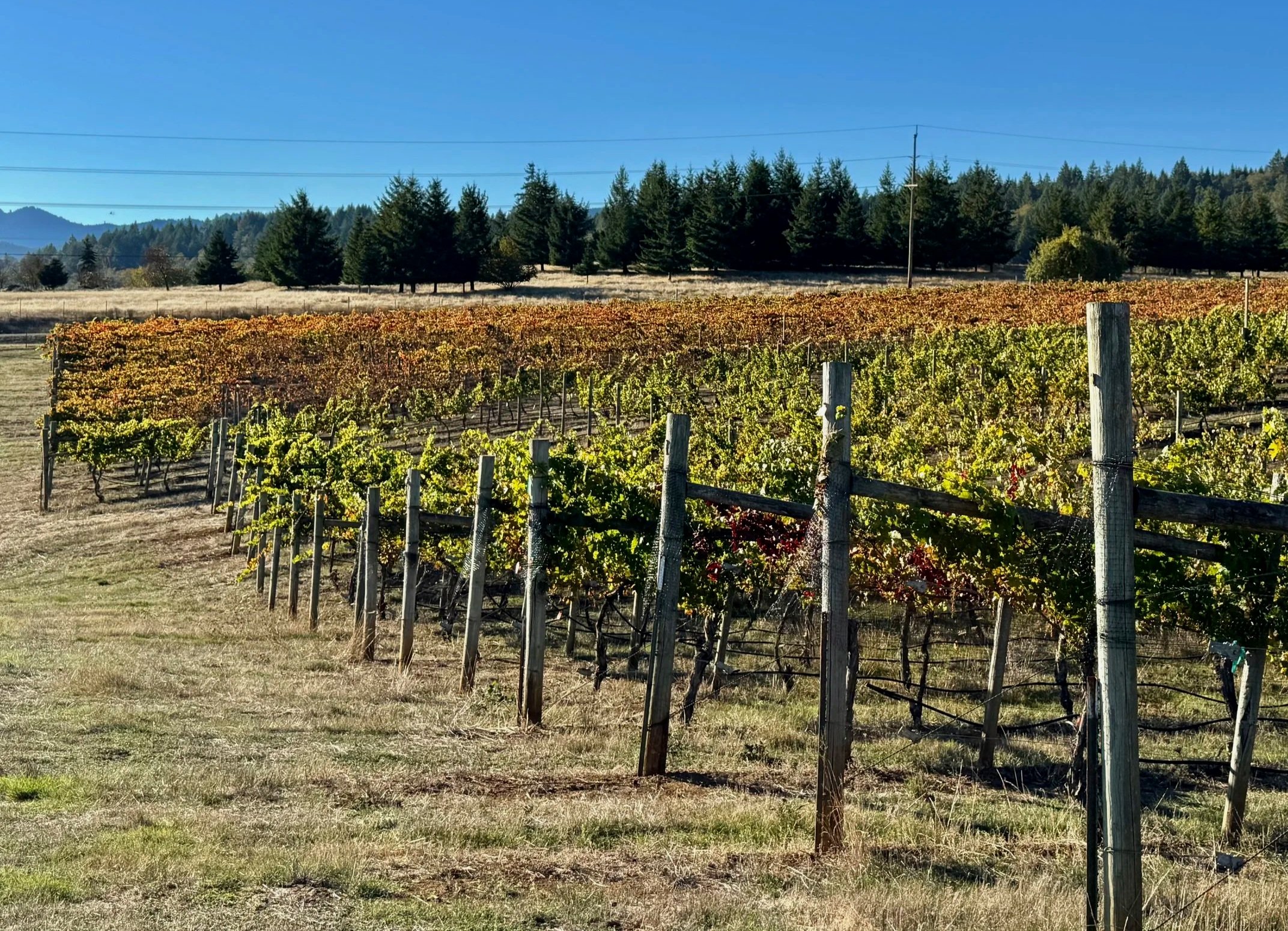
You will find tasting rooms throughout the Umpqua Valley, so the best choices will depend on where you are staying, the types of wine you enjoy, and how far you want to drive.
Other well-known wineries in the region include:
Abacela: Particularly known for Spanish grape varieties, including Tempranillo and Albariño.
Cooper Ridge Vineyard: Offering estate wines and elevated vineyard views overlooking the North Umpqua River.
Melrose Vineyards: Featuring a broad selection of red and white wines in a historic barn west of Roseburg.
Brandborg Vineyard and Winery: Located in the cooler Elkton area and known particularly for Pinot Noir.
Tips for Wine Tasting in the Umpqua Valley
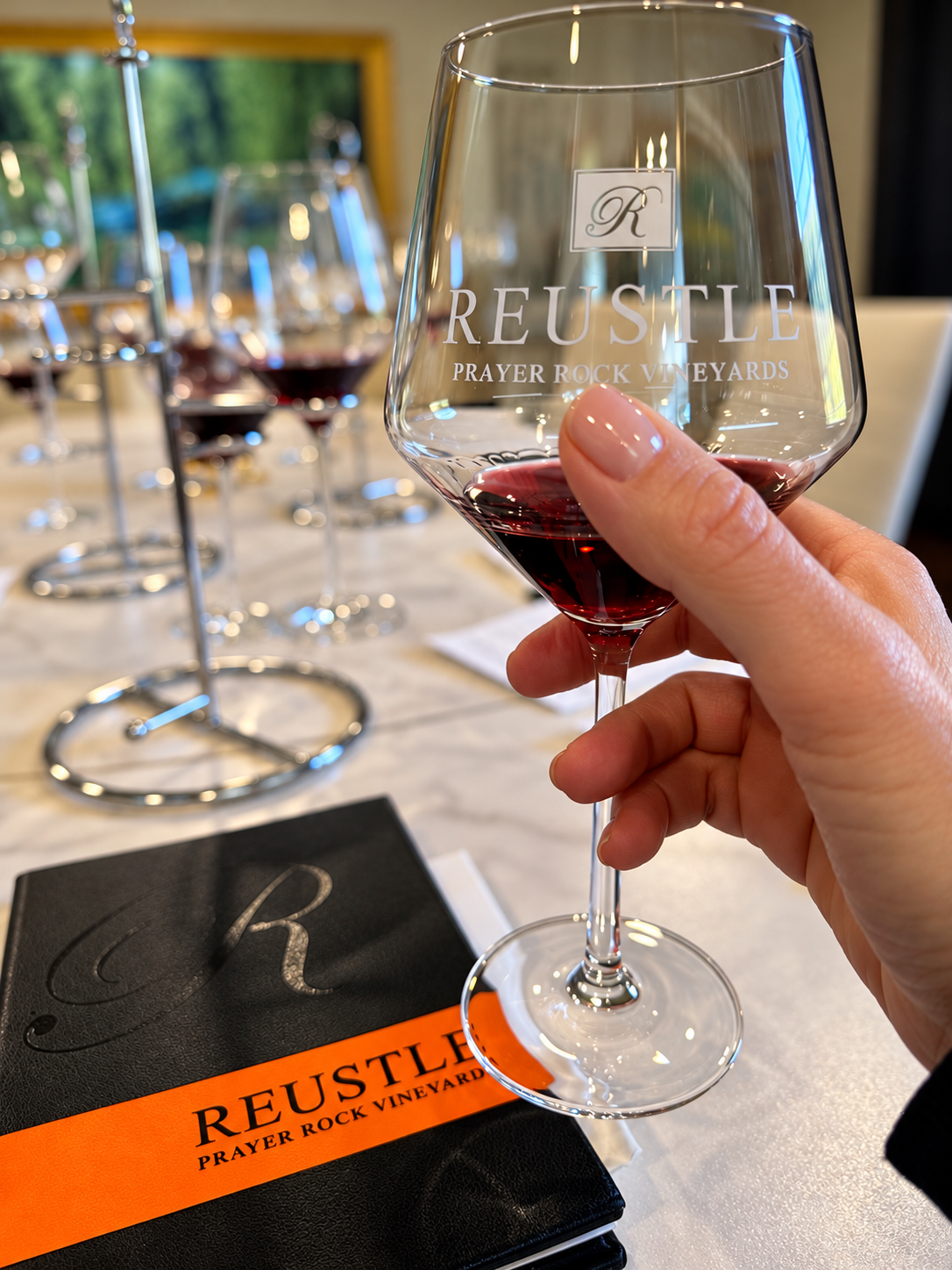
Download the wine trail map: Use the Umpqua Valley Winegrowers map or my interactive map above to identify wineries located near one another.
Don’t plan to visit more than 2 or 3 wineries in one day: Although some tasting rooms appear close together on a map, rural roads and longer tasting experiences can add considerable time. I visited three on the same day and although it was feasible, I wish I had more time at each one.
Choose wineries located in the same part of the valley: Grouping two or three nearby tasting rooms will reduce driving and leave more time to enjoy each stop.
Check operating days carefully: Many smaller tasting rooms are not open every day, and some require appointments.
Make reservations: This is especially helpful on weekends, during special events, and around the fall harvest.
Allow enough time: Allow at least 60–90 minutes per winery, particularly if you plan to order food, take a tour or speak with the winemaker.
Eat before you start: Not every tasting room serves food. Check what is available in advance or bring snacks.
Bring water: Drink water between tastings, particularly when visiting several wineries.
Bring a wine carrier: A padded bottle bag is useful if you plan to purchase wine and continue traveling.
Ask about shipping: Most wineries can ship purchases directly to your home, although state restrictions may apply. I had no issues sending wine home from a few vineyards during my stay.
Expect fall activity: An October visit may coincide with harvest and winemaking, making it an interesting time to visit but be sure to confirm hours in advance.
✨ Pro Tip: Choose wineries that offer different experiences rather than selecting ones with similar settings and wine lists. Combining a scenic estate, a historic family winery, and a tasting room specializing in a particular grape variety will make the trip more interesting.
🌉 Take a Scenic Detour to a Covered Bridge
Southern Oregon’s covered bridges offer another reason to slow down and explore beyond the main highway. These historic wooden crossings add a little nostalgia to a scenic drive and make lovely stops for photos along the way. If you’re planning a drive through the Umpqua Valley, consider working one into your route.
Cavitt Creek Covered Bridge - Located at the junction of Little River Road and Cavitt Creek Road near Glide, approximately seven miles south of Highway 138, this bridge offers a natural detour when exploring the North Umpqua corridor.
Rochester Covered Bridge - Located on Rochester Bridge Road, just off Stearns Lane, approximately three miles northwest of Sutherlin, its curved-top windows give it a distinctive appearance.
Horse Creek Covered Bridge - At Millsite Park in downtown Myrtle Creek, this pedestrian bridge crosses Myrtle Creek and makes an easy stop for a stroll and great photographs.
Neal Lane Covered Bridge - On Neal Lane, off Days Creek Cutoff Road, southeast of downtown Myrtle Creek, it’s one of Oregon’s shortest covered bridges at just 42 feet long.
Pass Creek Covered Bridge - Near West A Street and Second Street, behind the Drain Civic Center in Drain, you can find this charming bridge by turning south onto Second Street from Highway 99 and continuing one block to West A Street.
🏙️ Explore Downtown Roseburg
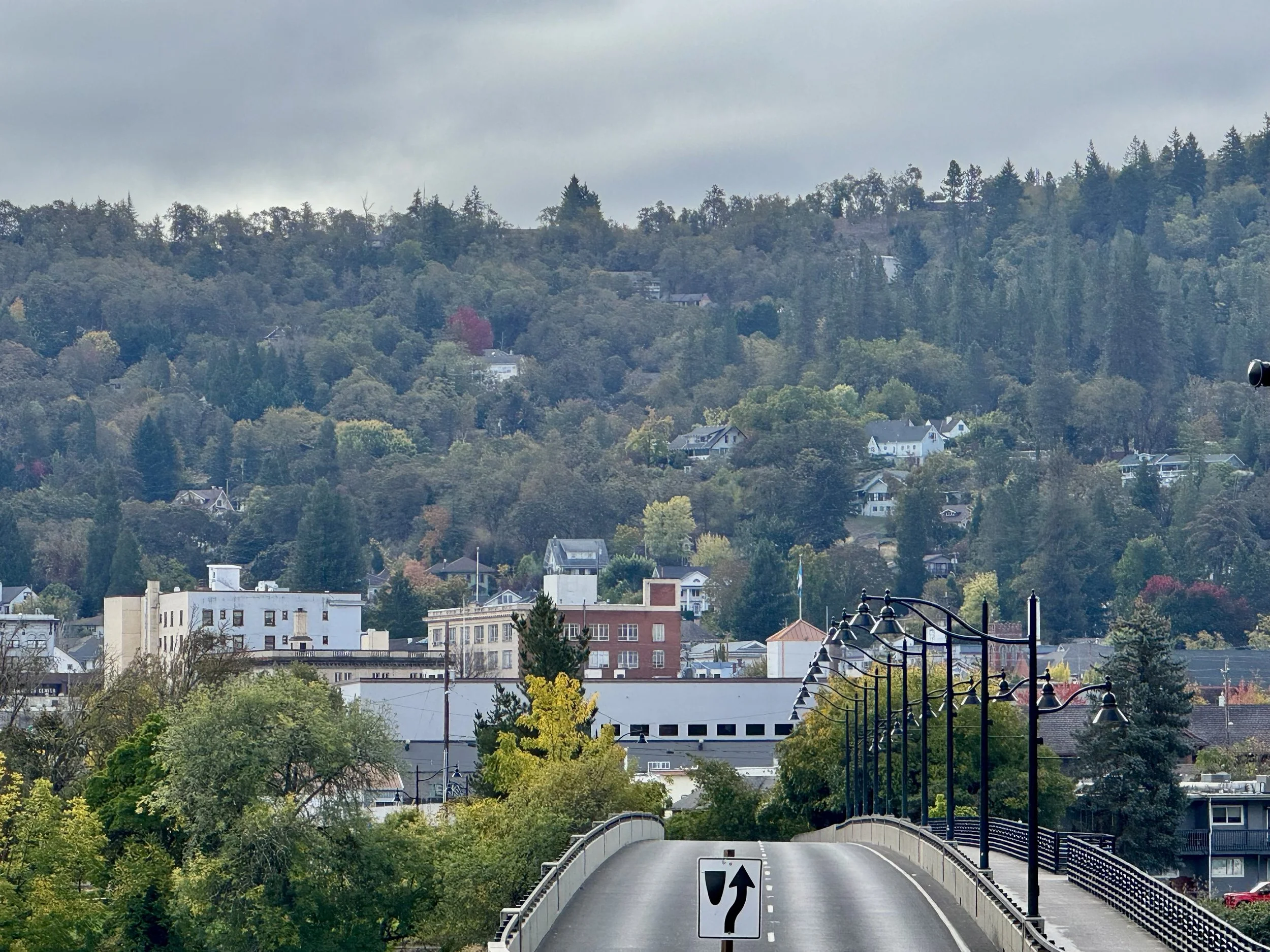
📍 Location: Historic downtown Roseburg
⏰ Time Needed: Approximately 1–2 hours
✨ Best For: Local shopping, coffee, dining, and a relaxed break between outdoor activities
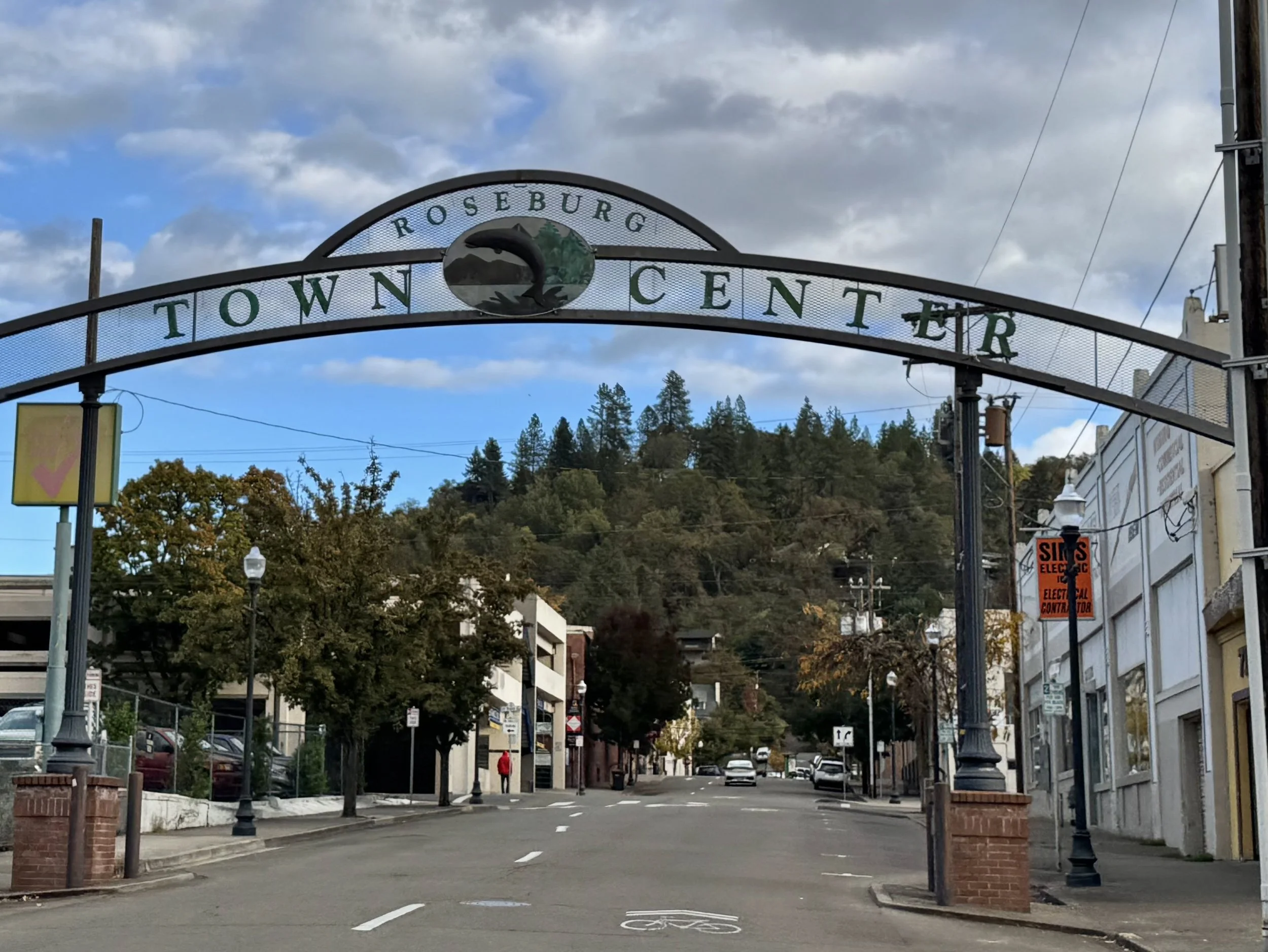
Downtown Roseburg is a fun place to spend a few unhurried hours, with locally owned shops, restaurants, cafés, historic buildings and public art concentrated around Jackson and Main streets. Stop for coffee, browse the shops and take time to notice the murals and architectural details along the way.
It’s an easy change of pace after exploring the region’s rivers and waterfalls. You don’t need a packed itinerary here. Leave yourself time to wander, see what catches your eye and settle in for lunch, dinner or drinks at a downtown restaurant.
Where to Stay in the Umpqua Valley
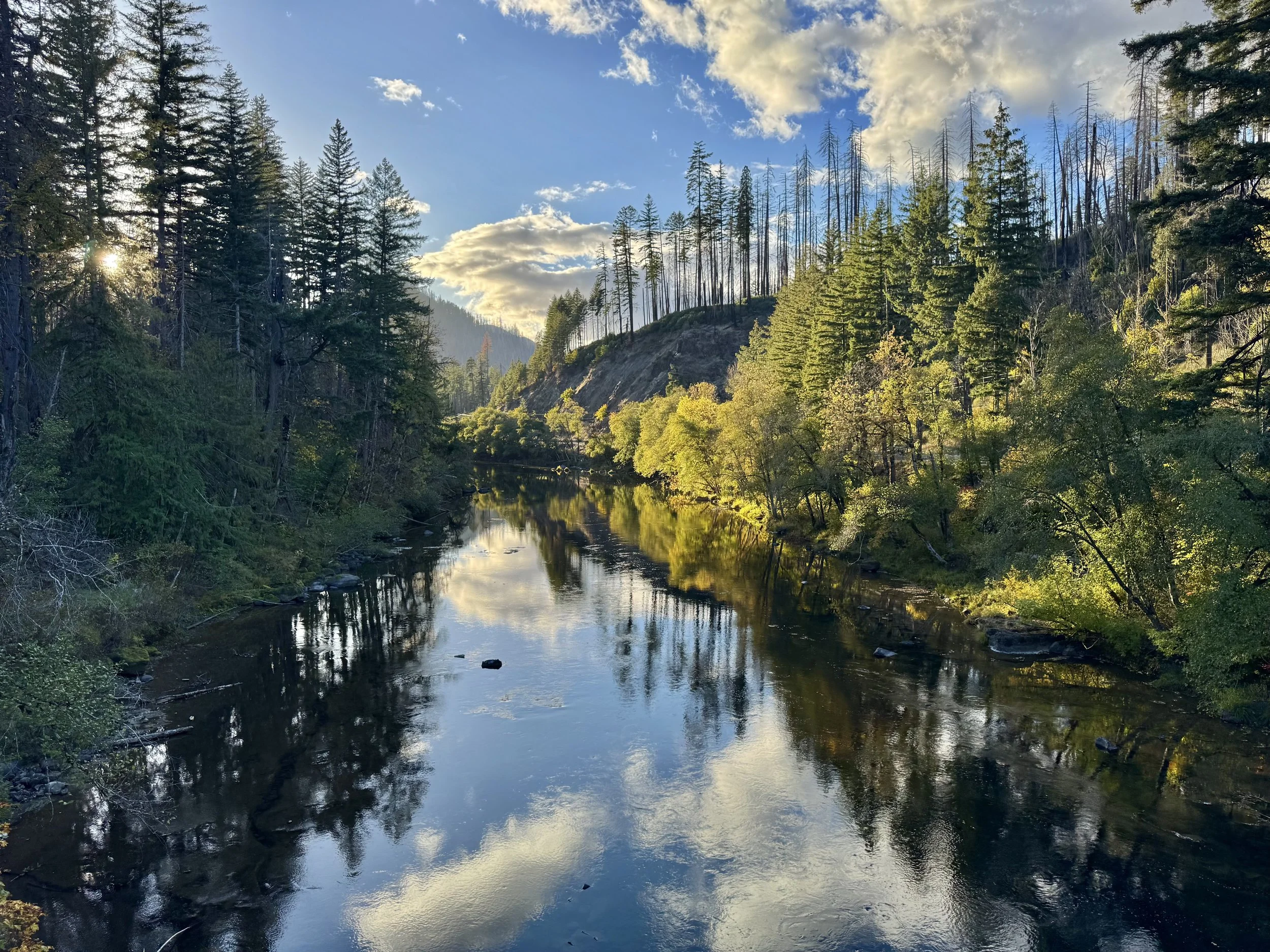
Should I stay in Roseburg or along the North Umpqua River?
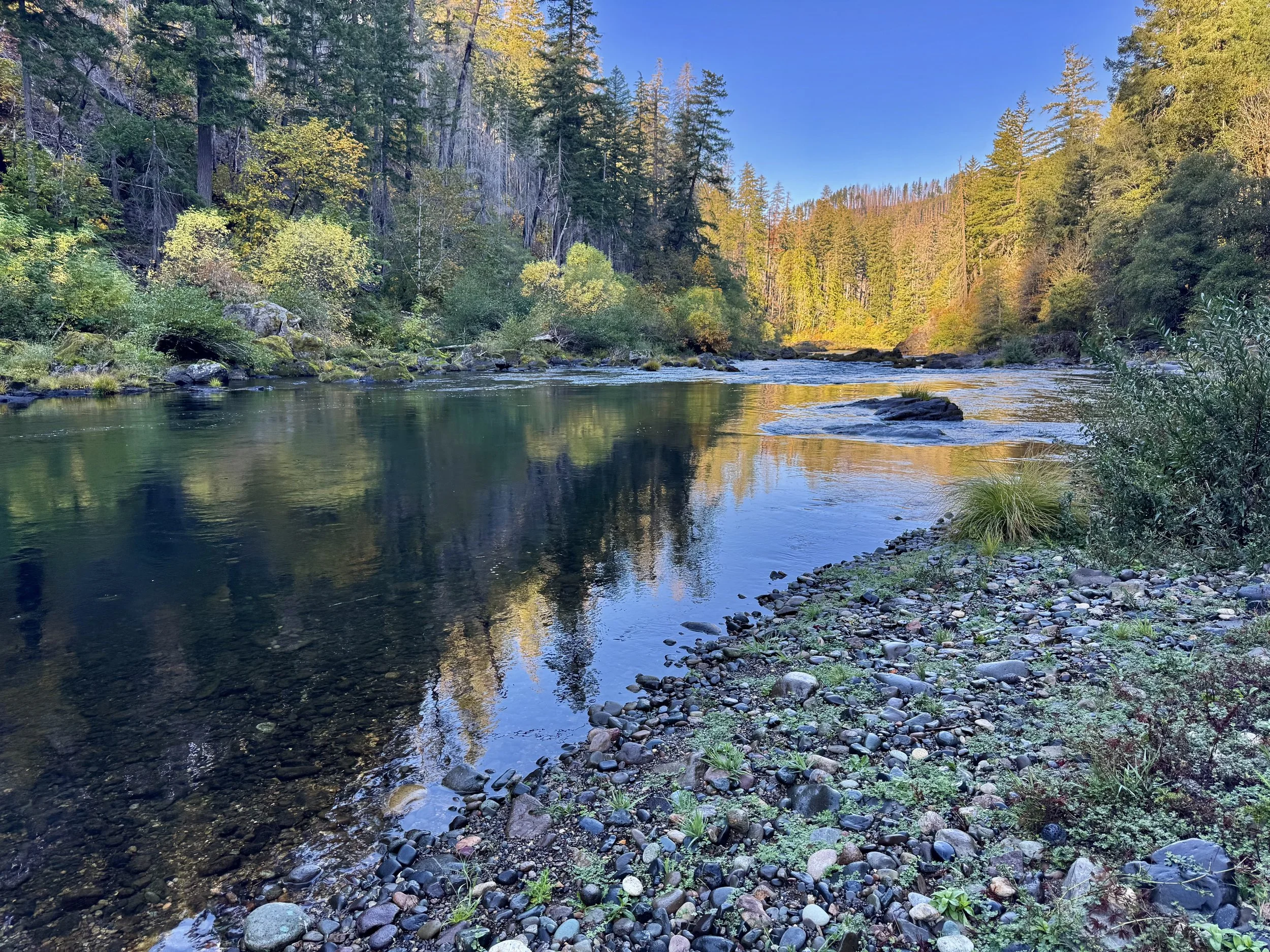
Stay along the North Umpqua River if waterfalls, hiking, fishing, river views, and a quiet retreat are the focus of your trip. Roseburg is the better choice if you want to be close to restaurants, wineries, shops, and attractions such as Wildlife Safari.
If you have at least three or four nights, consider splitting your stay between the two. I suggest staying in Roseburg on days you plan on visiting wineries and attractions near town like the Wildlife Safari. Then, head up the river for the rest of your visit where you can enjoy hiking, waterfalls and fly fishing in the quiet solitude of nature.
Steamboat Inn
📍 Location: 42705 North Umpqua Highway, Idleyld Park, Oregon 97447 (approximately 38 miles east of Roseburg)
🌐 Website: Steamboat Inn
🏡 Property Style: Historic riverside inn with cabins, cottages, and guest rooms
🏙️ Setting: Forested property overlooking the North Umpqua River
🍽️ Dining: On-site restaurant serving breakfast, lunch, and dinner
🥾 Nearby Attractions: North Umpqua waterfalls, hiking trails, and fishing
✨ Best For: A secluded nature retreat with convenient waterfall and hiking access
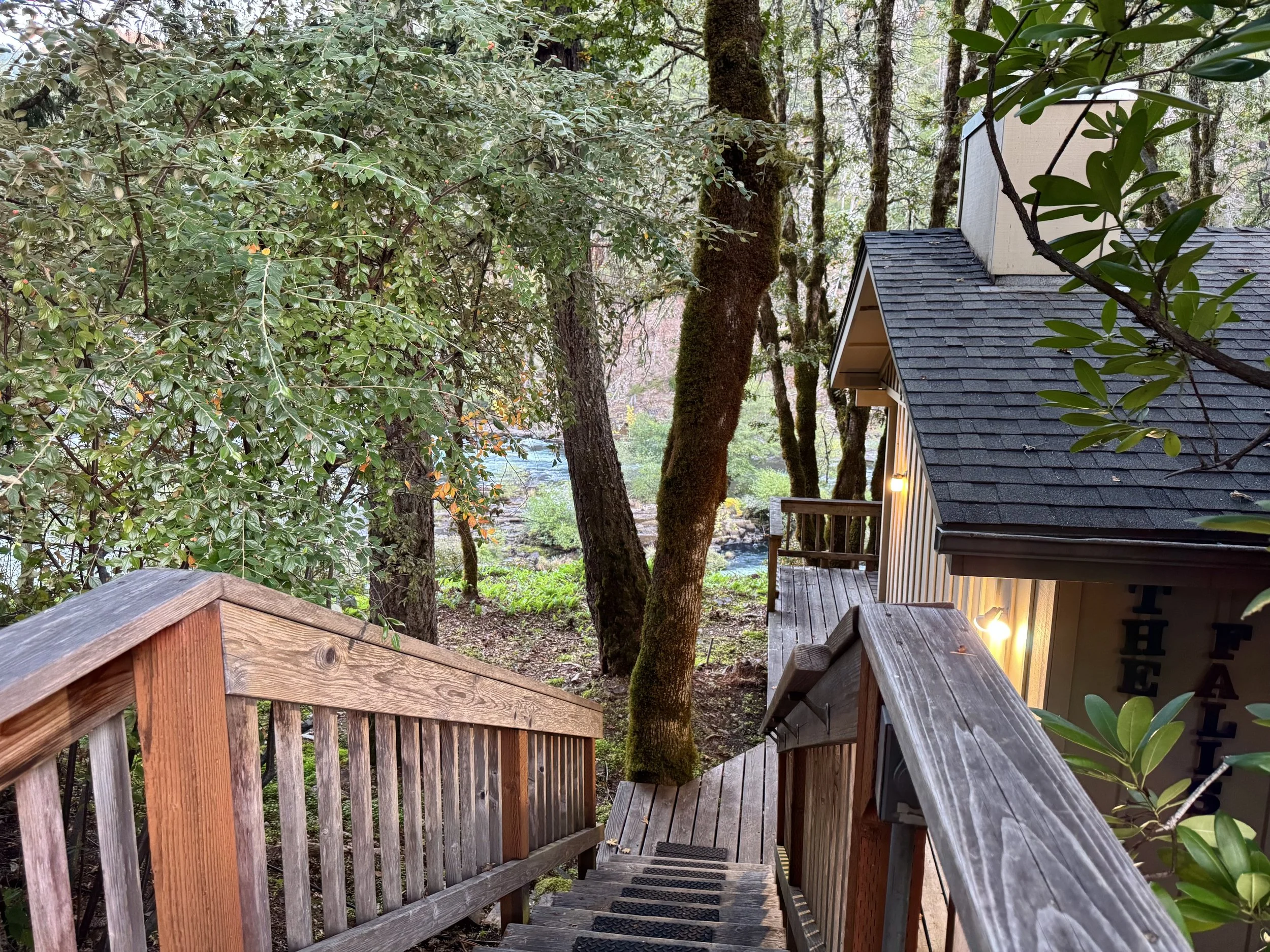
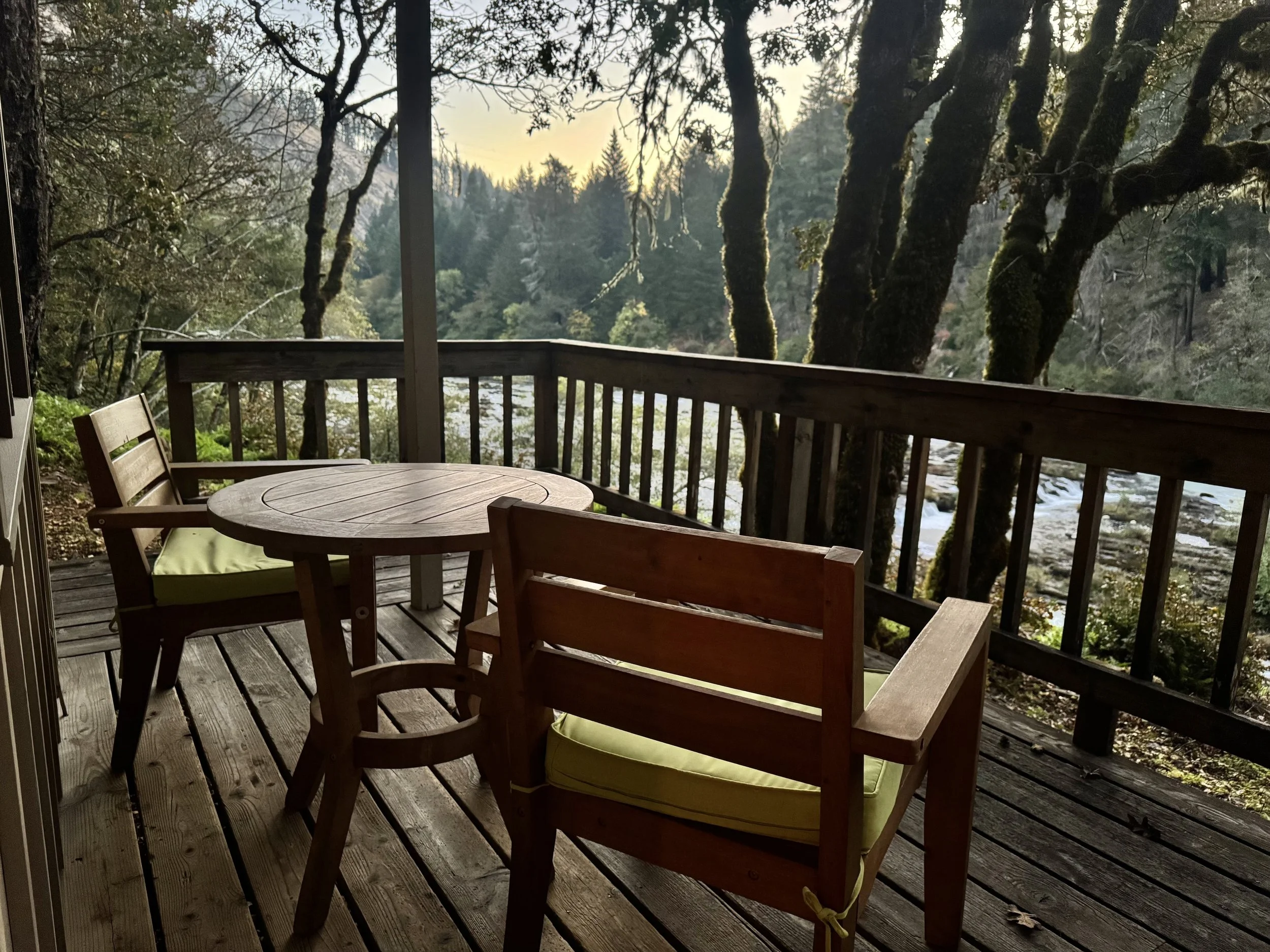
Steamboat Inn was one of my favorite parts of the trip. As much as I loved exploring, I looked forward to returning to my cabin, settling in by the fireplace and watching the river flow past my deck.
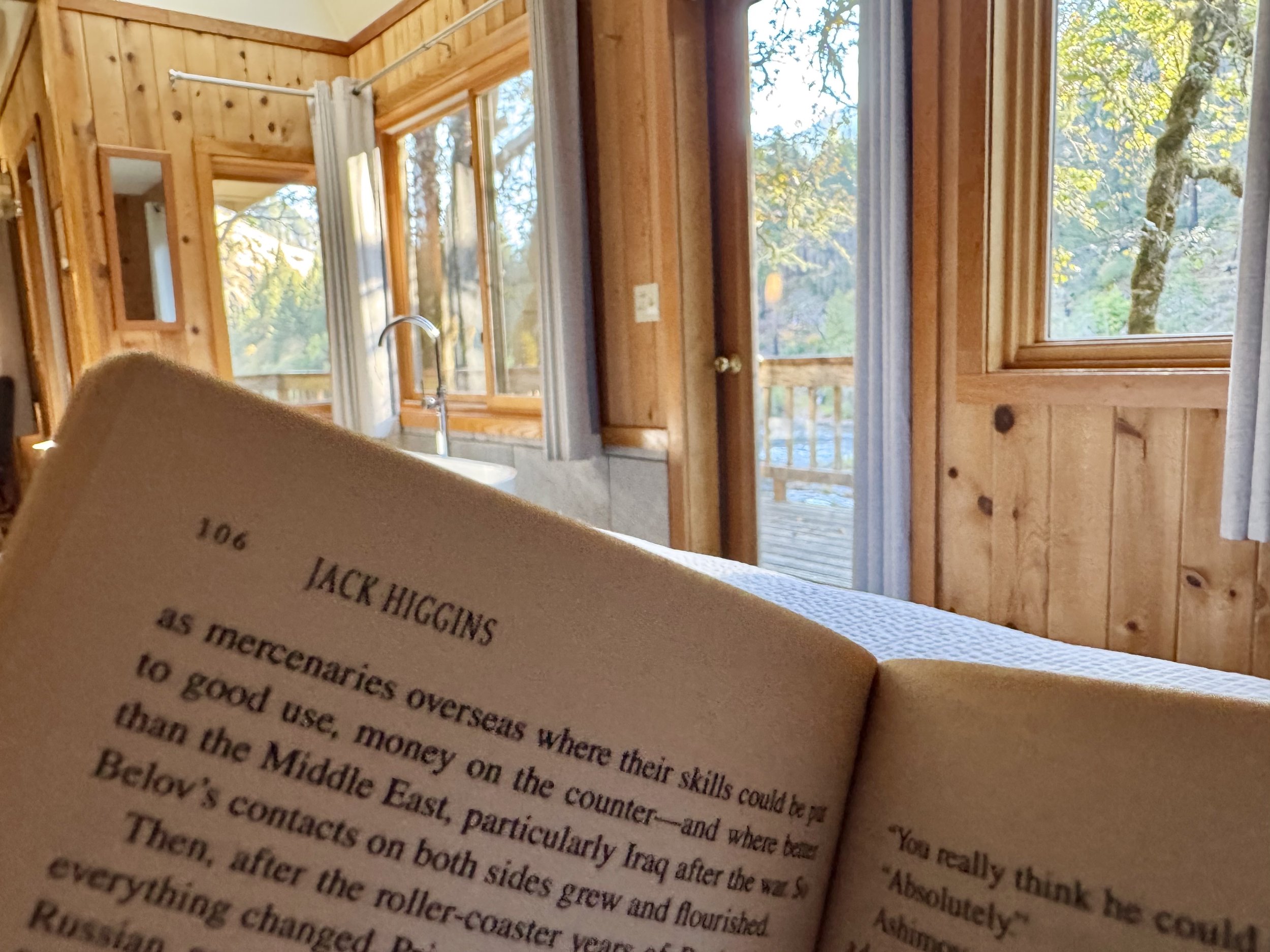
Tucked among the forests of the North Umpqua River corridor, this boutique inn offers cabins and rooms that make the most of their natural surroundings. It’s a place for slow mornings over coffee, afternoons outdoors and quiet evenings with the sound of the river close by.
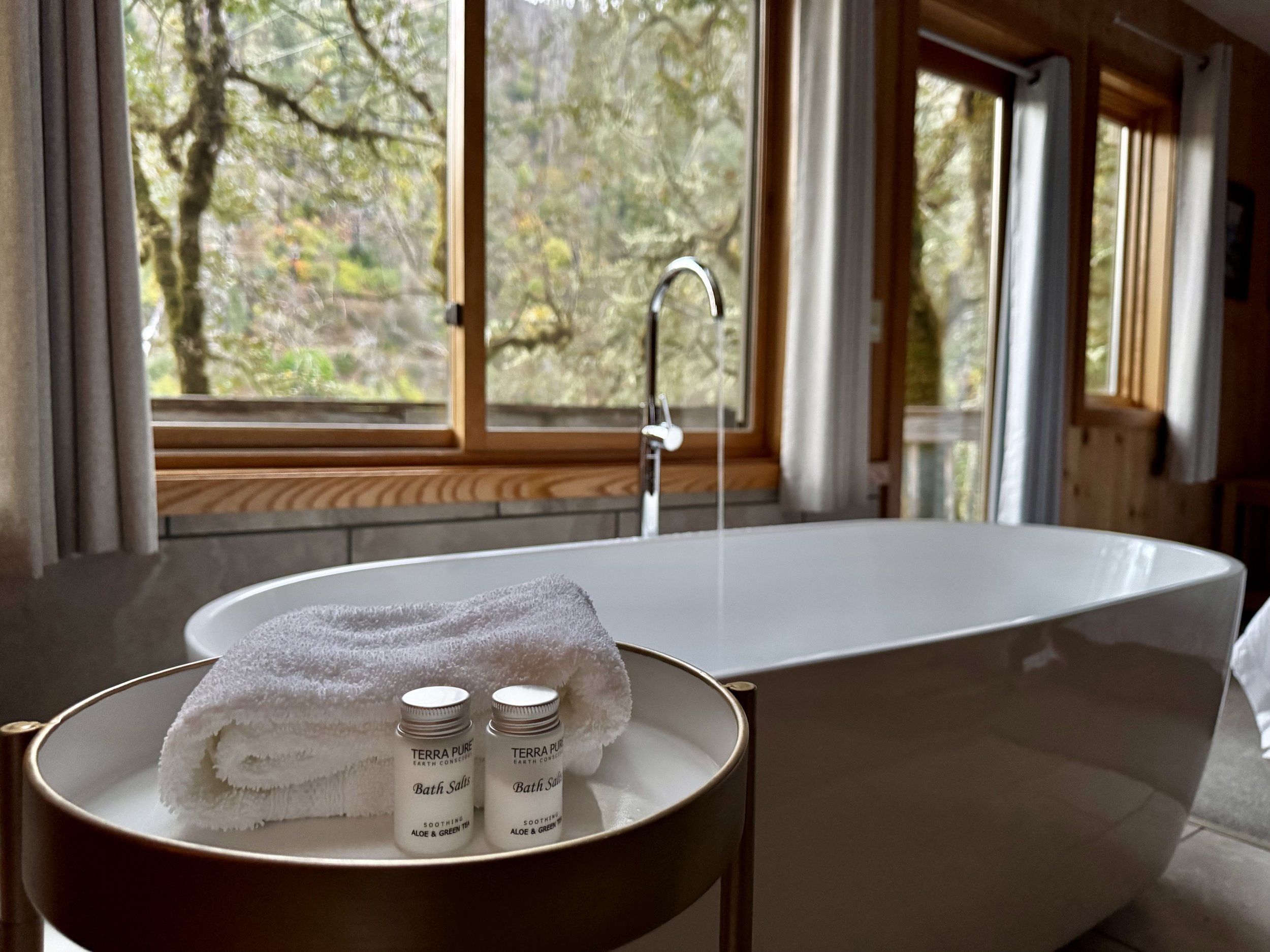
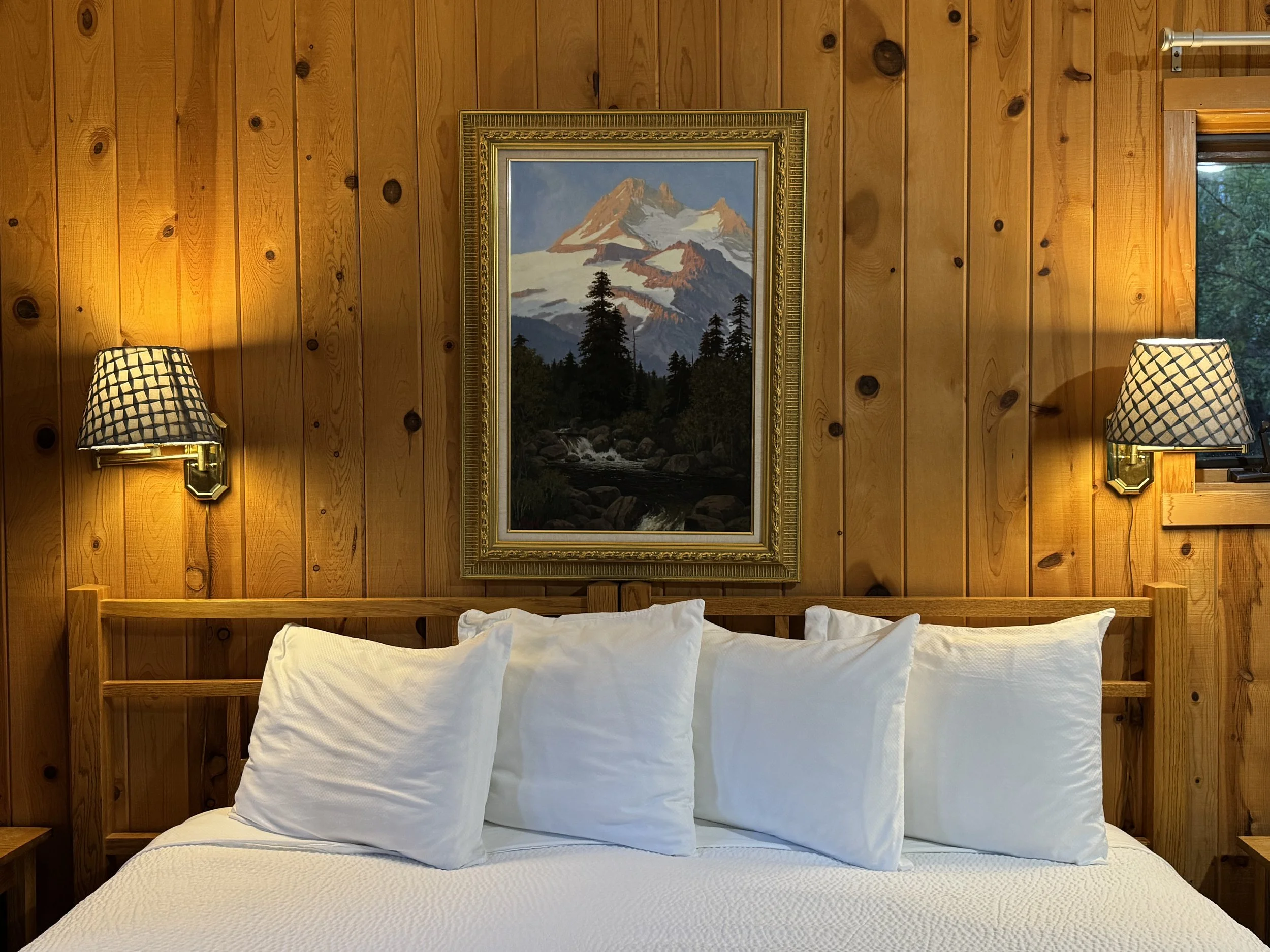
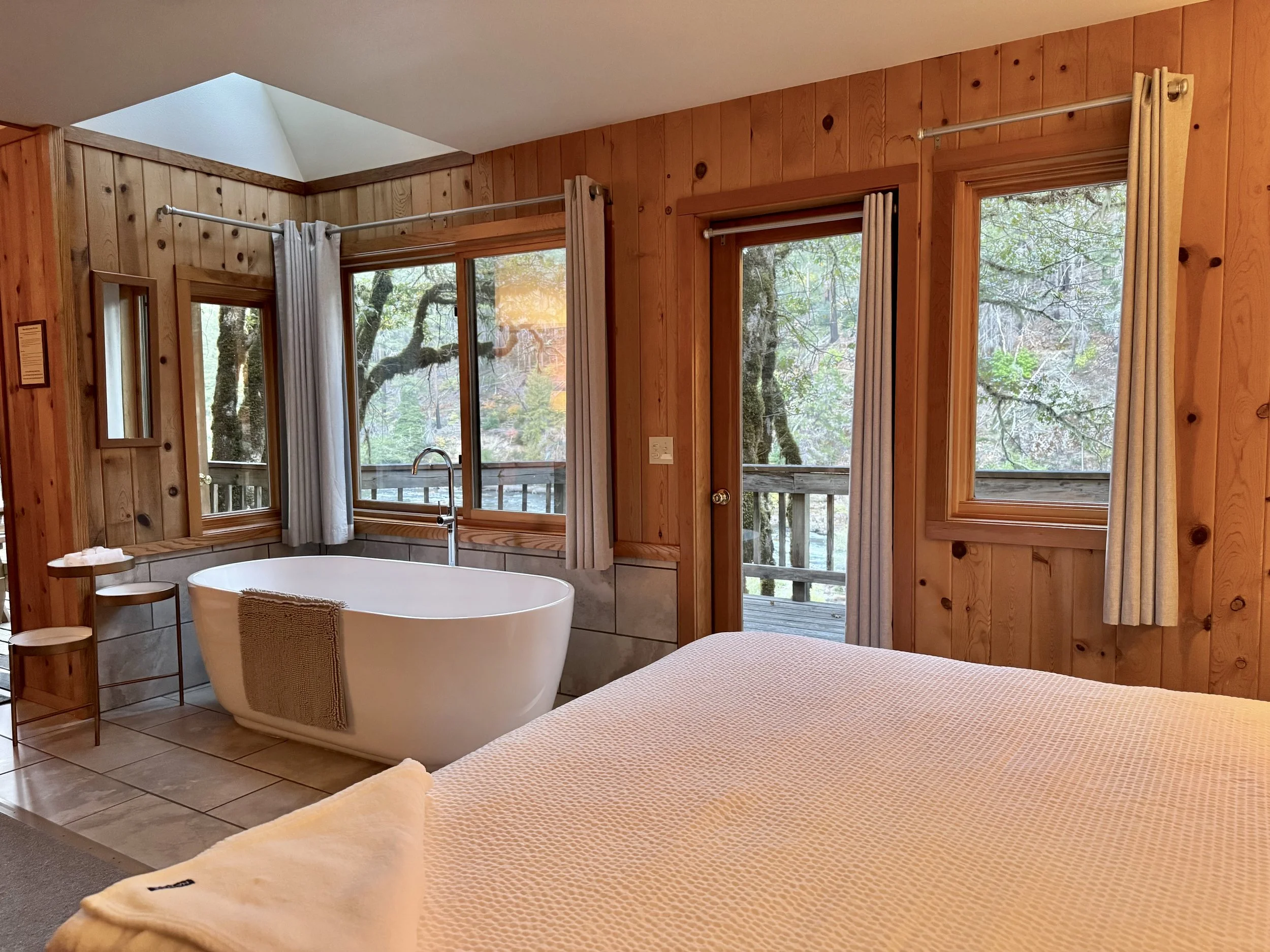
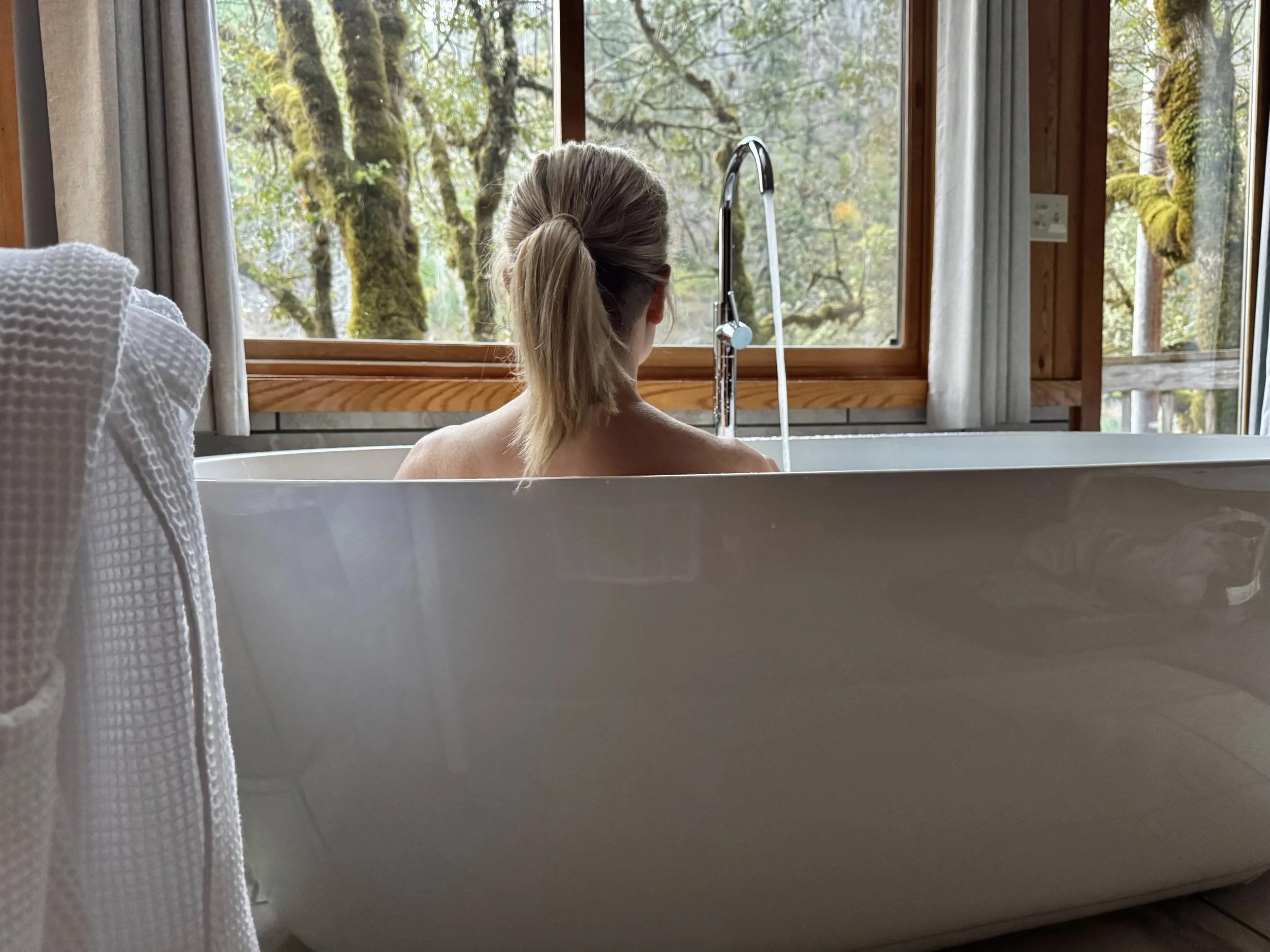
The inn has long drawn fly fishing enthusiasts, but you don’t need to cast a line to fall in love with the setting. Waterfalls and hiking trails along Highway 138 are within easy reach, making it a wonderful base for exploring—and an equally inviting place to spend a day doing very little.
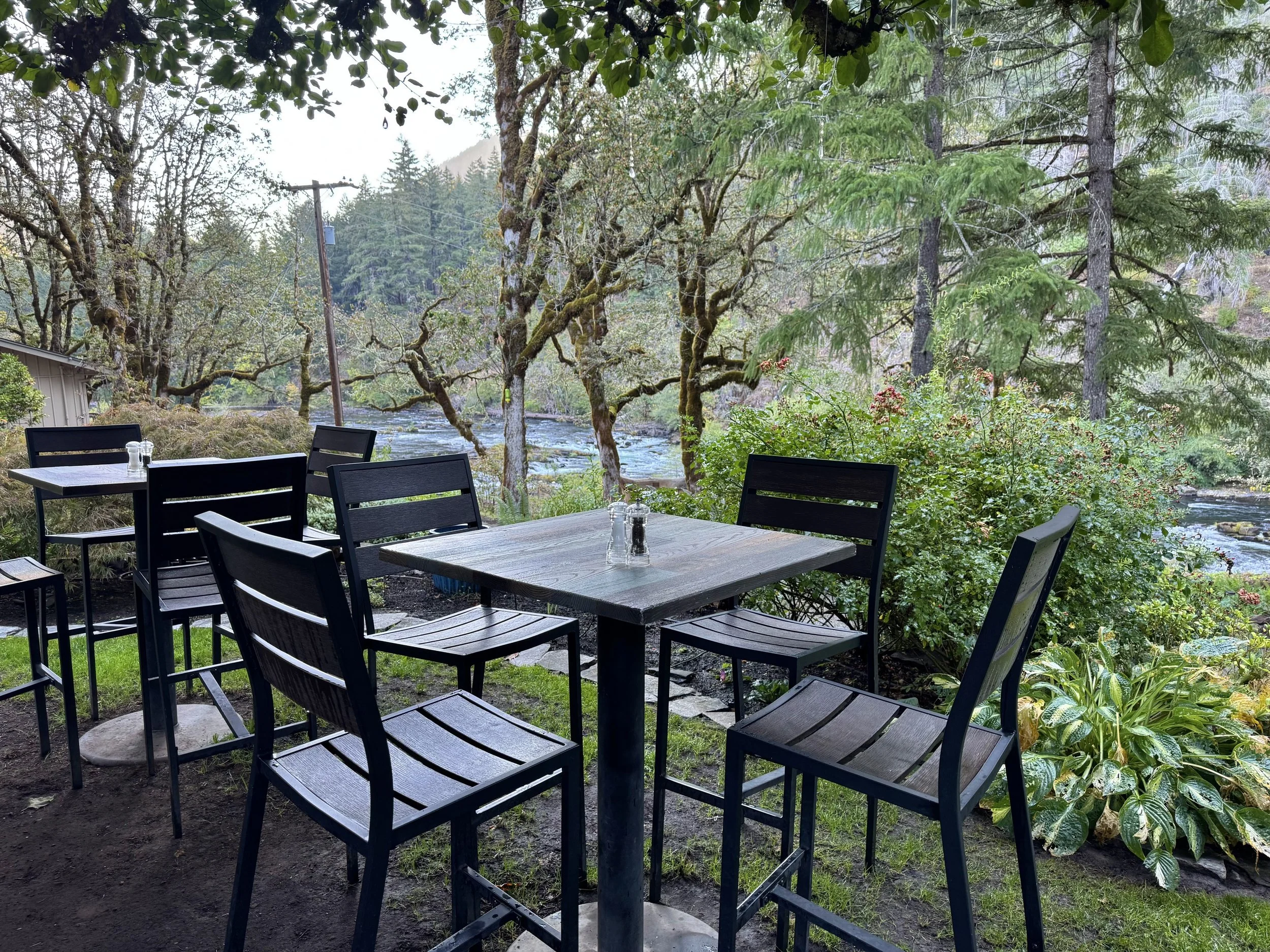
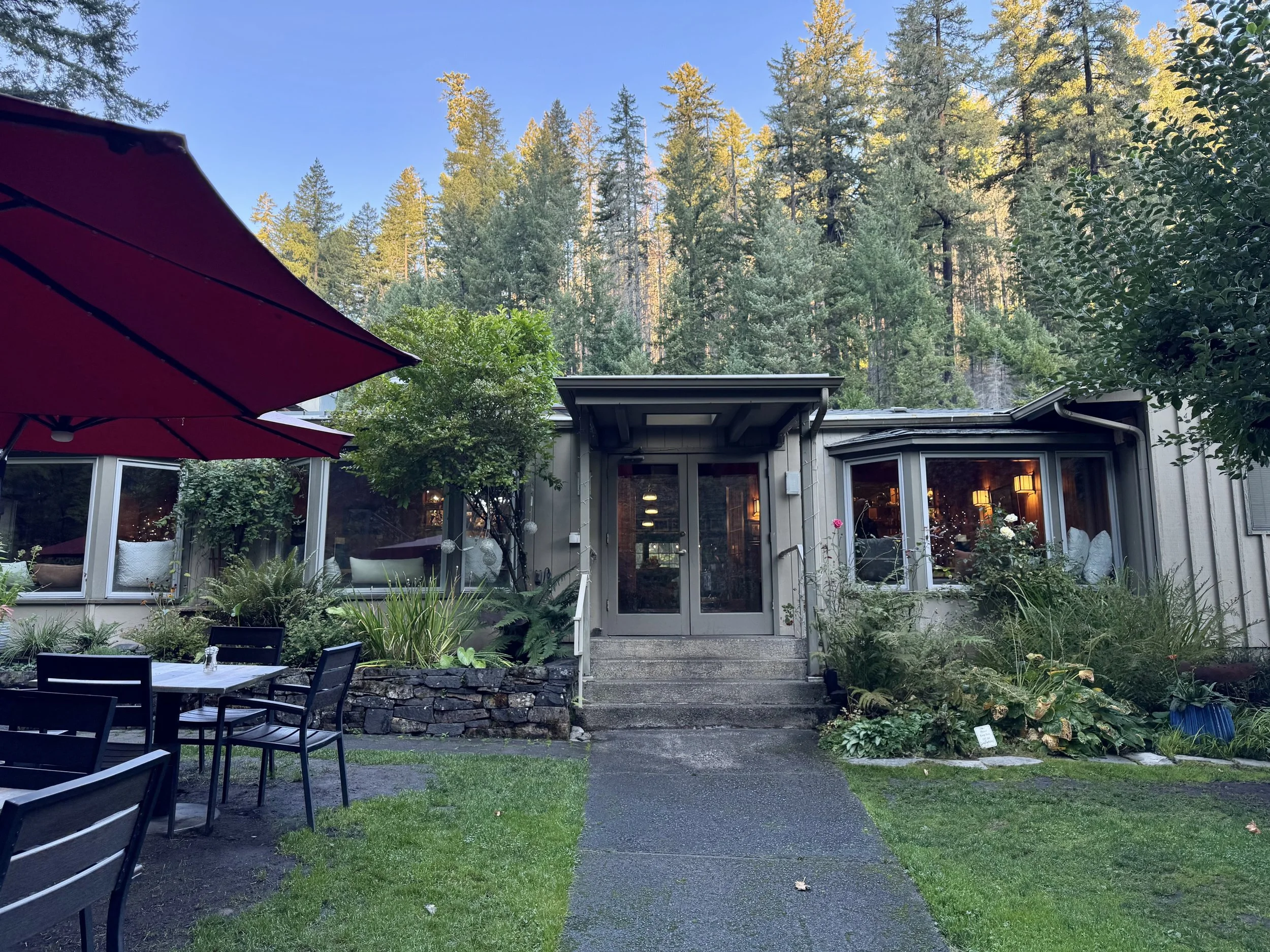
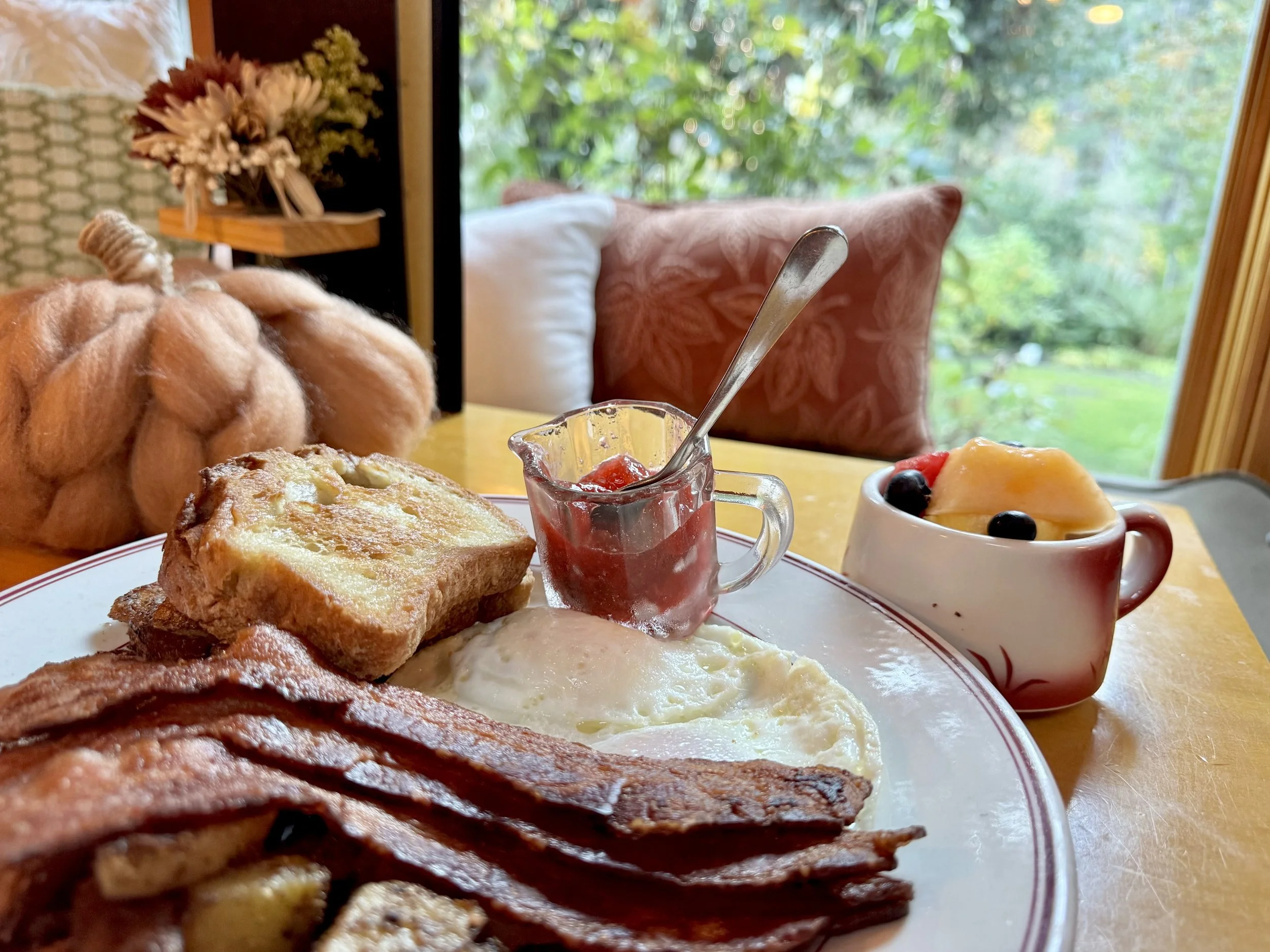
The on-site restaurant serves seasonal Pacific Northwest dishes, giving you another reason to linger. With dining options limited along this remote stretch of Highway 138, being able to return from an adventure and settle in for a good meal is especially welcome.
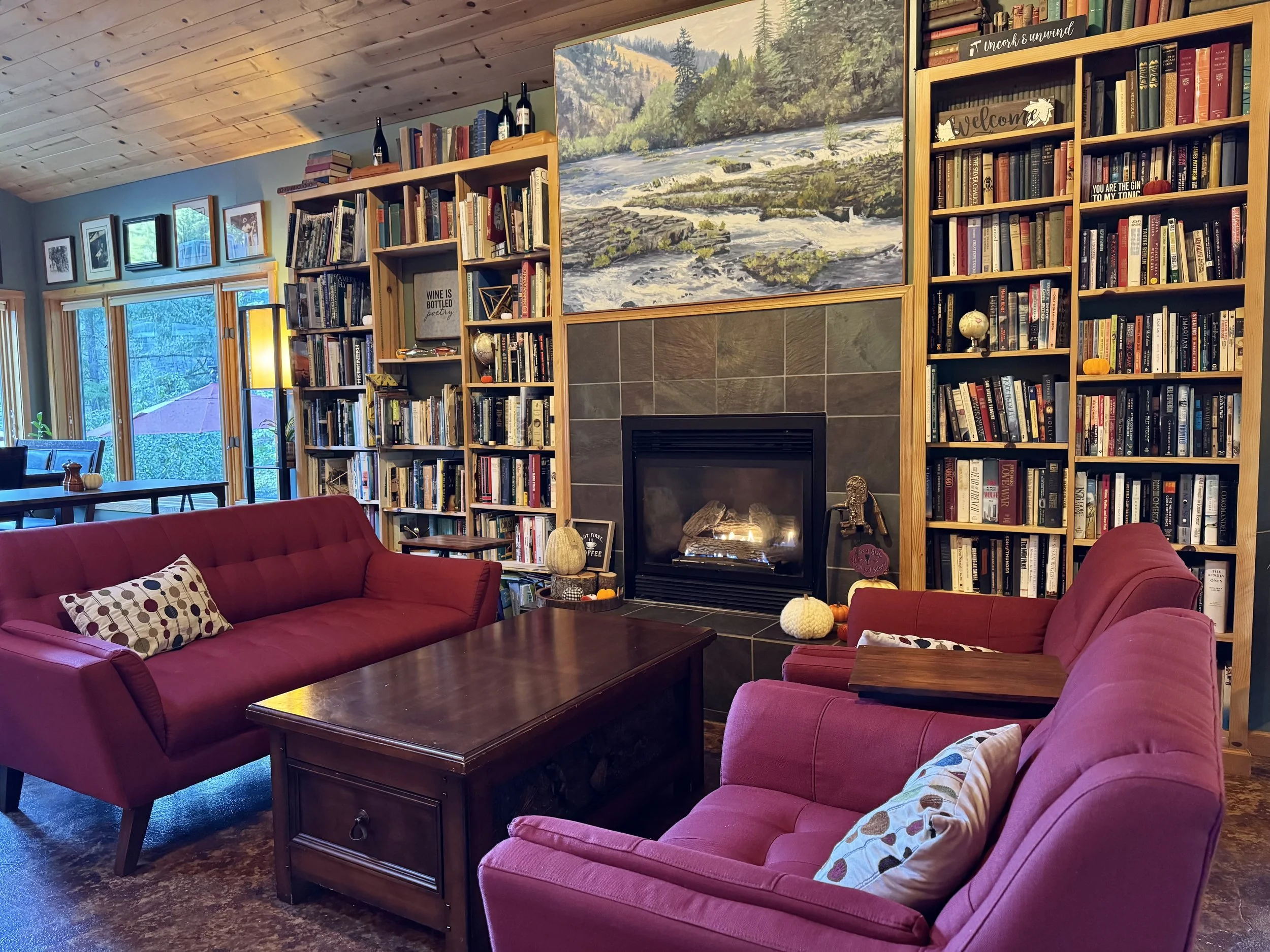
✨ Pro Tip: Plan your Steamboat Inn stay around your fishing, hiking and waterfall days. You’ll be closer to many of the North Umpqua trailheads and won’t have to backtrack to Roseburg each evening.
✨ For a Romantic Stay: I loved the more secluded Falls Cabin, with its large private deck overlooking the river, fireplace, bathrobes and soaking tub. Between the river views and those cozy comforts, I could happily have stayed longer.
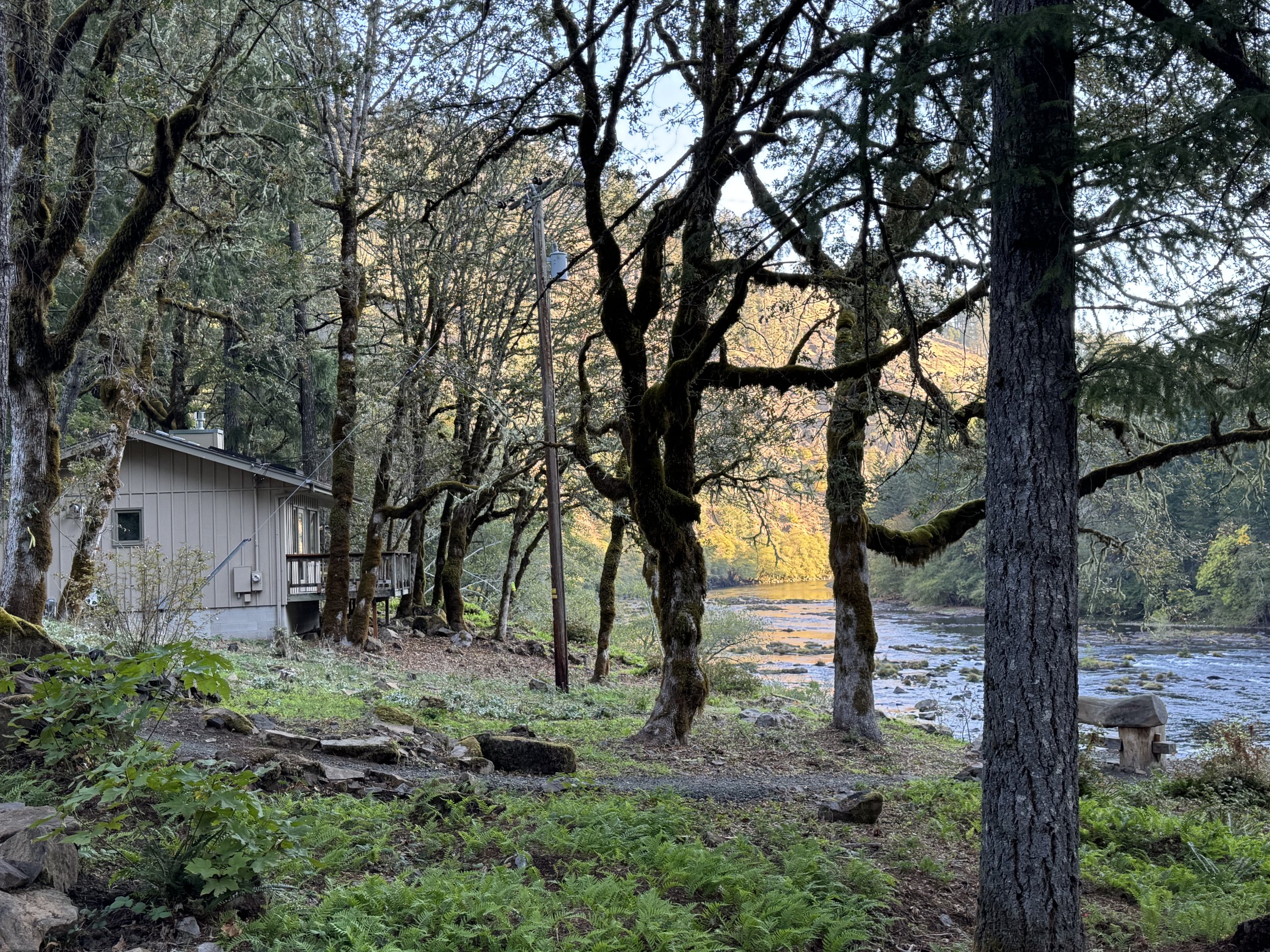
✨ For a Larger Group: Consider one of the spacious cottages across the river, where your group can stay together with more room to spread out.
Bell Sister Flats in Roseburg

📍 Location: 620 SE Main Street, Roseburg, Oregon 97470
🌐 Website: Bell Sister Flats
🏡 Property Style: Apartment-style accommodations with more space and amenities than a traditional hotel room
🏙️ Setting: Located in the heart of historic downtown Roseburg
🍽️ Dining: Within walking distance of downtown restaurants, coffee shops, and bars
🍷 Nearby Attractions: Umpqua Valley wineries, downtown Roseburg, and Wildlife Safari
✨ Best For: Walkability, local dining, and using Roseburg as a convenient base
Bell Sister Flats offers apartment-style accommodations in the heart of downtown Roseburg. Its central location makes it a convenient choice for travelers who want to walk to coffee shops, restaurants, and local businesses while remaining within driving distance of Umpqua Valley wineries and Wildlife Safari.
Other Places to Stay in Roseburg
🏡 Accommodation Options: Hotels, motels and vacation rentals
🏙️ Setting: Downtown stays, convenient locations near I-5 and quieter options outside town
🍽️ Dining: Downtown restaurants, coffee shops and bars
🍷 Nearby Attractions: Umpqua Valley wineries, Wildlife Safari and historic downtown Roseburg
✨ Best For: Convenience, local dining and exploring the wider Umpqua Valley
Roseburg offers several additional accommodation options, whether you prefer a familiar hotel, a simple overnight stop or a vacation rental with room to spread out. Staying downtown puts you close to local restaurants, coffee shops and stores, while properties near I-5 are convenient for travelers continuing through Southern Oregon.
Consider spending your Roseburg nights around winery visits, the Wildlife Safari and time exploring town.
Where to Eat and Drink
Along the North Umpqua River
Dining options are more limited along Highway 138, so plan your meals around your adventures and check opening hours before heading out.
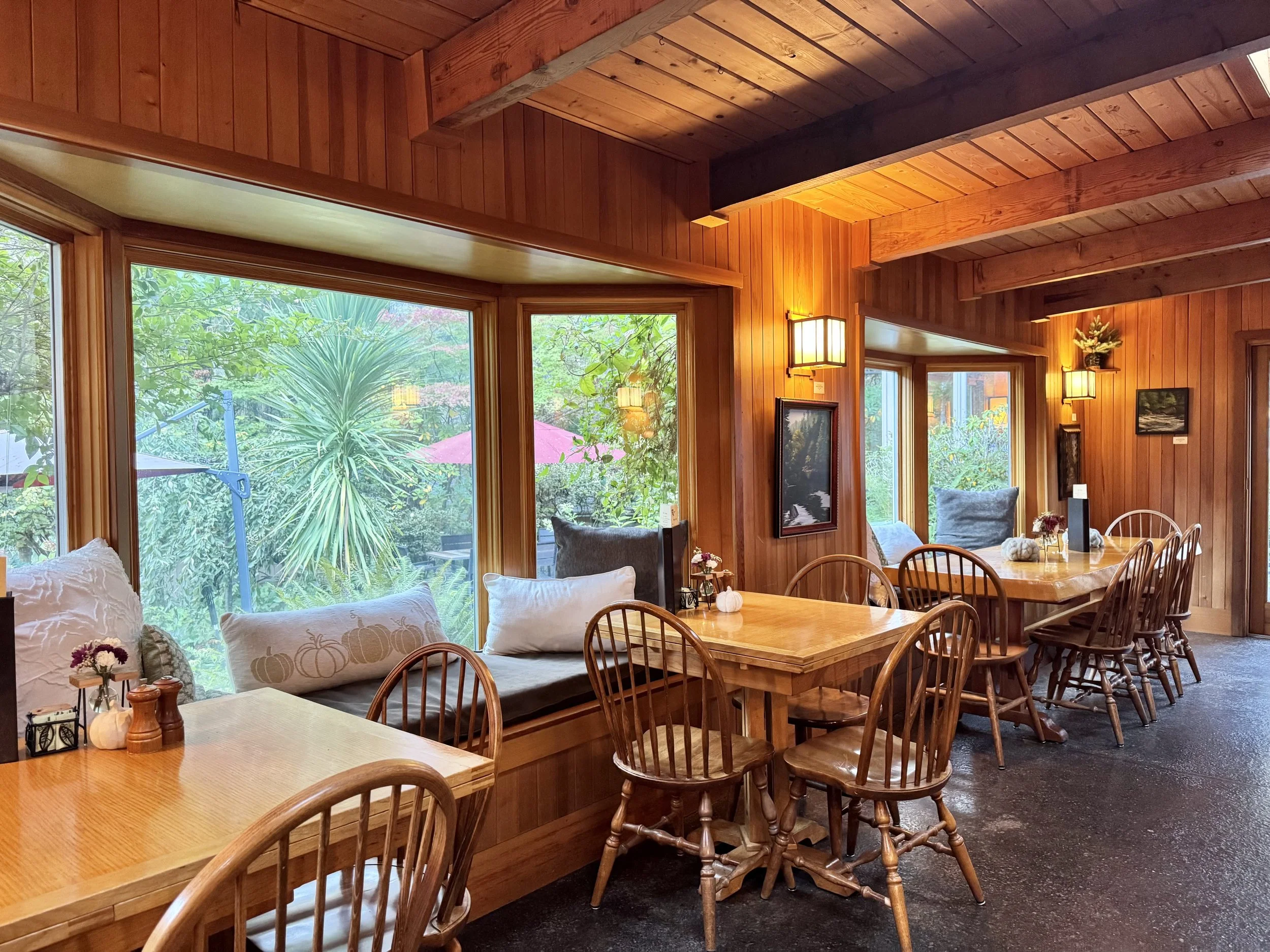
Steamboat Inn Restaurant: Seasonal Pacific Northwest dishes in a beautiful forest setting, with indoor and outdoor seating. Stop for breakfast or lunch, or reserve a table for dinner after a day exploring the river and waterfalls. Reservations are recommended for dinner on weekends or during the peak season.
Dry Creek Store & Deli: A convenient, casual stop along Highway 138 for deli food, snacks and supplies before continuing into the forest.
Roseburg Restaurants and Bars
Roseburg offers more variety, from wood-fired pizza and casual brewery meals to dinner and cocktails downtown.
True Kitchen + Bar: A downtown option for New American cooking and craft cocktails, with a menu ranging from burgers to steak and seafood.
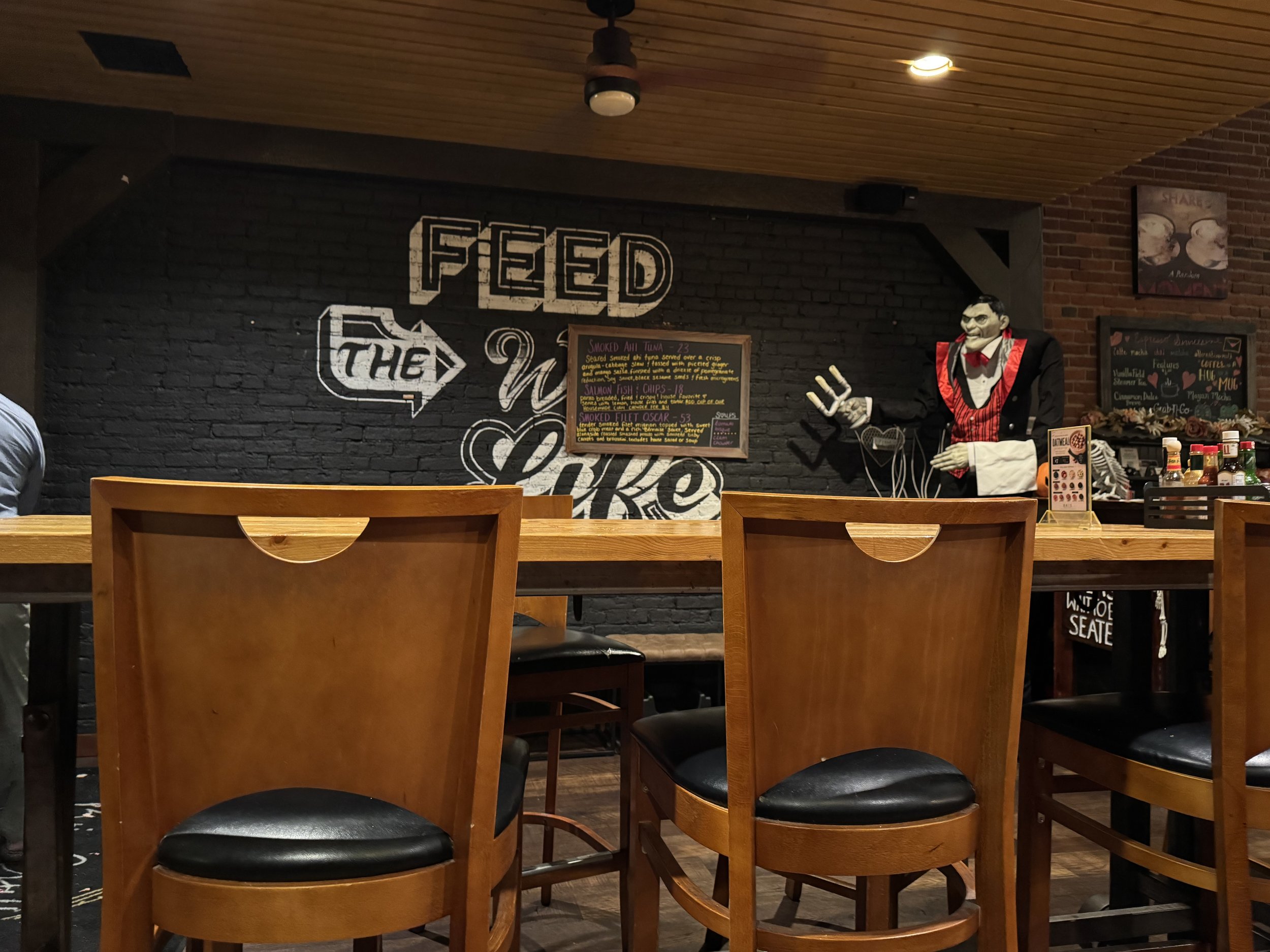
Brix Grill: A smaller downtown spot with great food and a menu covering breakfast, lunch and dinner.
Old Soul Pizza: A family-owned downtown restaurant serving wood-fired pizza, local wines and rotating beer and cider taps, with artwork by local artists adding to the atmosphere.
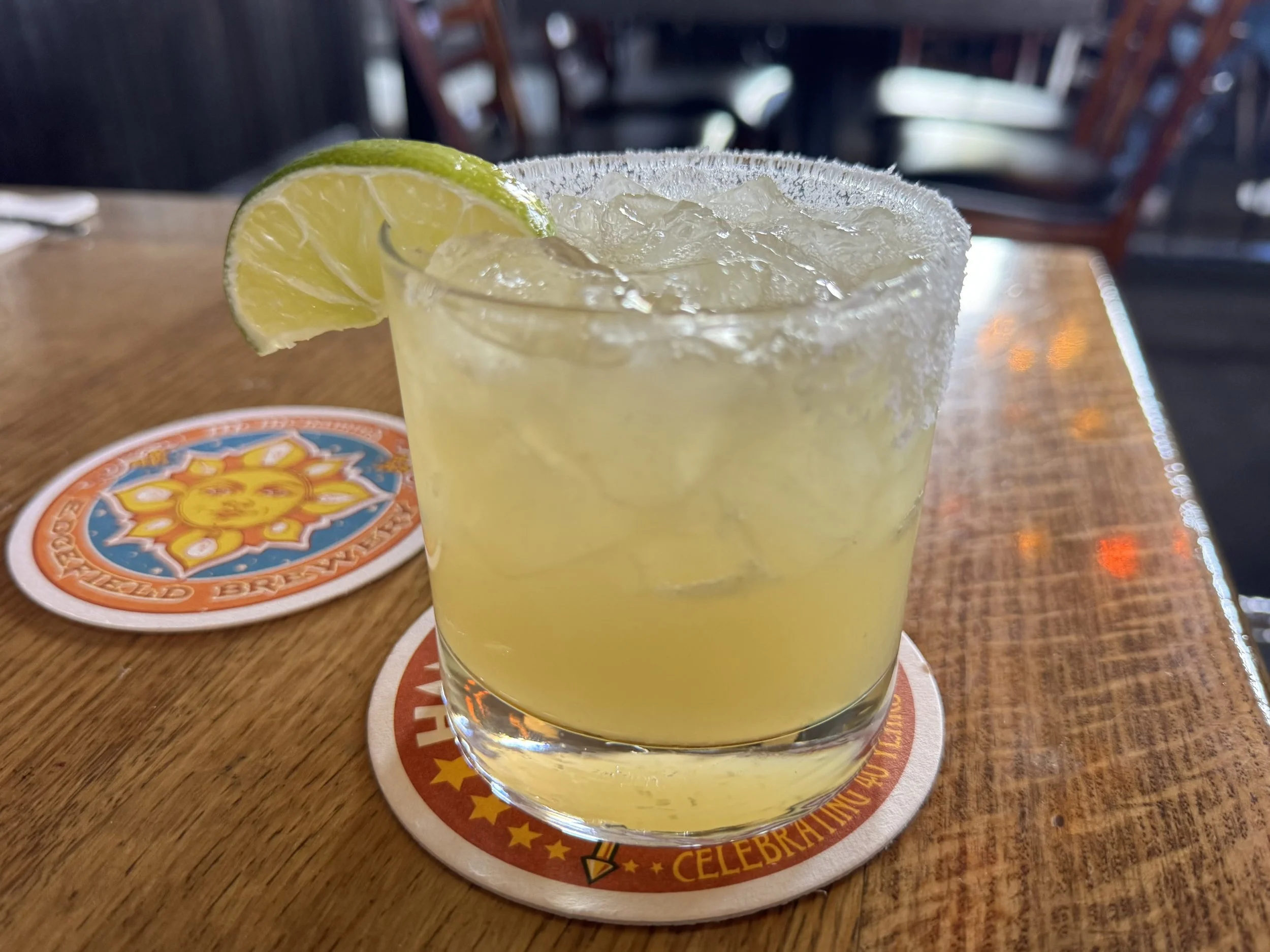
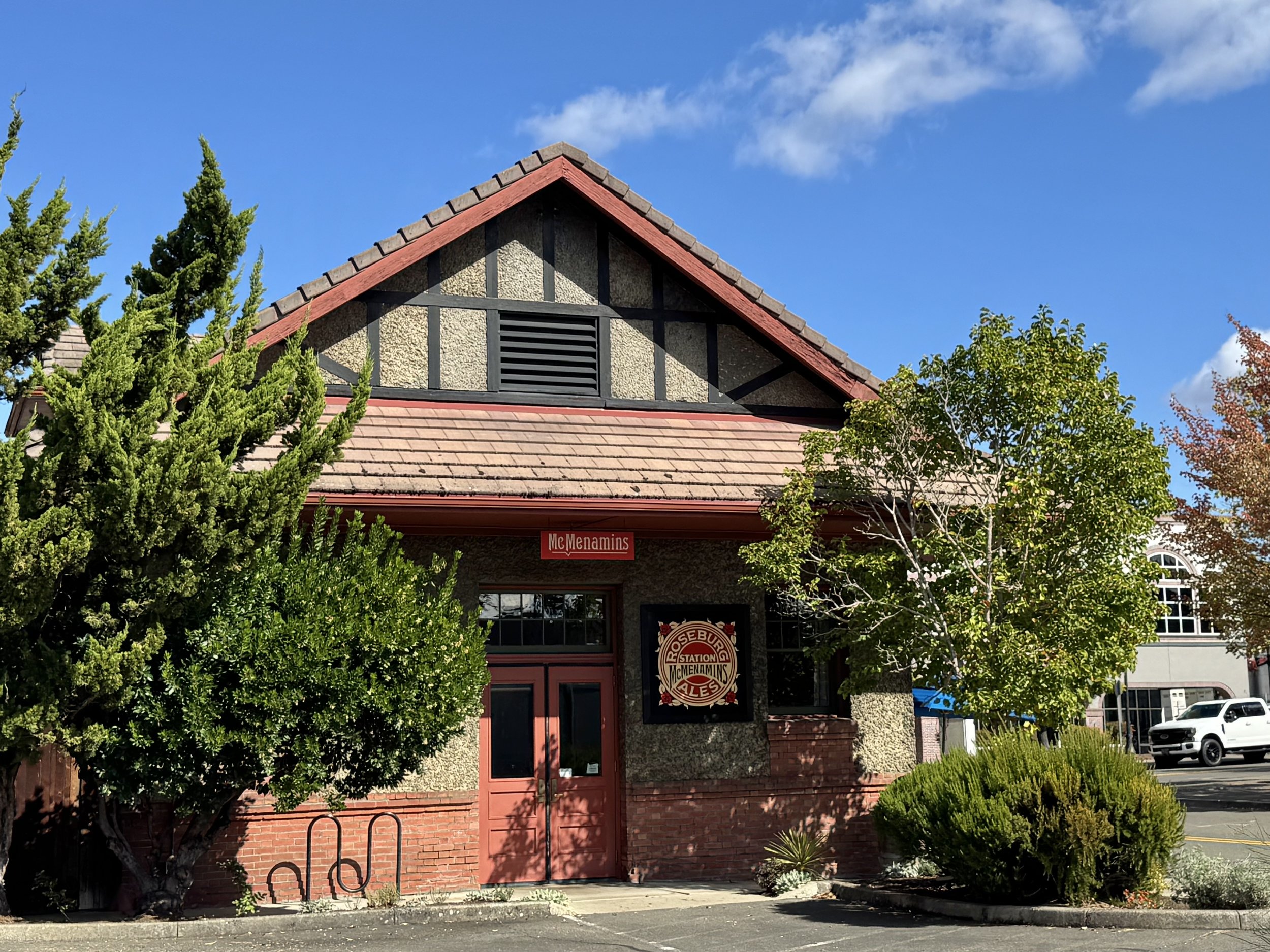
McMenamins Roseburg Station Pub & Brewery: Housed in a restored 1912 Southern Pacific railroad depot, this was a fun stop for food, drinks and atmosphere. The historic setting and railroad memorabilia make it worth taking a look around while you’re there.
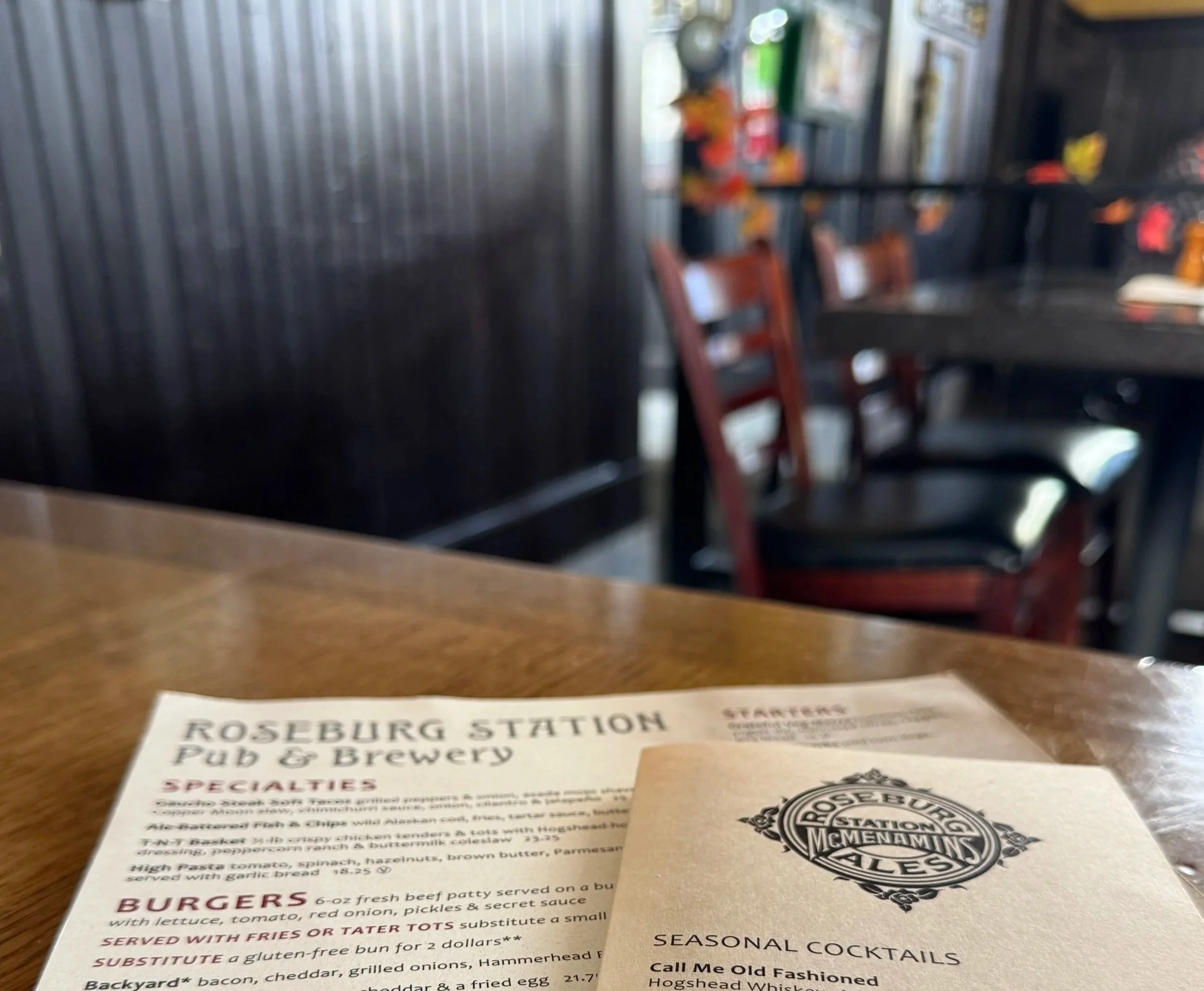
Backside Brewing Co.: A casual choice for craft beer, wood-fired pizza, cocktails and catching a game after a day of exploring.
Roseburg Coffee Shops
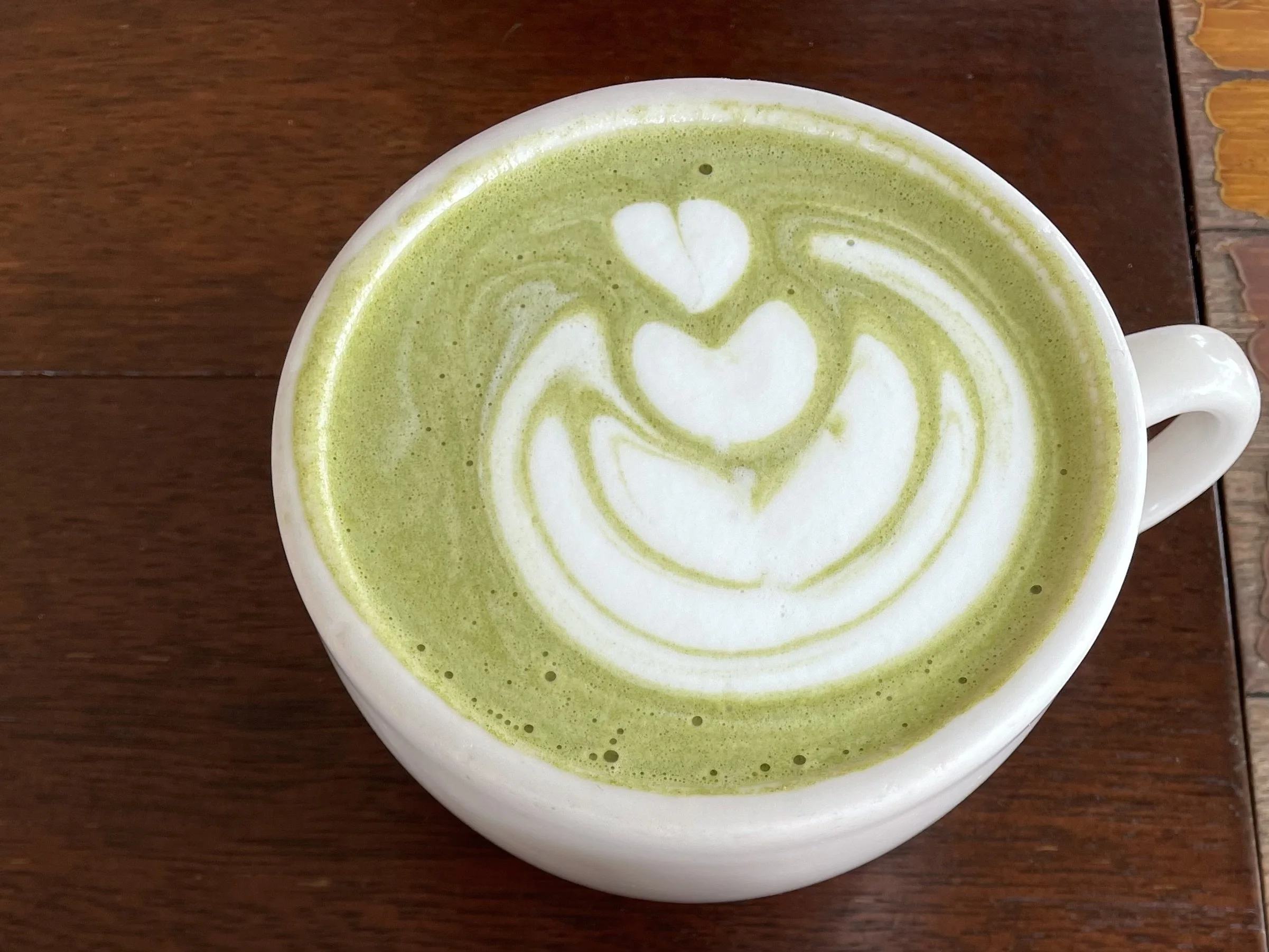
Gathering Grounds Coffee House: A downtown café run by a mother-daughter team, serving organic coffee, house-made baked goods and vegetarian bites.
My Coffee: An option for coffee, espresso, smoothies, bagels and breakfast sandwiches before heading out for the day.
Five-Day Umpqua Valley Itinerary
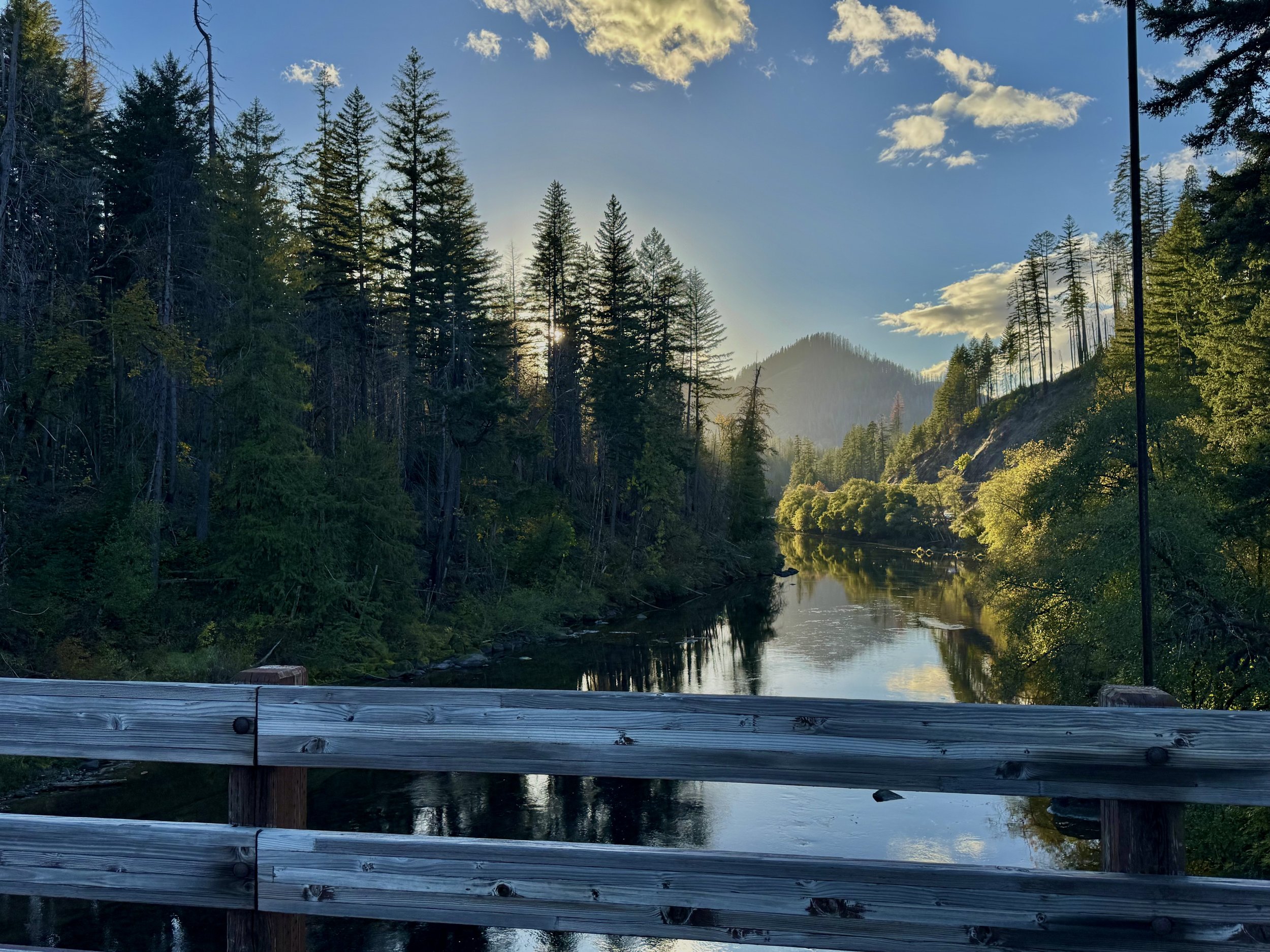
This five-day itinerary starts with Roseburg’s wine country and Wildlife Safari before heading into the North Umpqua corridor for fishing, waterfalls and time to simply relax.
Day 1: Arrive and Explore Umpqua Valley Wine Country
Fly into Eugene, pick up your rental car and head toward Roseburg. Depending on your arrival time, visit one or two wineries, leaving enough time to enjoy each tasting. Check in to your Roseburg accommodations and spend the evening downtown relaxing over dinner.
Day 2: Visit Wildlife Safari, Then Head to Steamboat Inn
Spend the morning exploring Safari Village and the drive-through park at Wildlife Safari in Winston. Be sure to book an animal encounter like feeding the giraffes. Afterward, make the scenic drive along Highway 138 to Steamboat Inn. Settle in, enjoy dinner and unwind by the river.
Day 3: Go Fly Fishing and Enjoy the River
Reserve the morning for fly fishing, either with a local guide or independently if you have the experience and equipment. Confirm current regulations and conditions before heading out. Keep the afternoon open for reading on your deck, relaxing in your cabin or simply enjoying the river views.
Day 4: Explore the North Umpqua Waterfalls
Visit Watson and Toketee Falls, adding quick stops at Whitehorse and Clearwater Falls if time allows. A guided waterfall tour is another option. Return to Steamboat Inn for dinner and one final evening by the river.
Day 5: Return to Eugene
Enjoy breakfast and a final morning by the river before checking out and driving to Eugene for your flight home. Allow extra time for the drive, returning your rental car and getting through airport security.
Best Time to Visit the Umpqua Valley
The Umpqua Valley is a year-round destination, but the best time to visit depends on what you’d like to experience.
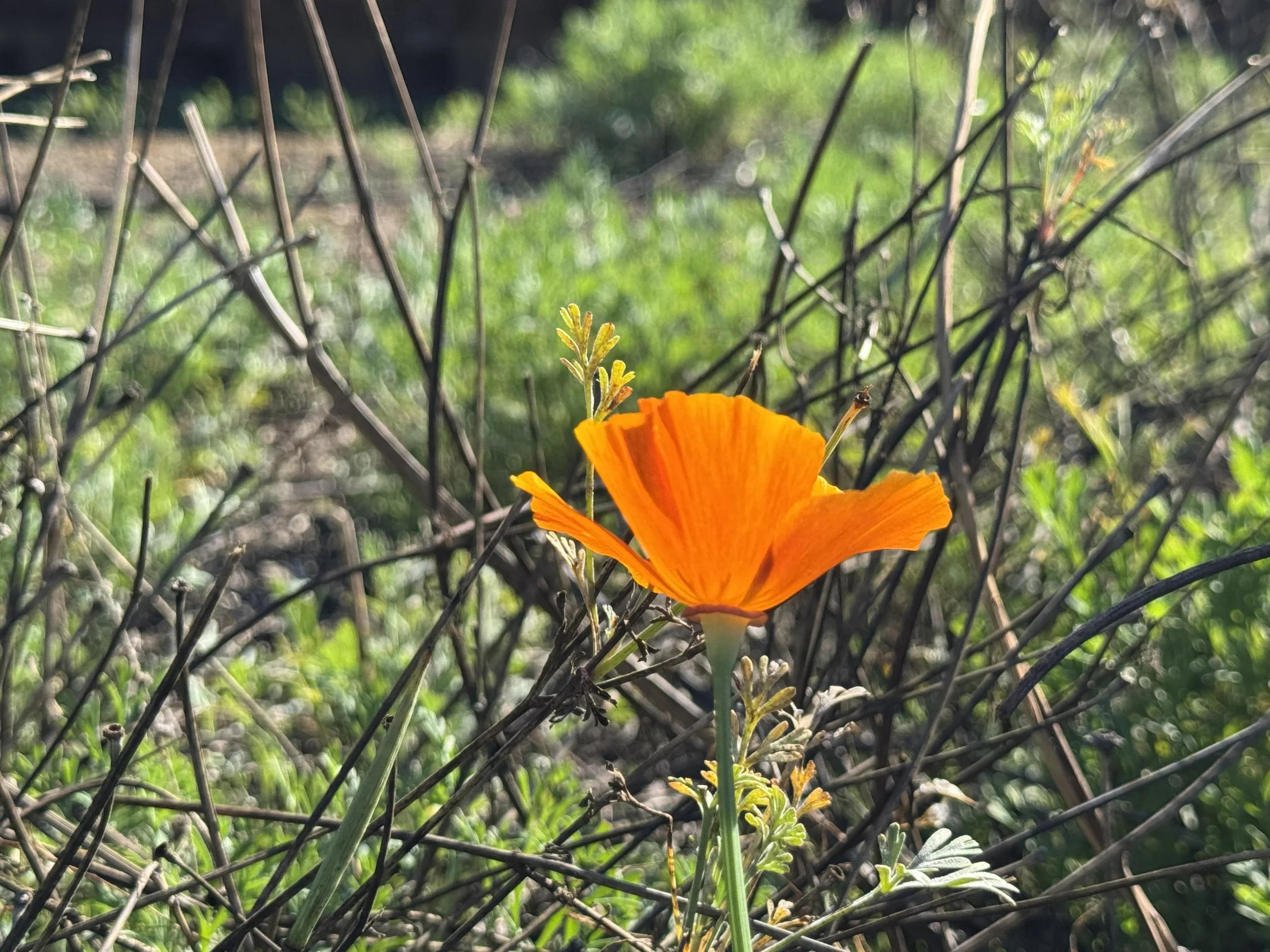
🌸 Spring: Rain and snowmelt bring lush scenery and powerful waterfalls. Late spring can be lovely for exploring, although snow may linger at higher elevations and affect mountain roads and trails.
☀️ Summer: Warm, generally dry weather makes this a popular season for hiking, wine tasting and scenic drives. Roseburg can get hot, while higher elevations often offer cooler temperatures.
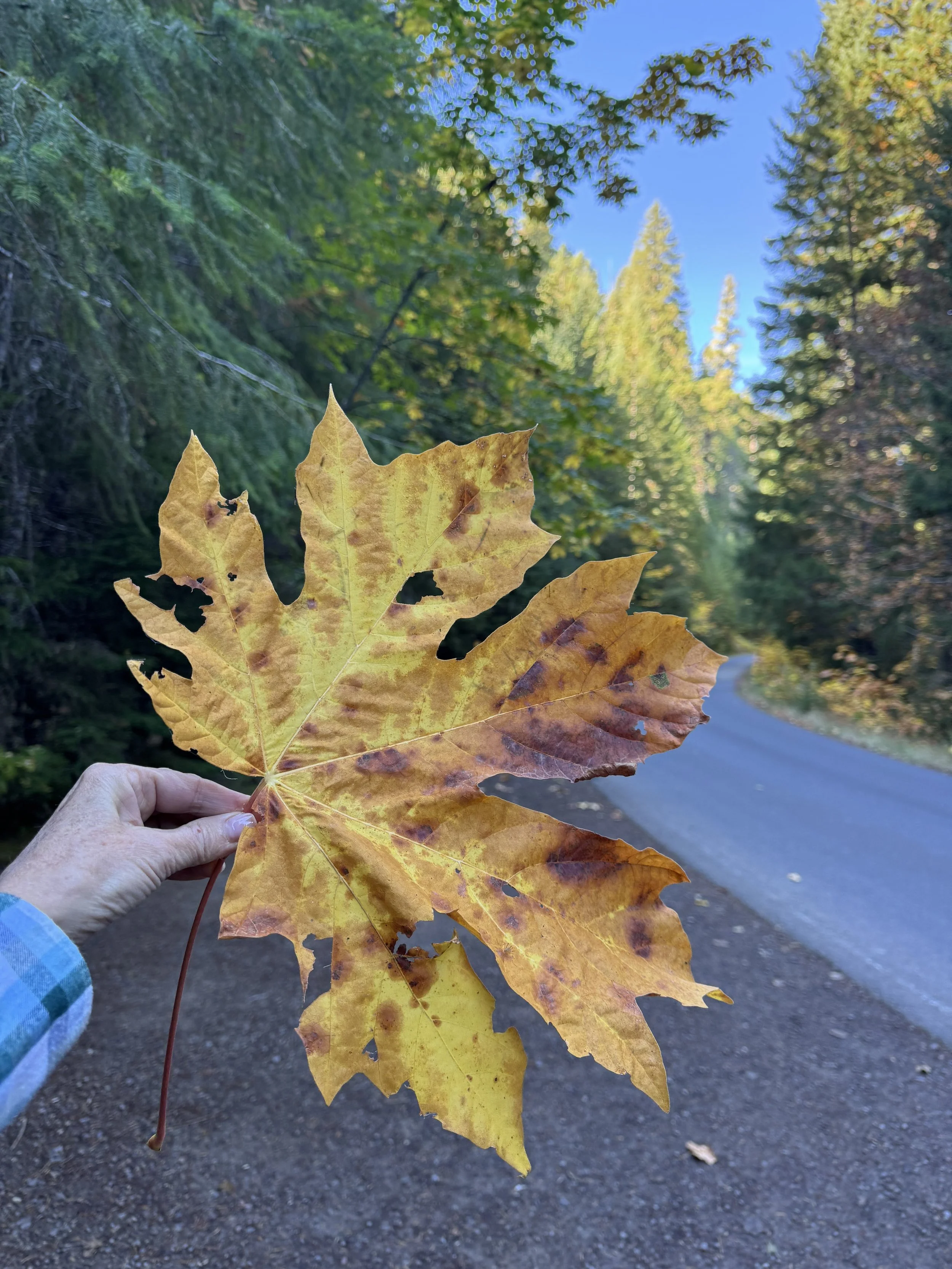
🍂 Fall: Colorful vineyards, grape harvest and cooler hiking weather make this a wonderful time to visit. I went in early October and had incredible weather just as the fall colors were beginning to change into brilliant shades of amber and burnt orange.
❄️ Winter: Expect rain around Roseburg and possible snow, ice and seasonal access restrictions in the mountains. Waterfalls can be especially impressive, but outdoor plans require more flexibility this time of year.
✨ Pro Tip: Weather can vary considerably across the region on the same day regardless of the season. Check separate forecasts for Roseburg and the North Umpqua River corridor along with road and trail conditions before heading out.
Tips for Planning Your Visit
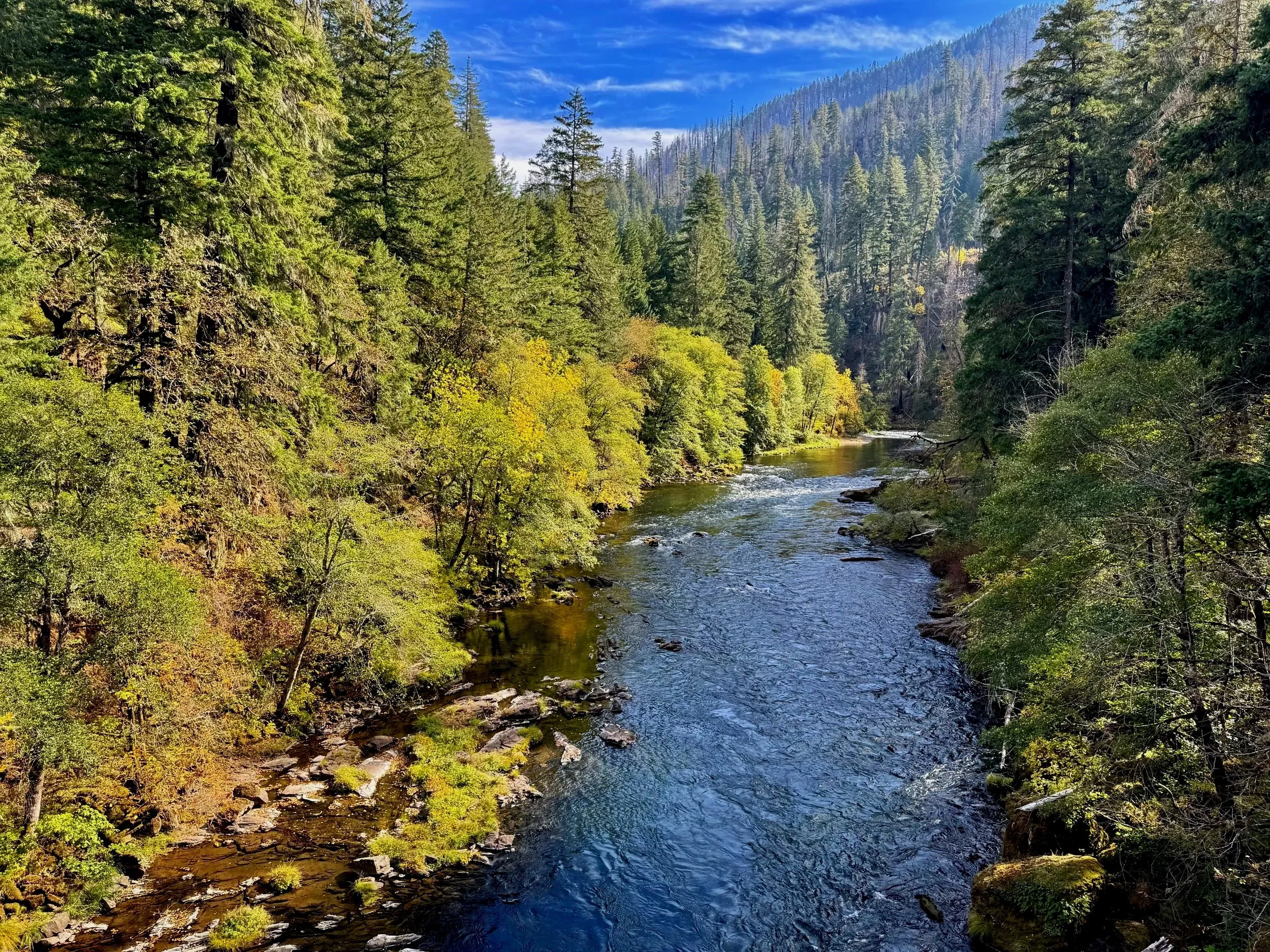
Allow at Least Three or Four Days
The Umpqua Valley covers a large area, and its attractions are spread between Roseburg, the surrounding wine country, and the North Umpqua River. Three or four days will let you experience the region without spending the entire trip rushing between stops. In fact, I personally prefer 4 nights, 5 days to allow for travel time.
Split Your Stay Between Areas
Consider spending part of your trip along the North Umpqua River and the remainder in Roseburg. This reduces unnecessary driving and allows you to experience both the region’s secluded natural setting and its restaurants, wineries, and downtown attractions.
Rent a Car
A car is essential for exploring the Umpqua Valley. If you are flying into the area, rent a car. Most waterfalls, wineries, accommodations, and other major attractions are not connected by public transportation.
Don’t Underestimate Driving Distances
Places that appear close on a map may require longer drives along rural or mountain roads. Group attractions by area and avoid planning activities on opposite sides of the valley on the same day. It’s not really practical.
Download Offline Maps
Cell service can be unreliable outside Roseburg, especially along the North Umpqua River and in the more remote areas. Use my interactive map above to plan your route and see where the major attractions are located, then download offline maps and driving directions before you set out each day.
Check Hours and Make Reservations
Many wineries, restaurants, tours, and smaller businesses have limited or seasonal hours. Confirm schedules before your trip and reserve important experiences in advance when possible.
Pack for Changing Weather & Dress in Layers
Conditions can vary considerably between Roseburg and the higher elevations along the North Umpqua River. Bring layers, comfortable shoes, and rain protection, even when the forecast appears favorable. Temperatures and conditions can change quickly throughout the day.
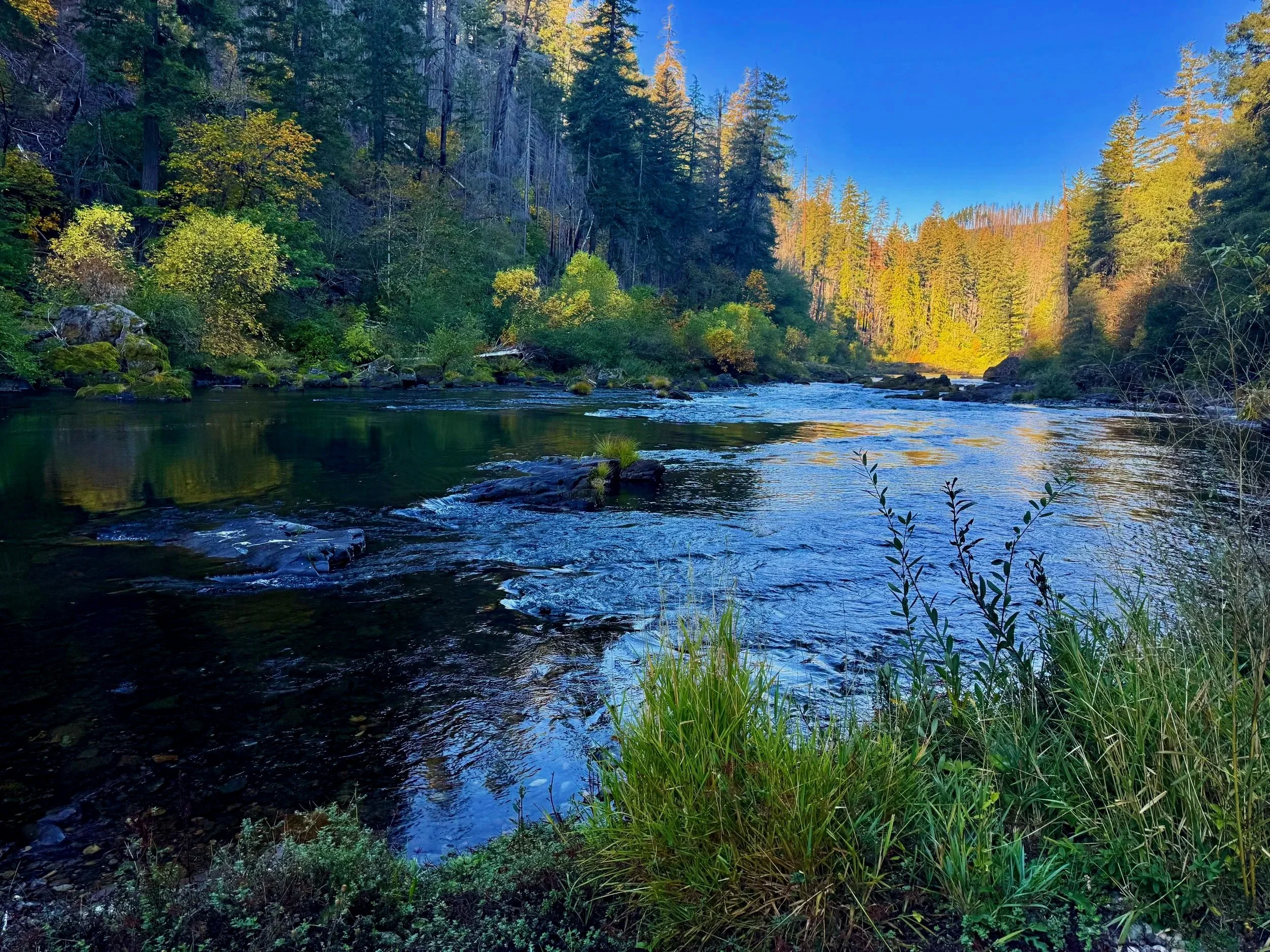
Leave Room for Unexpected Stops
Avoid filling every hour of your itinerary so you have time to enjoy the places you discover along the way. You will undoubtedly find unexpected places you want to stop that you didn’t plan for - waterfalls, river overlooks, viewpoints, and cute shops in town.
✨ Pro Tip: Plan each day around one area of the Umpqua Valley rather than type of activity. Combining nearby outdoor attractions, wineries, restaurants, and accommodations will save time and create a more relaxing trip.
Frequently Asked Questions
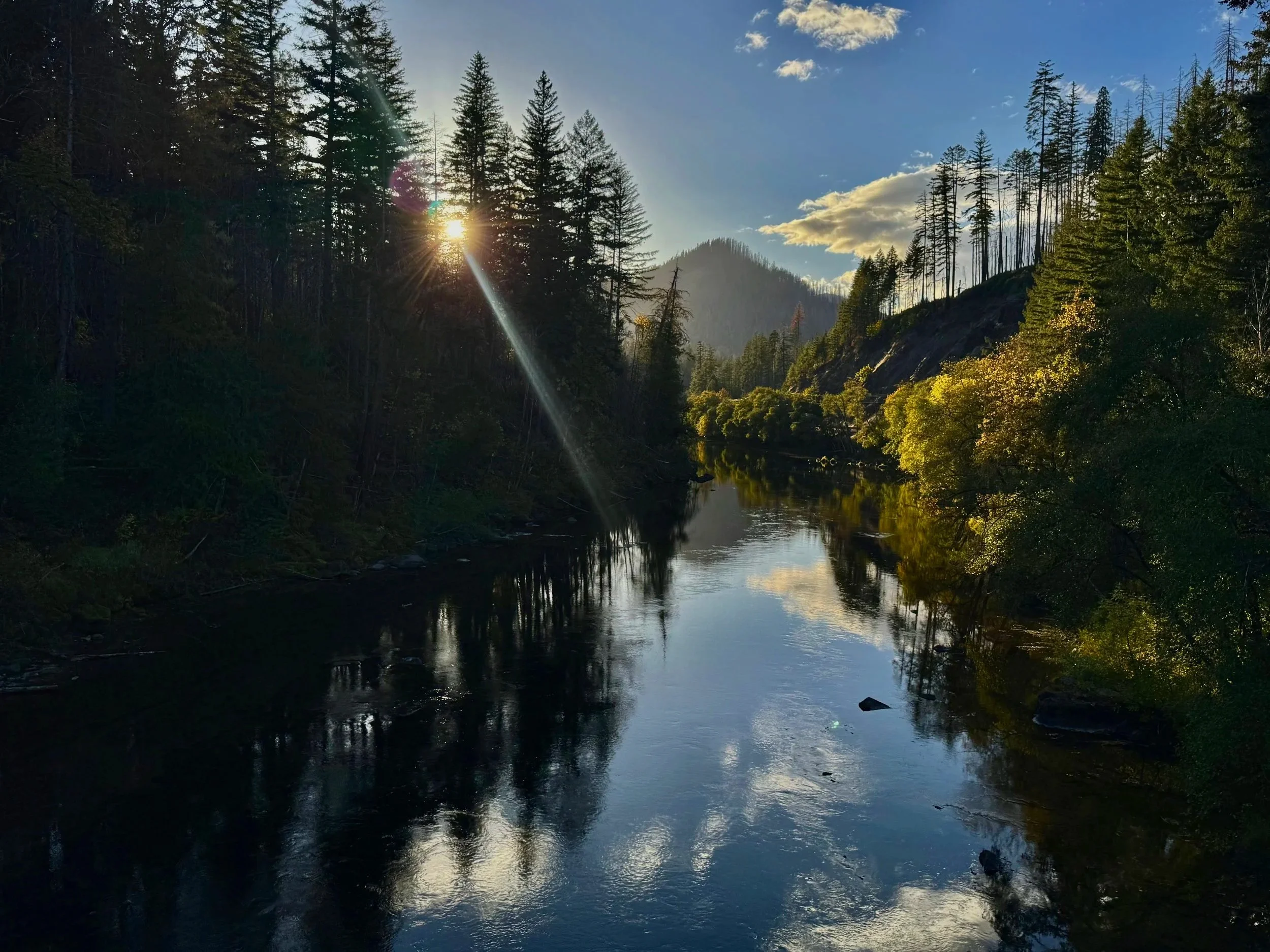
Where is the Umpqua Valley?
The Umpqua Valley is in Southern Oregon, centered around Roseburg and the Umpqua River. The wine region extends approximately 65 miles from north to south, with the Coast Range to the west and the Cascade Mountains to the east.
Is the Umpqua Valley worth visiting?
Yes. The Umpqua Valley is worth visiting especially for its combination of waterfalls, rivers, wineries, wildlife experiences, and uncrowded outdoor scenery. It is an especially fun destination for travelers who enjoy discovering beautiful places that are less crowded than Oregon’s better-known attractions.
What is the Umpqua Valley known for?
The Umpqua Valley is best known for its diverse wine region, the North Umpqua River, and the waterfalls along Highway 138. It is also known for world-class steelhead fly fishing, hiking and Wildlife Safari.
Do you need a car to explore the Umpqua Valley?
Yes. A car is essential because the wineries, waterfalls, riverfront accommodations, and other major attractions in the Umpqua Valley are spread throughout the region. Public transportation is not a practical option for exploring the Umpqua Valley.
What is the closest airport to Roseburg?
Roseburg has a regional airport, but it doesn’t offer regular commercial passenger service. Eugene Airport, approximately 80 miles north of Roseburg, is generally the closest and most convenient commercial airport which is where I flew into. Rogue Valley International-Medford Airport, approximately 100 miles south, is another option although it’s a little bit further away.
Is the Umpqua Valley good for families?
Yes. Families can enjoy Wildlife Safari, easier waterfall trails, riverside picnic areas, scenic drives, and outdoor recreation. Some wineries also welcome children in designated areas, although policies vary and should be confirmed before visiting.
Can you visit Umpqua Valley wineries without reservations?
Many Umpqua Valley wineries accept walk-in visitors during regular tasting-room hours, but reservations are recommended. Some smaller wineries have limited schedules or operate by appointment only, especially on weekdays and during the slower seasons. Be sure to confirm hours and tasting policies before arriving to avoid disappointment.
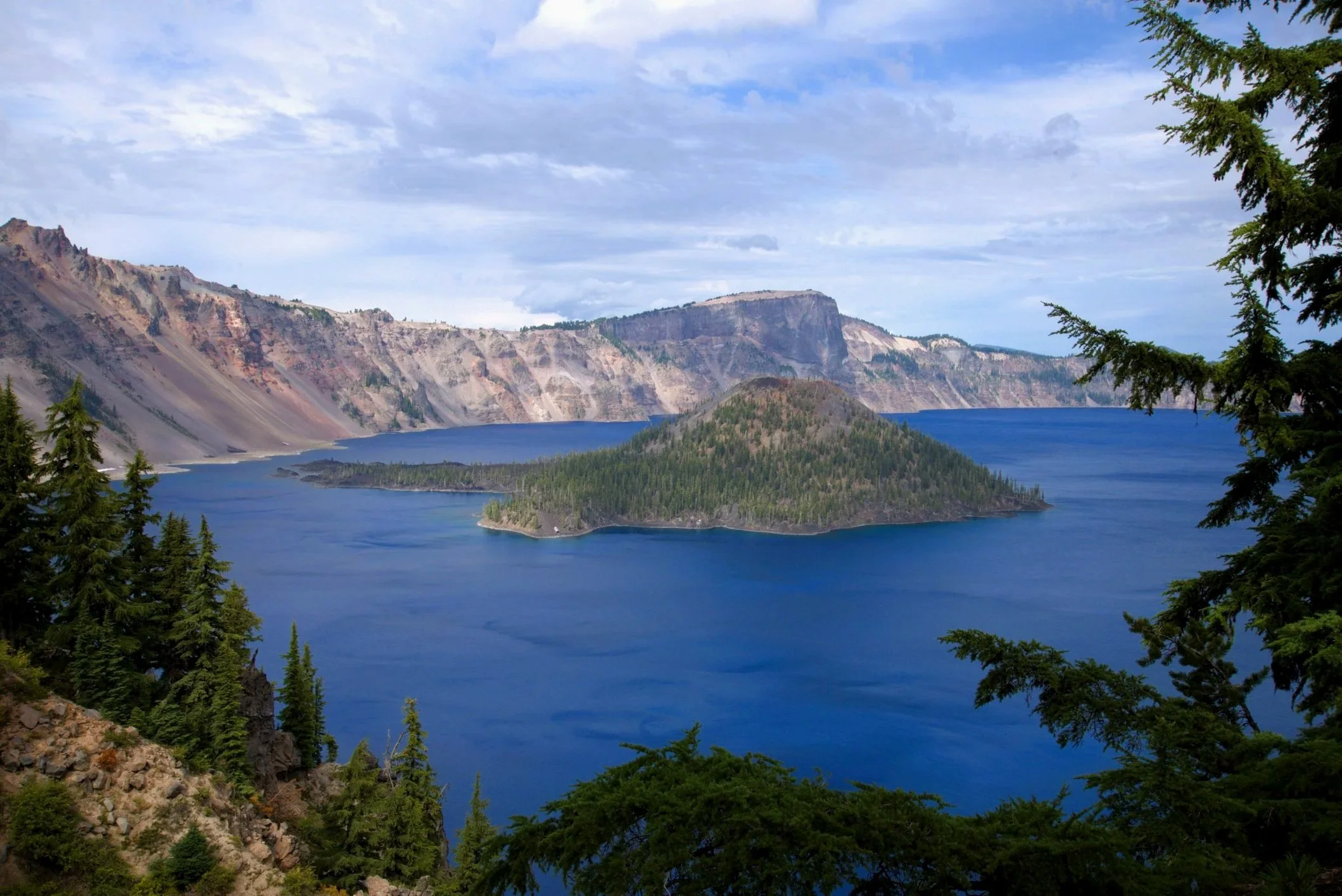
Is the Umpqua Valley close to Crater Lake?
Yes. Crater Lake National Park is approximately 100 miles from Roseburg and can be reached in about two hours when roads and the park’s North Entrance are open. It’s closer to the eastern North Umpqua River corridor, making it possible to combine the two areas on a longer Southern Oregon road trip. The North Entrance closes seasonally, so check current access before planning your route.
More Scenic Getaways & Outdoor Adventures

Eastern Sierra Highway 395 Road Trip - Mountain lakes, waterfalls, fishing and scenic detours.
Yosemite National Park Travel Guide - Waterfalls, forest trails and spectacular valley views.
Glenwood Springs, Colorado - River adventures, mountain scenery and relaxing hot springs.
Santa Cruz, California - Coastal exploring, redwood forests and a relaxed getaway.