
What I Wish I'd Known Before Driving Abroad

Image Source: First Road Trip Guide – Best Destinations – Skyscanner
Before you set off on your first international road trip, it's easy to focus on the exciting parts - the scenic routes, charming towns, and freedom to explore at your own pace. But driving in another country comes with its own learning curve, and a little preparation can make the difference between an adventure being memorable for the right reasons, or a stressful blur.
Here are a few things I wish I'd known before my first time driving abroad.

Driving Abroad at a Glance
🚗 This Guide is Best For: Travelers planning their first international road trip.
🪪 Before You Go: Check your license, IDP, insurance, and local driving requirements as well as rules of the road.
🗺️ Navigation: Download offline maps and review your routes in advance.
💳 Potential Costs: Insurance upgrades, tolls, fuel, parking, and additional fees.
✨ Most Important Tip: Give yourself time to adjust and avoid an overly ambitious itinerary.
Need a rental car? Compare current rental car rates through DiscoverCars before beginning your international road trip!
Table of Contents
Tips for Driving Abroad for the First Time
Check your driver's license requirements
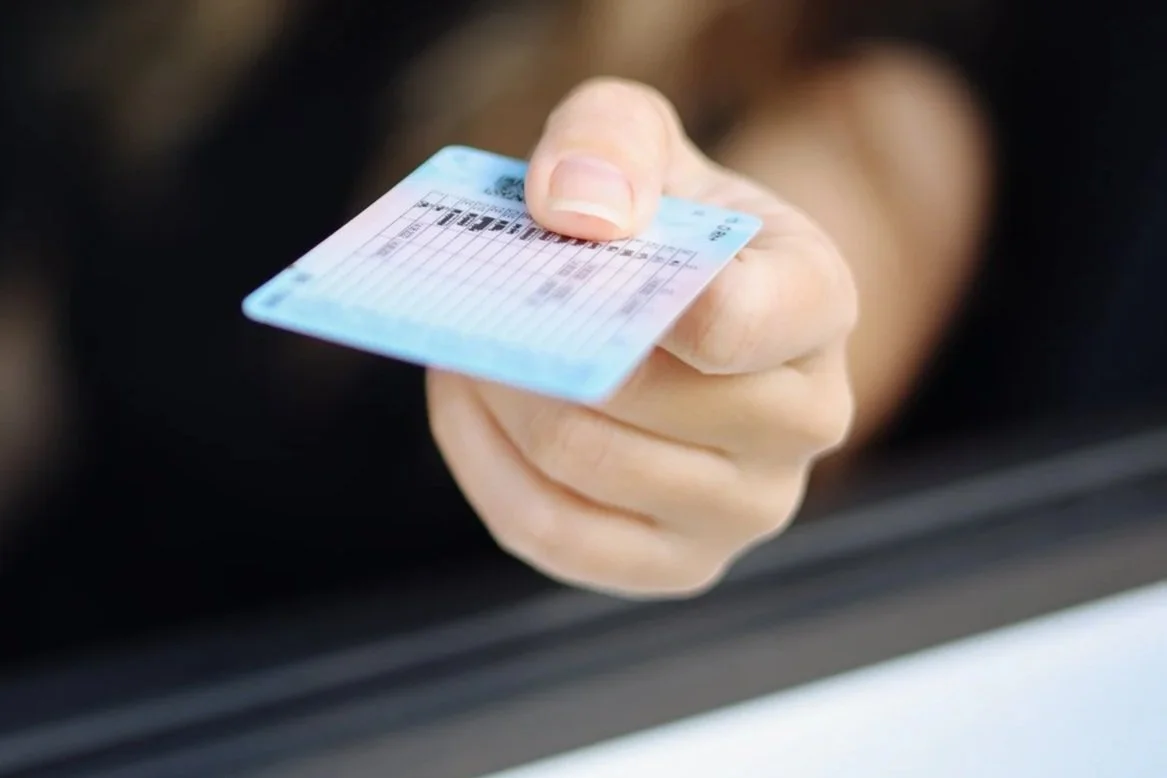
One of the first things to confirm is whether your current driver’s license is sufficient for the country you’re visiting. Some destinations accept a valid foreign license without additional paperwork, while many require an International Driving Permit (IDP). An IDP does not replace your regular driver’s license, so you’ll need to carry both when driving.
Requirements vary by destination, and rental companies may have their own policies. Don’t assume that the rules will be the same simply because you’ve rented a car in another country before. Check both the destination’s official requirements and your rental company’s policies well before your trip so you have enough time to obtain an IDP if necessary.
Understand your rental car insurance options
Many international car rental quotes include basic insurance coverage, but it may come with a high deductible and significant exclusions. When you pick up the car, you’ll usually be offered additional protection that reduces the amount you could be responsible for if the vehicle is damaged or stolen.
Before purchasing extra coverage, check whether your credit card, travel insurance, or existing auto insurance policy provides rental car protection overseas. Coverage can vary by country, vehicle type, and rental period, and it may cover collision damage without including liability, injuries, personal belongings, or damage to another vehicle.
Contact your insurance provider and credit card issuer before your trip to confirm exactly what is covered. If you plan to rely on credit card protection, ask whether you must pay for the entire rental with that card or decline the rental company’s collision damage waiver. Understanding the terms in advance can help you avoid unnecessary expenses.

Choose the right rental car
Choose a rental car that you’ll feel comfortable driving. Manual transmissions are still common in many countries, and you shouldn’t assume your rental will be automatic. If you’re uncomfortable driving a stick shift, reserve an automatic as early as possible since availability may be limited. This is especially important if you’ll also be adjusting to driving on the opposite side of the road.
Consider renting a smaller vehicle that will be easier to maneuver along narrow roads and into tight parking spaces. Before booking, make sure it still has enough room for your passengers and your luggage, especially if you’ll need to keep your bags concealed in the trunk at times.

Choose an easy destination for your first trip
If you're nervous about driving abroad for the first time, picking the right destination can boost your confidence enormously.
Factors like which side of the road traffic drives on, road quality, clear signage, manageable traffic, and decent infrastructure all contribute to a smoother experience. Skyscanner recently ranked some of the world's best destinations for first-time international road trips, highlighting countries that combine spectacular scenery with relatively straightforward driving conditions. Their guide is a great starting point if you're still deciding where to go.
✨ Pro Tip: For me personally, driving on the opposite side of the road always makes me a bit nervous. If you’re not set on a particular destination, consider choosing a country that drives on the same side as you do at home. It’s one less adjustment to make on your first international road trip.
Learn the local road signs and rules before you arrive
Once you know where you’re going, a quick online search for common road signs in your destination can help you recognize important warnings before you're behind the wheel.You should pay particular attention to speed limit signs, parking restrictions, priority rules, and any symbols that don't exist at home.

Some European countries also use average-speed cameras, which monitor how long it takes you to travel between two points. This means that slowing down only when you see a camera won’t necessarily prevent a ticket if your average speed through the monitored section exceeds the limit.
I learned this the hard way after driving in Spain. A speeding ticket was mailed to me after the trip, but the letter was entirely in Spanish and I found it nearly impossible to figure out how to pay it. Even my sister, who speaks Spanish fluently, couldn’t make sense of the payment process. It turned into a complete disaster—and taught me to pay much closer attention to signs marking average-speed zones. If you encounter one, maintain the posted speed limit throughout the entire monitored section.
Finally, research whether distances are measured in miles or kilometers as this can affect how you judge travel times and distances when mapping out your route.
Download offline maps and review your route in advance
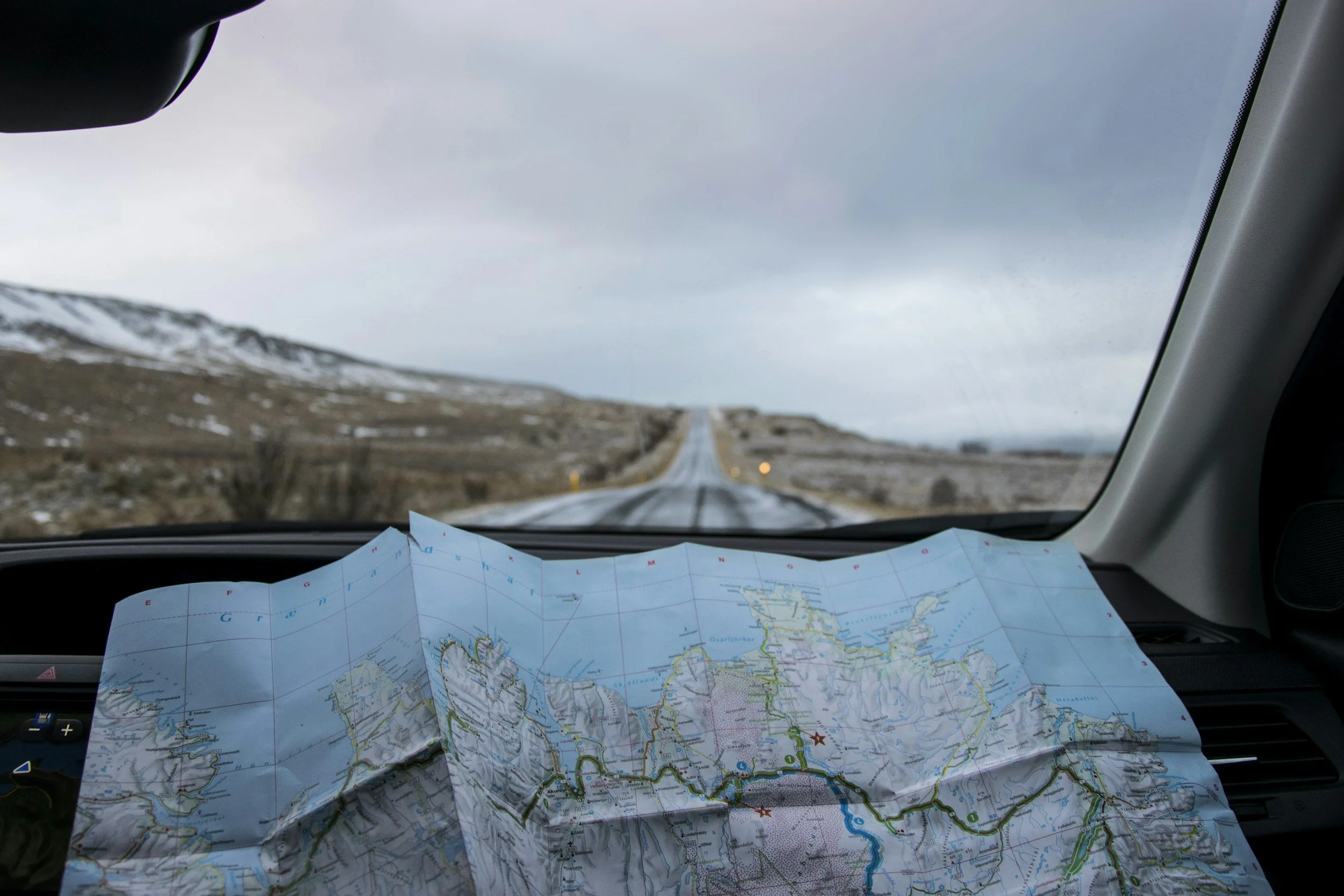
Most of us rely heavily on smartphone navigation, but I’d definitely recommend having a backup plan when driving abroad. Download offline maps or pack paper maps for the areas you’ll be visiting before you leave home. That way, if you lose cell service while driving somewhere remote—or underground—you’ll still know where you need to go.
Double-check your route before setting off, and don’t be surprised if your GPS occasionally directs you onto roads that are technically passable but far less enjoyable than the main route. Sometimes the scenic route is exactly what you’re looking for; other times, it turns out to be an unexpectedly narrow mountain road.
I’ll never forget trying to navigate my way out of Madrid and into the Spanish countryside. I kept driving in circles through underground tunnels, losing cell service and repeatedly missing my turns. It was an incredibly frustrating experience—and one that taught me never to rely entirely on a cellular connection when driving in an unfamiliar country.
Be prepared for toll roads
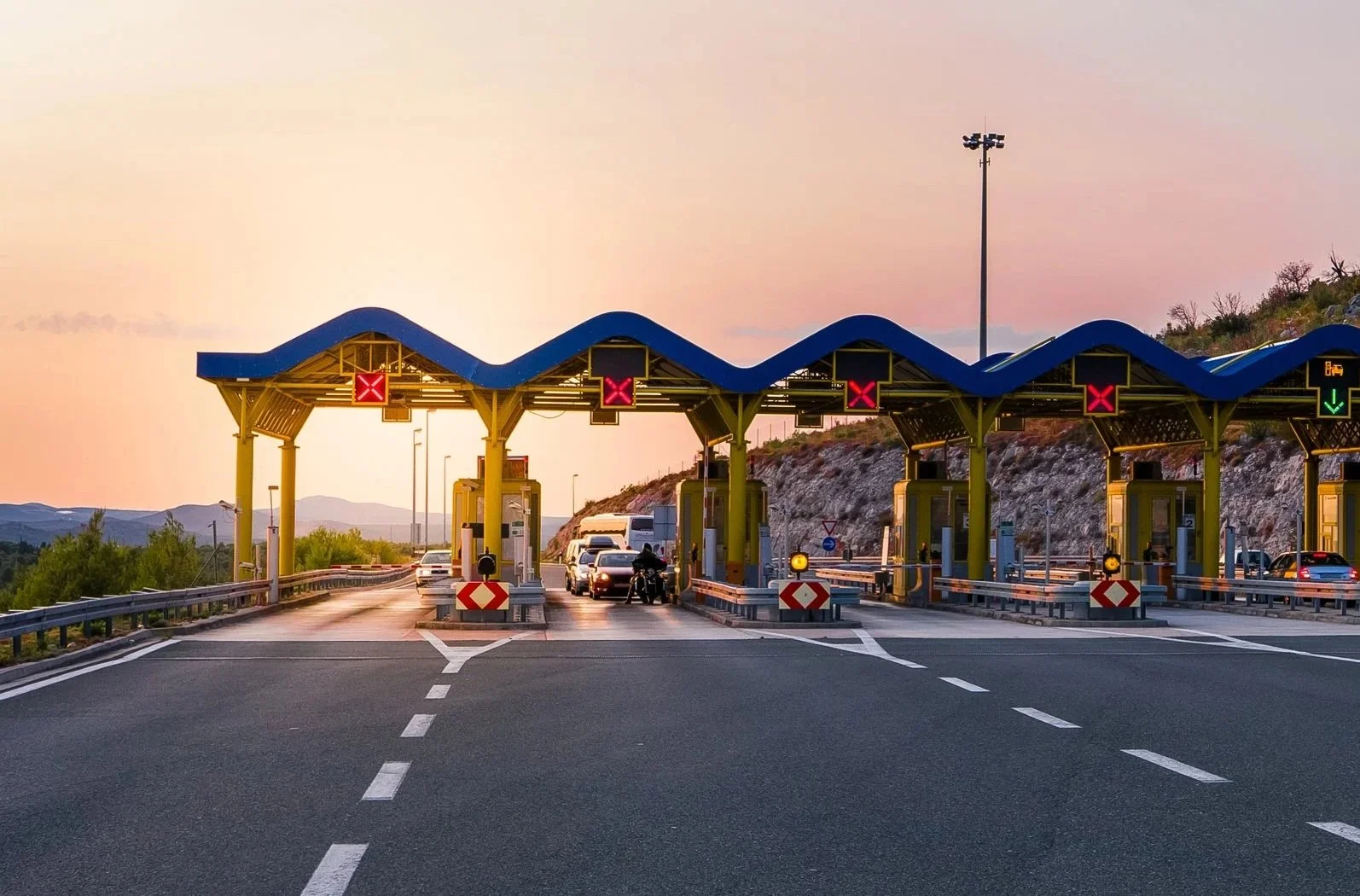
Many countries use toll roads extensively, but their payment systems can be wildly different. Some will only acept cash, others take contactless payments, while many now use electronic tolling systems that automatically record your license plate.
Rental companies often have their own procedures for handling toll charges, so ask how they'll be billed before you leave the rental lot. If you know this in advance, it can save you from unexpected fees after your trip.

Know what to do in an emergency
Save the rental company’s emergency and roadside-assistance numbers, along with the local emergency number for each country you’ll be visiting. When you pick up your car, ask what to do in the event of an accident or breakdown.
If you have an accident, photograph the damage and surrounding area, determine whether you need a police report, and keep all paperwork and receipts for a potential insurance claim.
When I recently got a flat tire in Scotland, I called the rental company, and they sent someone to repair it while I grabbed dinner nearby. By the time I finished eating, the car was ready to go with almost no disruption to my trip. It showed me how helpful it is to know whom to call before something goes wrong.

Frequently Asked Questions About Driving Abroad
Do I need an International Driving Permit to drive abroad?
It depends on the country you’re visiting. Some countries accept a valid U.S. driver’s license, while others require an International Driving Permit (IDP) in addition to your regular license. Your rental company may also have its own requirements. Check the rules for your destination before leaving home, and remember that an IDP does not replace your driver’s license. You’ll need to carry both. The U.S. Department of State provides destination-specific driving information.
Does my credit card cover international rental cars?
Some credit cards include rental car protection, but coverage varies by card, destination, rental period, and vehicle type. It may cover theft or collision damage without covering injuries, damage to another vehicle, personal belongings, or other liability. You may also need to pay for the entire rental with that card and decline the rental company’s collision damage waiver for the benefit to apply. Contact your card issuer before your trip to ask what’s covered.
What should I check before leaving the rental car lot?
Inspect the car carefully and take photos of every side, including the wheels, windshield, roof, and interior. Make sure any existing damage is recorded on the rental agreement. You should also check the fuel level, confirm which type of fuel the vehicle uses, test the lights and windshield wipers, and familiarize yourself with the controls. Before driving away, ask about the return procedure, fuel policy, emergency contact information, toll charges, and any required safety equipment.
How do international toll roads work?
Toll systems vary widely by country. You may encounter traditional toll booths, electronic transponders, license-plate billing, prepaid vignettes, or online payment systems. Some roads require you to purchase a permit before driving on them. Others allow you to pay afterward within a limited period. Ask the rental company how tolls should be handled and whether administrative fees will be added. It’s also worth carrying a small amount of local currency in case a toll booth only takes cash.
Is driving abroad difficult for first-time visitors?
Driving abroad can feel intimidating at first, but it usually becomes easier once you’ve had time to adjust. For me, the biggest challenge is driving on the opposite side of the road, but unfamiliar signs, different priority rules, narrow roads, and roundabouts can also take some adjustment. Choosing a destination with good infrastructure, renting a manageable vehicle, avoiding busy city centers, and keeping your first few driving days relatively short can make the experience much less stressful.
Final Thoughts on Your First International Road Trip

One of the biggest lessons I learned is that international road trips aren't about rushing from one attraction to the next. Some of the best moments happen when you just let the road take you somewhere unexpected, like an unplanned viewpoint, a local café that wasn't in the guidebook, or an interesting scenic detour.
With a little preparation and some realistic expectations, driving abroad becomes far less intimidating than it first appears. Before long, you'll wonder why you didn't try it sooner, and you'll probably already be planning your next road trip.